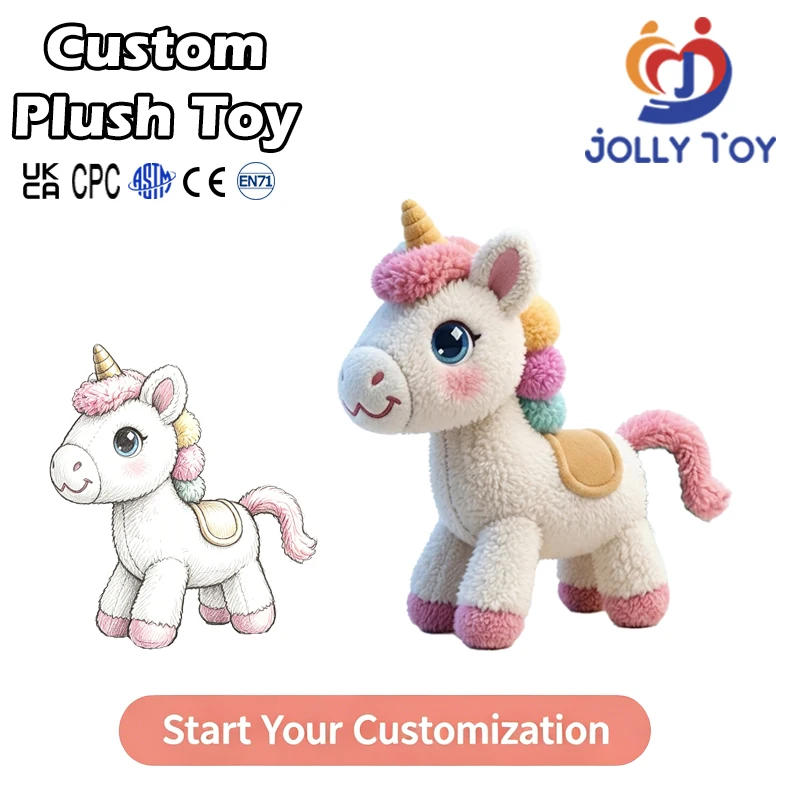
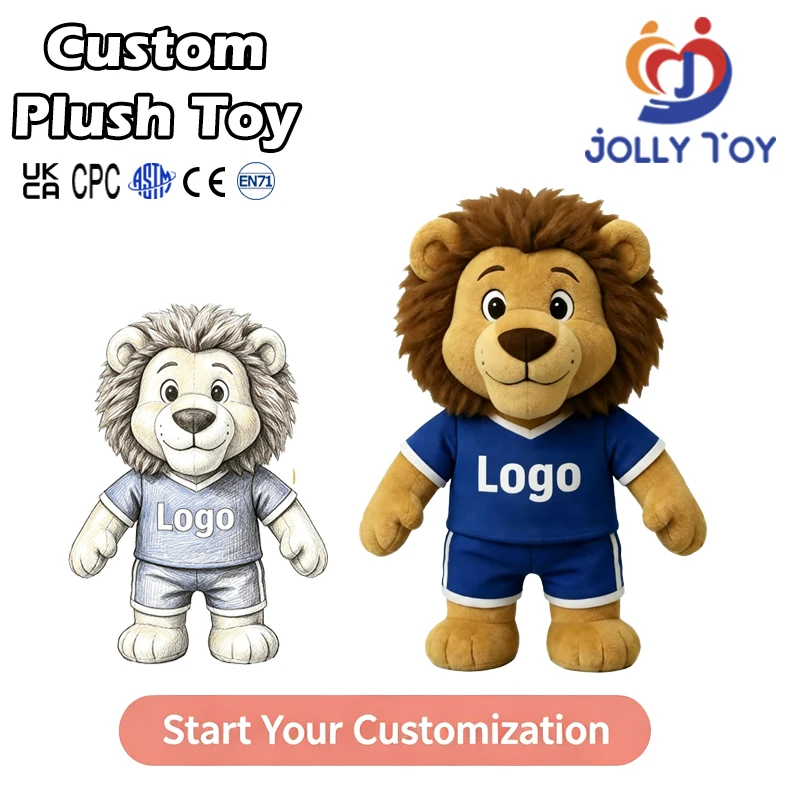
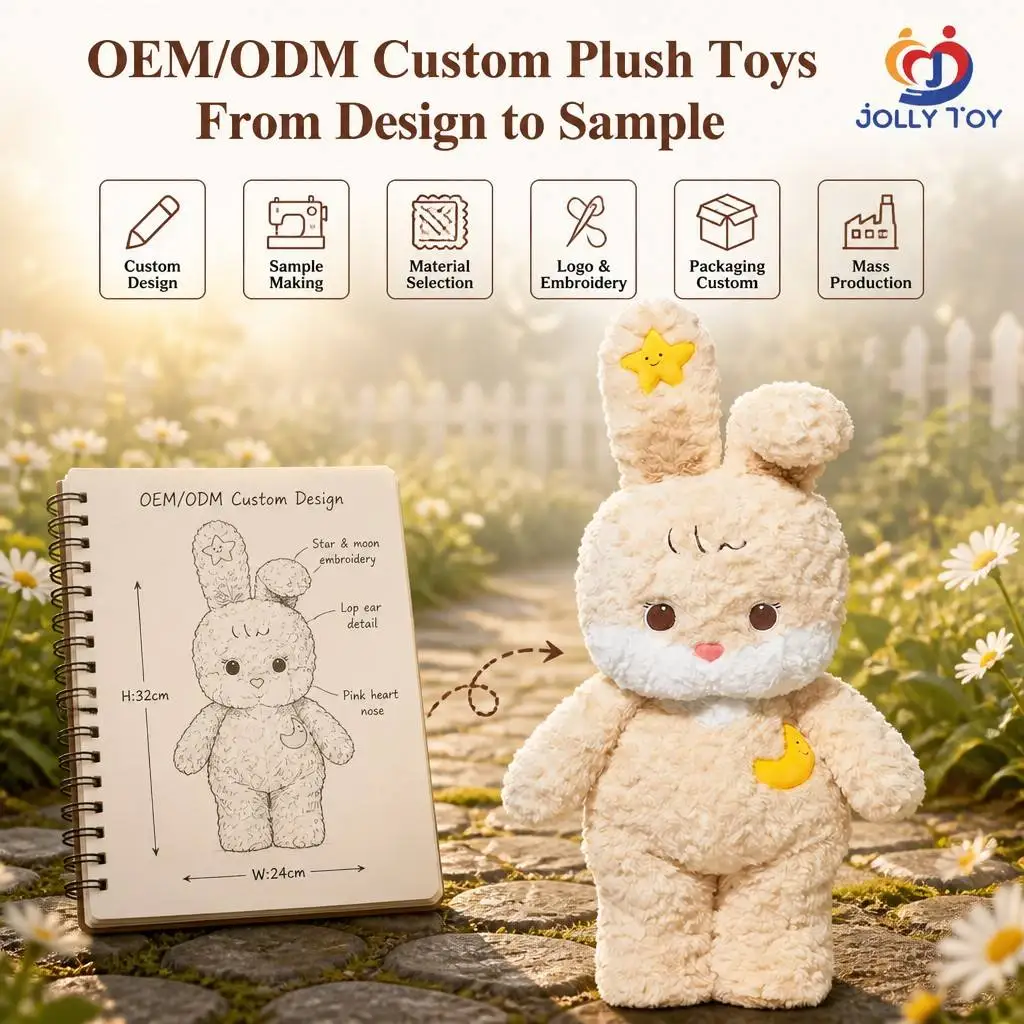
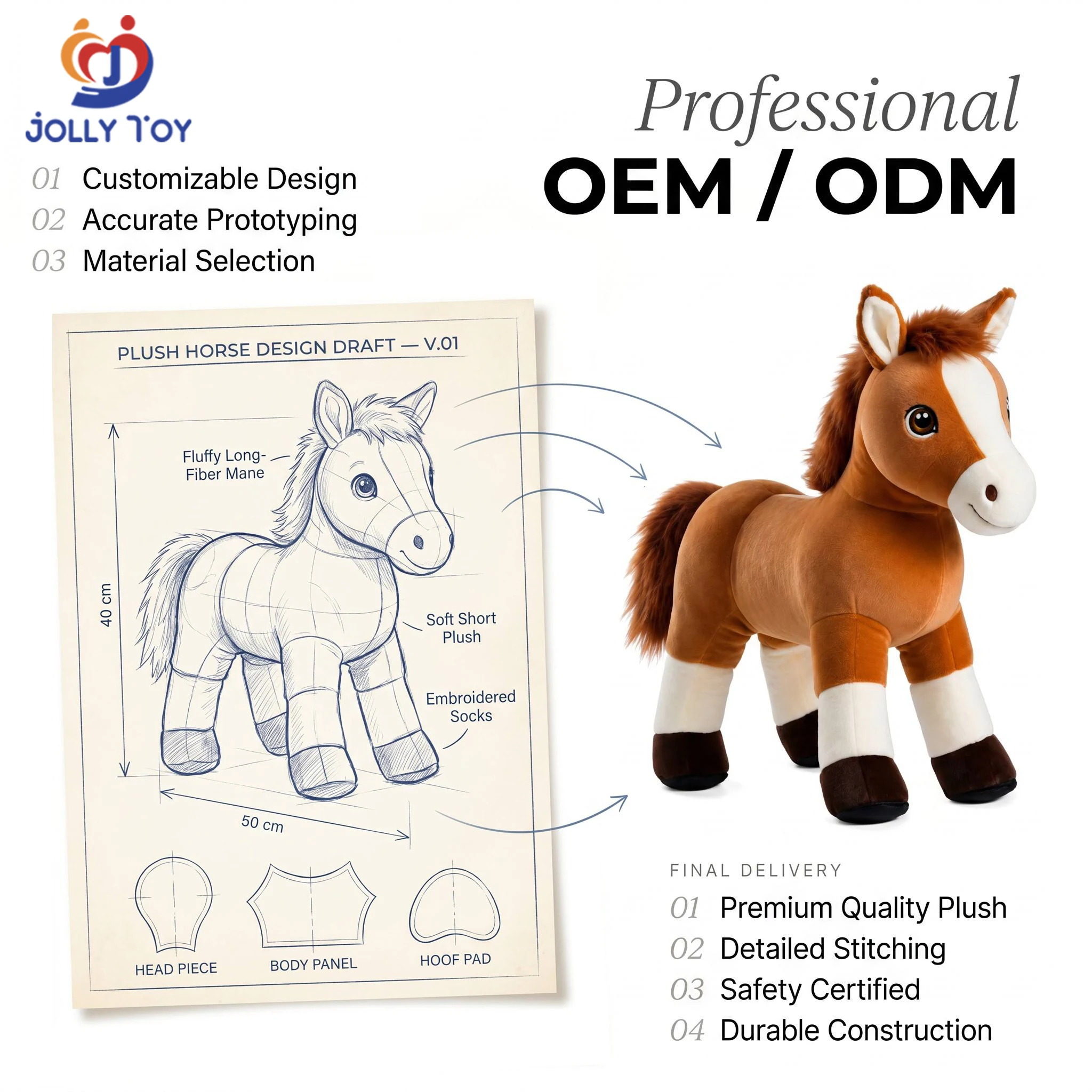
Custom crochet plush toys are unique and engaging products that appeal to various markets, from children's toys to promotional items for businesses. As a B2B buyer, you may have specific concerns regarding the quality, customization options, and production capabilities of the manufacturer. This article will help you navigate the essential factors to consider when selecting personalized plush animals for wholesale, ensuring you make informed decisions that meet your business needs.
When selecting Jolly Toy custom crochet plush toys for wholesale, several factors should inform your decision. First, consider the target market and intended use of the plush toys. Are they meant for retail, corporate gifts, or educational purposes? This will influence the design, size, and functionality of the product.
Next, evaluate the customization options available. Many manufacturers, including those with over a decade of experience, offer various designs, colors, and sizes. Ensure the supplier can accommodate your specific requirements, such as branding with your logo or unique character designs.
Quality is paramount. Look for manufacturers with recognized certifications, such as ICTI, Sedex, and BSCI, which indicate adherence to quality and social compliance standards. A strong quality control process will help ensure that the final products meet your expectations.
Lastly, consider the minimum order quantity (MOQ) and production lead times. This will help align your purchasing strategy with your inventory needs and sales forecasts.
Understanding key specifications is crucial when sourcing custom crochet plush toys. Here are some important factors to evaluate:
Materials: The choice of yarn and filling material impacts the Jolly Toy plush toy's texture, durability, and safety. Ensure that the materials used are non-toxic and compliant with safety regulations, especially for toys intended for children.
Dimensions: Precise measurements are vital. Consider how size affects the toy's usability and appeal. For example, larger plush toys may be more suitable for display while smaller versions could be more practical for children.
Stitching and Design Quality: The stitching technique can affect the custom plush maker resilience and overall appearance. High-quality embroidery or crochet techniques minimize the risk of unraveling and enhance the toy's aesthetic appeal.
Safety Compliance: Verify that the products meet relevant safety standards for toys, which may vary by market. This is especially critical for toys targeted at children, where safety regulations are stringent.
By understanding these specifications, you can better assess whether a manufacturer can meet your product requirements.
Installing custom crochet plush toys in retail environments requires careful planning to maximize visibility and appeal. Here are some tips:
Display Strategy: Determine how the plush toys will be showcased. Consider using attractive display stands or shelving that allows for easy access. Ensure that the display is engaging and encourages customers to interact with the toys.
Placement: Position the toys at eye level to attract attention. Grouping them by theme or color can enhance visual appeal and help customers make purchasing decisions.
Signage: Use clear signage to provide information about the toys, including any unique features or customization options. This can help educate customers and encourage sales.
Maintenance: Regularly inspect the display for cleanliness and organization. Ensure that toys are well-maintained, as this reflects the quality of your brand.
By implementing these strategies, you can effectively install and promote custom plush toy maker in retail settings.
While producing Jolly Toy custom crochet plush toys can be rewarding, several challenges may arise. Here are some common issues and potential solutions:
Material Sourcing: Finding high-quality, compliant materials can be difficult. Establish strong relationships with suppliers to ensure a reliable source of materials that meet your quality standards.
Design Approval Delays: Approval processes for designs can slow down production. To avoid this, provide clear and detailed specifications and visual references to minimize misunderstandings.
Production Consistency: Maintaining consistent quality across batches can be challenging. Implementing a rigorous quality control process during production will help catch issues early. Consider sampling products for quality checks before full-scale production.
Lead Time Management: Unexpected delays may occur during production, affecting delivery schedules. Communicate regularly with your manufacturer to stay informed about production timelines and any potential issues.
By anticipating these challenges and having strategies in place, you can mitigate risks associated with custom crochet plush production.
Custom crochet plush toys have diverse applications across various industries. Here are a few key markets that benefit from these products:
Retail: In retail environments, custom crochet plush toys serve as unique merchandise that can attract customers, especially in children's sections. They can be designed to align with popular themes or characters, enhancing their appeal.
Corporate Gifts: Businesses often use custom plush toys as promotional items or corporate gifts. Personalized plush toys can help strengthen brand recognition and create a memorable impression on clients.
Educational Tools: Educational institutions utilize custom crochet plush toys for teaching purposes. These toys can be designed to represent animals, characters, or concepts, making learning more engaging for children.
Event Promotions: Custom plush toys can serve as giveaways at events, trade shows, or conferences. They can effectively attract attention and create a lasting impression on attendees.
By understanding the various applications of custom crochet plush toys, you can better target your marketing efforts and product offerings to meet the needs of different industries.
In summary, selecting the right custom crochet plush toys involves understanding specifications, evaluating quality, and considering the specific needs of your target market. With the right approach, you can successfully navigate the complexities of sourcing and producing these unique products.

 EN
EN
 AR
AR
 CS
CS
 DA
DA
 NL
NL
 FI
FI
 FR
FR
 DE
DE
 EL
EL
 IT
IT
 JA
JA
 KO
KO
 NO
NO
 PL
PL
 PT
PT
 RU
RU
 ES
ES
 SV
SV
 IW
IW
 UK
UK
 TR
TR
 AF
AF
 GA
GA
 IS
IS
 LA
LA