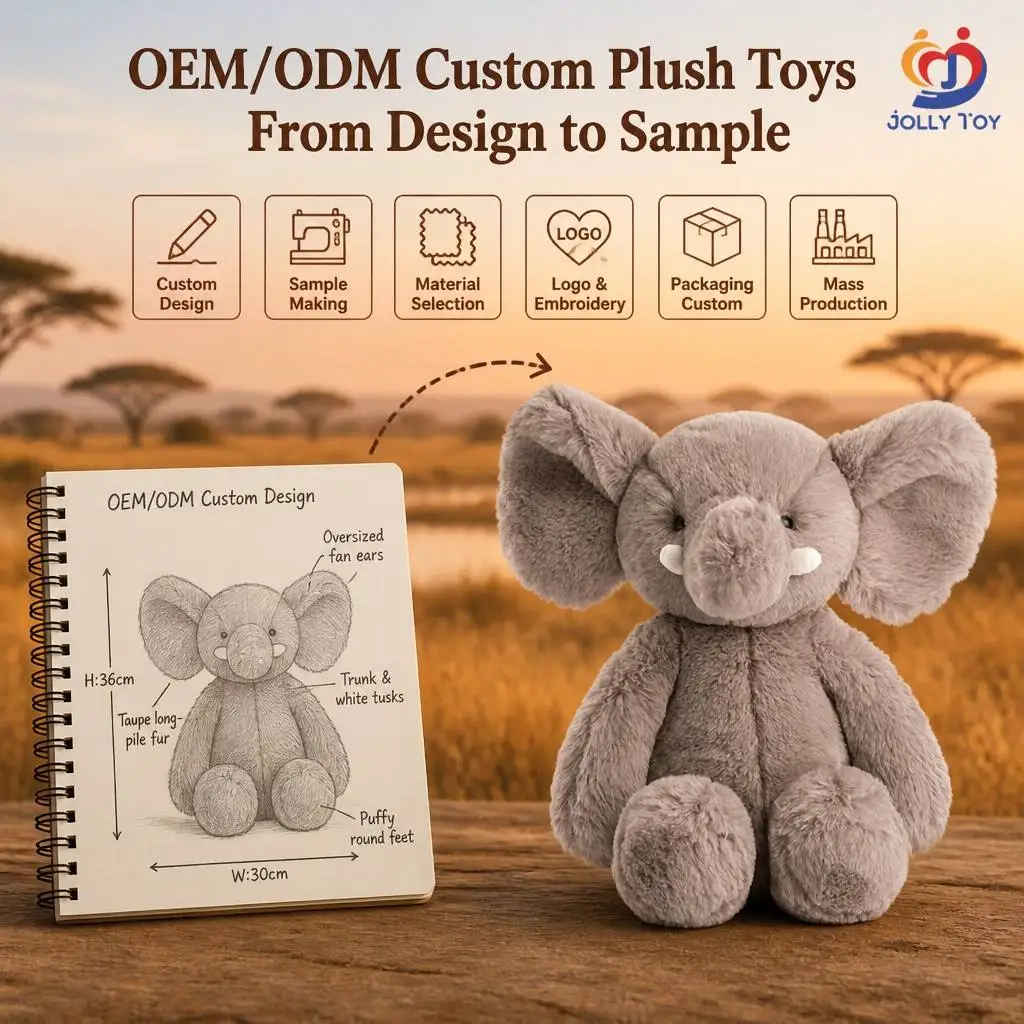
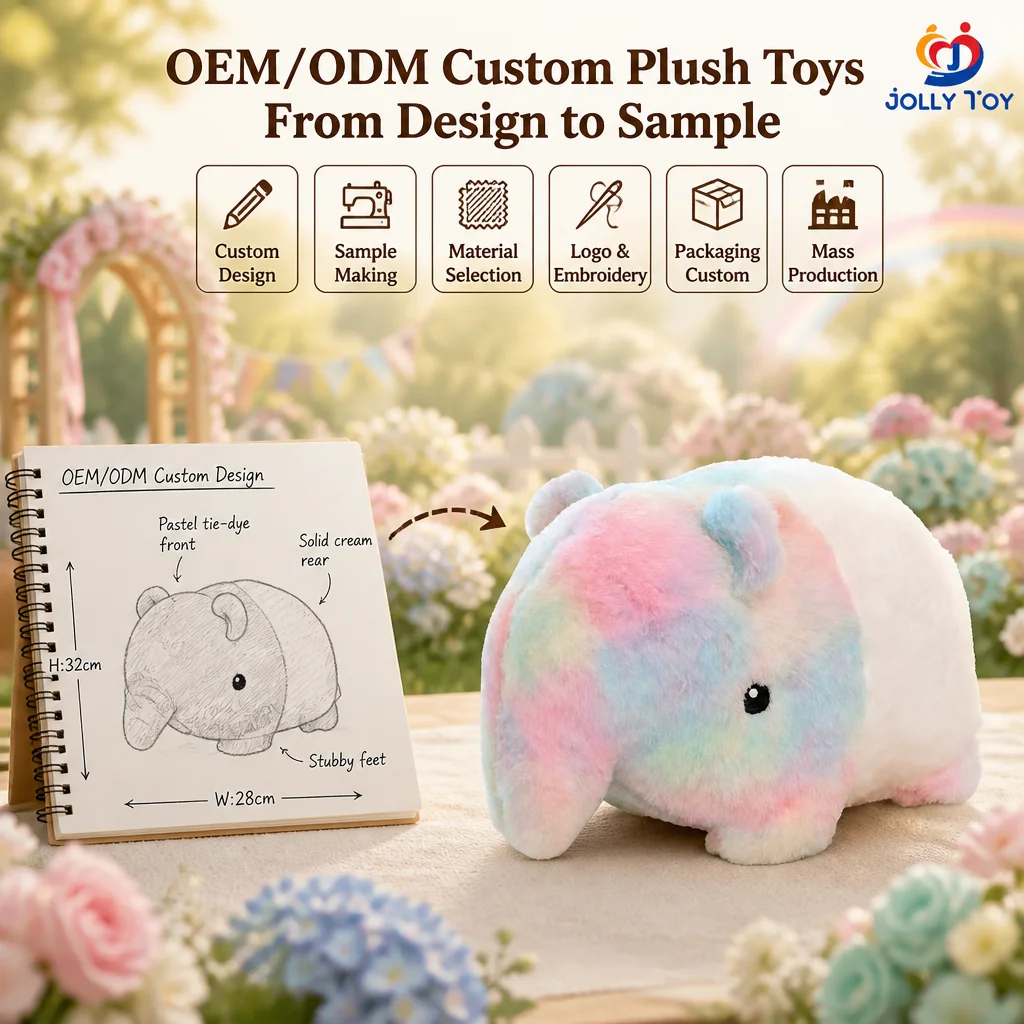
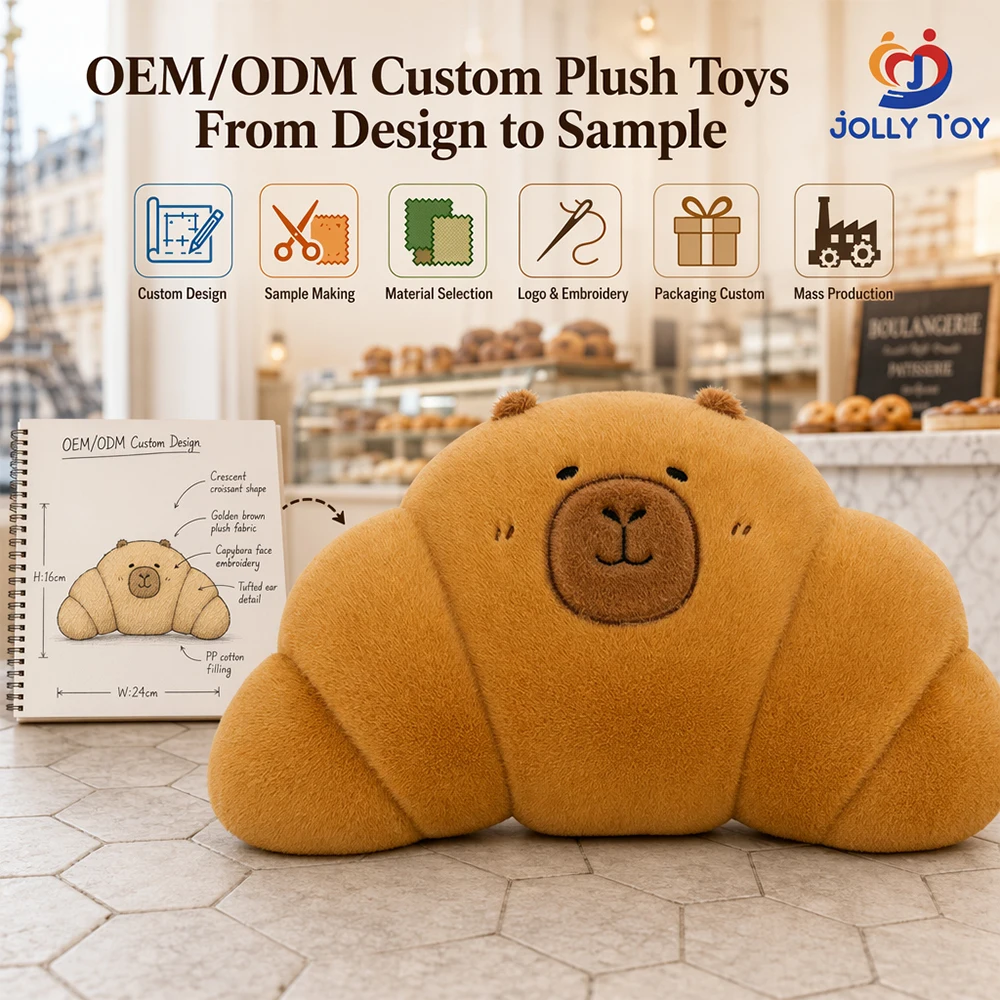
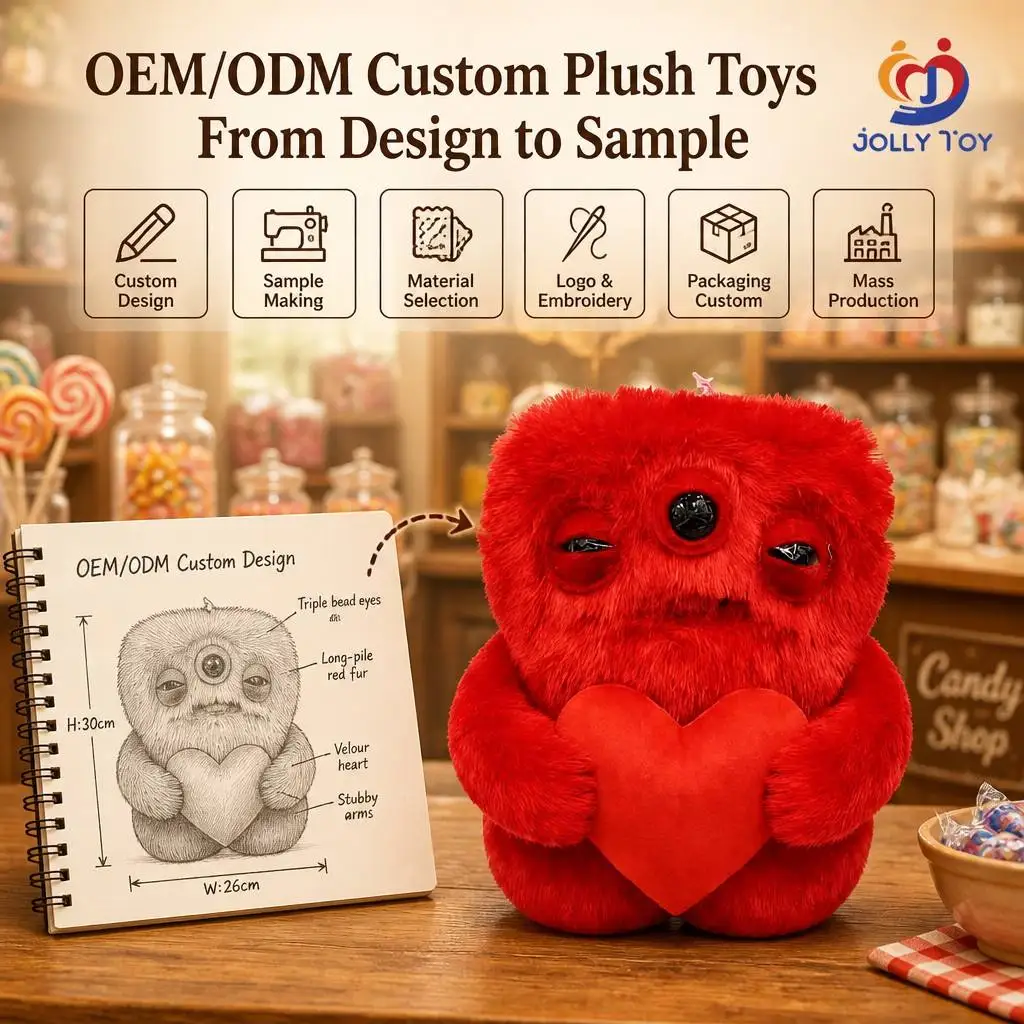
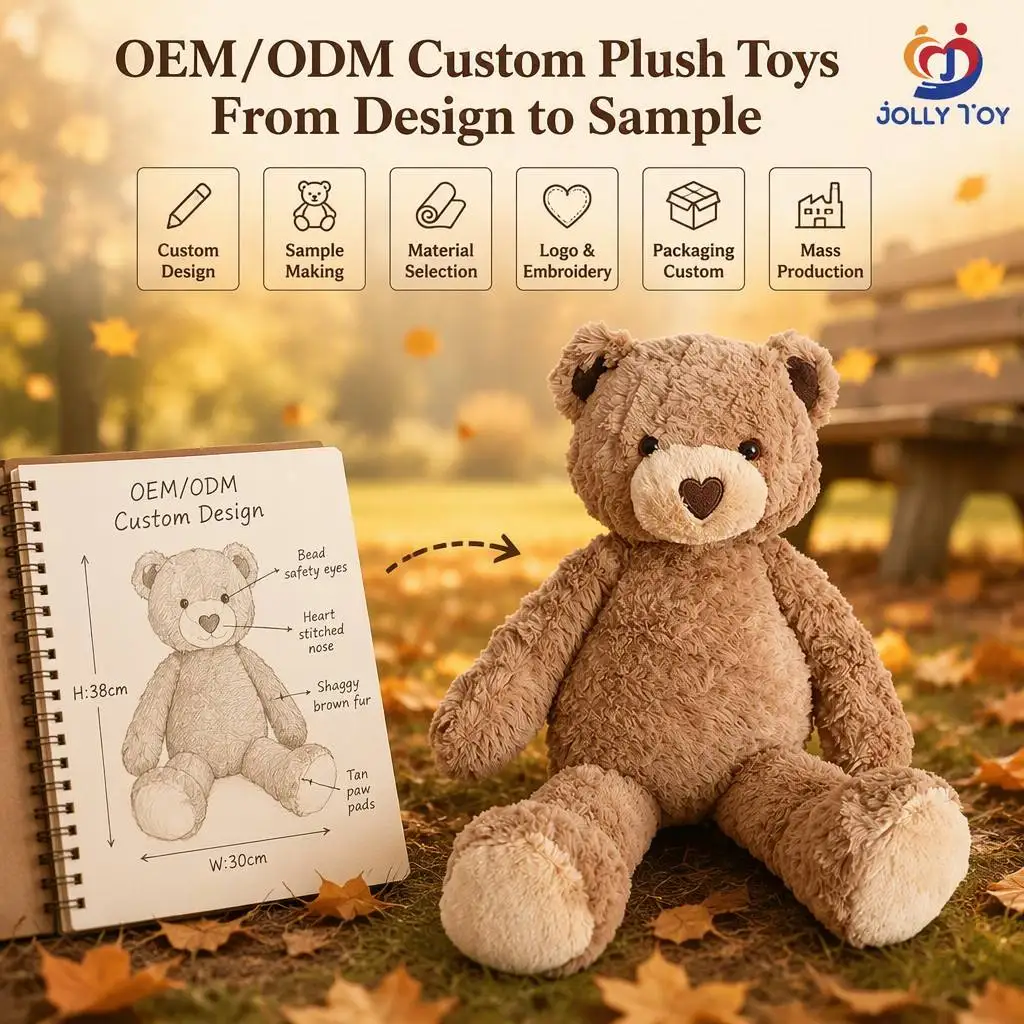
In the world of manufacturing and retail, plush toys are not just cuddly companions for children; they are also significant products in various industries, from education to branding. As a B2B buyer, selecting the right plush toy backpack involves careful consideration of quality, production capabilities, and compliance with industry standards. This article will guide you through essential factors to consider, ensuring you make informed decisions when sourcing Jolly Toy plush toys for your business.
Choosing the right plush toy supplier is critical for the success of your business. Start by assessing the supplier's manufacturing capabilities. A reliable supplier should have advanced machinery for sewing, cutting, embroidery, and injection molding. For instance, a company with over 10 years of experience and a production capacity of 800,000 pieces annually is likely to meet large-scale demands while maintaining quality.
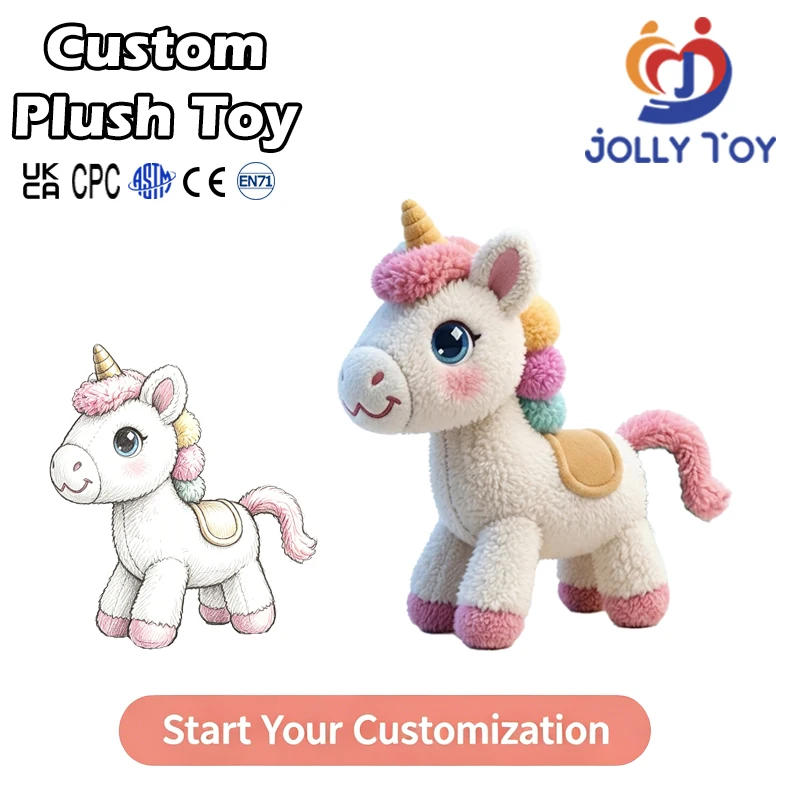
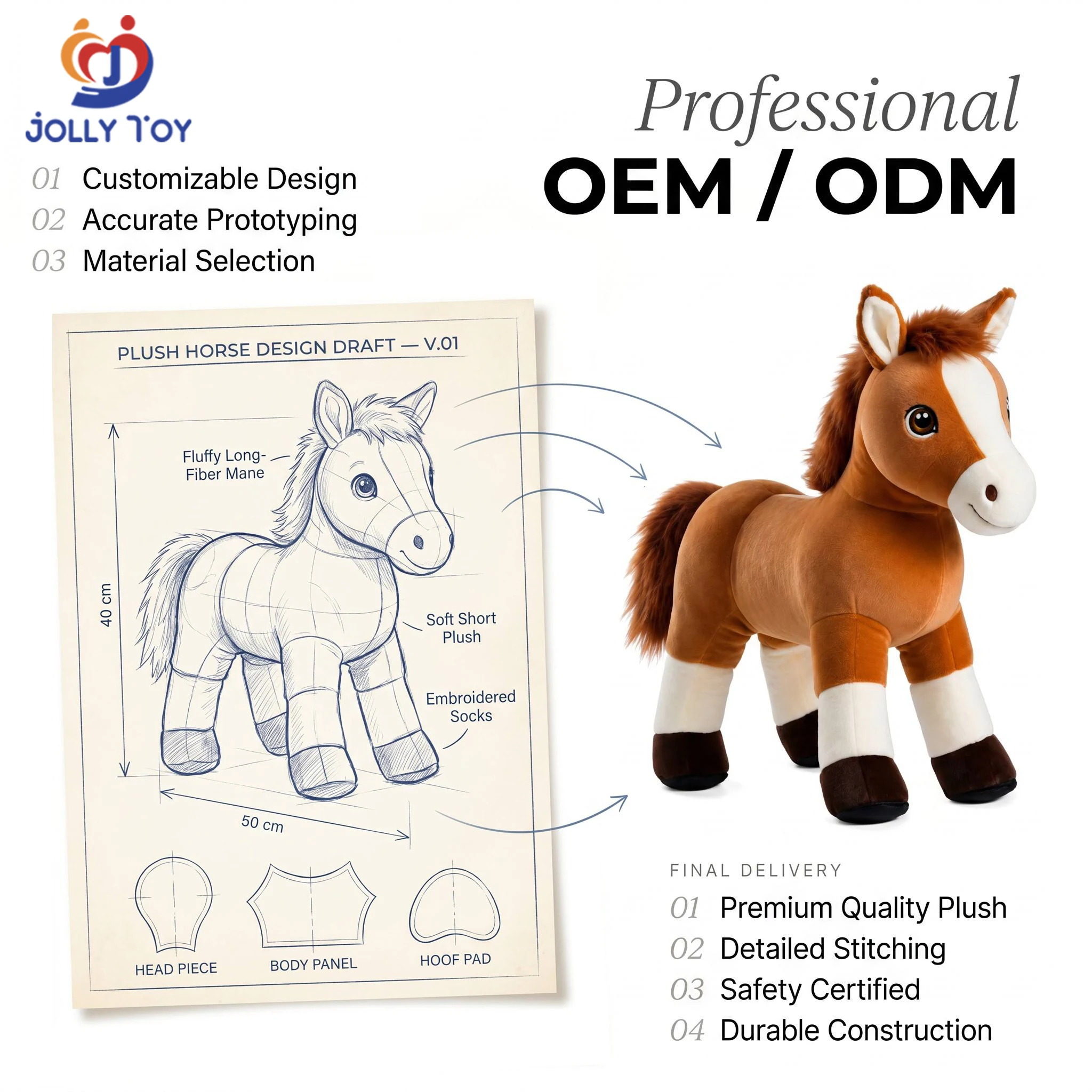
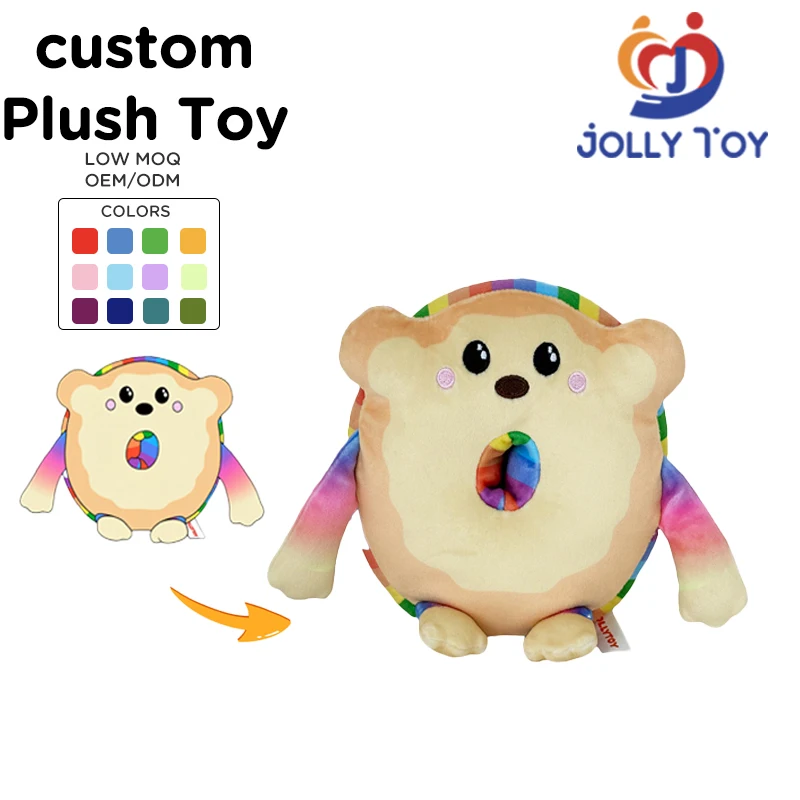
Check the certifications held by the supplier, such as ICTI, Sedex, and BSCI, which indicate compliance with ethical manufacturing practices and quality control standards. Additionally, consider their customization capabilities. A supplier should be able to create bespoke designs tailored to your market needs, ensuring that your keychain plush toy resonate with your target audience.
Finally, request sample products and conduct quality inspections before finalizing any agreements. This step allows you to evaluate the plush toys' craftsmanship and material quality, ensuring they meet your expectations.
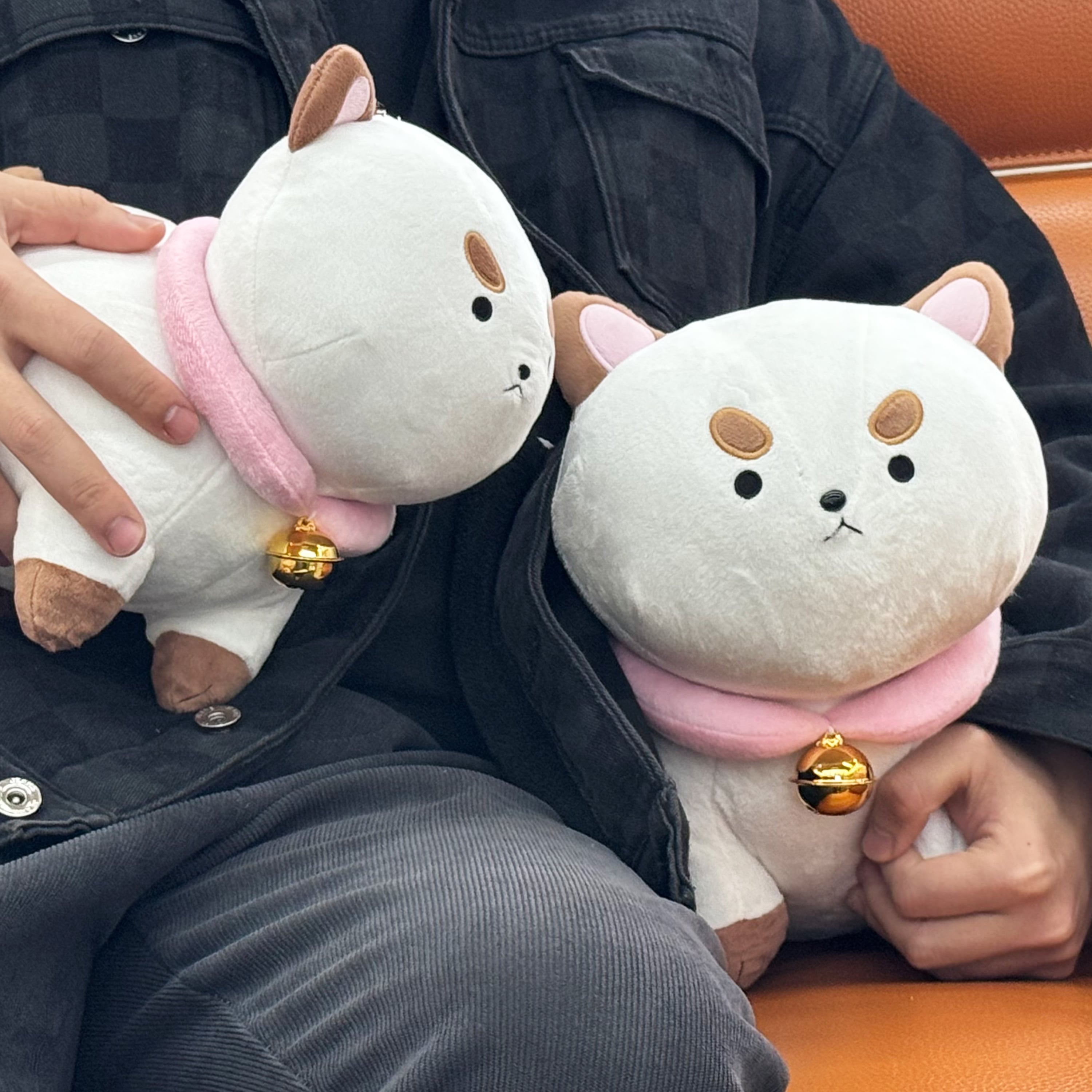
When sourcing plush toys, several specifications are crucial to ensuring product quality and safety. First, assess the materials used in production. Plush toys should be made from non-toxic, durable fabrics that can withstand wear and tear, especially if they are intended for children. Common materials include polyester, cotton, and various blends that provide both softness and durability.
Next, consider the dimensions and weight of the toys. These factors affect how the toys are perceived by consumers and can influence shipping costs. Ensure that the sizes align with market expectations and safety standards, particularly for toys meant for younger children.
Finally, evaluate the manufacturing processes involved. A supplier should have robust quality control measures in place throughout the production process. This includes testing for safety standards, such as flammability and choking hazards, to ensure that the personalized plush toys are safe for their intended audience.
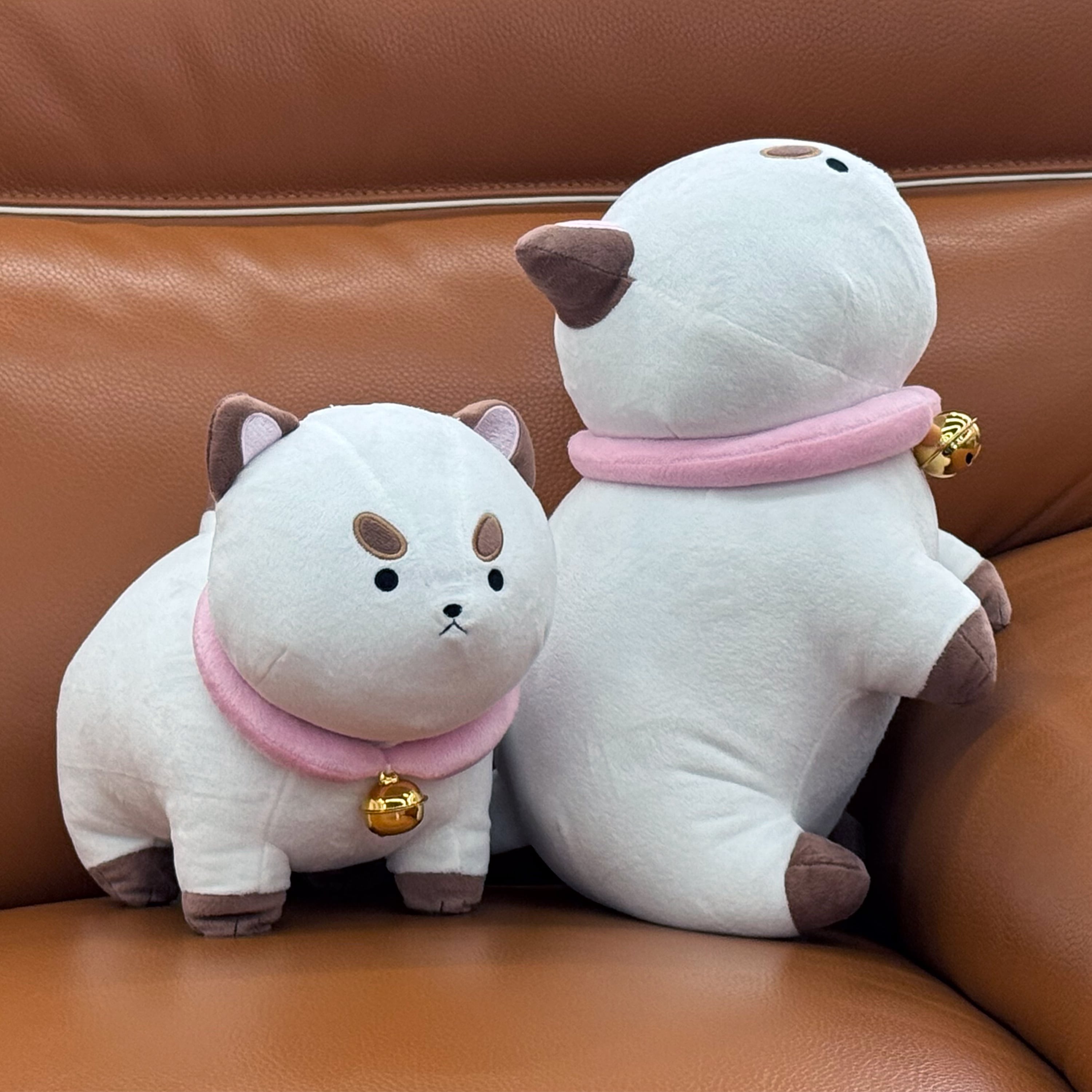
Several common issues can arise when dealing with Jolly Toy plush toys, and understanding these can help you mitigate risks. One frequent problem is the inconsistency in quality between production batches. This can occur if a supplier does not maintain stringent quality control processes. To address this, ensure that the supplier conducts regular inspections and maintains detailed records of production quality.
Another issue is the potential for hazardous materials being used in production. Buyers should request documentation confirming that all materials meet safety standards. Additionally, it’s wise to conduct random testing of samples to ensure compliance with relevant regulations.
Lastly, the durability of the plush toys can be a concern, especially for toys intended for intensive use. Look for suppliers who utilize robust sewing techniques and high-quality materials to enhance the lifespan of their products. Engaging in thorough discussions about production methods can also help you identify potential weaknesses and agree on measures to counteract them.
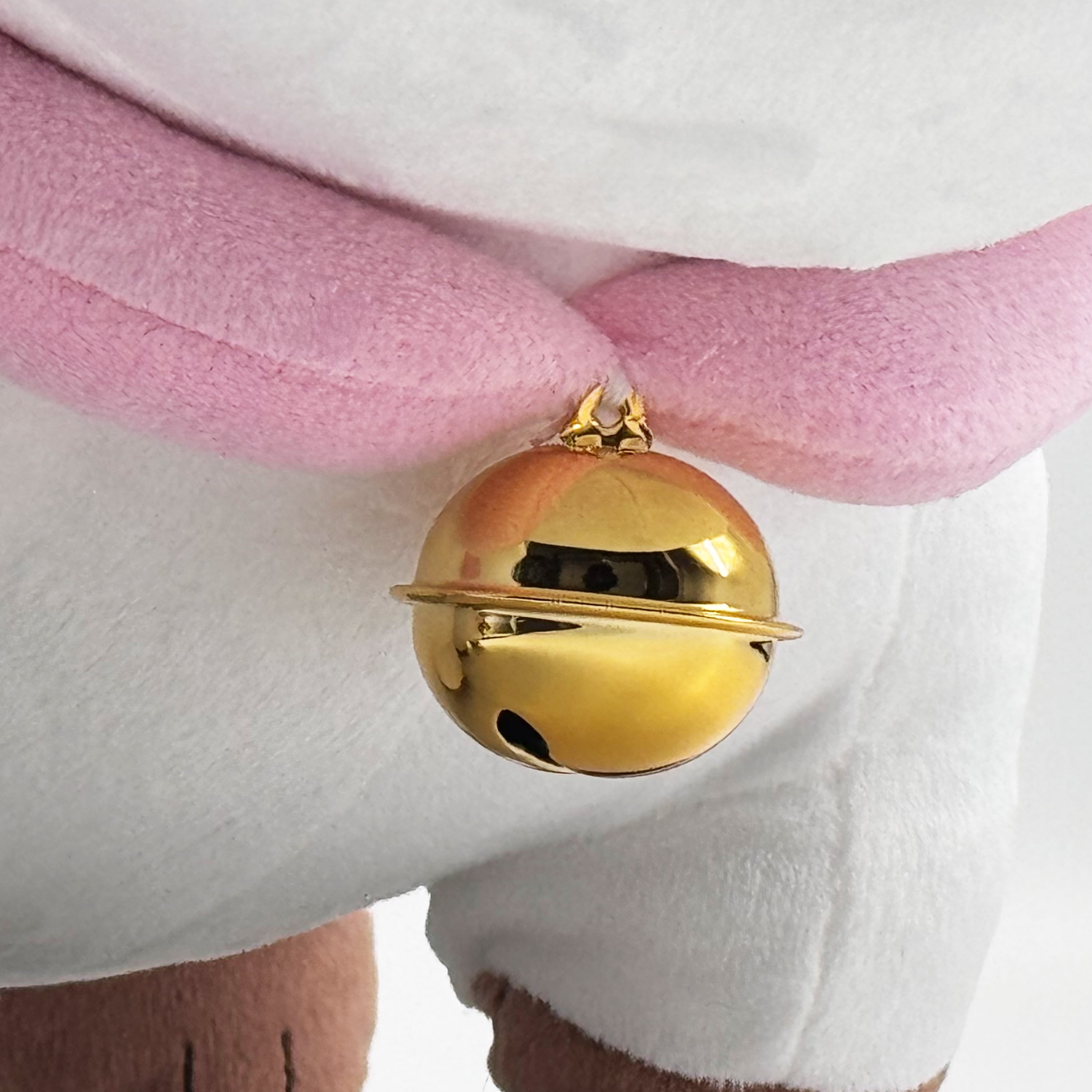
Understanding the cost factors associated with wholesale Jolly Toy plush toy purchases is essential for budget management. The primary cost components include material costs, labor, manufacturing processes, and shipping. Materials can significantly influence the final price, with organic or sustainably sourced fabrics typically costing more.
Labor costs vary depending on the supplier's location and the complexity of the designs. For instance, intricate embroidery or custom designs may require more skilled labor and, consequently, higher costs. Additionally, consider the production lead time. Suppliers with advanced machinery may offer quicker turnaround times, impacting overall costs.
Shipping is another crucial factor. Be aware of the shipping methods and associated fees, especially if importing toys from overseas. Discussing these costs upfront can help you avoid surprises and make informed decisions when comparing suppliers.
Plush toys serve multiple purposes across various industries beyond just being playthings. In the educational sector, they are often used as teaching aids, helping to create engaging learning environments for young children. Many educational institutions incorporate plush toys to foster emotional development and social skills.
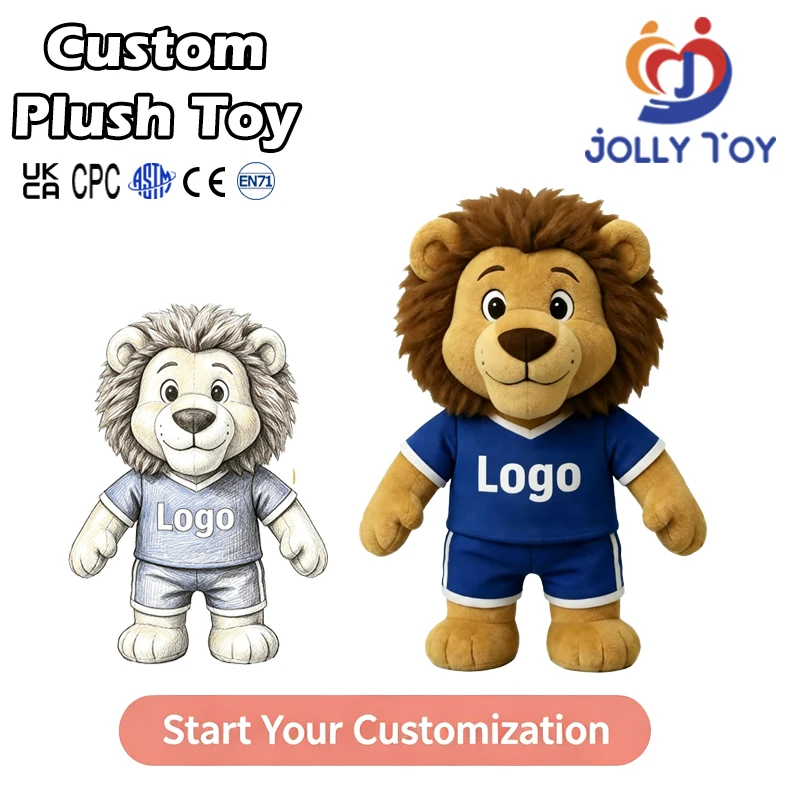
In the marketing and branding arena, companies utilize plush toys as promotional items. Customized plush toys featuring brand logos or mascots can enhance brand recognition and customer loyalty. Businesses can also leverage plush toys in corporate gifting or as incentives for customers.
Furthermore, plush toys are increasingly being integrated into healthcare settings, where they provide comfort to patients, particularly children undergoing medical treatments. This application highlights the versatility of plush toys and their potential for various markets.
By understanding these applications, you can align your product offerings with market demands and explore new opportunities for growth.
This article provides a comprehensive overview of the essential aspects of sourcing plush toys for your business. By carefully considering the factors outlined, you can make informed decisions that align with your purchasing strategies and market needs.

 EN
EN
 AR
AR
 CS
CS
 DA
DA
 NL
NL
 FI
FI
 FR
FR
 DE
DE
 EL
EL
 IT
IT
 JA
JA
 KO
KO
 NO
NO
 PL
PL
 PT
PT
 RU
RU
 ES
ES
 SV
SV
 IW
IW
 UK
UK
 TR
TR
 AF
AF
 GA
GA
 IS
IS
 LA
LA