
 EN
EN
 AR
AR
 CS
CS
 DA
DA
 NL
NL
 FI
FI
 FR
FR
 DE
DE
 EL
EL
 IT
IT
 JA
JA
 KO
KO
 NO
NO
 PL
PL
 PT
PT
 RU
RU
 ES
ES
 SV
SV
 IW
IW
 UK
UK
 TR
TR
 AF
AF
 GA
GA
 IS
IS
 LA
LA
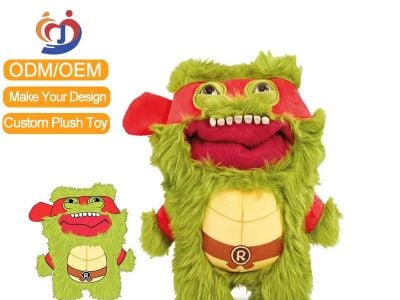
Custom blind box toys are becoming a powerful tool for modern retail brands looking to enhance customer engagement. These collectibles not only attract attention but also create a memorable shopping experience that encourages repeat business. For purchasing managers and product managers, understanding how custom blind box toys can be utilized effectively is crucial. This article will explore the various ways retail brands leverage these toys to foster customer loyalty, the quality standards in their manufacturing, and the common challenges faced when implementing such solutions.
How Custom Blind Box Toys Enhance Retail Customer Engagement?
Custom blind box toys create excitement and anticipation among consumers. By packaging these blind box toys in a way that keeps their contents hidden, brands can turn the unboxing experience into a game. This element of surprise is particularly appealing to younger consumers and collectors, fostering a sense of community around the products. Retailers can encourage social sharing by prompting customers to share their unboxing experiences on social media, generating organic buzz and enhancing brand visibility.
From a purchasing perspective, brands can also tailor these toys to align with their marketing campaigns, seasonal launches, or character franchises, allowing for targeted promotions. With the right design and branding, these products can create a unique identity and establish a deeper emotional connection with customers, driving repeat purchases.
Evaluating Quality Standards in Custom Blind Box Toy Manufacturing
Quality standards are critical when it comes to manufacturing custom blind box toys. Retail brands should seek suppliers with recognized certifications such as ICTI, Sedex, and BSCI, which indicate compliance with ethical labor practices and manufacturing quality. These certifications not only ensure product safety but also enhance brand reputation.
In the manufacturing process, it’s essential to evaluate materials used in the toys, as they directly affect durability and safety. For example, plush toys should be made from non-toxic, hypoallergenic fabrics, while plastic cute blind boxes should meet relevant safety standards to avoid harmful chemicals. Buyers should request detailed information about material sourcing and compliance with safety regulations to avoid potential liabilities and ensure customer satisfaction.
Where to Find Reliable Suppliers of Custom Blind Box Toys?
Finding a reliable supplier for custom blind box toys involves thorough research and evaluation. Start by looking for manufacturers with a proven track record in the toy industry. Factors to consider include their production capacity, customization capabilities, and certifications. Suppliers who have been in the industry for a significant time, like our company with over 10 years of experience, often have established processes for quality control and compliance.
Engage with potential suppliers by asking for samples of their products to assess quality firsthand. When evaluating suppliers, consider their communication responsiveness and willingness to accommodate specific requirements, such as minimum order quantities (MOQ) and lead times. Establishing a solid relationship with the manufacturer is essential for long-term success and product consistency.
Technical Specifications of Custom Blind Box Toys for Retail Success
Custom blind box toys come with several technical specifications that can significantly impact their success in the market. Key factors include dimensions, weight, materials, and design features, which should be aligned with the target demographic's preferences. For instance, if the toys are designed for younger children, they must adhere to safety standards regarding choking hazards and be made from durable materials that withstand rough handling.
Moreover, the packaging plays a vital role in the product's appeal. The design should be visually attractive while also ensuring the toys are securely packaged to prevent damage during shipping. Retailers should consider how the packaging can be designed for easy display in stores, as an eye-catching presentation can draw in customers.
Common Challenges When Implementing Custom Blind Box Toys Solutions
Implementing custom blind box toys can come with various challenges that purchasing managers must navigate. One common issue is ensuring consistent quality across large production runs. Variability can occur due to differences in materials or manufacturing processes, which can affect the end product. Buyers should insist on pre-production samples to confirm quality and design before full-scale production.
Another challenge is managing inventory effectively. Because blind box toys are often sold as part of a series, retailers need to balance the production of different characters or designs to meet demand without overproducing. Working closely with suppliers to analyze sales data and trends can help in making informed decisions about inventory levels.
Lastly, marketing these toys requires creativity to maintain consumer interest. Retailers should regularly update their offerings and consider collaborations with popular franchises or influencers to keep the product line fresh and engaging.
By understanding how to effectively use custom blind box toys, ensuring quality, and navigating common challenges, retail brands can significantly enhance customer engagement and loyalty. This strategic approach not only elevates the brand experience but also drives repeat business in a competitive market.
Table of Contents
- How Custom Blind Box Toys Enhance Retail Customer Engagement?
- Evaluating Quality Standards in Custom Blind Box Toy Manufacturing
- Where to Find Reliable Suppliers of Custom Blind Box Toys?
- Technical Specifications of Custom Blind Box Toys for Retail Success
- Common Challenges When Implementing Custom Blind Box Toys Solutions

