
 EN
EN
 AR
AR
 CS
CS
 DA
DA
 NL
NL
 FI
FI
 FR
FR
 DE
DE
 EL
EL
 IT
IT
 JA
JA
 KO
KO
 NO
NO
 PL
PL
 PT
PT
 RU
RU
 ES
ES
 SV
SV
 IW
IW
 UK
UK
 TR
TR
 AF
AF
 GA
GA
 IS
IS
 LA
LA
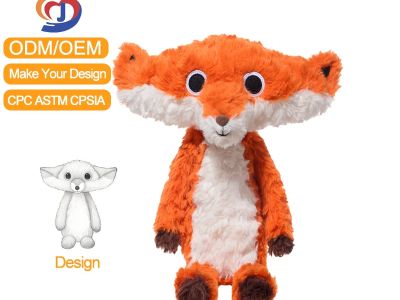
In the competitive landscape of toy manufacturing, ensuring the highest standards of quality control and testing is essential for producing safe, durable, and appealing products. This article explores how a professional toy manufacturer manages quality control and testing, addressing key concerns for B2B buyers such as safety compliance, material selection, and reliable manufacturing processes. By understanding these elements, purchasing managers and product developers can make informed decisions that align with their operational needs and market demands.
What to Look for in Quality Control for Toy Manufacturing?
Quality control in toy manufacturing encompasses various processes designed to ensure that products meet safety, performance, and aesthetic standards. A robust quality control system will typically include:
Incoming Material Inspection: Before production begins, raw materials should be tested for compliance with safety standards and specifications. This ensures that materials used in toys are free from harmful substances and suitable for the intended age group.
In-Process Quality Checks: Regular inspections during manufacturing help identify defects early in the production process. This includes monitoring machine calibration, production speed, and worker operation methods to ensure consistent output quality.
Final Product Testing: Once production is complete, toy manufacturer should undergo rigorous testing for durability, safety, and functionality. This often involves simulating real-world usage to identify potential failure points.
By maintaining a stringent quality control process, manufacturers can reduce defects, ensure compliance with safety regulations, and enhance customer satisfaction.
Choosing Reliable Suppliers for Bulk Toy Orders
Selecting the right supplier is critical for ensuring quality and compliance in bulk toy orders. Key factors to consider include:
Certifications and Compliance: Ensure that potential suppliers hold relevant certifications, such as ICTI, Sedex, and BSCI. These demonstrate adherence to ethical manufacturing practices and compliance with international safety standards.
Production Capabilities: Assess the supplier’s manufacturing capabilities, including machinery, workforce qualifications, and production capacity. A reliable supplier should have advanced equipment for sewing, cutting, embroidery, and injection molding, enabling them to produce high-quality toys efficiently.
Reputation and References: Research the supplier's reputation in the industry. Request references from other clients to gauge their experience regarding quality, lead times, and service.
Flexibility and Customization: Look for suppliers willing to accommodate specific requirements, such as material choices, design alterations, and packaging preferences. A flexible supplier can better meet unique project needs.
By carefully evaluating these factors, businesses can establish partnerships with suppliers that prioritize quality and reliability.
What Are the Key Specifications in Toy Quality Assurance?
Understanding key specifications in toy quality assurance is vital for ensuring that products are safe and suitable for their intended market. Important specifications to consider include:
Material Safety: The materials used in toy production must comply with safety standards, such as EN71 or ASTM F963. This includes assessing the toxicity of plastics, paints, and other components.
Dimensional Accuracy: Toys should meet specific size and weight specifications to ensure they are safe for the target age group. For example, small parts must be avoided in toys designed for young children to prevent choking hazards.
Durability and Performance: Toys must be tested for their ability to withstand regular use without breaking or becoming unsafe. This includes evaluating resistance to wear and tear, as well as ensuring that components remain securely attached.
Age Appropriateness: Each toy manufacturing companies should be labeled with age recommendations based on its features and safety considerations. This helps ensure that the end-user can safely enjoy the product.
By confirming these specifications during the manufacturing process, manufacturers can reduce the risk of product recalls and enhance consumer trust.
Where to Find Quality Assurance Information for Toy Products?
Quality assurance information for toy products can be sourced from several key resources:
Industry Standards Organizations: Organizations like ASTM International and the European Committee for Standardization (CEN) provide guidelines for toy safety and quality assurance. Their publications outline testing methods and safety criteria.
Supplier Documentation: Reputable toy manufacturers should provide documentation detailing quality assurance processes, material safety data sheets (MSDS), and compliance certificates. This information is crucial for verifying that products meet regulatory requirements.
Regulatory Bodies: National and regional regulatory bodies, such as the Consumer Product Safety Commission (CPSC) in the U.S. and the European Commission, publish safety guidelines and regulations that toy manufacturers must follow.
Trade Associations: Membership in industry trade associations can provide access to resources, workshops, and seminars focused on quality assurance in toy manufacturing.
By utilizing these resources, buyers can gain insights into the quality assurance practices that ensure product safety and compliance.
How to Evaluate Material Quality in Toy Manufacturing?
Evaluating material quality in toy manufacturing involves assessing several critical factors:
Material Composition: Understanding the chemical composition of materials is essential for ensuring safety. Buyers should request detailed specifications and test results to confirm that materials are free from toxic substances such as phthalates or heavy metals.
Performance Characteristics: Evaluate how materials perform under various conditions. For instance, plastics used in toys should exhibit good impact resistance and flexibility to prevent breakage during use.
Certifications and Testing Results: Request documentation regarding material certifications and third-party testing results. This information can provide assurance that the materials meet industry safety standards.
Supplier Transparency: A trustworthy manufacturer will be open about their sourcing practices and the quality checks performed on materials. Transparency can indicate a commitment to maintaining high standards.
By conducting thorough evaluations of material quality, businesses can ensure that the custom toy manufacturer produced are both safe and durable, ultimately protecting their brand reputation and consumer trust.

