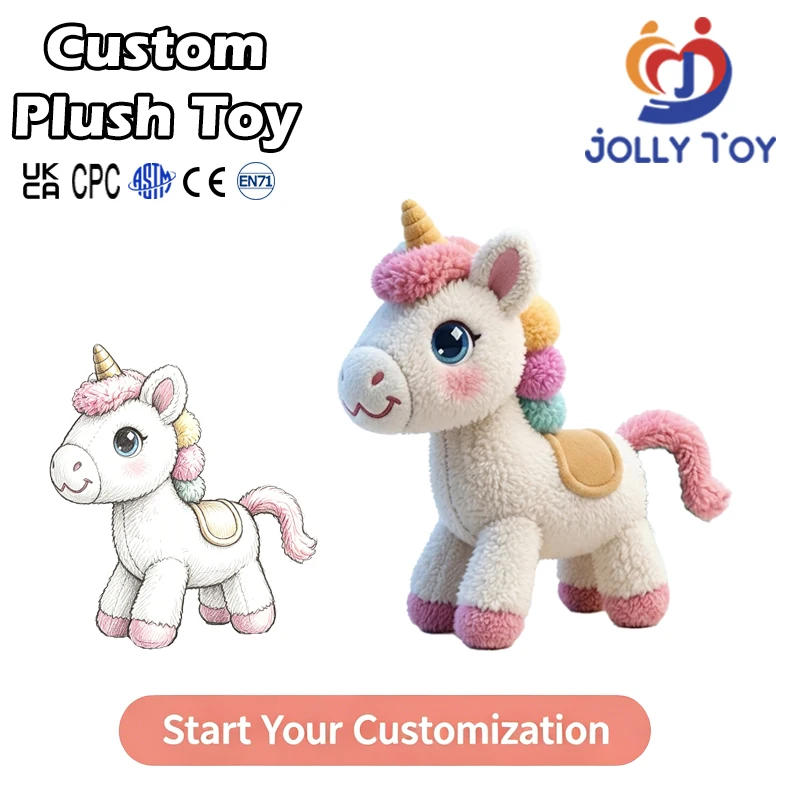
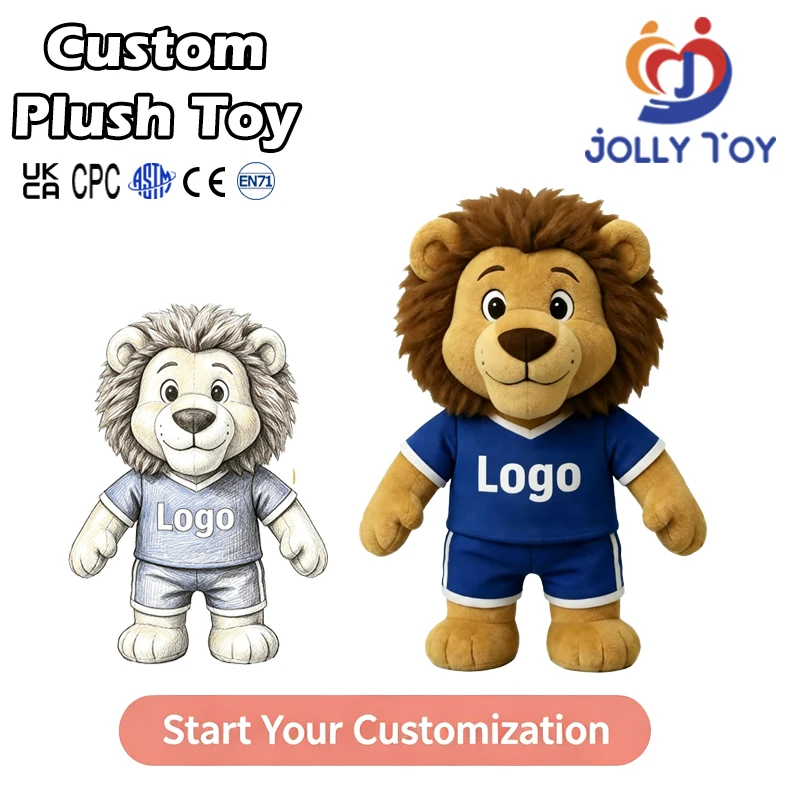
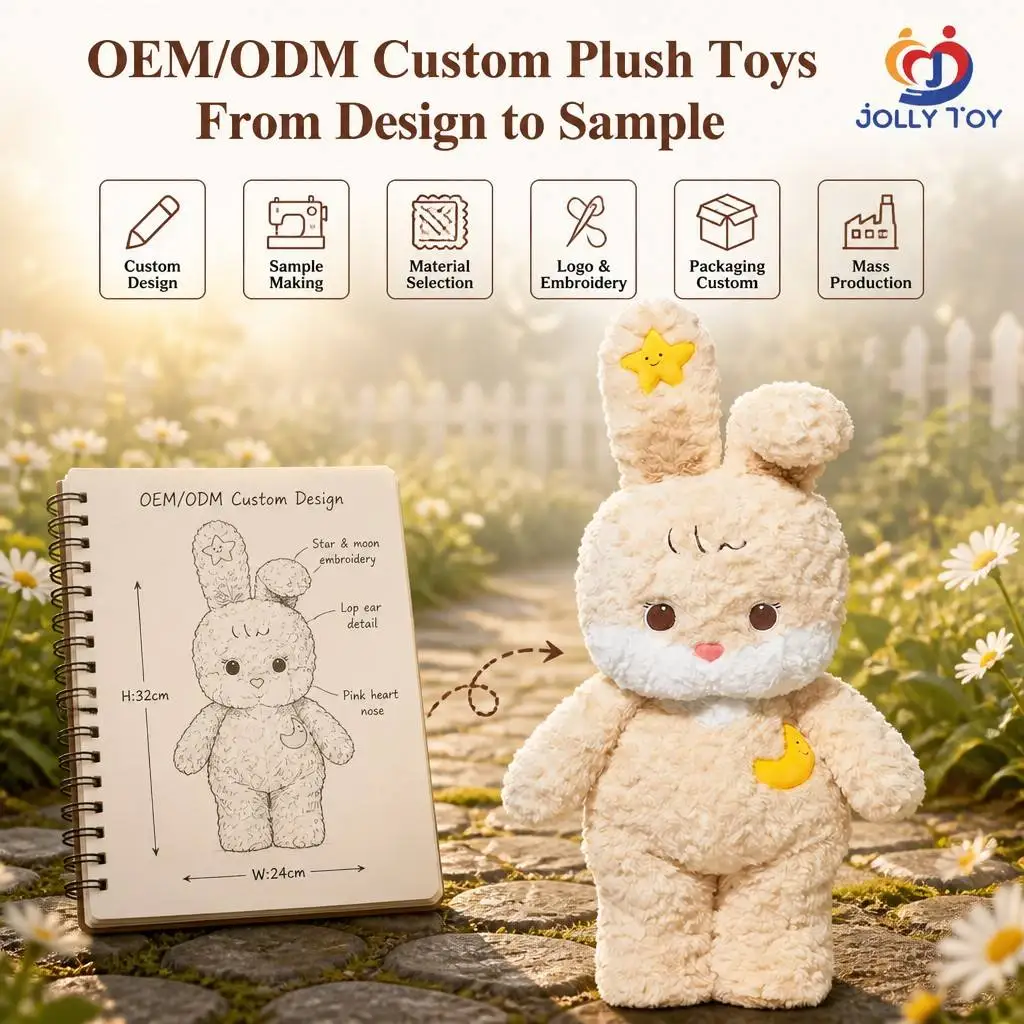
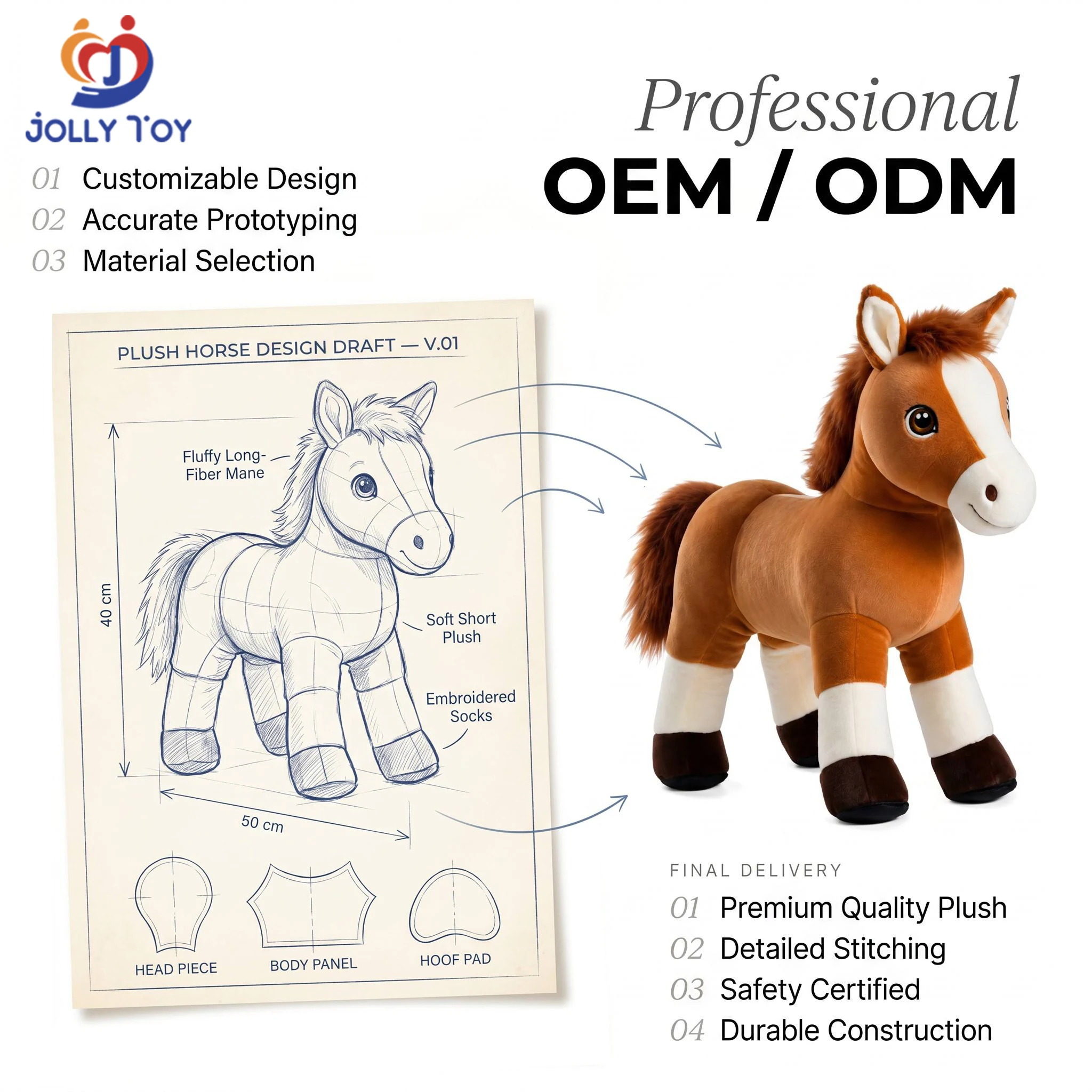
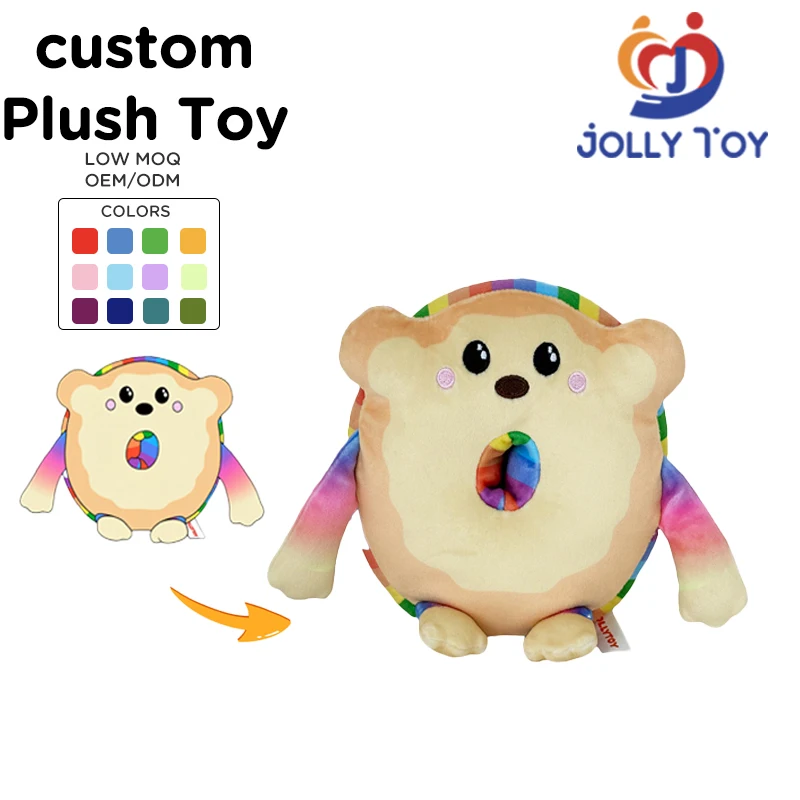
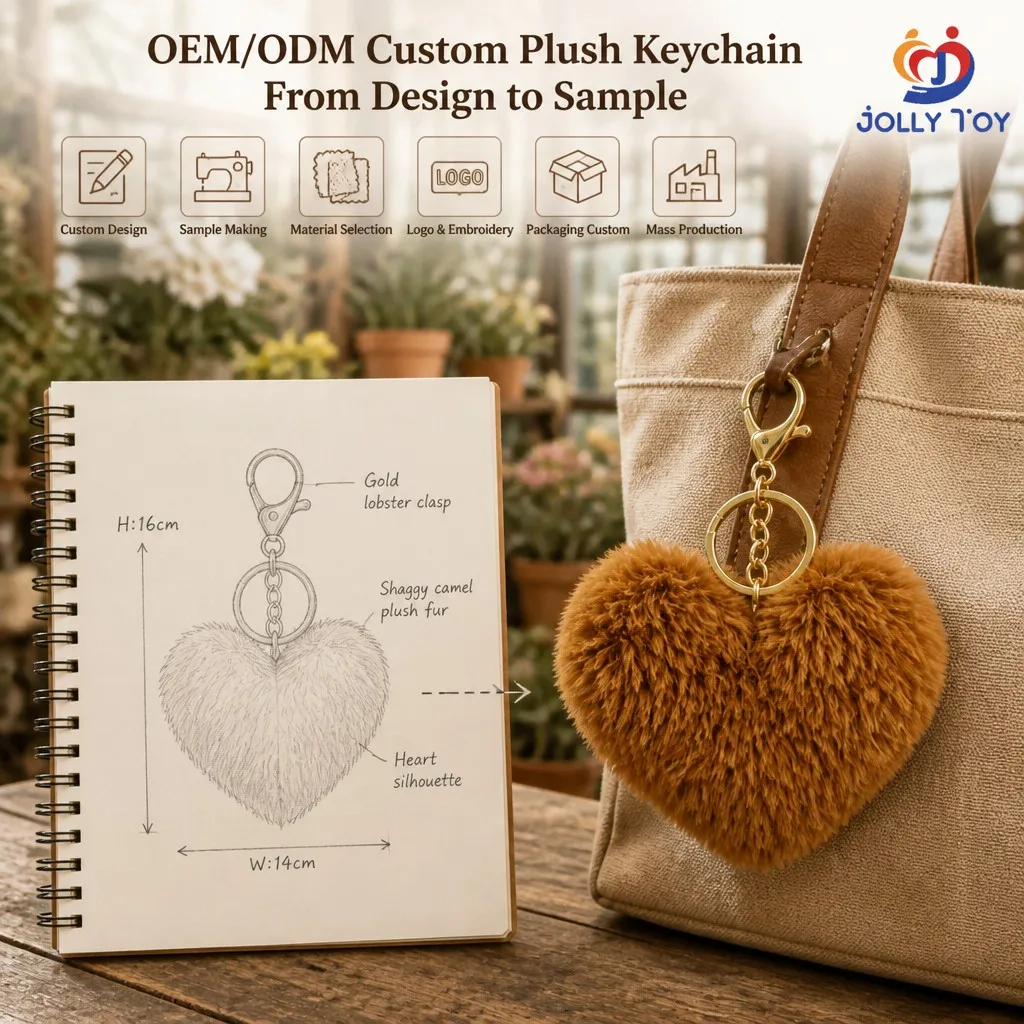
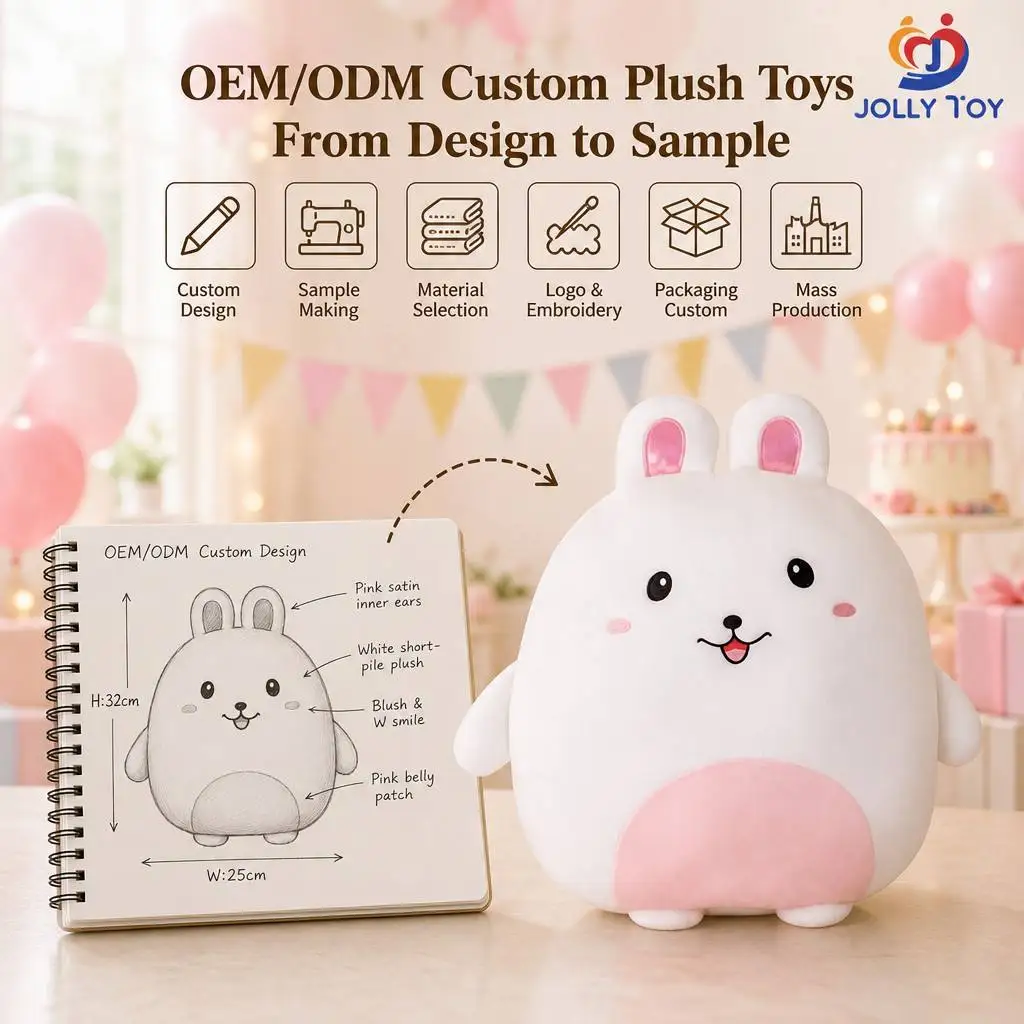
Cute plushies are more than just adorable toys; they serve as cherished companions for children and adults alike. As a B2B buyer, whether you are a purchasing manager, distributor, or product manager, understanding the intricacies of plush toy production is crucial. This article will address key specifications, material considerations, cost factors, safety guidelines, and how to find reliable suppliers for cute Plush Toys in bulk.
When evaluating plush toys, several specifications are essential to ensure product quality and safety. Key factors include:
Material Composition: The fabric used should not only be soft and appealing but also durable. Common materials include polyester, cotton, and specialty blends that enhance texture and longevity
Size and Dimensions: Plush toys come in various sizes, which can affect their marketability. Standard measurements should be confirmed to align with consumer expectations
Stitch Quality: High-quality stitching prevents seams from unraveling, which is crucial for safety. A robust seam allows the soft toys to withstand repeated use, reducing returns due to defects
Safety Features: Ensure that the plush toys are free from small parts that can pose choking hazards, especially for children under three years old. Certifications for safety standards, such as EN71 or ASTM F963, can verify compliance
Production Capacity: With an annual capacity of 800,000 pieces, understanding your supplier’s production capabilities is important for planning orders, especially during peak seasons
These specifications guide buyers in selecting products that meet their quality and safety standards while ensuring they resonate with market demands.
The choice of materials in plush toy production significantly impacts both comfort and Durability. Here are some common materials and their advantages:
Polyester: This synthetic fabric is popular due to its affordability and resistance to shrinking and wrinkling. It is easy to clean, making it suitable for plush toys
Cotton: Known for its softness and Breathability, cotton plushies are favored for their natural feel. However, they may not be as durable as synthetic options
Recycled Materials: Eco-conscious consumers are increasingly looking for plush toys made from recycled materials. This trend not only addresses sustainability but can also enhance brand reputation
Embellishments: Consider using safe embellishments, such as embroidery or safe plastic eyes, to enhance the toy's aesthetic appeal while ensuring they comply with safety standards
Choosing the right material helps in aligning with customer preferences and regulatory requirements, thereby influencing purchase decisions.
When planning a bulk order of cute plushies, several cost factors should be analyzed:
Material Costs: Prices can vary significantly based on the type and quality of materials chosen. Synthetic materials are typically cheaper than natural fibers but may have different market implications
Production Techniques: Advanced manufacturing processes such as embroidery and injection molding can increase costs but may also enhance product appeal and durability
Customization Options: Customized designs or features will incur additional charges. Discussing these options upfront can help manage expectations regarding lead times and pricing
Order Quantity: Bulk orders often lead to reduced prices per unit due to economies of scale. Understanding the minimum order quantity (MOQ) is essential for budgeting
Shipping Costs: Factor in shipping logistics, especially if importing products from overseas. Tariffs and international shipping fees can significantly impact overall expenses
By thoroughly analyzing these cost factors, buyers can better plan their budgets and negotiate effectively with suppliers.
Safety is paramount in plush toy production, particularly for items intended for children. Here are vital safety considerations:
Material Safety: Ensure that all materials used in plush toys are non-toxic and free from harmful chemicals. Compliance with safety standards like EN71 or ASTM F963 provides assurance of material safety
Quality Control: Implement quality control measures throughout the manufacturing process. Regular inspections can identify potential defects before products reach the market
Testing Protocols: Before mass production, conducting safety tests on samples is crucial. These tests should evaluate strength, flammability, and choking hazards
User Instructions: Provide clear care and safety instructions with each personalized stuffed toy, guiding end-users on proper handling and maintenance
By addressing these safety concerns, you can build trust with your customers and reduce the likelihood of product recalls.
Finding a reliable supplier for cute plushies is essential for ensuring product quality and timely delivery. Here are steps to identify trustworthy manufacturers:
Industry Certifications: Look for suppliers with recognized certifications such as ICTI, Sedex, and BSCI. These certifications indicate a commitment to ethical manufacturing practices and quality assurance
Experience and Reputation: Suppliers with over ten years of experience often have established quality control systems and a proven track record. Investigate their history and client testimonials
Production Capabilities: Ensure that the supplier’s manufacturing capabilities align with your order requirements, including production capacity and customization options
Sample Approval: Before finalizing an order, request samples to assess quality firsthand. This step allows you to verify material selection, stitching quality, and overall appearance
Networking: Attend industry trade shows and expos to meet potential suppliers, review product offerings, and establish relationships face-to-face
Ynderstanding the various aspects of plush toy manufacturing, from key specifications to safety practices and supplier evaluation, empowers B2B buyers to make informed purchasing decisions. With careful consideration of these factors, companies can successfully navigate the plush toy market and meet consumer demands effectively.

 EN
EN
 AR
AR
 CS
CS
 DA
DA
 NL
NL
 FI
FI
 FR
FR
 DE
DE
 EL
EL
 IT
IT
 JA
JA
 KO
KO
 NO
NO
 PL
PL
 PT
PT
 RU
RU
 ES
ES
 SV
SV
 IW
IW
 UK
UK
 TR
TR
 AF
AF
 GA
GA
 IS
IS
 LA
LA