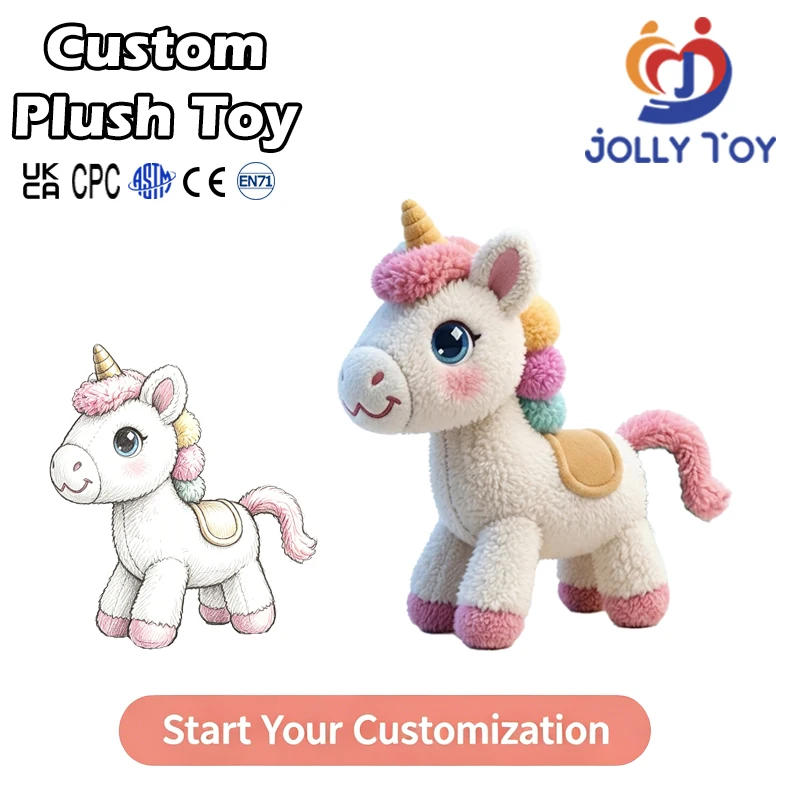
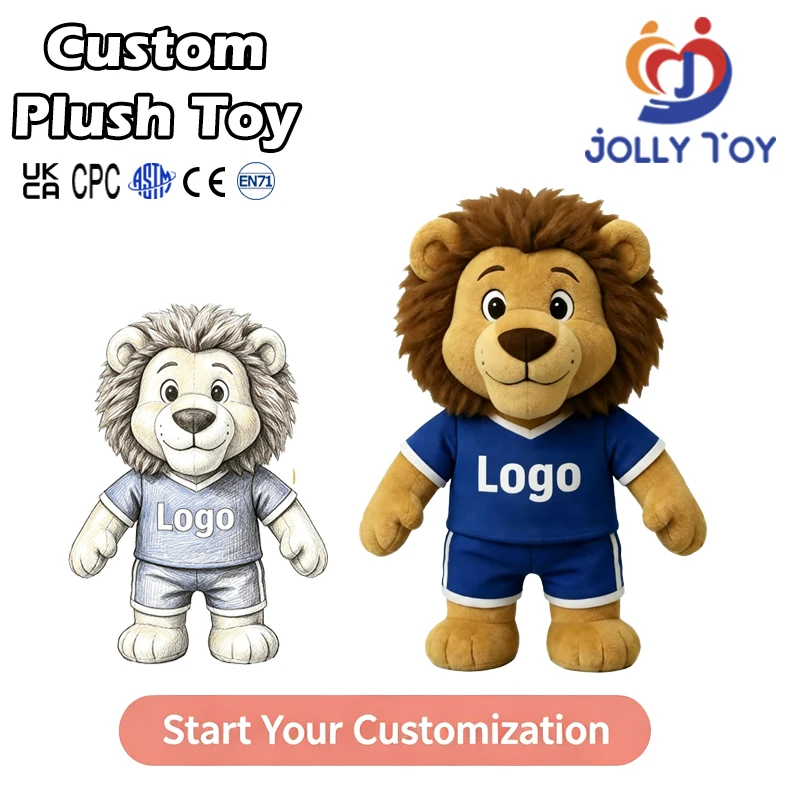
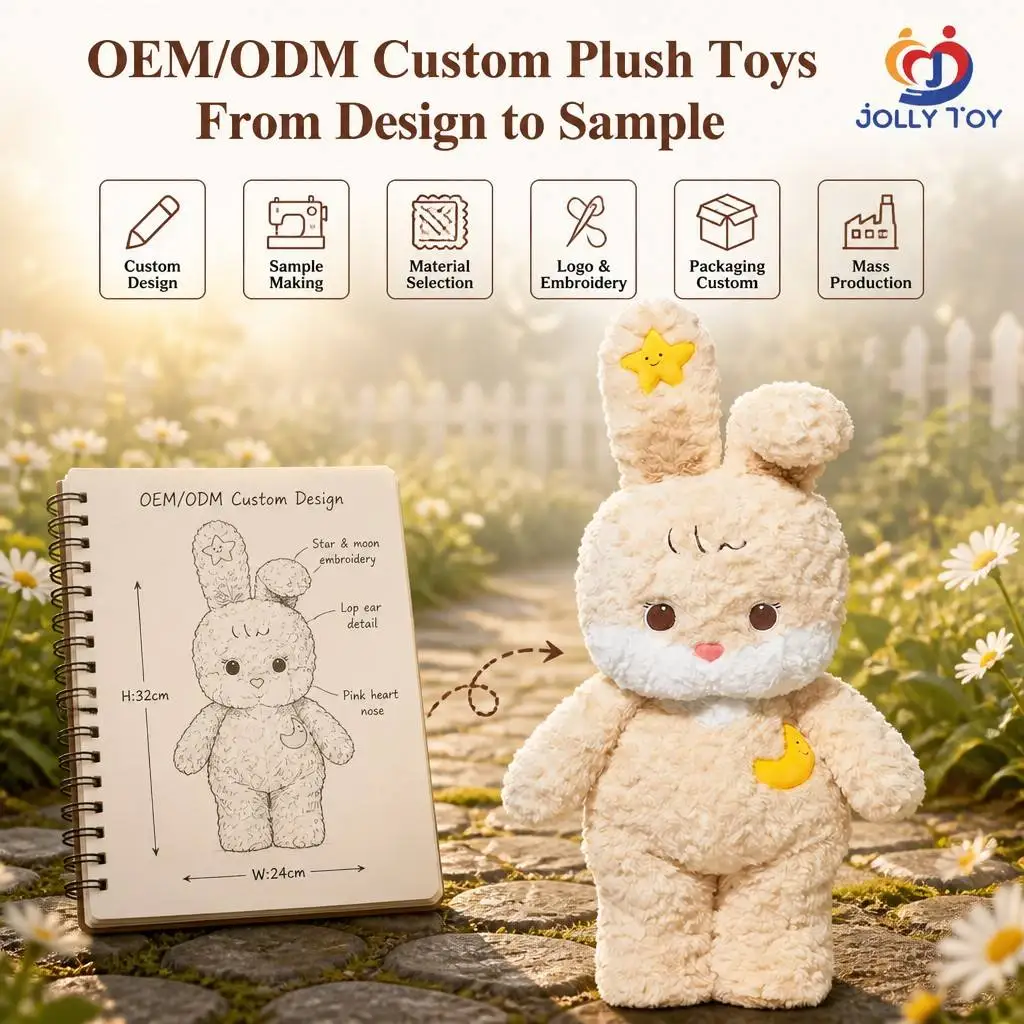
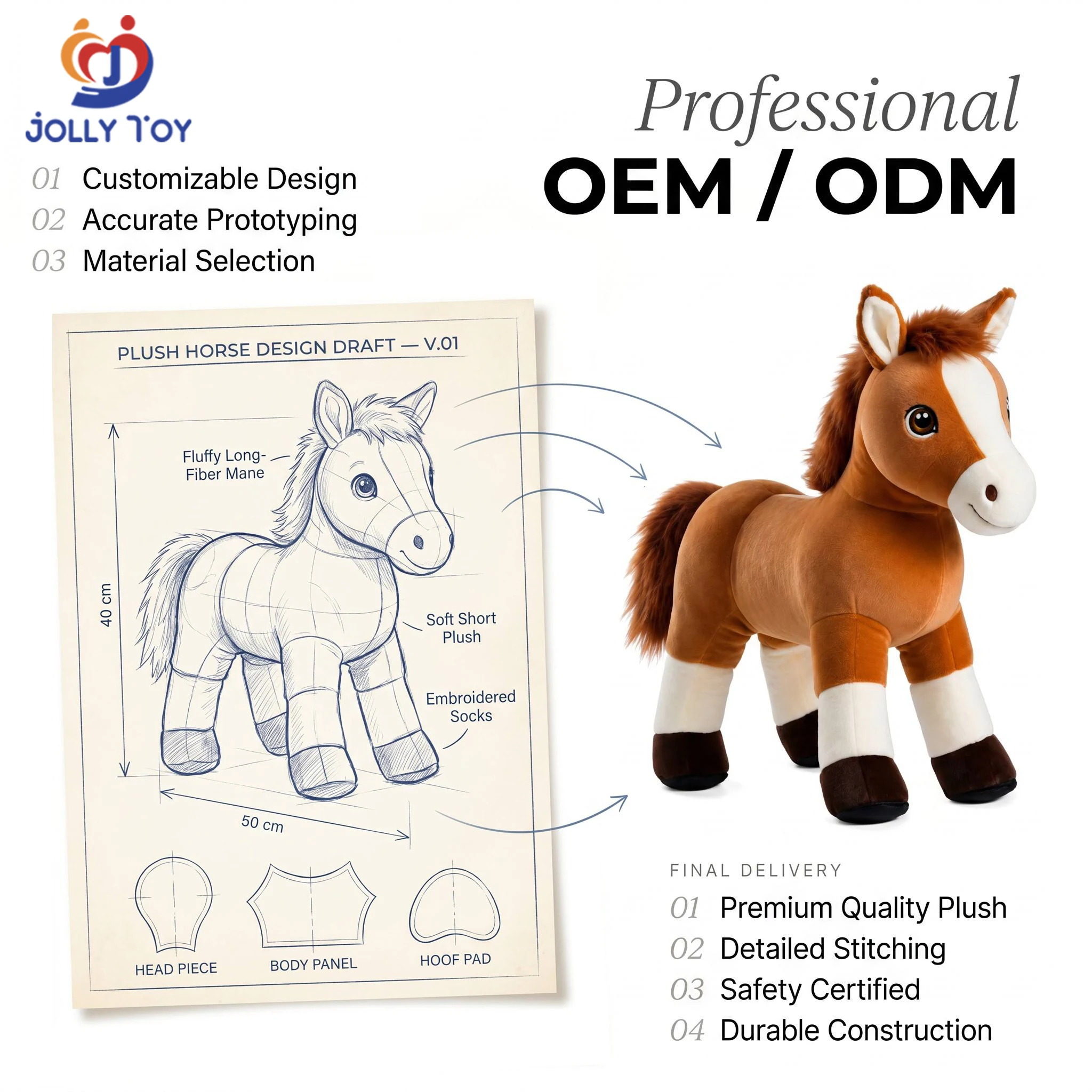
Choosing the right soft toys for wholesale purchasing involves careful consideration of various factors, including quality, safety standards, and market demand. As a manufacturer with over 10 years of experience in producing plush and Plastic Toys, we understand that B2B buyers, such as purchasing managers and distributors, have specific concerns when selecting products to stock. This article will guide you through essential aspects of soft toy purchasing, from choosing reliable suppliers to understanding material advantages, ensuring you make informed decisions that align with your business needs.
When selecting soft toys for wholesale purchasing, consider the target market and the age group of potential customers. Different age categories may require different safety standards and material choices. For instance, toys for infants should be made from non-toxic, hypoallergenic materials with no small parts that could pose choking hazards. Additionally, evaluate the design and functionality of the toys. Popular trends often influence purchasing decisions, so staying updated on what is currently appealing in the market can give your business a competitive edge. It’s wise to request samples before committing to a large order, as this allows you to assess the quality, appearance, and feel of the Plush Toys firsthand.
Quality control is paramount in our soft toy manufacturing process. Our facility utilizes advanced machinery for sewing, cutting, embroidery, and injection molding, which allows us to maintain consistency and quality across our product lines. Each stage of production is monitored for adherence to quality standards. We implement comprehensive quality checks, including material inspections, in-process evaluations, and final product audits. These steps ensure that all soft toys meet necessary safety and performance standards, such as those outlined in ICTI, Sedex, and BSCI certifications. By adhering to stringent quality control measures, we help ensure that our clients receive durable and safe products that can withstand the rigors of play while satisfying customer expectations.
Finding reliable suppliers for bulk soft toy orders is crucial for ensuring product quality and timely delivery. Start by researching manufacturers with a solid reputation within the industry. Look for companies that hold relevant certifications, such as ICTI, Sedex, and BSCI, as these indicate compliance with labor standards and quality assurance practices. Online marketplaces and trade shows also present excellent opportunities to discover suppliers. Websites dedicated to B2B transactions may feature vendor reviews and ratings that can guide your decision-making. Additionally, networking within industry associations can connect you with reputable manufacturers. When evaluating potential suppliers, ask for references and samples. This provides insight into their production capabilities and product quality. A reputable supplier should be transparent about their manufacturing processes and willing to accommodate your specific needs, whether it be customization or unique design requirements.
Material selection is a critical factor in the durability and safety of soft toys. Common materials used in plush toys include polyester, cotton, and various blends. Each material offers distinct advantages:
Polyester: Known for its durability and resistance to fading, polyester is suitable for vibrant colors and intricate designs. It is also machine washable, making it practical for parents looking for easy maintenance
Cotton: This natural fiber is soft and hypoallergenic, making it ideal for infants or children with sensitive skin. However, it may not be as durable as synthetic options unless treated for added strength
Blends: Combining materials can yield superior benefits. For example, a cotton-polyester blend may offer both comfort and durability, appealing to a wider audience
When deciding on materials, consider the intended use of the toys, the safety regulations applicable to your target market, and the overall cost implications. Understanding these factors will help you select the most suitable materials for your Baby Soft Toys range.
Importing soft toys can pose various challenges that purchasing managers should be aware of. Common issues include:
Regulatory Compliance: Different countries have varying safety regulations for toys. Ensure that your products comply with the regulations of the destination country to avoid customs delays or fines. Engaging a customs broker can streamline this process
Quality Assurance: There is always a risk of receiving subpar products during importation. To mitigate this, request pre-shipment inspections from your supplier. This allows you to verify quality before the goods are shipped
Logistics and Shipping Delays: Unexpected delays in shipping can disrupt your supply chain. Work with reliable freight forwarders and maintain open communication with your suppliers to track shipments and address any issues promptly
Documentation Errors: Ensure all necessary documentation is accurate and complete, including invoices, packing lists, and certificates of compliance. Errors in documentation can lead to customs issues and delayed deliveries
By being proactive in these areas and establishing strong communication channels with your suppliers, you can navigate the complexities of importing soft toys more effectively.

 EN
EN
 AR
AR
 CS
CS
 DA
DA
 NL
NL
 FI
FI
 FR
FR
 DE
DE
 EL
EL
 IT
IT
 JA
JA
 KO
KO
 NO
NO
 PL
PL
 PT
PT
 RU
RU
 ES
ES
 SV
SV
 IW
IW
 UK
UK
 TR
TR
 AF
AF
 GA
GA
 IS
IS
 LA
LA