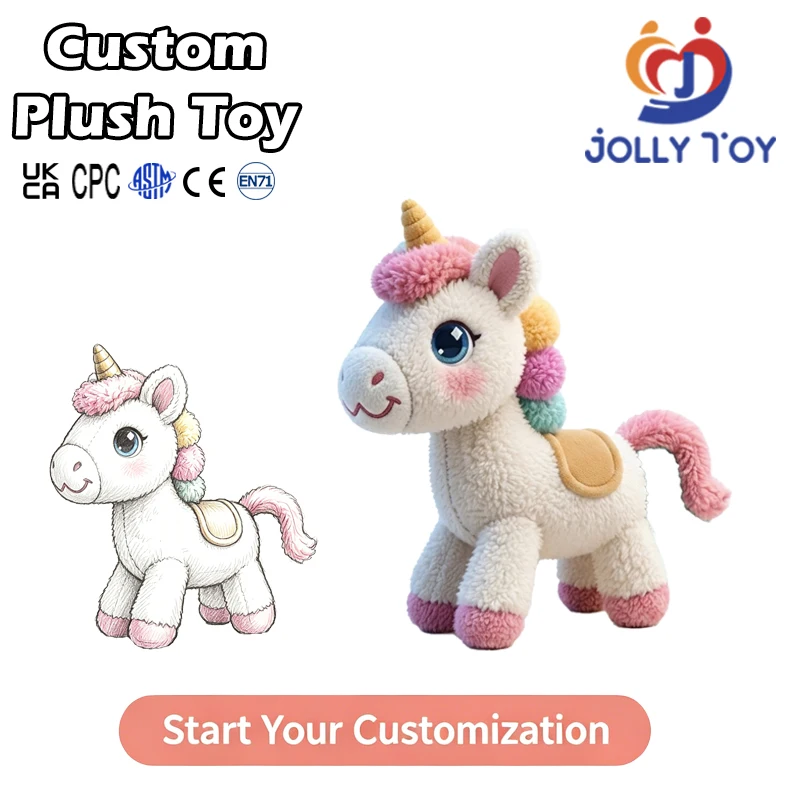
In the competitive world of toy manufacturing, selecting the right toy producer is crucial for ensuring quality, safety, and compliance with industry standards. As a one-stop manufacturer of Jolly Toy plush toy with over a decade of experience, we understand the complexities buyers face. This article aims to guide purchasing managers and other B2B buyers through essential considerations when evaluating toy producers, from quality assessment to supplier reliability.
When assessing the quality of plush and plastic toys, buyers should focus on several key factors. First, consider the materials used in production. High-quality Jolly Toy soft toys typically utilize non-toxic, hypoallergenic fabrics, while plastic toys should be made from durable, BPA-free materials. Buyers should request material safety data sheets (MSDS) to verify compliance with safety regulations.
Next, examine the manufacturing processes. A reputable toy producer will have clear quality control measures in place, including inspections at various production stages. For instance, a sample approval process is vital; buyers should request a sample to assess the toy’s construction, seam integrity, and overall appearance before mass production begins. This Jolly Toy stuffed animal toys can prevent issues like poor stitching or defects that could arise during large-scale production.
Lastly, certifications play a significant role in quality assurance. Look for manufacturers with recognized certifications such as ICTI, BSCI, and Sedex, which demonstrate a commitment to ethical practices and quality standards. These certifications can provide peace of mind that the toys produced meet industry-specific safety and quality requirements.
Finding reliable suppliers for plush and plastic toys involves thorough research and vetting. Start by leveraging industry-specific directories and trade shows where manufacturers showcase their products. Networking with industry professionals and attending events can lead to connections with reputable suppliers.
Online platforms like Alibaba or ThomasNet can also provide a broad range of suppliers. However, it’s essential to verify the legitimacy of these companies. Look for reviews, testimonials, and case studies that highlight their experience and past performance. Additionally, request references from current clients to gain insights into their reliability and service quality.
Another effective approach is to engage with local manufacturing associations or chambers of commerce. These organizations often maintain lists of verified manufacturers and can offer recommendations based on your specific needs. Engaging with a supplier that has a proven track record in your target market can significantly reduce risks associated with quality and compliance.
Cost is a critical factor for any B2B buyer in the toy industry, especially when purchasing in bulk. Several elements influence pricing, including material costs, production methods, and order quantities. For instance, higher-quality materials may lead to increased costs but can enhance the toy's durability and safety, making them worth the investment.
Additionally, consider the manufacturer’s production capacity and lead time. A producer capable of high-volume output may offer better pricing due to economies of scale. However, be cautious of extremely low prices, which may indicate compromised quality or subpar manufacturing practices.
Buyers should also take into account customization options. Custom designs and branding can incur additional costs, but they may be necessary for market differentiation. When requesting quotes, provide detailed specifications, including material types, size variations, and any required certifications, to receive accurate pricing.
The choice of materials significantly impacts both the durability and safety of plush and plastic toys. Plush toys are often made from various fabrics, including polyester, cotton, and blends. Polyester is popular for its durability and resistance to shrinking and fading, making it suitable for toys that undergo frequent washing.
For plastic toys, common materials include ABS, PVC, and polyethylene. ABS is known for its toughness and impact resistance, making it ideal for toys that require durability. Meanwhile, PVC can be more flexible, but it’s essential to ensure that any plastic used is free from harmful chemicals like phthalates and lead.
When selecting materials, consider the target age group for the toys. For example, toys designed for infants should use softer materials free from choking hazards. Conducting thorough material testing and safety assessments can help ensure compliance with safety standards and consumer expectations.
Wholesale buyers must be aware of the various manufacturing standards that govern toy production. Key regulations include ASTM F963 in the United States and EN71 in Europe, which outline safety requirements for toys. Familiarizing yourself with these standards ensures that the products you purchase comply with legal safety requirements, reducing liability risks.
Additionally, consider the social compliance of the manufacturer. Certifications such as ICTI and BSCI indicate adherence to ethical labor practices, ensuring that workers are treated fairly and that production processes are socially responsible.
Lastly, buyers should inquire about the manufacturer’s quality assurance protocols. A robust quality control system should include regular audits, testing of finished products, and a clear process for addressing defects. Understanding these manufacturing standards helps buyers make informed decisions and fosters a partnership with suppliers committed to quality and compliance.
By focusing on these key areas, B2B buyers can confidently navigate the complexities of selecting a reliable toy producer, ensuring that the products they offer meet the highest standards of quality and safety.

 EN
 AR
 CS
 DA
 NL
 FI
 FR
 DE
 EL
 IT
 JA
 KO
 NO
 PL
 PT
 RU
 ES
 SV
 IW
 UK
 TR
 AF
 GA
 IS
 LA