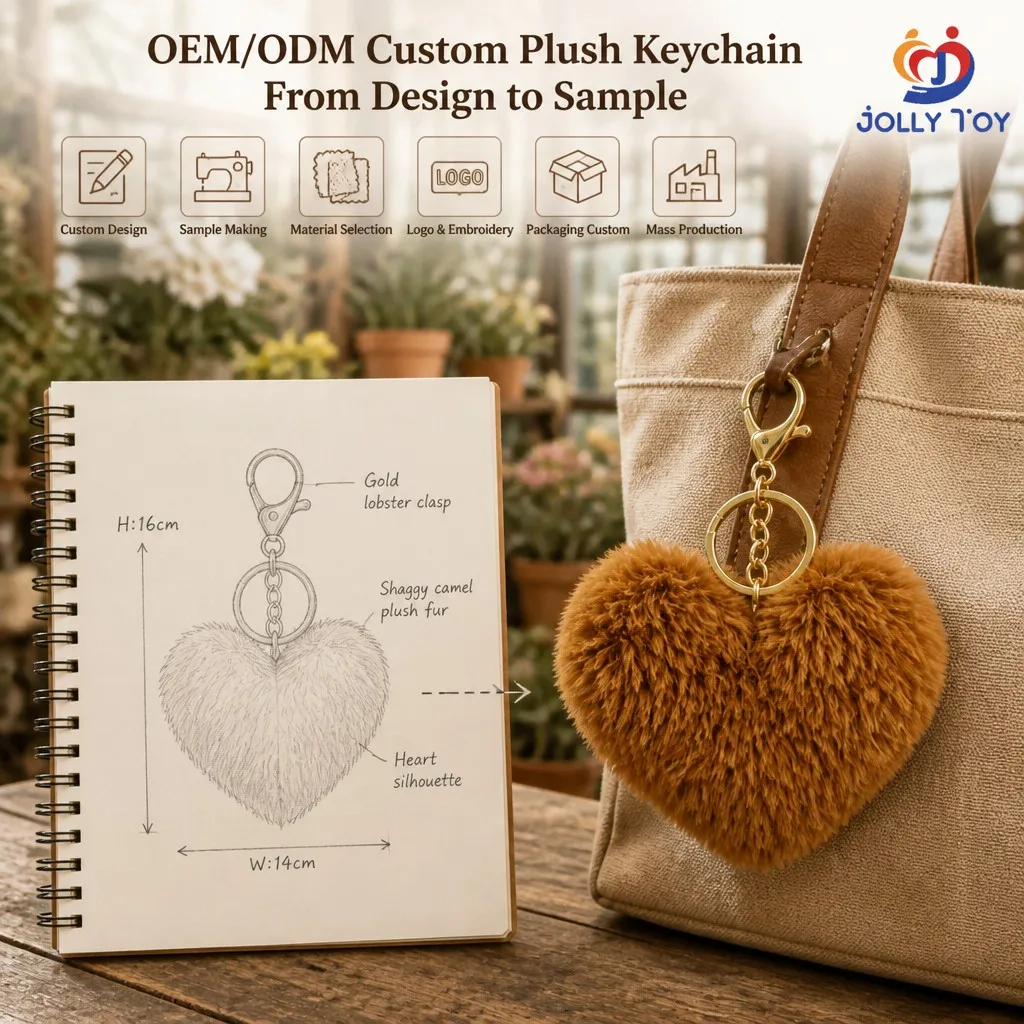
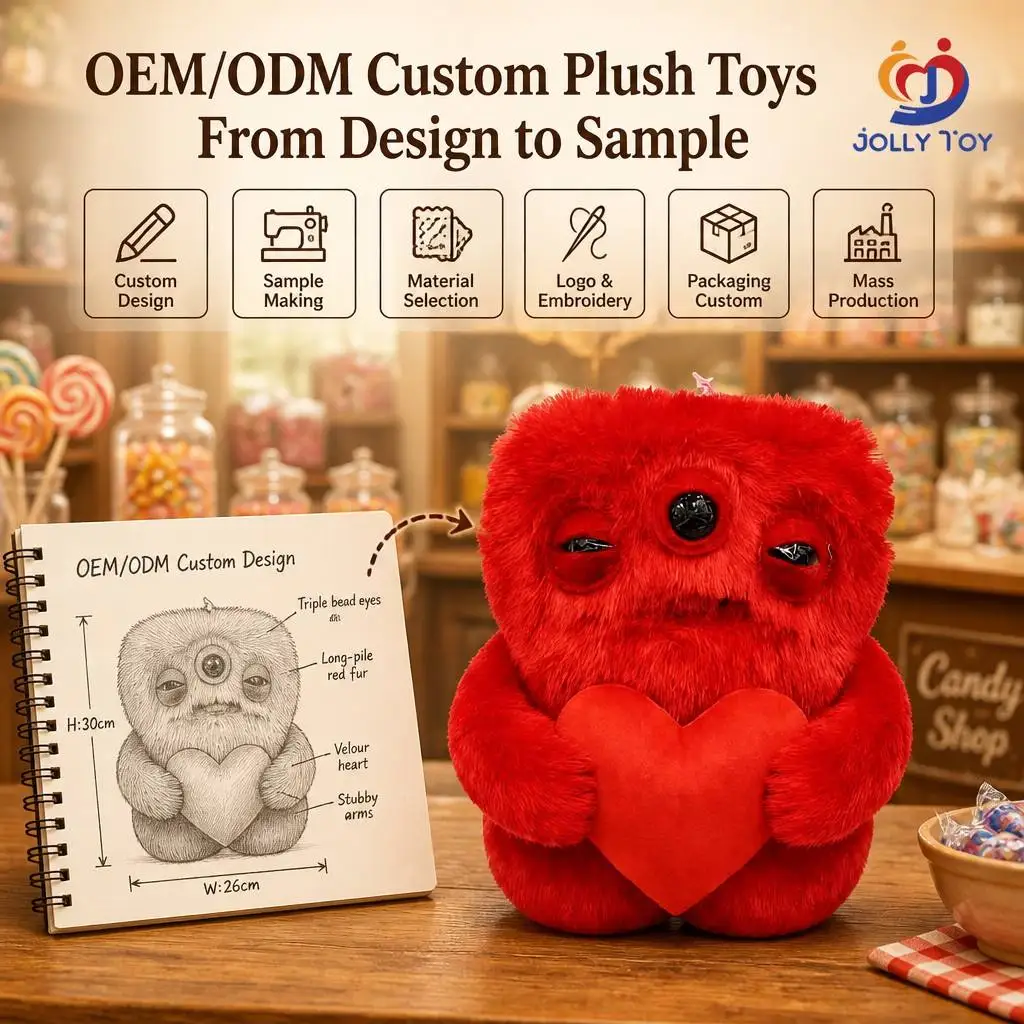
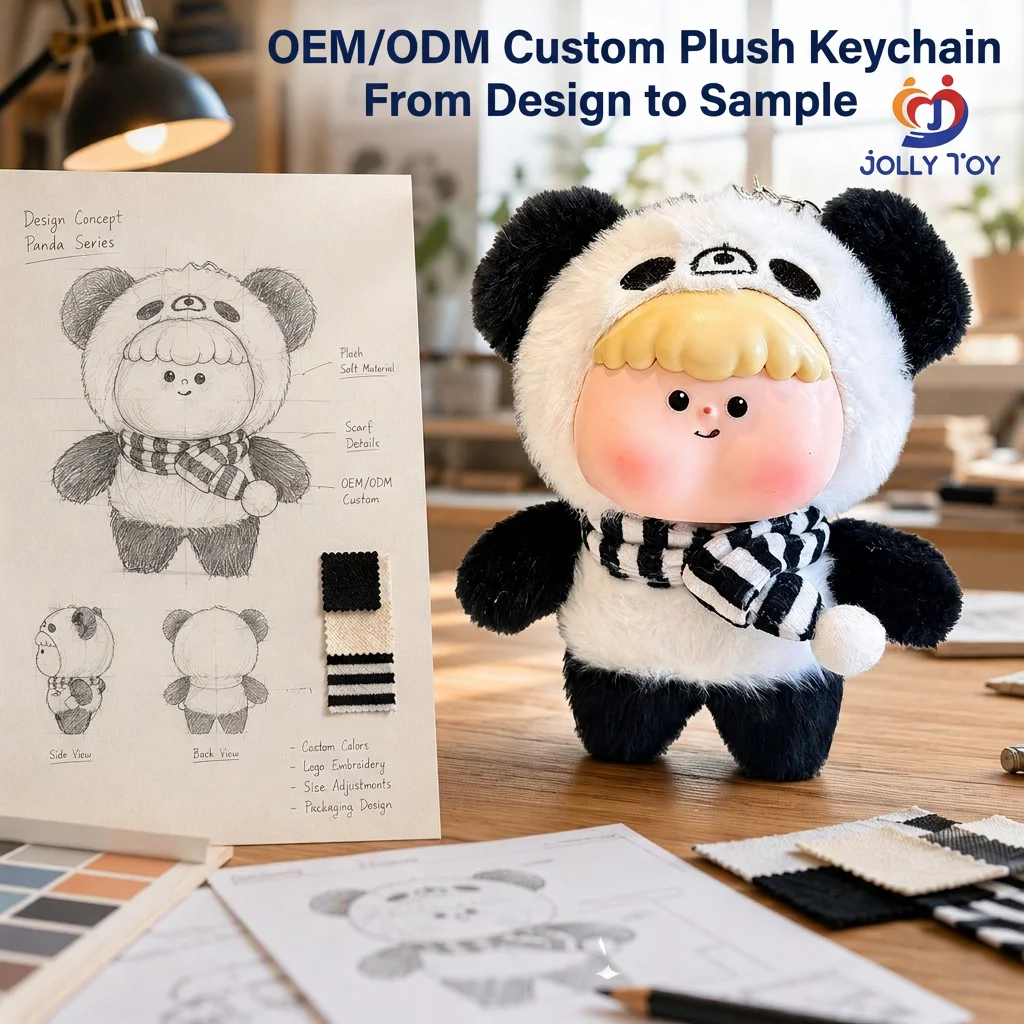
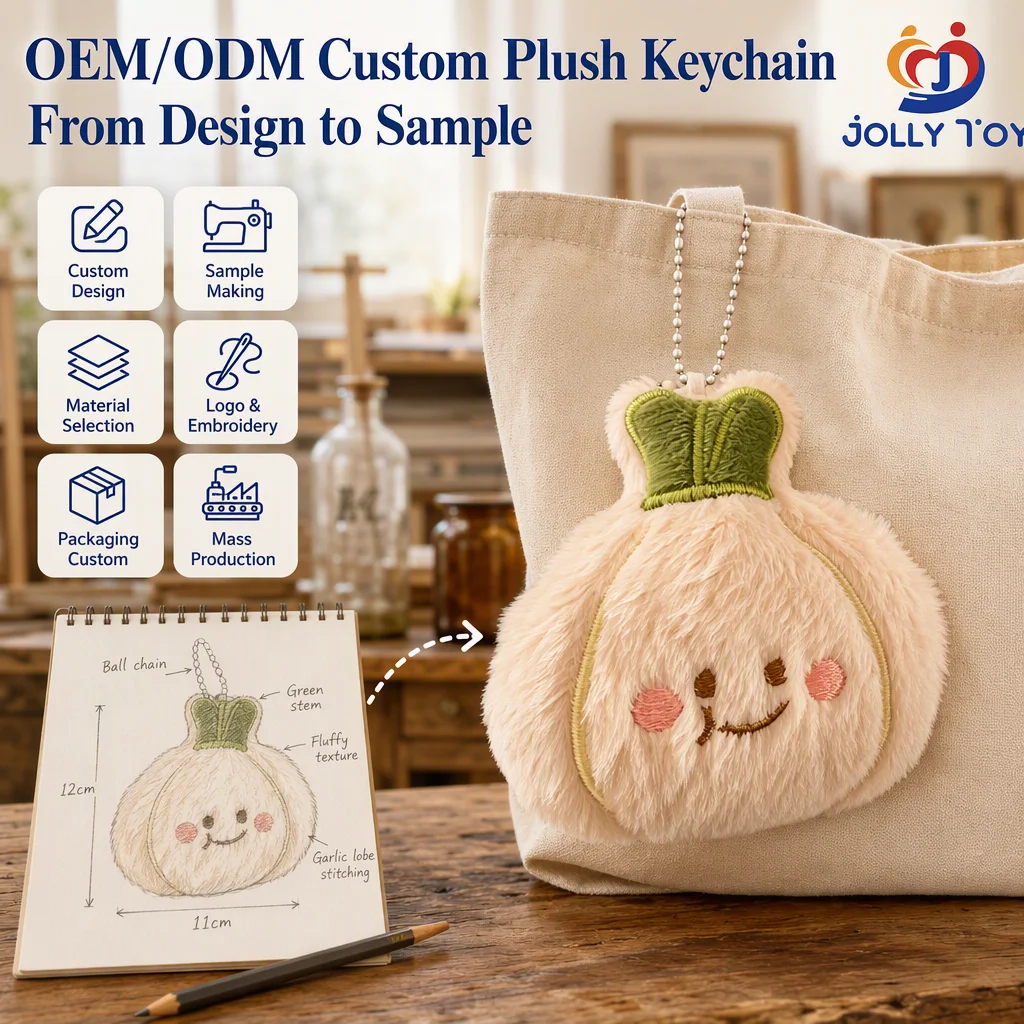
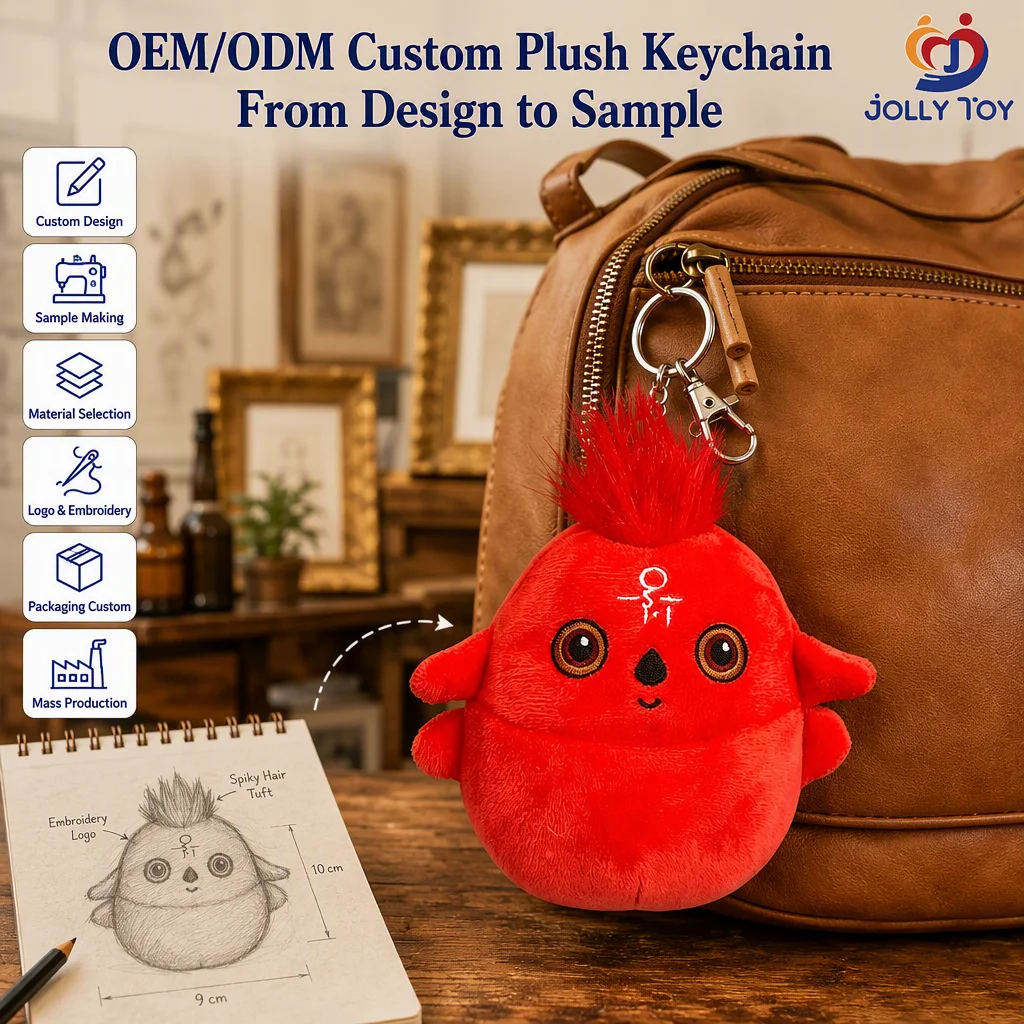
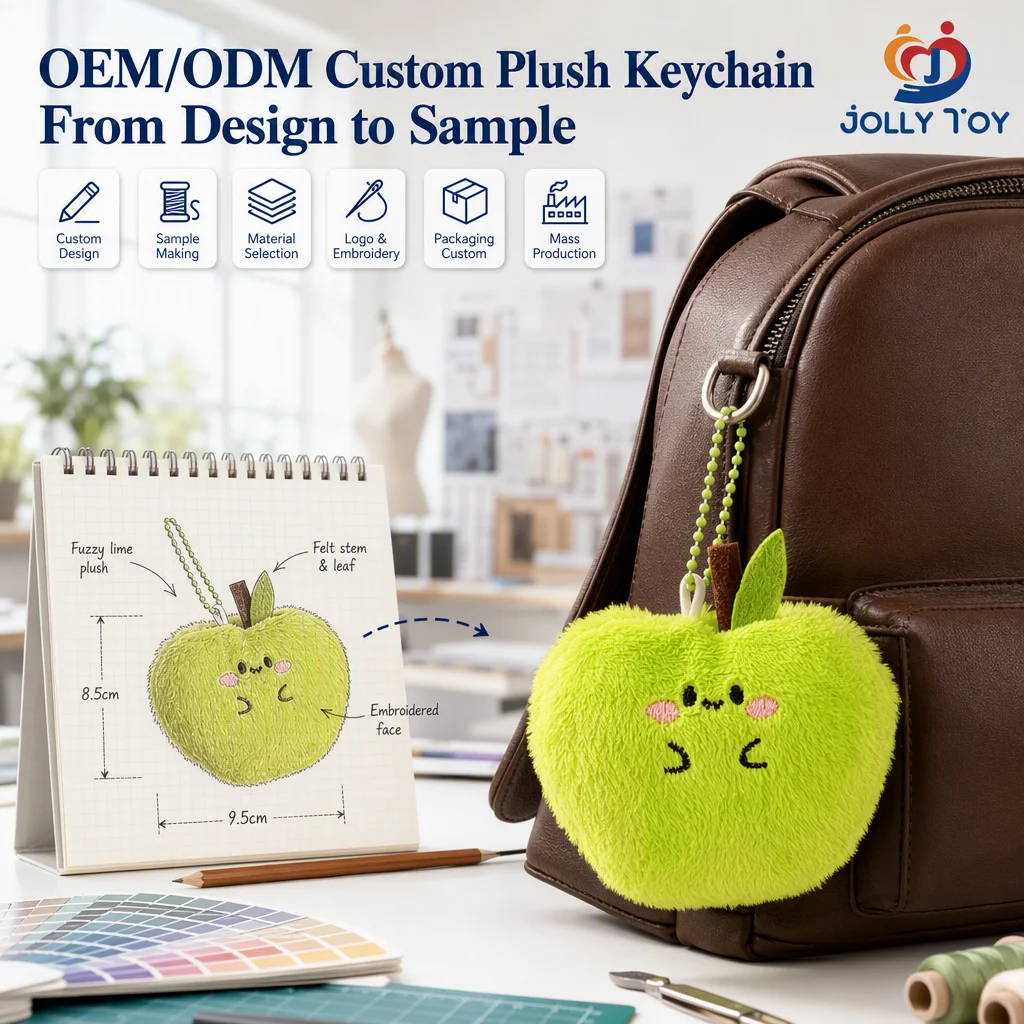
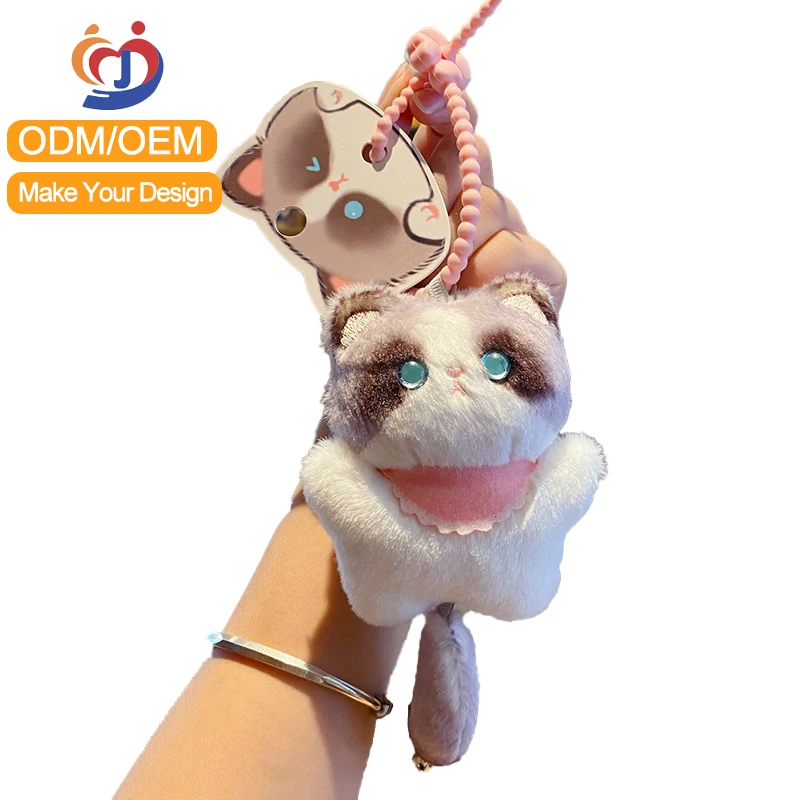
Dinosaur plush keychains are a popular choice among businesses looking to offer unique and appealing merchandise. These keychains not only serve as functional accessories but also tap into the widespread fascination with dinosaurs. When sourcing these products, purchasing managers and distributors often have specific concerns regarding quality, material, and customization options. This article will provide insights into critical factors that affect your decision-making process when procuring plush keychain, ensuring you make informed purchasing choices.
When considering Jolly Toy dinosaur plush keychains for your inventory, it’s essential to understand the product's specifications and how they align with your target market. Keychains are not merely decorative; they also need to withstand daily use. Factors such as size, weight, and durability should be evaluated to meet customer expectations.
Additionally, understanding your audience is crucial. Are you targeting children, collectors, or perhaps a niche market of dinosaur enthusiasts? Each group may have different preferences regarding design and quality. Therefore, establishing clear buyer personas can help guide your product selection.
Lastly, consider your branding needs. Customization options, such as embroidery or unique color schemes, can enhance the appeal of your cute plush keychain and align them with your brand identity.
When evaluating Jolly Toy dinosaur plush keychains, several specifications must be compared to ensure they meet your business needs. Here are key specifications to consider:
Size and Dimensions: The size of the keychain affects its usability and appeal. Smaller keychains are more portable, while larger ones may offer more detail and character.
Material: Most plush keychains are made from soft polyester or cotton materials. However, the choice of fabric can impact durability, softness, and overall appearance. For example, some materials are more resistant to wear and tear than others.
Weight: A lightweight keychain is ideal for convenience, particularly for consumers who may carry multiple items. Ensure the weight does not compromise the perceived quality of the product.
Design Variations: Consider different designs to cater to diverse customer preferences. Some might prefer realistic dinosaur replicas, while others might like cartoonish or stylized versions.
These specifications not only influence the product's marketability but also its pricing. Therefore, understanding the specifications that resonate with your target demographic is essential for making informed sourcing decisions.
Quality control is vital when ordering dinosaur plush keychains to ensure that they meet your standards and the expectations of your customers. Here are several steps to implement an effective quality control process:
Sample Approval: Before committing to a large order, request samples. This allows you to assess the product's quality, including stitching, material softness, and overall craftsmanship. During this stage, evaluate how well the sample aligns with your design specifications.
Factory Audits: Partnering with a reputable manufacturer is critical. Conduct factory audits to verify that the production facility adheres to industry standards and possesses necessary certifications, such as ICTI or BSCI.
In-Process Inspections: Implement regular inspections during the production process. This helps identify any potential issues early, such as defects in stitching or material quality, which can be addressed before the final product is completed.
Final Inspection: Conduct a thorough inspection once production is complete. Check for consistency in quality, ensuring that all items meet the agreed-upon specifications before shipment.
By establishing a robust quality control framework, you can minimize the risk of receiving subpar products and ensure customer satisfaction.
Even with a rigorous quality control process, issues can arise during the manufacturing or shipping of dinosaur plush keychains. Here are some common problems and potential solutions:
Color Fading: Over time, Jolly Toy unicorn plush keychain may lose their vibrancy. To prevent this, ensure your supplier uses high-quality dyes and fabrics that are resistant to fading.
Seam Weakness: Keychains that undergo heavy use may experience seam failures. Opt for double-stitched seams for added durability, and confirm with your manufacturer that they use reinforced stitching techniques.
Material Issues: Some materials may not hold up well after repeated use. Request information on the material's durability and consider conducting wear tests on samples.
Supply Chain Delays: Delays can occur during production or shipping. Establish clear timelines with your manufacturer and include penalties for delays to encourage timely delivery.
By being proactive and addressing these common issues, you can improve the reliability of your supply chain and enhance customer satisfaction.
The choice of materials is critical in producing durable dinosaur plush keychains that can withstand regular use. Here are some material considerations:
Fabric Type: Polyester and cotton are popular choices for plush toys due to their softness and durability. Polyester is often favored for its resistance to wear and tear, making it suitable for keychains that will see frequent handling.
Filling Material: The filling of the keychain affects its shape and feel. High-quality polyester fiber or foam can provide both comfort and resilience, ensuring the keychain retains its form over time.
Safety Standards: Ensure that the materials used comply with safety regulations, especially if the keychains are intended for children. Look for certifications that indicate the materials are free from harmful substances.
Environmental Considerations: Eco-friendly materials are increasingly favored by consumers. Discuss with your supplier about options for sustainable materials if this aligns with your brand values.
Choosing the right materials not only enhances the durability of your dinosaur plush keychains but also aligns with consumer expectations for quality and safety. Therefore, working closely with your manufacturer to select the best materials is essential for a successful product line.

 EN
EN
 AR
AR
 CS
CS
 DA
DA
 NL
NL
 FI
FI
 FR
FR
 DE
DE
 EL
EL
 IT
IT
 JA
JA
 KO
KO
 NO
NO
 PL
PL
 PT
PT
 RU
RU
 ES
ES
 SV
SV
 IW
IW
 UK
UK
 TR
TR
 AF
AF
 GA
GA
 IS
IS
 LA
LA