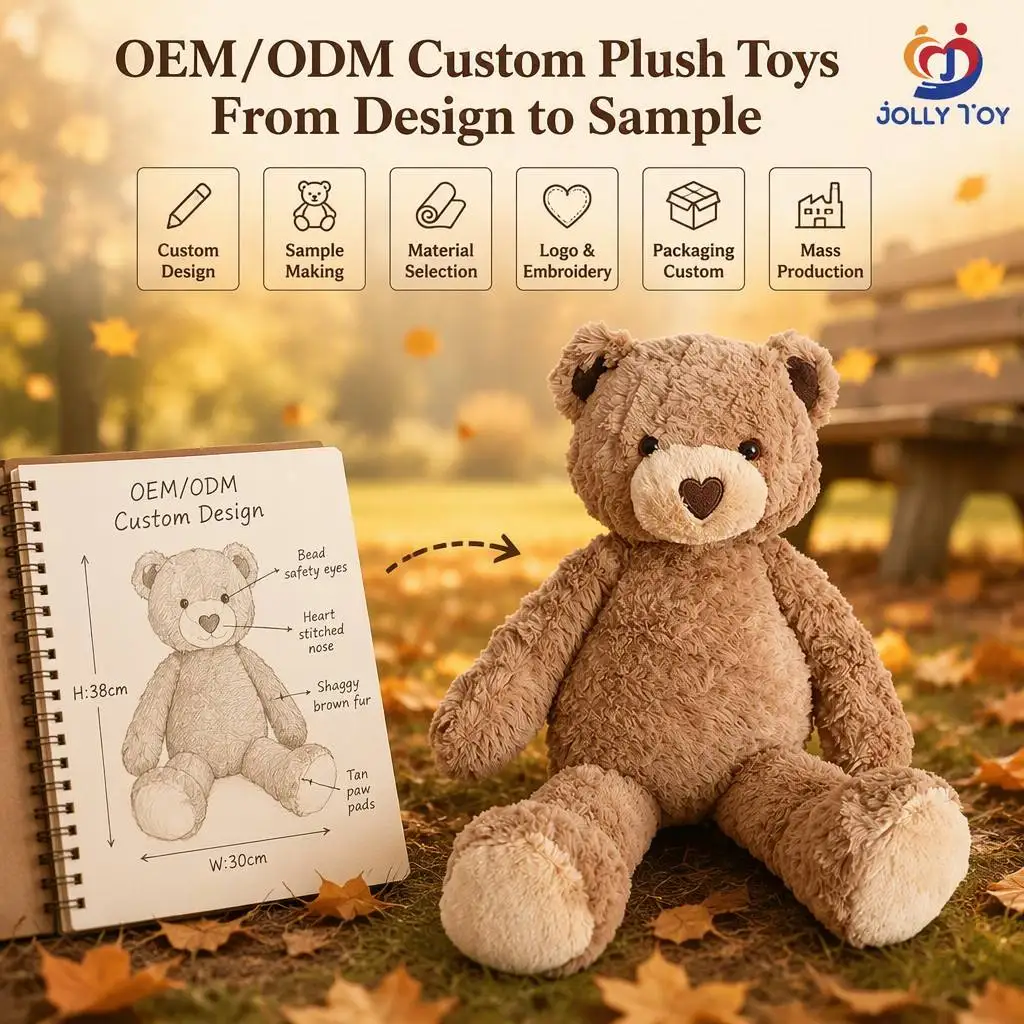
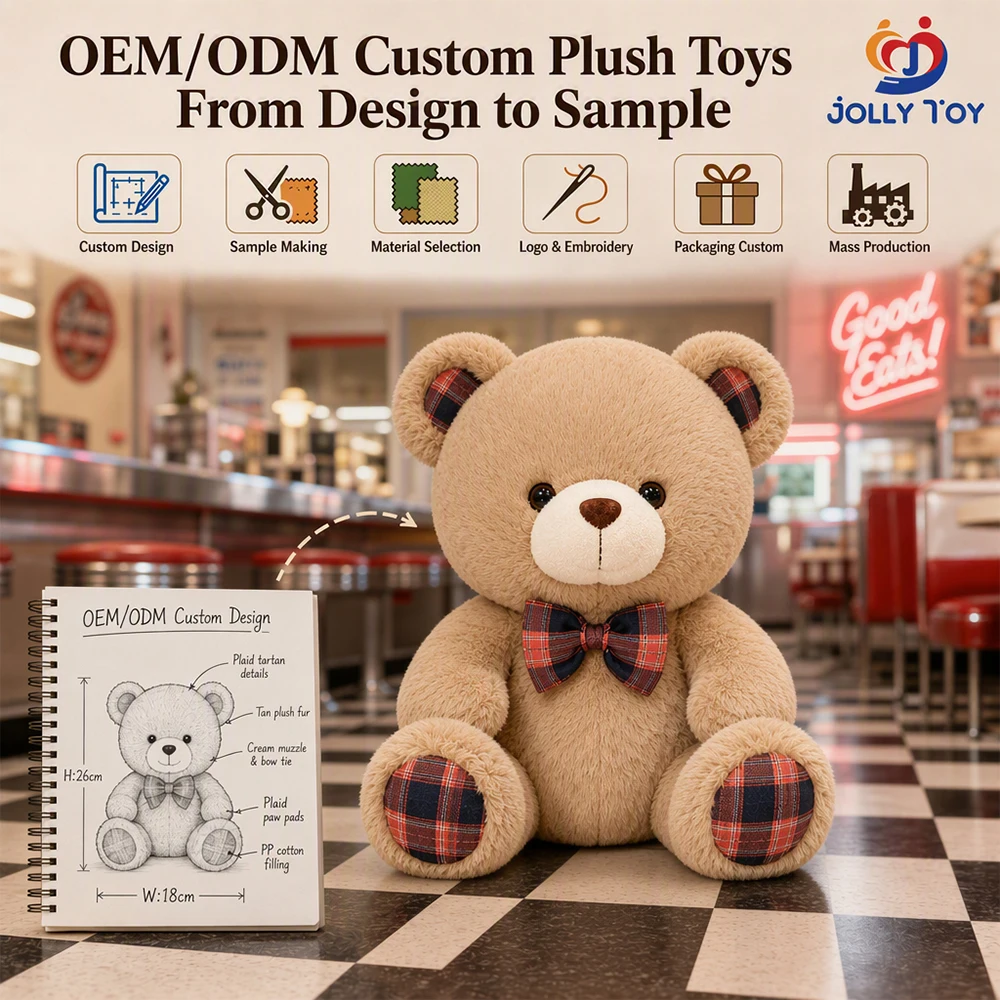
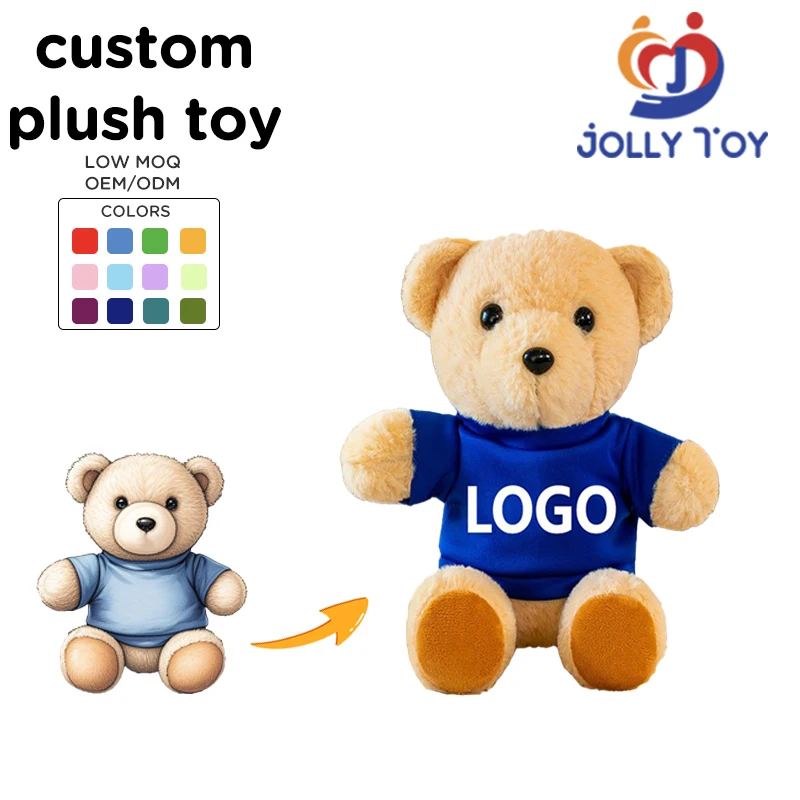
Teddy bears are timeless plush toys that serve both as comforting companions for children and as popular promotional items for businesses. As a leading teddy bear factory with over 10 years of experience, we understand that B2B buyers are primarily concerned about quality, compliance, customization options, and the reliability of their suppliers. This article will provide insights into key specifications for high-quality teddy bears, how to evaluate their quality, common manufacturing problems, ways to find reliable distributors, and cost factors to consider when sourcing custom made teddy bear in bulk.
When sourcing teddy bears for bulk orders, several key specifications should be considered to ensure that the final product meets market expectations
Materials: The choice of fabric, typically plush or fleece, affects both the tactile experience and durability. Look for materials that comply with safety standards to ensure they are child-friendly and hypoallergenic
Dimensions: Standard sizes range from small (around 12 inches) to large (up to 36 inches). Ensure that the dimensions align with your target market's preferences, as size can influence purchase decisions
Stuffing: High-quality teddy bears should be filled with polyester fiber or other soft materials that maintain shape and provide comfort. The filling should also meet safety regulations regarding flammability and choking hazards
Seams and Stitching: Reinforced seams and durable stitching are essential for the longevity of plush toys. Quality control during production should ensure that these aspects are rigorously tested to withstand rough handling
Safety Certifications: Ensure that the factory holds necessary certifications such as ICTI, Sedex, and BSCI, which demonstrate compliance with international safety and ethical manufacturing standards
By confirming these specifications before placing an order, buyers can ensure they receive teddy bears that not only meet customer expectations but also comply with safety standards.
Evaluating the quality of teddy bears requires a systematic approach. Here are practical steps for buyers:
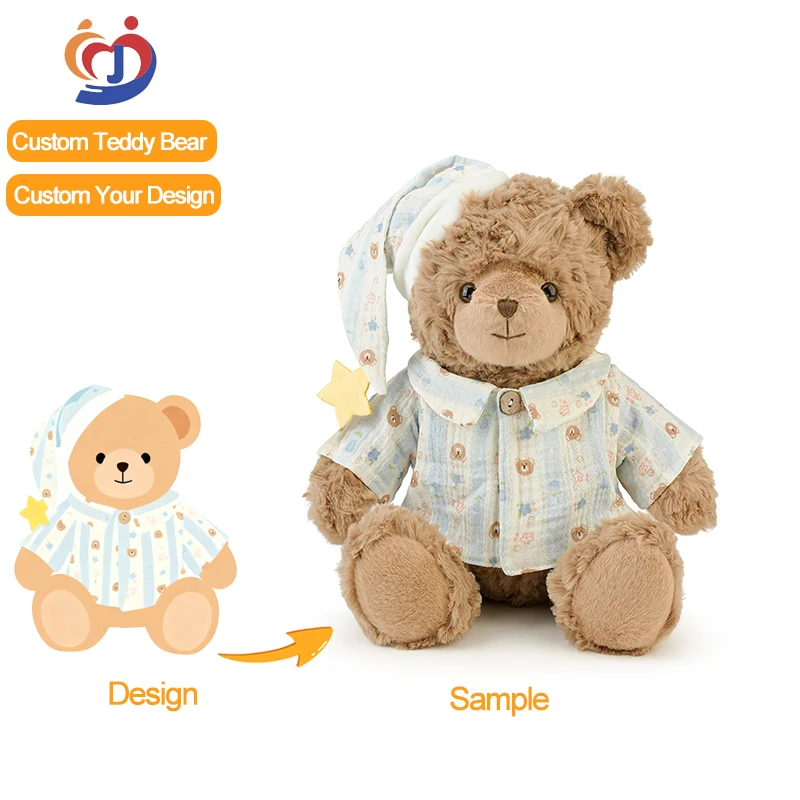
Request Samples: Before committing to a large order, request samples from the manufacturer. Assess the material quality, stitching, and overall craftsmanship. This step is crucial to verify that the product meets your standards
Conduct a Safety Inspection: Verify that the materials used are compliant with safety regulations. Look for labels indicating that the product meets safety standards like EN71 (European) or ASTM (American) for toy safety
Perform a Durability Test: Check how the teddy bear holds up under stress by pulling at seams and applying pressure to various parts of the toy. This helps assess whether it can withstand regular use
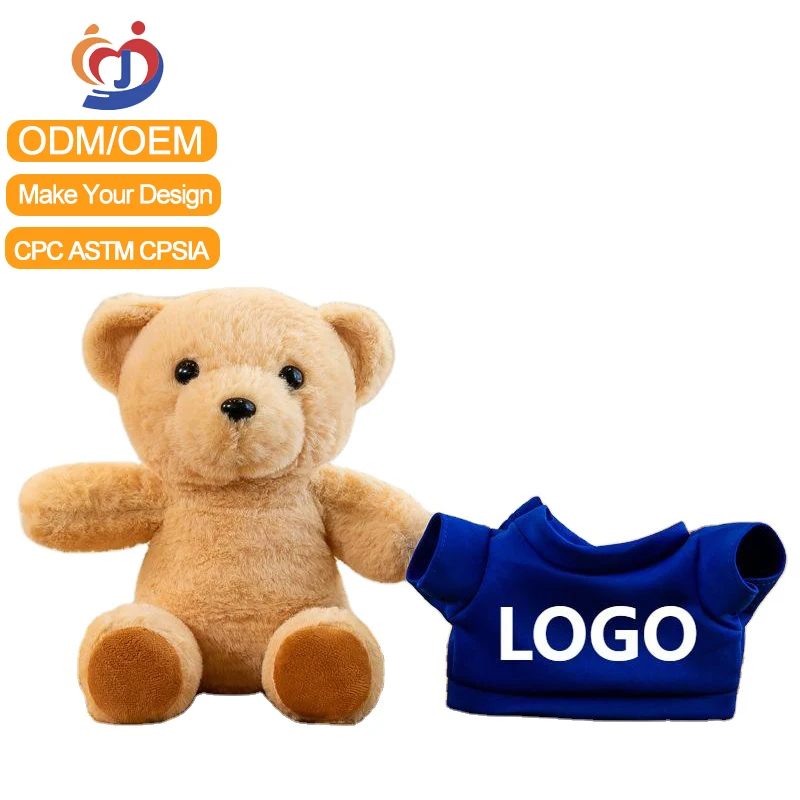
Evaluate Customization Options: If you plan to offer customized teddy bears, discuss options such as embroidered logos or unique colors. Ensure that the manufacturer can accommodate your design requirements without compromising quality
Review Previous Work: Ask for references or examples of previous projects. A reputable custom pet teddy manufacturer should be willing to share their portfolio, demonstrating their quality and reliability
By following these evaluation steps, buyers can make informed decisions and reduce the risk of quality issues in their orders.
While manufacturing teddy bears, several common problems may arise. Understanding these issues can help buyers manage expectations and seek solutions:
Material Defects: Issues like color inconsistencies or fabric flaws can occur. To mitigate this, conduct thorough inspections during the material selection phase and work with trusted suppliers
Production Delays: Manufacturing delays can stem from equipment malfunctions or supply chain disruptions. Establish clear timelines and maintain open communication with the manufacturer to anticipate and address potential delays
Quality Control Issues: Inconsistent quality can arise from inadequate quality control processes. Ensure that the manufacturer has stringent quality checks at every production stage, including post-production inspections
Customization Errors: Incorrect embroidery or design elements can lead to dissatisfaction. Provide clear design specifications and approve samples before full production to avoid errors
Compliance Failures: Non-compliance with safety standards can lead to recalls and brand damage. Work closely with manufacturers to ensure that all products meet relevant safety regulations
By proactively addressing these common issues, buyers can enhance their purchasing experience and ensure a successful partnership with their teddy bear supplier.
Finding reliable teddy bear distributors is crucial for businesses looking to maintain a steady supply of high-quality plush toys. Here are some strategies to identify reputable distributors:
Industry Trade Shows: Attend trade shows focused on toys and children's products. These events provide opportunities to meet manufacturers and distributors face-to-face, allowing you to assess their offerings and build relationships
Online Marketplaces: Platforms like Alibaba, ThomasNet, and Global Sources can connect you with numerous suppliers. Look for those with positive reviews, verified certifications, and a solid history in the industry
Networking: Join industry associations or local business groups where you can connect with other buyers and manufacturers. Recommendations from trusted sources can lead you to reliable distributors
Social Media and Forums: Participate in industry forums or social media groups centered on toy manufacturing and distribution. Engaging in these communities can yield valuable insights and lead to potential contacts
Request References: When considering a distributor, ask for references from their existing clients. A reputable teddy manufacturer, like Jolly Toy, should be willing to provide this information, allowing you to gauge their reliability and service quality
By leveraging these resources, buyers can establish connections with trustworthy distributors, ensuring a steady supply of high-quality teddy bears.
When sourcing teddy bears wholesale, understanding the various cost factors involved is essential for making informed purchasing decisions. Key considerations include:
Material Costs: The choice of fabrics and stuffing will significantly impact the overall cost. Higher-quality materials may increase the unit price but can enhance customer satisfaction and reduce returns
Customization Fees: Custom designs or features may incur additional charges. Discuss these fees upfront with the manufacturer to avoid surprises later in the procurement process
Production Volume: Larger orders often benefit from bulk pricing, which can lower the unit cost. However, assess your inventory needs to avoid overcommitting
Shipping and Logistics: Consider the costs associated with shipping, including freight fees and customs duties. These expenses can vary based on the origin of the goods and the destination
Quality Control Costs: Implementing robust quality control measures can incur additional costs but can save money in the long run by minimizing defects and returns
Lead Time: Shorter lead times may come at a premium. If your project timeline is flexible, consider negotiating longer lead times for better pricing
By carefully evaluating these cost factors, buyers can optimize their purchasing strategy and ensure they receive the best value for their investment in teddy bears.

 EN
EN
 AR
AR
 CS
CS
 DA
DA
 NL
NL
 FI
FI
 FR
FR
 DE
DE
 EL
EL
 IT
IT
 JA
JA
 KO
KO
 NO
NO
 PL
PL
 PT
PT
 RU
RU
 ES
ES
 SV
SV
 IW
IW
 UK
UK
 TR
TR
 AF
AF
 GA
GA
 IS
IS
 LA
LA