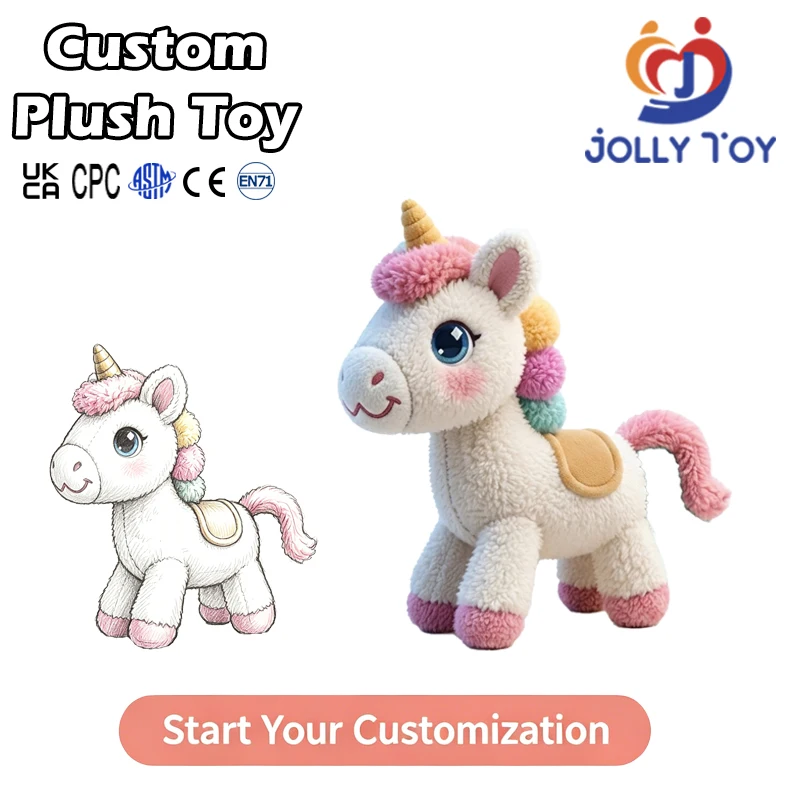
In the competitive landscape of toy manufacturing, selecting the right plush and plastic toys is crucial for wholesale buyers. As a professional toy manufacturer with over a decade of experience, our focus lies in delivering high-quality Jolly Toy soft toys products that meet industry standards and customer expectations. This article aims to address common concerns of purchasing managers and distributors by providing insights into selecting the right toys, evaluating quality specifications, ensuring safety, comparing materials, and understanding the applications of plush and plastic toys across various industries.
When selecting plush and plastic toys for wholesale, buyers should consider several key factors. First, identify the target market and the age group for the Jolly Toy plush toy, as this influences design, safety features, and materials. Next, assess the design and customization options available; many manufacturers, including us, offer tailored solutions to meet specific branding or thematic needs.
Buyers should also evaluate the manufacturer’s production capacity and lead times. A reliable supplier of Jolly Toy personalized stuffed toy should have the ability to produce large quantities, typically around 800,000 pieces annually, while adhering to delivery schedules. Additionally, consider the certifications the manufacturer holds, such as ICTI, Sedex, and BSCI, which indicate compliance with industry standards for quality and social responsibility.
Lastly, price points should be analyzed in conjunction with quality. A lower initial cost may not always reflect the best value if it compromises safety or durability. Therefore, thorough research and supplier communication are essential to ensure that the selected toys align with both budget and quality expectations.
Quality in toy manufacturing is determined by several critical specifications. First, buyers should consider the material types used in plush and plastic toys. Plush toys typically use soft, durable fabrics, while plastic toys may utilize various grades of plastic depending on the desired flexibility and safety standards.
Next, dimensions and weight are crucial. Ensuring that toys are appropriately sized for the target age group can prevent choking hazards and enhance user experience. Manufacturers should provide detailed specifications that outline these dimensions clearly.
Moreover, the manufacturing process is pivotal. A reputable manufacturer will have advanced machinery for sewing, cutting, and molding, enabling consistent quality control. Buyers should inquire about the production process, including how quality checks are integrated at different stages to ensure the final product meets safety and quality standards.
Lastly, testing protocols should be discussed. This includes whether toys undergo third-party testing for compliance with safety regulations, which is a critical factor for wholesale buyers concerned about liability and consumer safety.
Safety is paramount in the toy industry, especially for products intended for children. Buyers should ensure that toys are manufactured from non-toxic materials and free from hazardous substances. This is particularly relevant for plastic toys, where certain types of plastic may contain harmful chemicals.
Furthermore, toys should comply with international safety standards, such as ASTM F963 or EN71, which govern toy safety regulations. Manufacturers should provide documentation demonstrating compliance with these standards, which can enhance buyer confidence.
Another critical aspect is the design of the toys. Edges should be rounded, and small parts should be securely attached to prevent detachment. Buyers should ask for samples to evaluate the safety features firsthand before placing bulk orders. Testing samples under actual operating conditions can reveal potential issues that may not be apparent through initial visual inspections.
The choice between plush and plastic materials significantly affects the toy's performance, safety, and appeal. Plush toys are often favored for their softness and comfort, making them ideal for younger children. They can be made from various fabrics, including polyester and cotton blends, which offer different textures and durability levels.
On the other hand, plastic toys are generally more versatile regarding design and functionality. They can be molded into intricate shapes and often have features like sound or movement mechanisms. Additionally, plastic toys are usually easier to clean, which is a vital consideration for parents.
When evaluating material options, consider the intended use and market preferences. For instance, plush toys may be better suited for comfort items or gifts, while plastic toys can dominate in interactive play. Buyers should weigh the benefits of each material type in relation to their target audience and application.
Plush and plastic toys find applications across various sectors beyond traditional retail. In the healthcare sector, plush toys are often used in pediatric wards to comfort children during hospital stays. They can serve therapeutic purposes, helping to alleviate anxiety and provide emotional support.
In the educational sector, both plush and plastic toys are utilized as teaching tools. For instance, soft toys can promote emotional learning and social skills, while plastic toys can be used in STEM education to teach children about mechanics and physics through hands-on play.
The entertainment industry also leverages these toys for branding and merchandise. Many popular franchises use plush and plastic toys to enhance consumer engagement and brand loyalty. Buyers should consider these applications when sourcing products, as they can open up new market opportunities.
selecting the right plush and plastic toys involves a comprehensive evaluation of safety, quality, material advantages, and application suitability. By understanding these factors, wholesale buyers can make informed decisions that enhance their product offerings and satisfy end-user needs.

 EN
 AR
 CS
 DA
 NL
 FI
 FR
 DE
 EL
 IT
 JA
 KO
 NO
 PL
 PT
 RU
 ES
 SV
 IW
 UK
 TR
 AF
 GA
 IS
 LA