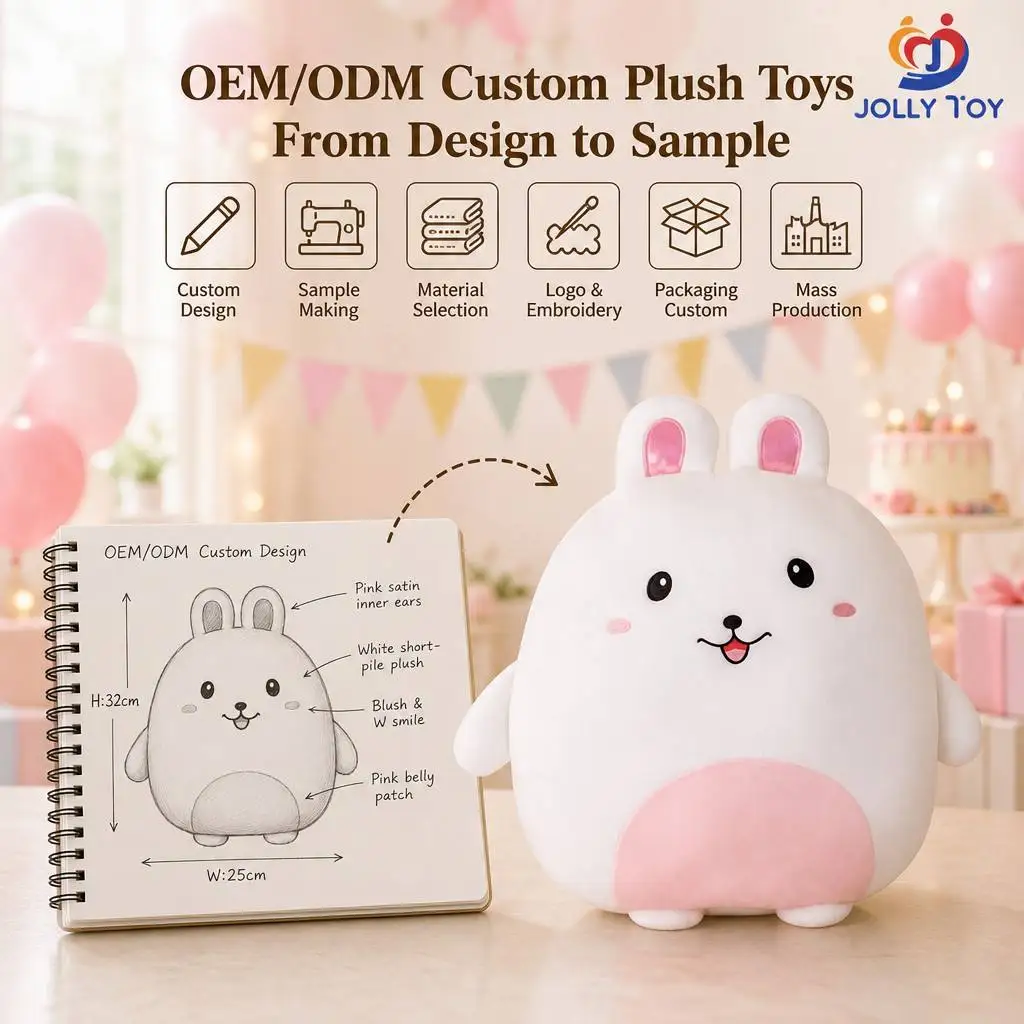
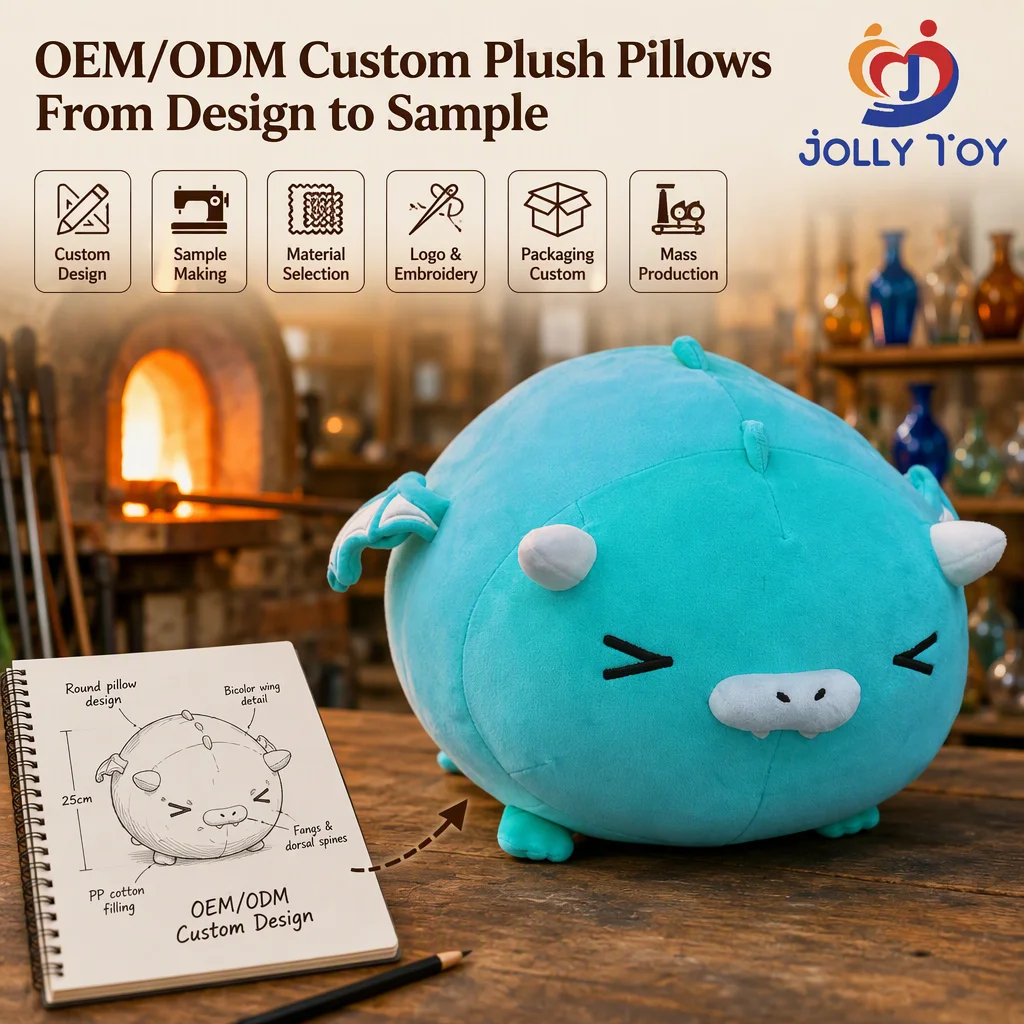
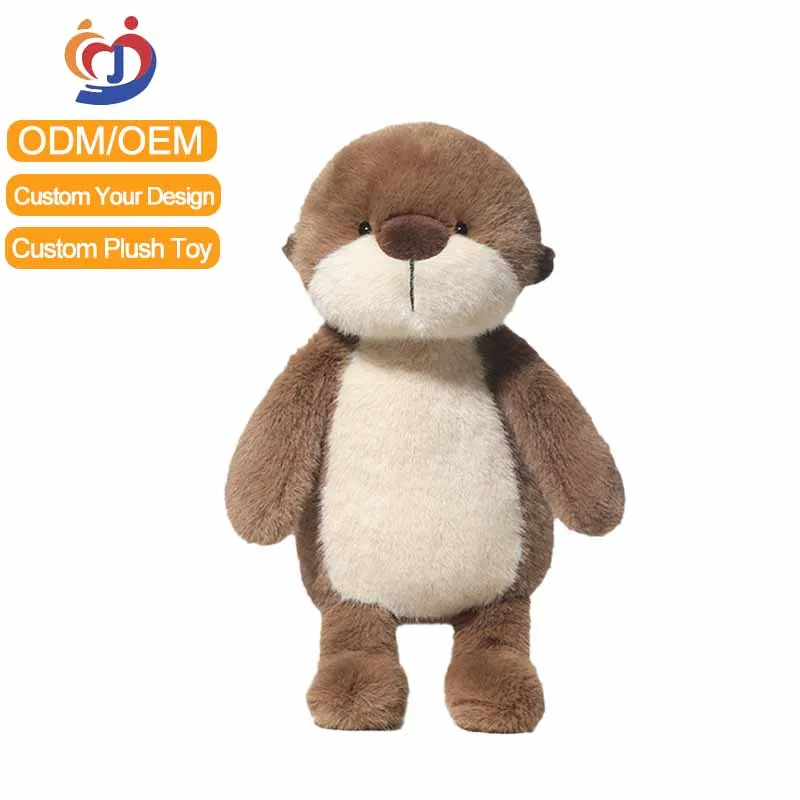
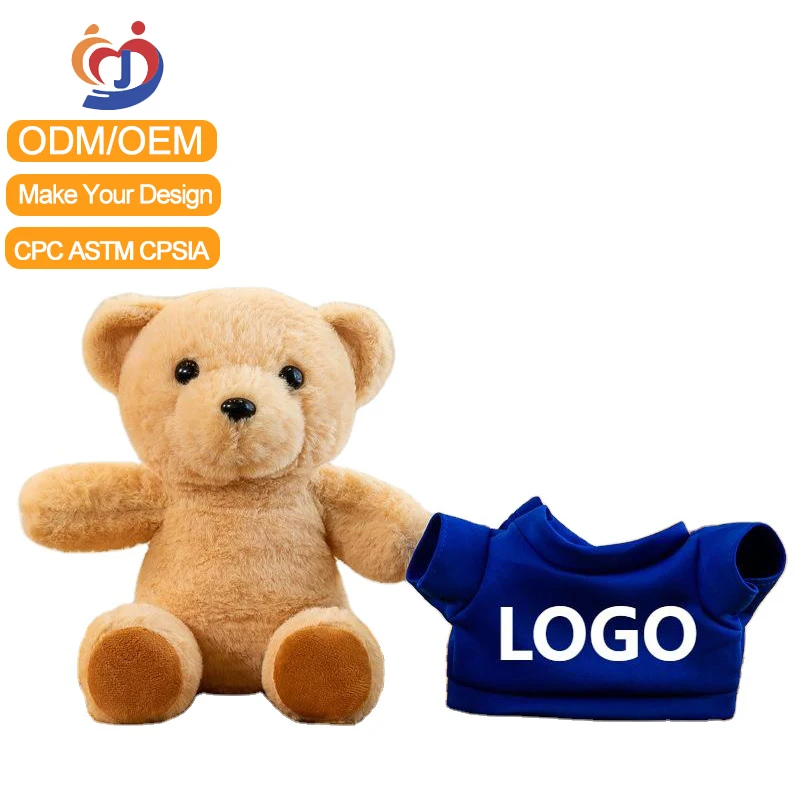
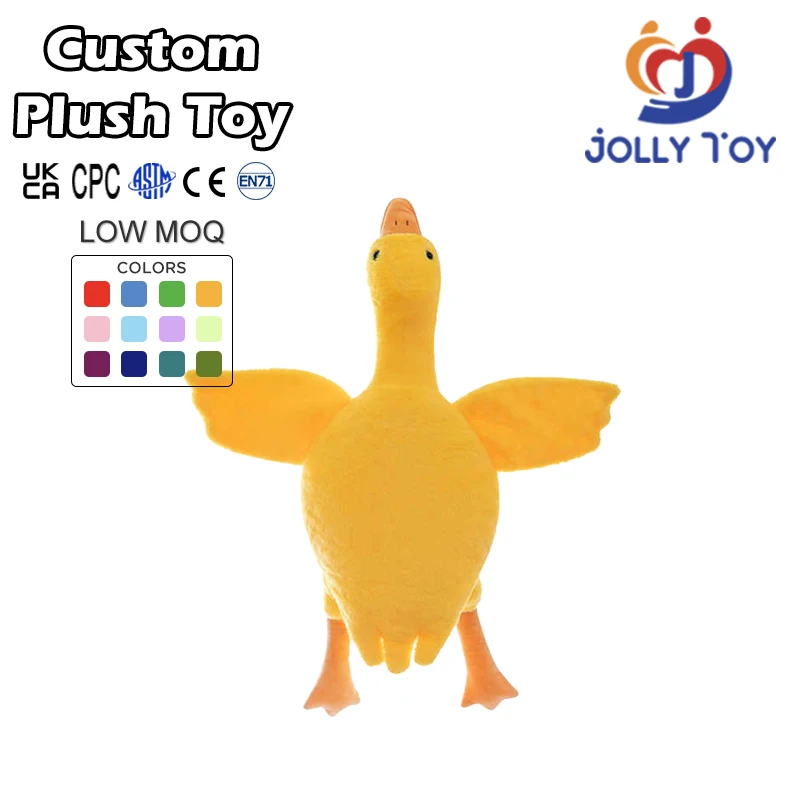
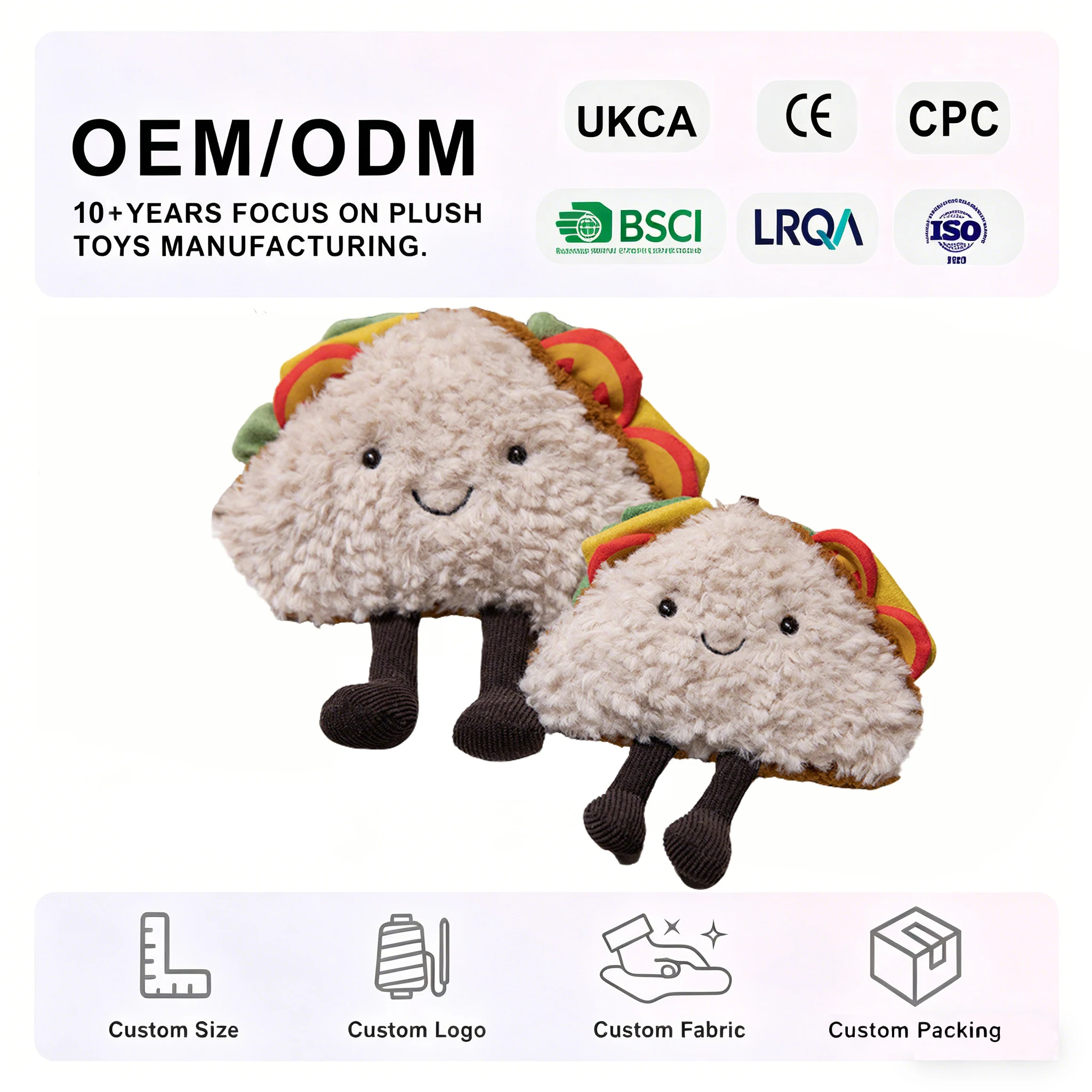
Choosing the right Jolly Toy plush star pillow for wholesale can be a complex task for purchasing managers, distributors, and product managers. These pillows are not just decorative items; they serve various practical applications, including comfort, branding, and educational purposes for children. This article will guide you through essential considerations and specifications when evaluating custom plush pillow for bulk orders, helping you make informed purchasing decisions.
When selecting a Jolly Toy plush star pillow for wholesale, several factors should be taken into account to ensure that the product meets both quality standards and market demand. First, consider the target audience and the intended use of the pillows. Will they be for children’s bedrooms, as promotional items, or part of a themed product line? Understanding the application helps determine the design, size, and materials needed.
Next, the material used in the plush star pillow is crucial. Common materials include soft polyester or cotton blends, which provide comfort and durability. It’s essential to verify that the materials are safe and compliant with relevant regulations, especially when targeting the children’s market. Certifications such as ICTI, BSCI, and Sedex can help ensure that the product meets social compliance and safety standards.
Finally, evaluate customization options, including color variations, embroidery, and packaging. Many manufacturers, including those with extensive experience in plush toy production, can accommodate specific branding requirements, making it easier to align the product with your company’s image.
When considering bulk orders of plush star pillows, comparing specifications is vital to ensure that you are getting the best product for your needs. Key specifications to assess include dimensions, weight, and fill material.
Dimensions: The size of the plush star pillow can affect its usability and appeal. Small, 12-inch pillows may be ideal for younger children, while larger 24-inch pillows can serve as decorative accents in nurseries or playrooms.
Weight: The weight of the pillow is also important, especially if it will be shipped in bulk. Lighter plush pillow can reduce shipping costs, while heavier options may offer more stability and durability.
Fill Material: The type of filling used—such as polyester fiberfill or memory foam—can influence the comfort level and longevity of the pillow. Buyers should consider how the fill material will perform under regular use and whether it meets their desired softness and support criteria.
By carefully comparing these specifications, buyers can avoid common pitfalls, such as ordering a product that does not meet customer expectations or has a higher return rate.
When purchasing plush star pillows in bulk, several key factors should be prioritized to ensure a successful transaction:
Minimum Order Quantity (MOQ): Understanding the supplier’s MOQ is critical. A high MOQ may not be feasible for smaller retailers or new brands, so it’s important to discuss flexibility with the manufacturer.
Lead Time: Inquire about the expected lead time for production and shipping. This is especially important if you have a specific launch date or seasonal demand. Established manufacturers often have streamlined processes that can accommodate faster production times.
Quality Control: Ensure that the manufacturer has robust quality control processes in place. This includes inspections during production and before shipment. Requesting samples before placing a large order can help verify quality standards.
Cost: Price is always a consideration, but it’s essential to evaluate total cost, including shipping and potential tariffs, rather than just the unit price. A lower unit price may lead to higher overall costs if the quality is subpar, resulting in returns or unsold inventory.
When pricing plush star pillows for bulk orders, several cost factors come into play. First, understanding the material costs is crucial. Premium materials may increase the unit price but can lead to higher customer satisfaction and fewer returns.
Second, consider production costs, which can vary based on complexity, such as additional features like embroidery or custom colors. Manufacturers with advanced machinery for sewing, cutting, and embroidery, such as those with over ten years of experience, may offer competitive pricing due to their efficient processes.
Third, shipping costs are often overlooked. Since Jolly Toy soft plush pillows can be bulky, calculating freight costs based on weight and dimensions is essential for accurate budgeting. Additionally, consider any potential tariffs if importing.
Lastly, factor in any additional costs for packaging, as attractive packaging can enhance brand perception and influence purchasing decisions.
While plush star pillows are generally well-received products, buyers should be aware of common issues that may arise during production or after delivery.
One frequent problem is inconsistent quality across a batch. To mitigate this, it’s advisable to establish clear quality standards with the manufacturer and request samples for approval before mass production. This helps ensure that the finished product aligns with expectations.
Another issue could be material durability; pillows that look great initially may not hold up over time, particularly if subjected to frequent washing. Buyers should confirm that the chosen materials are durable and easy to clean, as this can affect customer satisfaction and repeat sales.
Lastly, consider packaging-related concerns. If pillows are not packaged correctly, they may arrive damaged or lose their shape. Confirm with the manufacturer about their packaging methods to ensure that products are well-protected during shipment.
By proactively addressing these common issues, buyers can enhance their purchasing strategy and ensure a smoother transaction process.
In summary, selecting the right plush star pillow for wholesale involves careful consideration of specifications, manufacturing capabilities, and potential challenges. By understanding these factors, buyers can make informed decisions that align with their business needs and customer expectations.

 EN
 AR
 CS
 DA
 NL
 FI
 FR
 DE
 EL
 IT
 JA
 KO
 NO
 PL
 PT
 RU
 ES
 SV
 IW
 UK
 TR
 AF
 GA
 IS
 LA