Blind box toys are a popular category in the toy industry, appealing to children and collectors alike with their surprise element and collectible nature. As a B2B buyer, whether you’re a purchasing manager, distributor, or retailer, understanding the nuances of blind box toy manufacturing is crucial. This article will guide you through the key specifications for quality production, how to evaluate manufacturers, where to find reliable suppliers, installation guidance for displays, and practical application scenarios within retail environments.
When considering Jolly Toy blind box toys, several key specifications can significantly impact product quality and consumer satisfaction.
Materials: Blind box toys are typically made from either plush or plastic materials. Buyers should ensure that the materials used are non-toxic and comply with safety standards such as EN71 or ASTM F963, which are crucial for children's products.
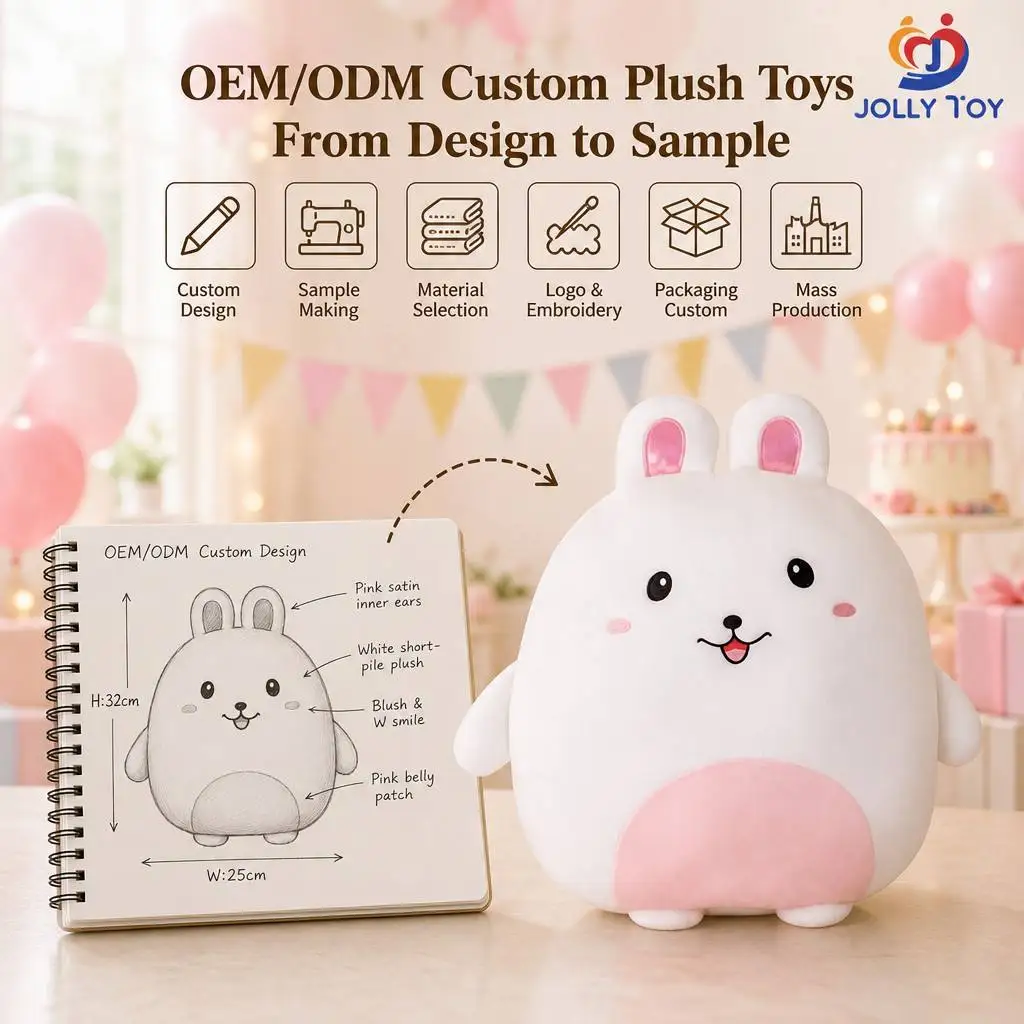
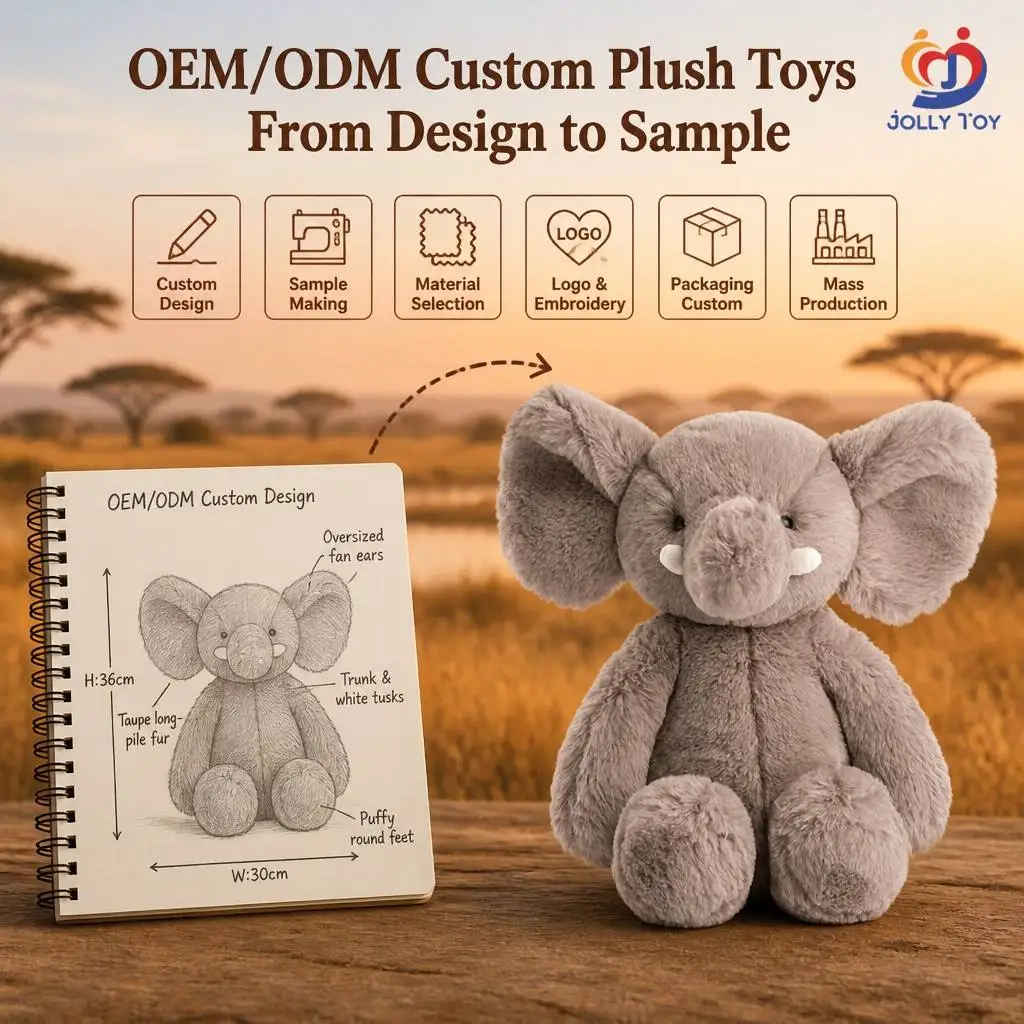
Design and Dimensions: The design must cater to both aesthetics and functionality. Dimensions should be consistent with packaging requirements to optimize shipping space and shelf presence. Buyers should request design specifications to ensure that the toys fit well within their intended packaging.
Production Techniques: Advanced manufacturing techniques such as injection molding for personalized plush toys and embroidery for plush items can enhance product quality. Depending on the selected method, ensure that the manufacturer possesses the necessary capabilities and certifications.
Quality Control Processes: Implementing strict quality control during various production stages is essential. Buyers should inquire about the manufacturer’s quality assurance methods, including pre-production samples, in-process inspections, and final quality checks.
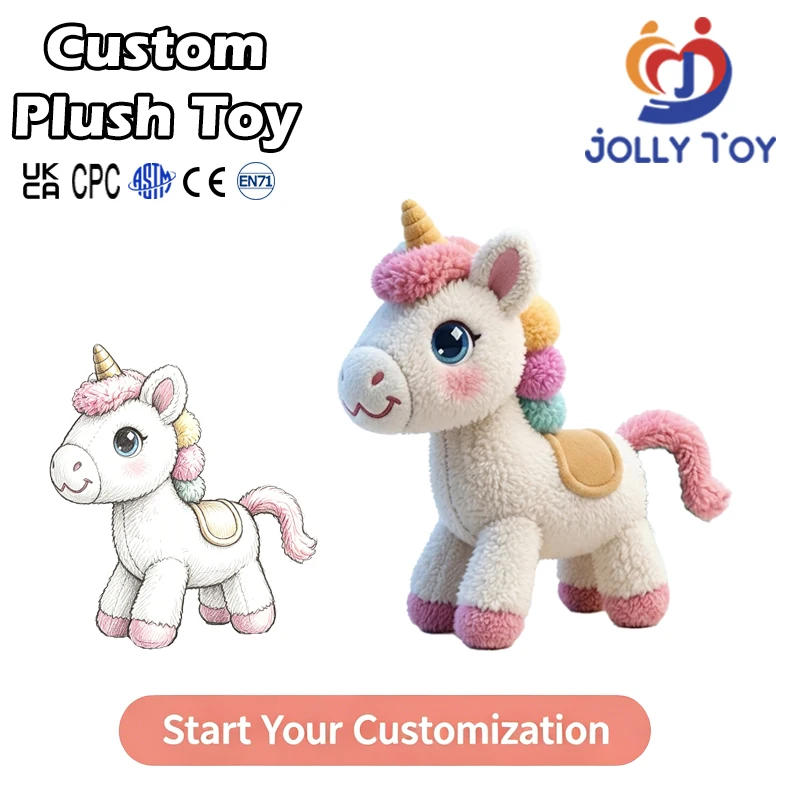
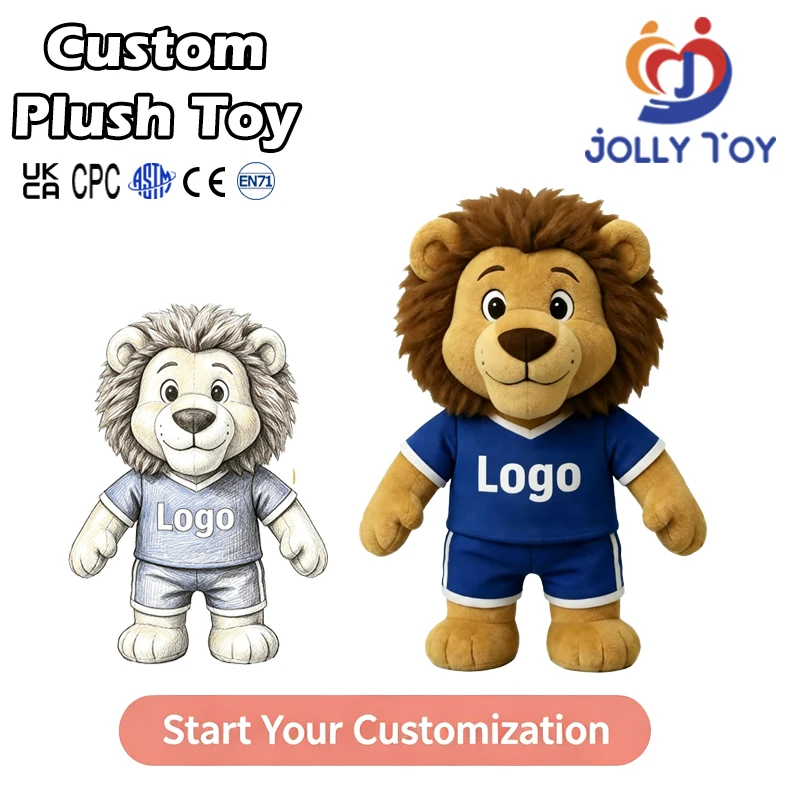
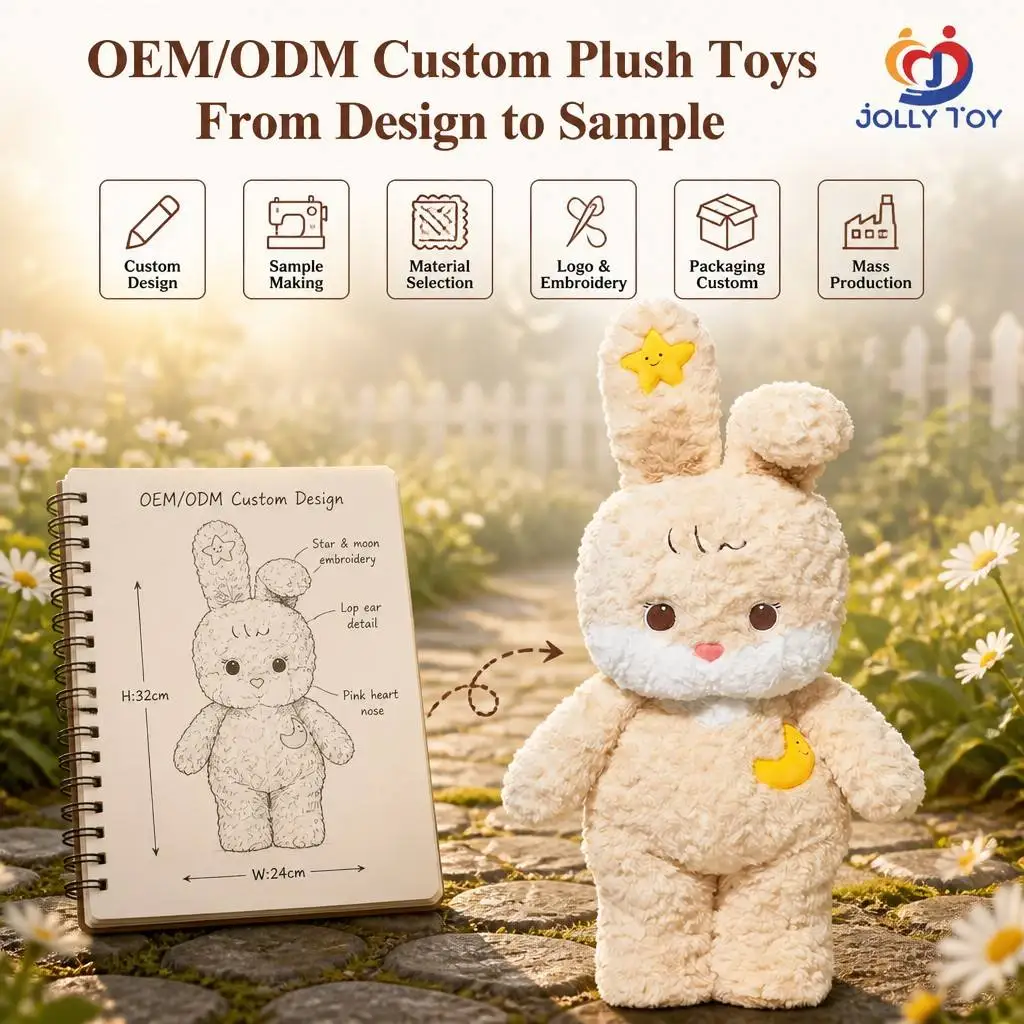
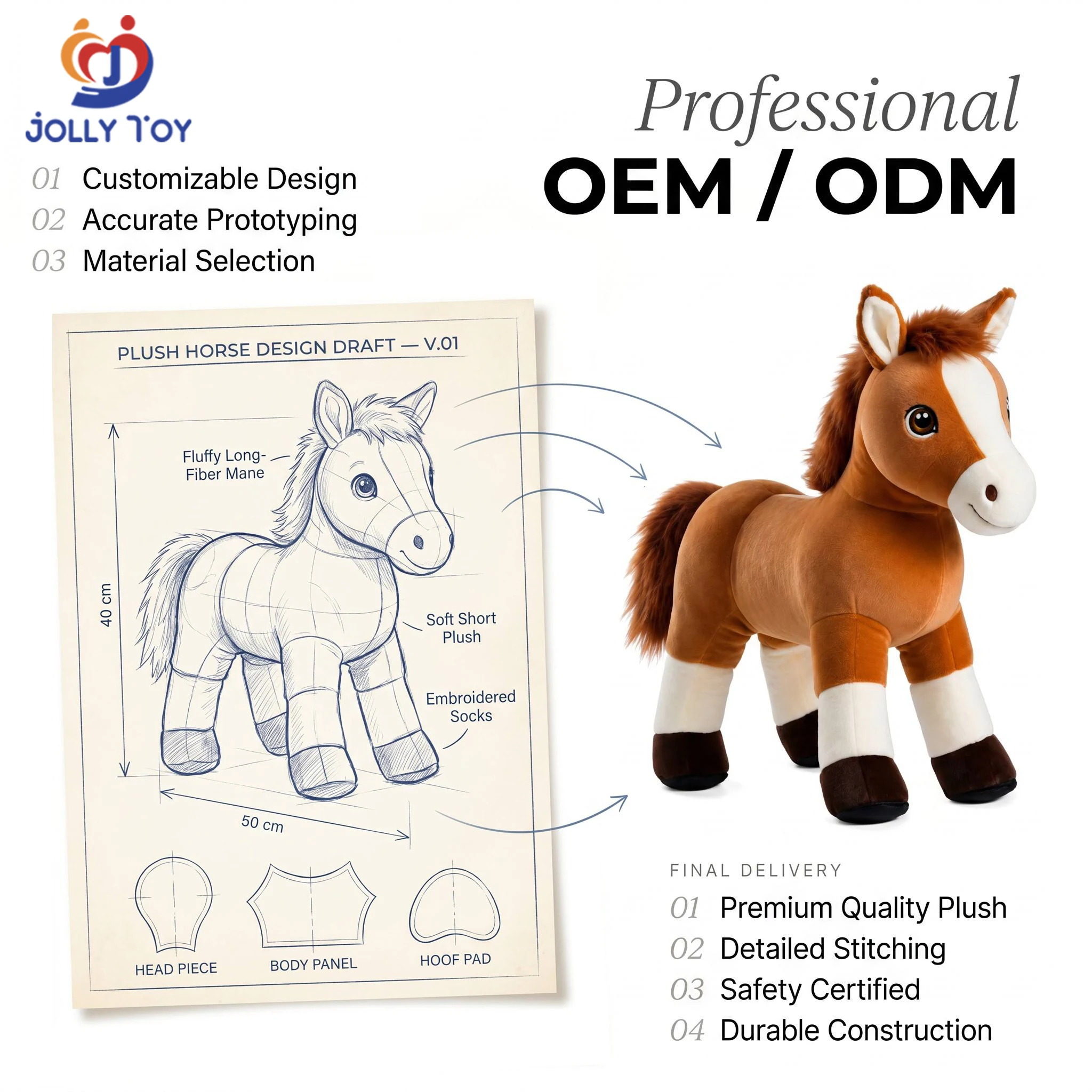
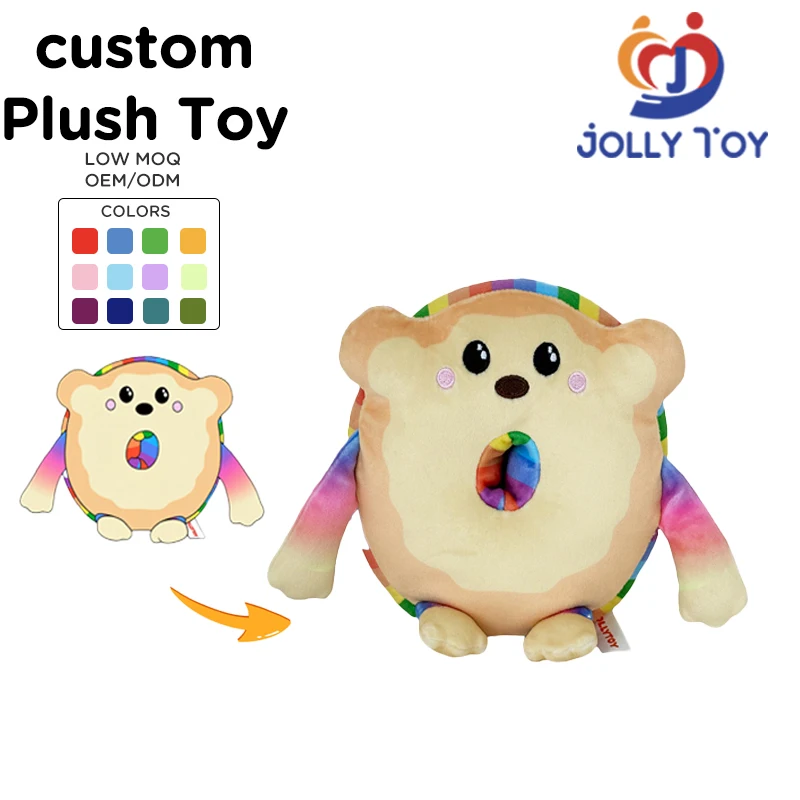
Customization Options: If your branding requires unique designs or packaging, confirm the manufacturer’s capability for customization. This may include variations in size, color, or branded elements, which can help differentiate your products in a competitive market.
Evaluating the quality of Jolly Toy blind box toy manufacturing involves several critical steps:
Request Samples: Before committing to a full order, always request samples to examine the quality of materials, craftsmanship, and overall design. This can help identify any potential issues before mass production.
Certifications: Verify that the manufacturer holds relevant certifications such as ICTI, Sedex, or BSCI. These certifications indicate adherence to ethical manufacturing practices and product safety standards, which are vital for maintaining brand integrity.
Production Capacity and Lead Times: Assess the manufacturer’s production capacity, which in our case is up to 800,000 pieces annually. Understanding lead times is equally important, particularly if you have specific launch dates or seasonal demands.
Factory Visits: If feasible, visiting the manufacturing facility can provide insights into their operational capabilities and quality control processes. Observing the machinery used and the working conditions can help build confidence in their production standards.
Customer Reviews and References: Seek feedback from other clients who have worked with the manufacturer. Positive testimonials can be indicative of reliable quality and service.
Finding a trustworthy supplier for custom made stuffed toys can be a daunting task. Here are several effective strategies to locate reliable manufacturers:
Industry Trade Shows: Attending toy industry trade shows can provide opportunities to meet manufacturers face-to-face. This allows you to evaluate their products, discuss customization options, and establish relationships.
Online Marketplaces and Directories: Platforms like Alibaba, ThomasNet, and Global Sources can be useful for sourcing suppliers. Always check for supplier ratings and reviews to gauge their reliability.
Industry Associations: Joining industry associations or networks can provide access to a list of reputable manufacturers. These organizations often have member directories and can offer recommendations based on your specific needs.
Referrals: Utilize your professional network to seek recommendations. Other businesses in the toy industry may have valuable insights into reliable suppliers based on their experiences.
Social Media and Online Forums: Engaging with communities on platforms like LinkedIn or specialized forums can help you connect with industry professionals who may provide supplier recommendations.
Proper installation and display of Jolly Toy blind box toys are crucial for maximizing their appeal in retail environments. Consider the following guidelines:
Display Units: Utilize eye-catching display units that allow for easy access to the toys. Clear acrylic displays can showcase the products while protecting them from damage.
Location and Arrangement: Position displays in high-traffic areas to attract customer attention. Arrange toys in a way that encourages customers to explore and pick up the products.
Lighting: Good lighting can significantly enhance the visibility of your toys. Use spotlights or well-placed LED lights to highlight the display, making the toys more attractive to potential buyers.
Promotional Signage: Incorporate signage that explains the concept of blind box toys and highlights any special promotions. Clear, engaging signage can educate customers and encourage impulse purchases.
Security Measures: Depending on the value of the toys, consider implementing security measures such as locking display cases or security tags to prevent theft.
Blind box toys can fit into various retail scenarios, making them versatile products for different markets. Here are some application scenarios where they can thrive:
Toy Stores: Naturally, toy stores are the primary market for blind box toys. They can be positioned alongside other collectible items or as part of themed displays.
Gift Shops: Blind box toys make excellent gifts due to their collectible nature. Gift shops can use them as impulse buy items near checkout counters.
Theme Parks and Events: Special editions of stuffed plush toys can be created for theme parks or events, appealing to visitors looking for unique souvenirs.
Online Retail: E-commerce platforms can benefit from blind box toys by creating bundled offers or subscription boxes that allow customers to receive new toys regularly.
Promotion Collaborations: Collaborating with popular brands or franchises can increase the appeal of blind box toys, attracting fans and collectors who are eager to purchase exclusive items.
In summary, understanding the specifications, manufacturing quality, and strategic placement of blind box toys can enhance your purchasing decisions and ultimately lead to successful sales in retail environments. By following the guidelines outlined above, B2B buyers can navigate the complexities of sourcing, evaluating, and displaying these products effectively.

 EN
EN
 AR
AR
 CS
CS
 DA
DA
 NL
NL
 FI
FI
 FR
FR
 DE
DE
 EL
EL
 IT
IT
 JA
JA
 KO
KO
 NO
NO
 PL
PL
 PT
PT
 RU
RU
 ES
ES
 SV
SV
 IW
IW
 UK
UK
 TR
TR
 AF
AF
 GA
GA
 IS
IS
 LA
LA