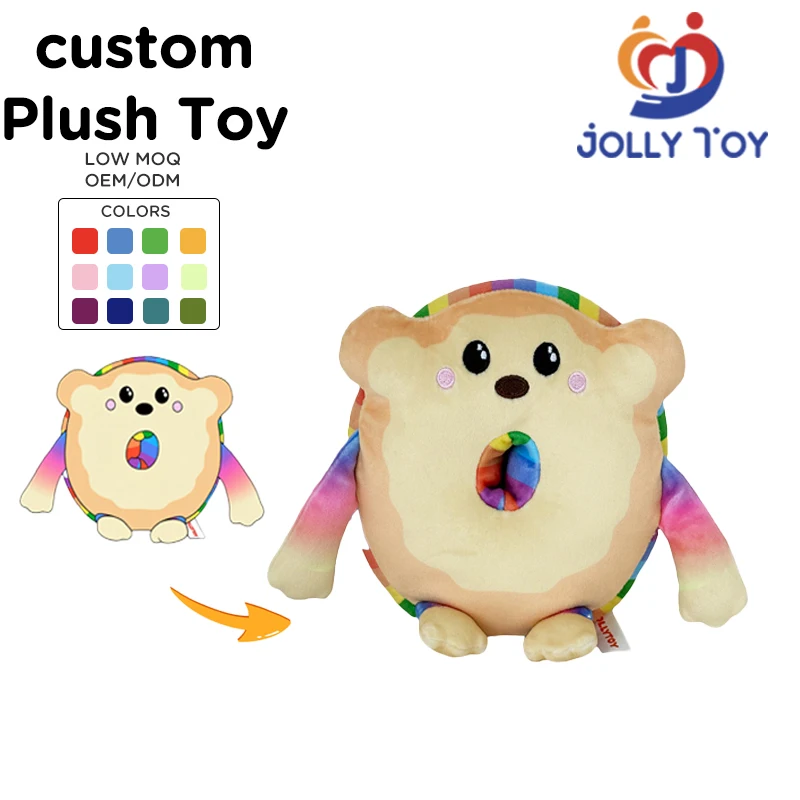
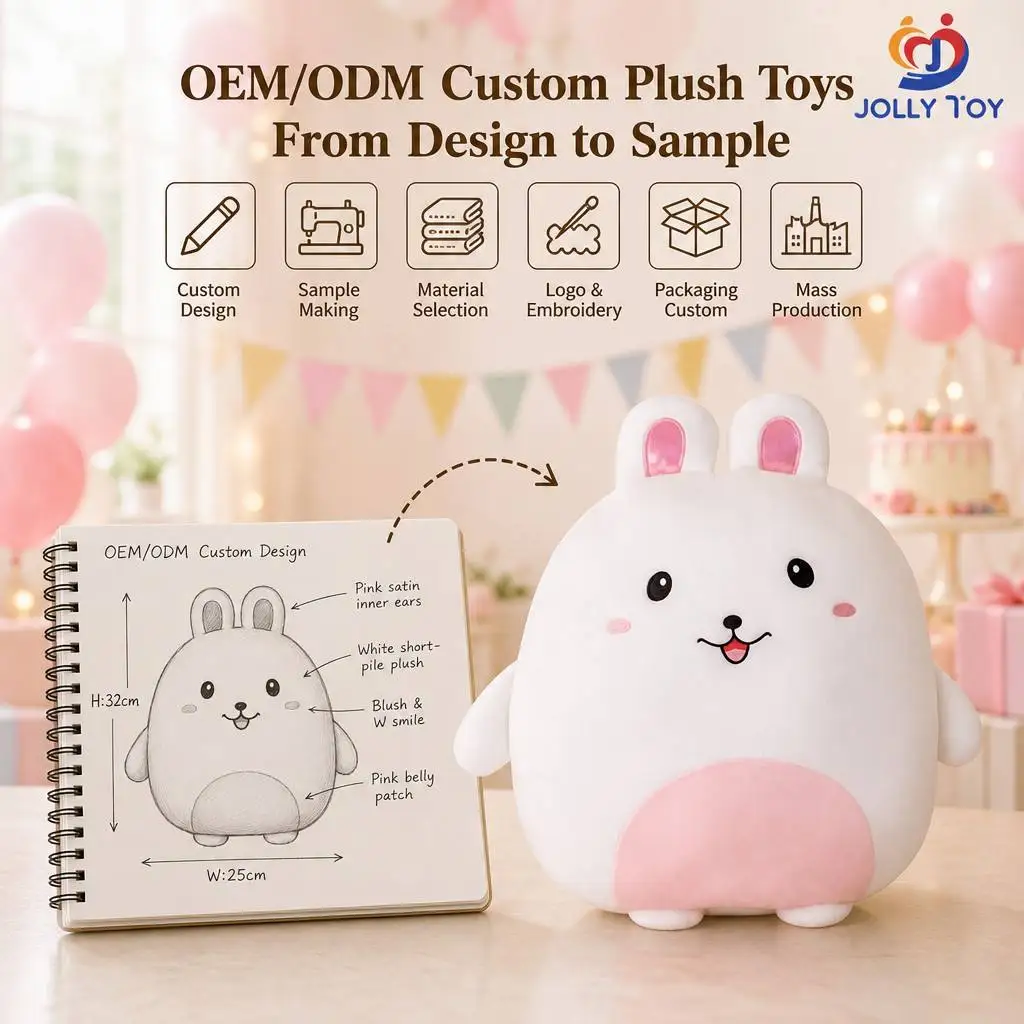
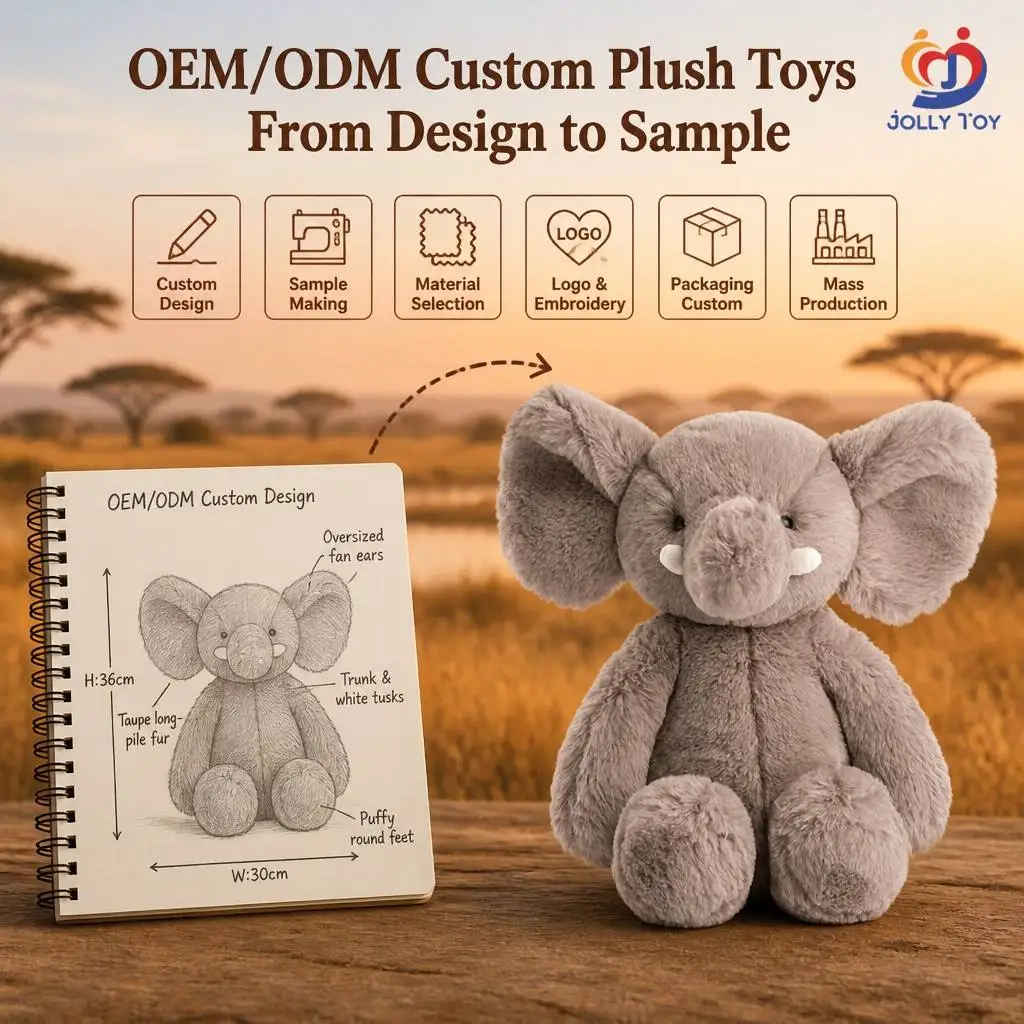
Choosing quality dog toys for wholesale purchasing requires careful consideration of various factors. As a B2B buyer, your primary concerns likely revolve around product durability, safety, compliance standards, and the potential for customization, we will guide you through the essential elements to consider when sourcing soft toys, ensuring you make informed decisions that align with your business needs.
When selecting dog toys for wholesale, prioritize quality and safety. Start by assessing the materials used in production. Both plush and plastic offer unique advantages but have different durability levels. Plush toys may be more appealing to smaller or less aggressive dogs, while plastic options often withstand heavy chewing. Look for personalized plush toys that meet relevant safety standards, such as those set by the American Society for Testing and Materials (ASTM) or similar organizations.
Additionally, consider the intended market. Are you targeting retail stores, online sales, or veterinary clinics? Each market may have different preferences regarding toy types, sizes, and colors. Ensure that the products you choose align with your target audience’s expectations.
It's also vital to evaluate the manufacturing process. A reputable manufacturer should provide transparency about their production capabilities, quality control processes, and certifications. This not only ensures compliance with safety standards but also helps build trust with your customers.
When sourcing Jolly Toy dog toys, certain specifications are crucial for ensuring product quality and suitability for your target market. Important aspects to evaluate include:
Material Composition: Determine whether the toys are made from non-toxic, durable materials. For example, high-quality plastics should be BPA-free and phthalate-free. Plush toys should be made of tear-resistant fabric to withstand rough play.
Size and Weight: Consider the size and weight of the toys. Larger breeds may require more robust toys, while smaller breeds may require lighter options. Ensure the toys are appropriately sized to prevent choking hazards.
Durability Ratings: Look for toys that have been tested for durability. Some manufacturers provide durability ratings based on specific testing standards, which can help you choose products that will last longer.
Safety Features: Check for features like reinforced stitching, absence of small parts, and safety certifications. This ensures the toys are safe for dogs of various sizes and chewing strengths.
Understanding these specifications will help you align your product offerings with your customers' preferences and safety requirements.
Sourcing dog toys can present various challenges, including durability issues, safety concerns, and customer dissatisfaction. Here are some common problems and solutions:
Durability Issues: Many dog toys fail due to inadequate material quality. To mitigate this, choose manufacturers with strong material sourcing practices and quality assurance processes. Before placing bulk orders, request samples to test their durability in real-world conditions.
Safety Concerns: Toys that contain harmful materials can lead to serious health issues for pets. Ensure that your supplier adheres to safety standards and provides documentation to verify compliance. Consider conducting independent testing on samples to confirm their safety.
Customer Returns: Unhappy customers often lead to high return rates. To reduce this risk, ensure that product descriptions accurately reflect the toys' features and intended use. Providing clear information on how to choose the right toy for various dog breeds can also enhance customer satisfaction.
By addressing these common issues proactively, you can enhance your product offering and improve customer loyalty.
Pricing is a critical consideration when placing bulk orders for Jolly Toy dog toys. Several factors influence the overall cost:
Material Costs: The choice of materials significantly affects pricing. High-quality materials may incur higher initial costs but can lead to reduced returns and increased customer satisfaction.
Production Volume: Bulk orders typically come with quantity discounts. However, be mindful of minimum order quantities (MOQs), as some manufacturers may require larger quantities to maintain competitive pricing.
Customization Options: Custom designs, colors, or branding can increase costs but may also provide a unique selling proposition. Discuss customization capabilities with your supplier to understand the associated costs.
Shipping and Handling: Factor in shipping costs, especially for international orders. Evaluate different shipping methods and their impact on overall pricing.
By being aware of these cost factors, you can negotiate better pricing and optimize your budget for custom made stuffed toys.
The choice between plush and plastic dog toys depends on various factors, including the target market and the intended use of the toys. Here’s a breakdown of the advantages of each:
Plush Dog Toys:
Soft and Cuddly: Jolly Toy Plush toys are often preferred by smaller dogs or those that enjoy snuggling. They provide comfort and serve as companions.
Variety of Designs: Plush toys come in various shapes and sizes, making them appealing to a wider audience.
Less Aggressive Chewers: For dogs that are not aggressive chewers, plush toys can be a safe option.
Plastic Dog Toys:
Durability: Plastic toys tend to last longer, especially with aggressive chewers. They are often designed to withstand heavy use.
Easy to Clean: Plastic toys are generally easier to clean than plush toys, making them suitable for outdoor use.
Interactive Features: Many plastic toys come with interactive elements, such as squeakers or treat dispensers, which can engage dogs more effectively.
Understanding these material advantages will help you tailor your product selection to meet the needs of your customers, whether they prioritize durability or comfort.

 EN
EN
 AR
AR
 CS
CS
 DA
DA
 NL
NL
 FI
FI
 FR
FR
 DE
DE
 EL
EL
 IT
IT
 JA
JA
 KO
KO
 NO
NO
 PL
PL
 PT
PT
 RU
RU
 ES
ES
 SV
SV
 IW
IW
 UK
UK
 TR
TR
 AF
AF
 GA
GA
 IS
IS
 LA
LA