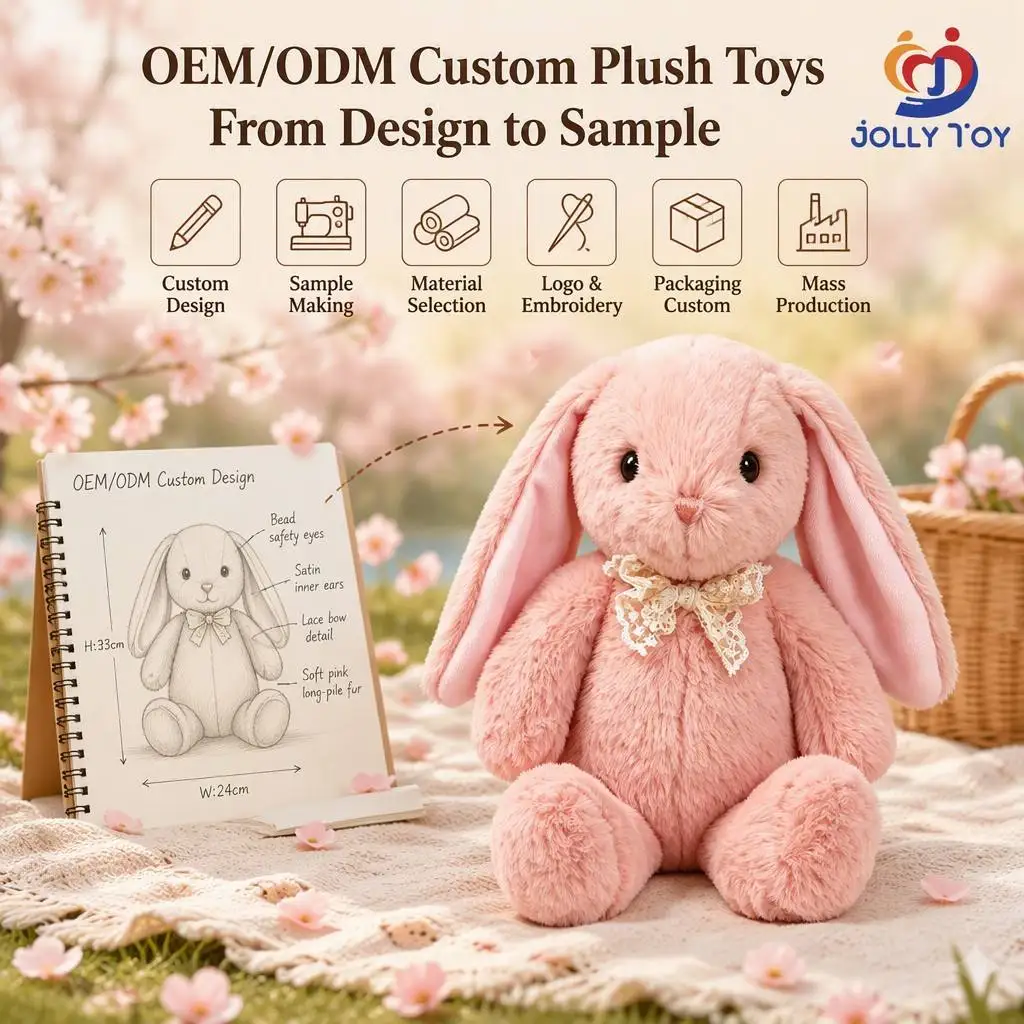
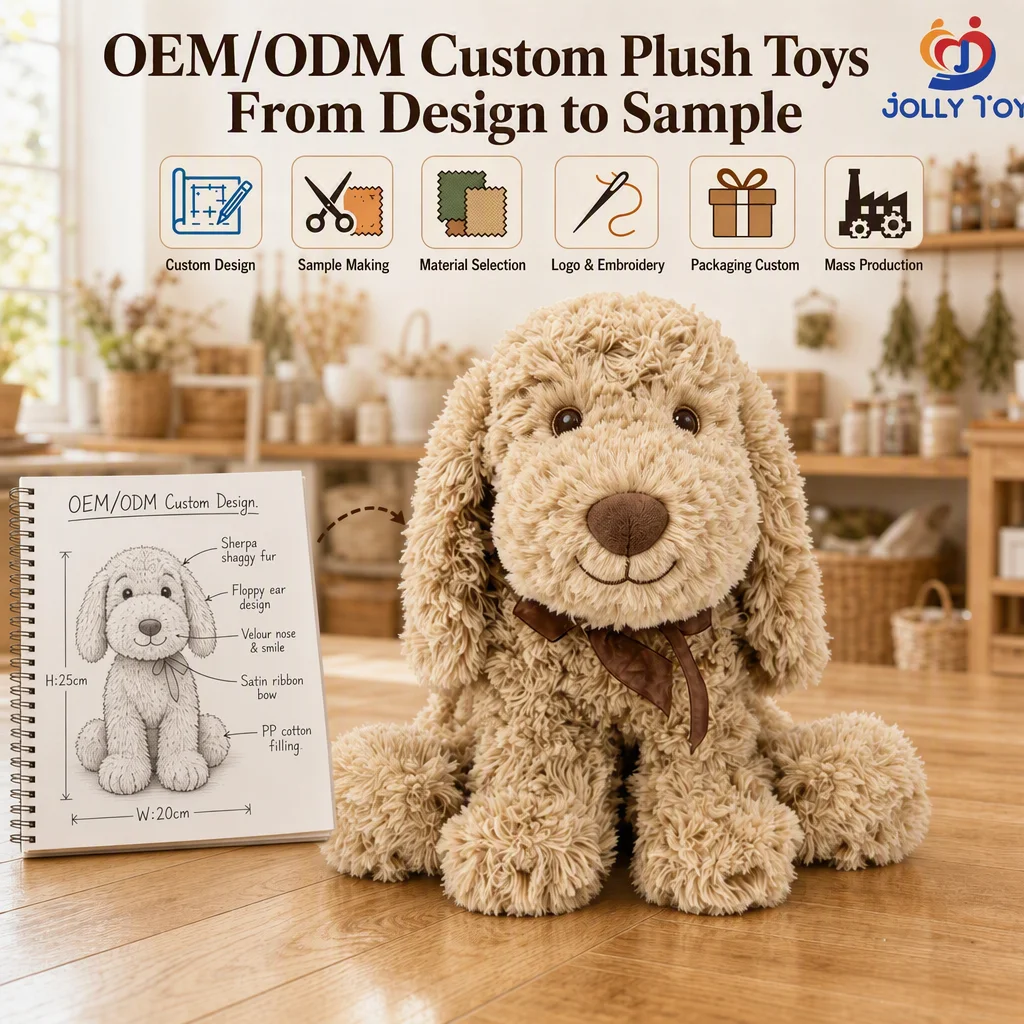
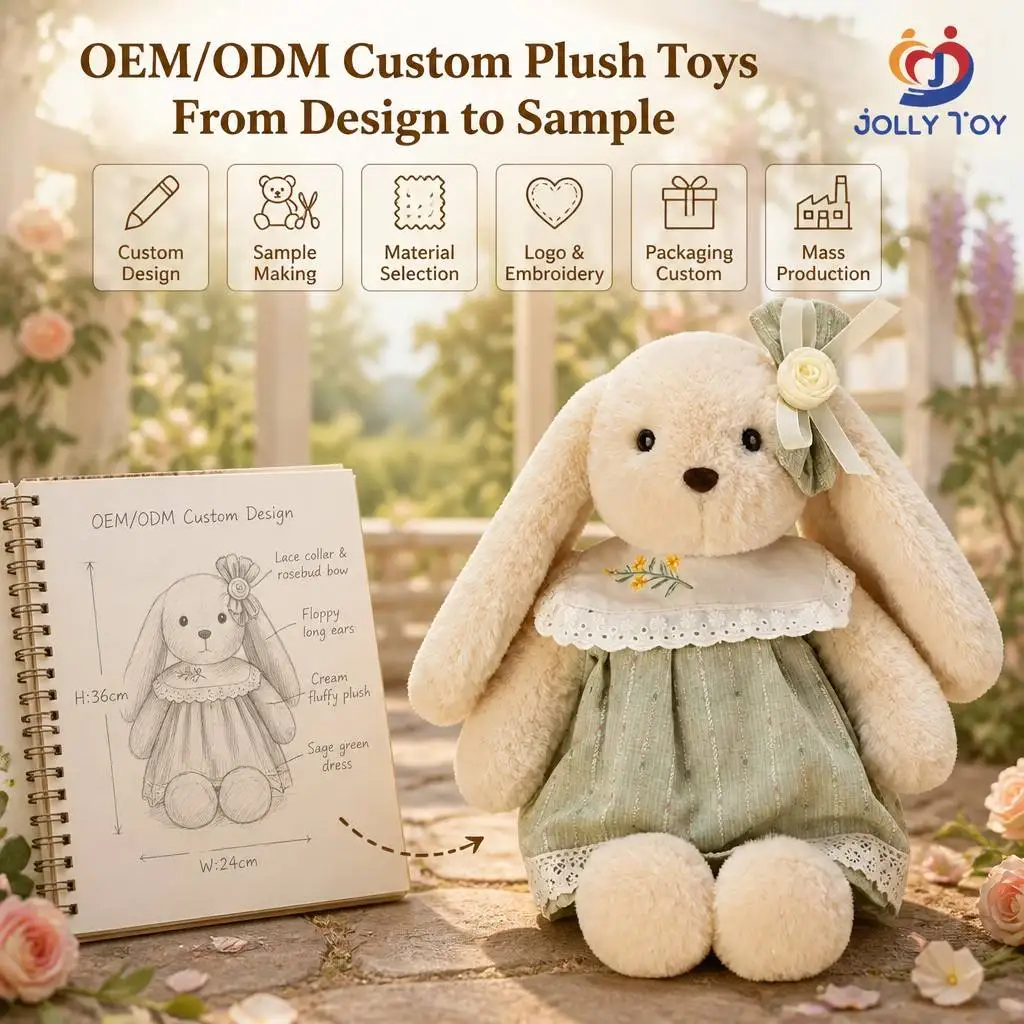
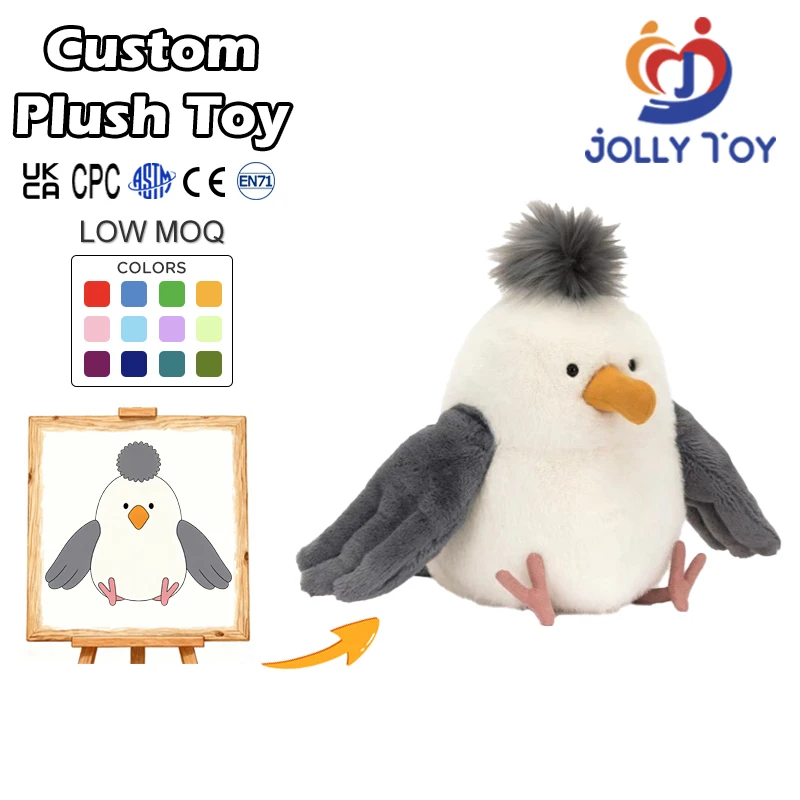
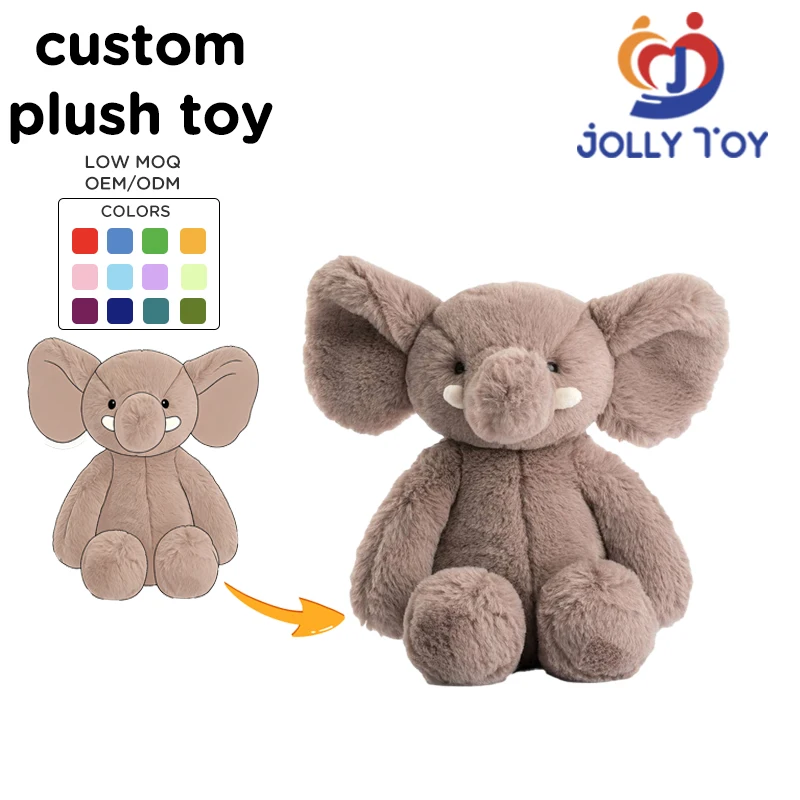
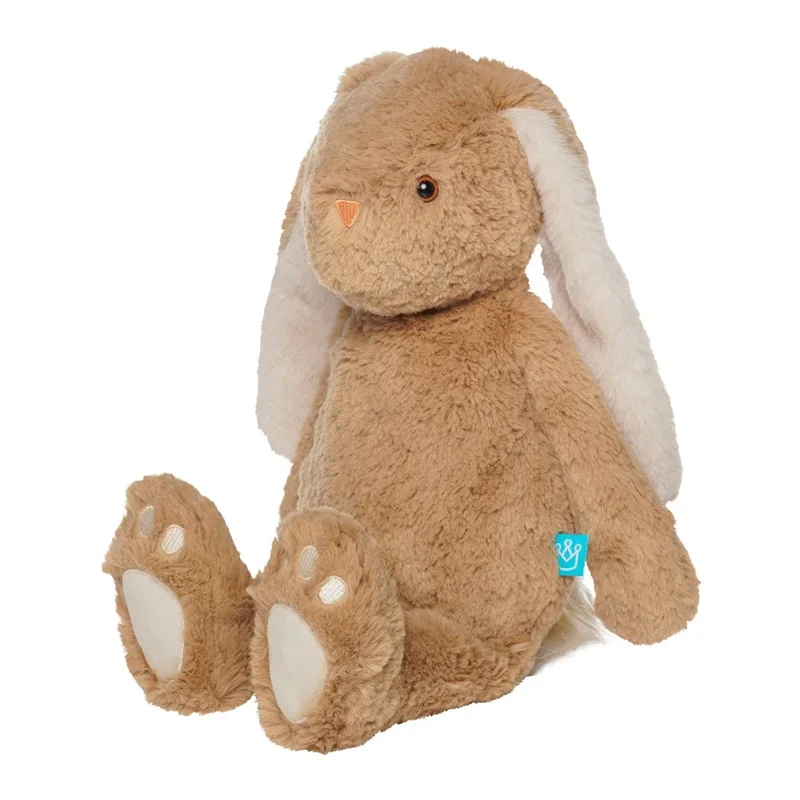
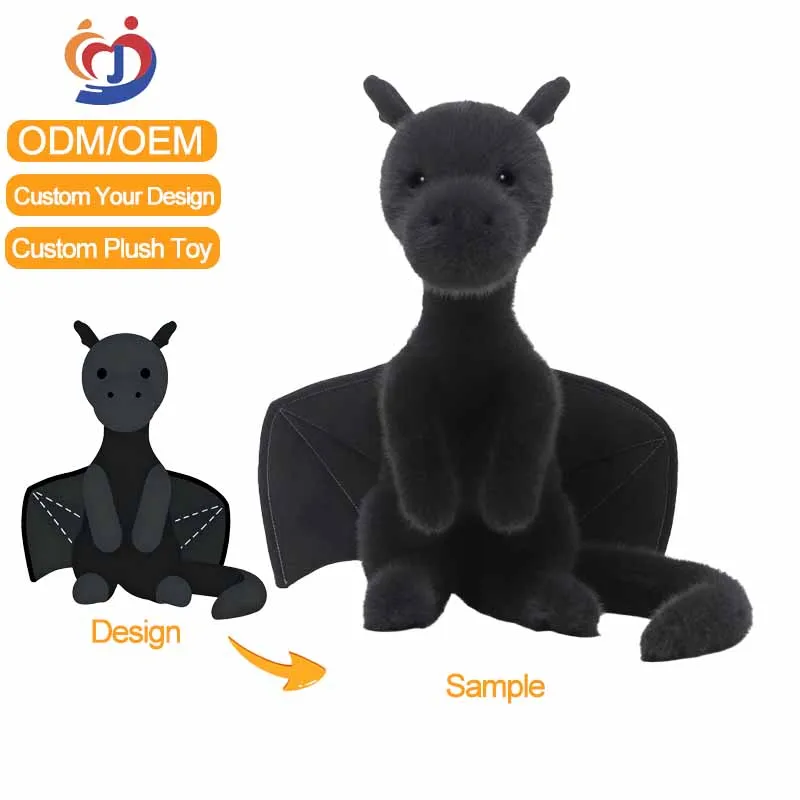
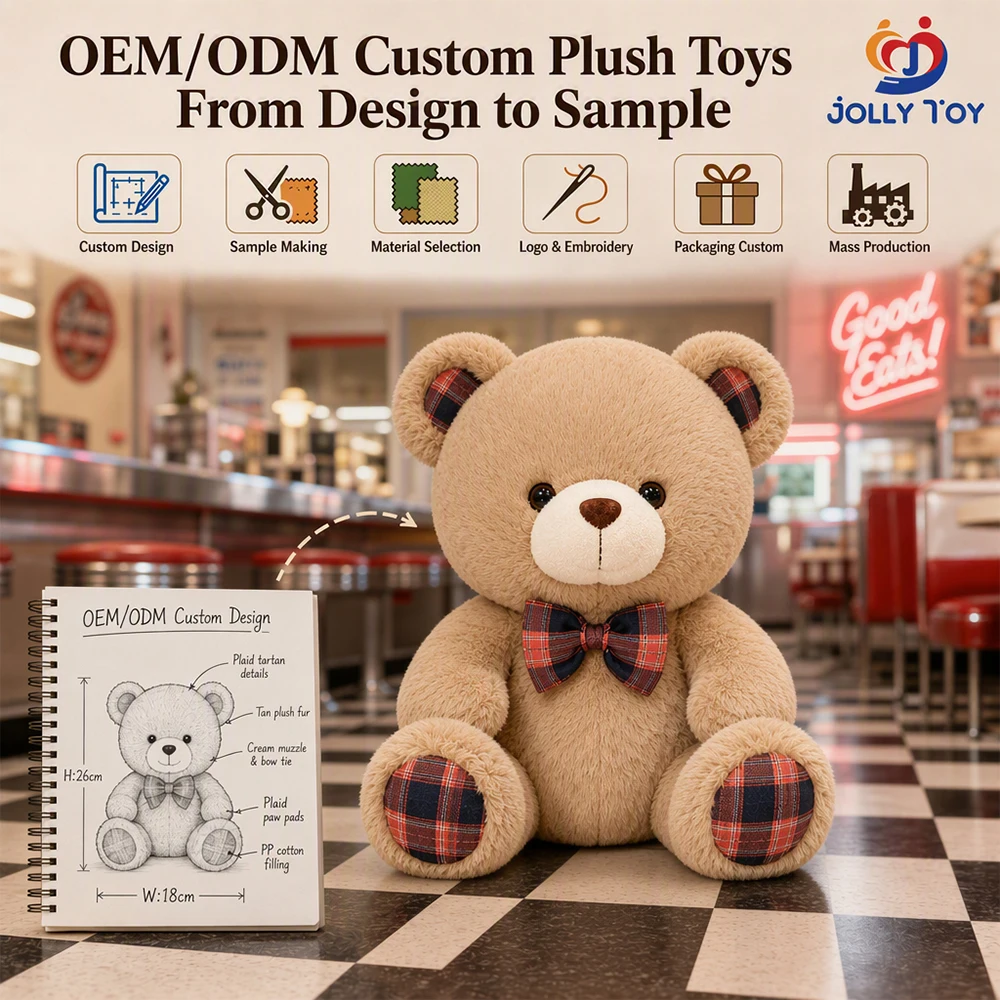
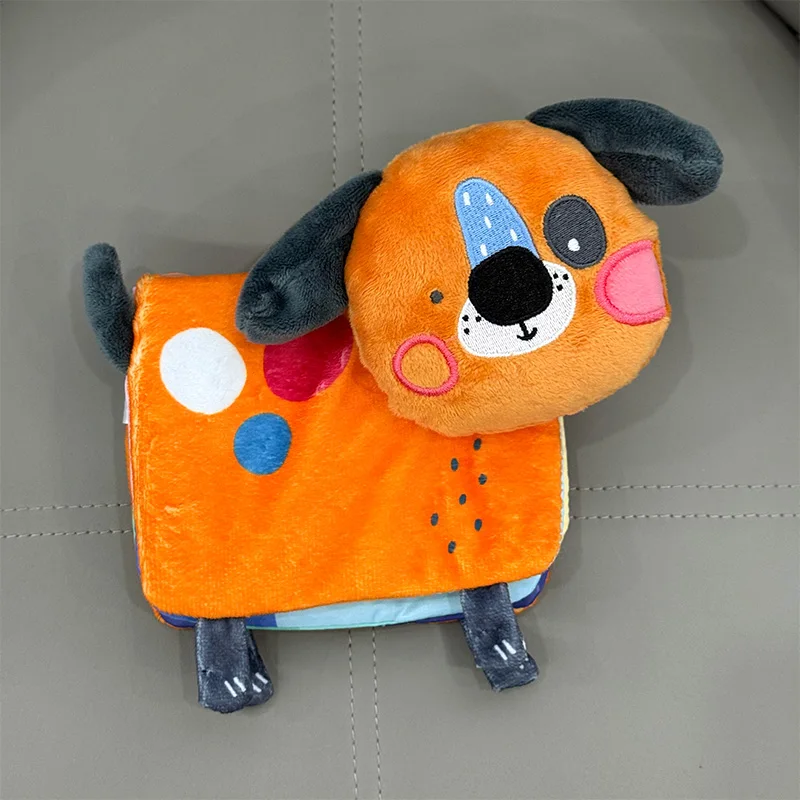
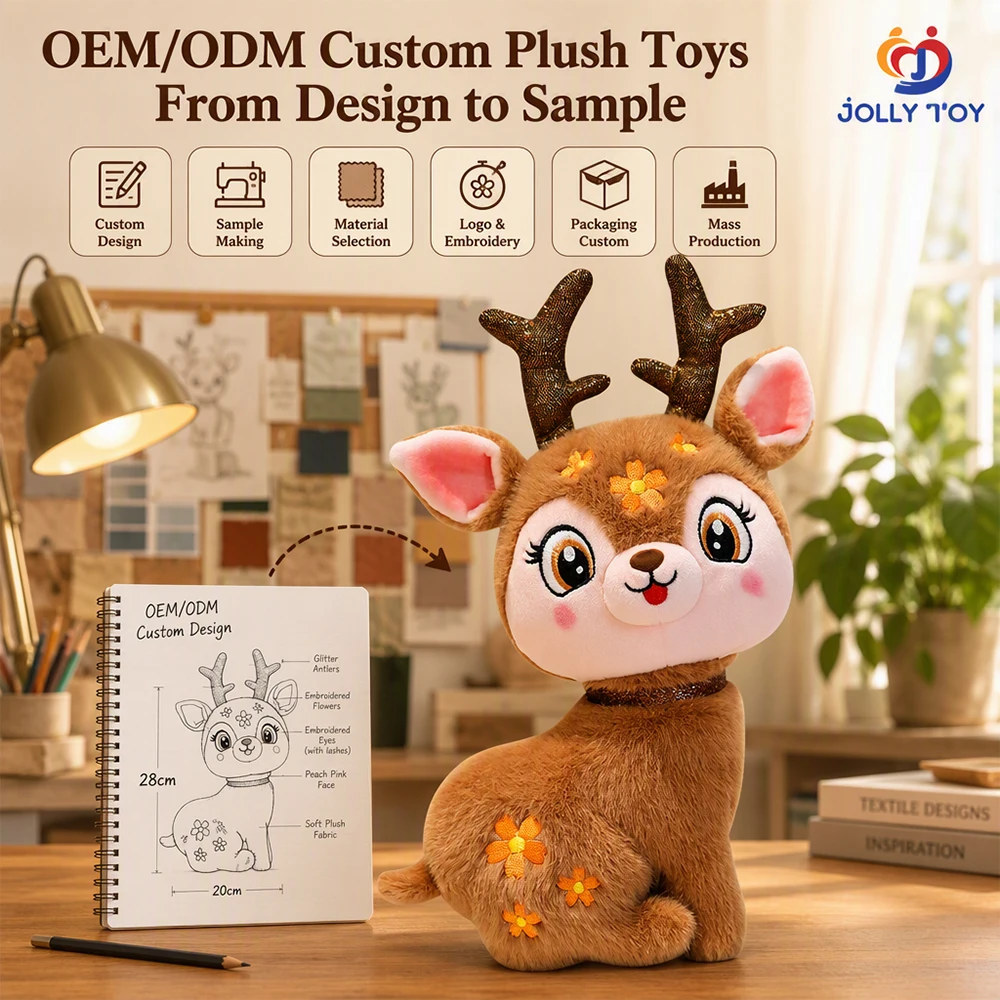
Custom pet plush toys have become increasingly popular among businesses looking to offer unique products in the pet market. With their soft texture and customizable designs, these toys serve as effective promotional items and retail products. For B2B buyers—such as purchasing managers and product managers—understanding the nuances of custom plush pet toys is crucial for ensuring quality and suitability for their target audiences. This article will provide insights into evaluating quality, specifications, installation, material advantages, and applications of custom pet plush toys, helping you make informed purchasing decisions.
When evaluating the quality of custom pet plush toys, several key factors should be considered. First, inspect the stitching and seams; high-quality toys will have tight, consistent stitching that minimizes the risk of tearing. Additionally, the plush material should feel soft and durable, as it directly impacts the user's experience. It’s also essential to check for any loose parts or small components that could pose choking hazards to pets. Conducting a thorough quality inspection process before placing a bulk order is essential. Request samples of the custom pet plush toys, and perform tests that reflect actual usage conditions. This includes checking for Colorfastness, durability under stress, and the safety of materials used, especially if the toys are intended for chewing. Ensuring that the pet toy manufacturer has relevant certifications, such as ICTI, Sedex, or BSCI, can also help confirm their commitment to quality and social compliance.
Understanding the specifications of custom pet plush toys is vital for ensuring they meet your project requirements. Key specifications include dimensions, material types, and safety standards. For example, the size of the toy should be appropriate for the target pet sizes (eg., small breeds versus large breeds) to avoid safety issues. Material selection is another crucial specification. Plush toys can be made from various fabrics, including polyester, cotton, and blends. Each material has its benefits; for instance, polyester is often more durable and resistant to wear, while cotton is softer and more breathable. Additionally, if your toys are intended for outdoor use, consider materials that can withstand moisture or UV exposure. Buyers should also confirm any customization options available. This includes the choice of colors, patterns, and the ability to add features like squeakers or crinkle sounds. By comparing these specifications, you can ensure that the toys not only fit your brand image but also appeal to your target market.
Effectively displaying custom pet plush toys in retail environments can significantly impact sales. Start by considering the layout and design of your retail space. Ensure that plush toys are positioned at eye level for easy visibility. Use attractive signage that highlights the unique features of your custom toys, such as their safety, quality, and customization options. Use display fixtures that allow for easy access to the toys, encouraging customers to interact with them. Consider themed displays that resonate with pet owners, such as seasonal or holiday promotions. Additionally, ensure that the toys are clean and well-maintained, as presentation plays a critical role in attracting buyers. Consider offering promotional bundles that combine custom pet plush toys with other pet-related products. This strategy can enhance the perceived value and encourage larger purchases. Lastly, be prepared to adjust your displays based on customer feedback and sales trends to maximize effectiveness.
The material used in custom pet plush toys significantly influences their overall quality and safety. Plush toys are commonly made from synthetic fibers like polyester and natural fibers like cotton. Polyester is known for its durability and resistance to wear and tear, making it ideal for toys that may undergo rough play. On the other hand, cotton is a softer alternative that can be more appealing for pets with sensitive skin. Moreover, consider the filling material used in plush toys. High-quality toys often use non-toxic, hypoallergenic stuffing materials, which are essential for ensuring pet safety. It's important to verify that all materials meet safety standards to avoid harmful chemicals that could endanger pets. When selecting materials, think about the intended use of the toys. If the toys are meant for chewing, a more robust material may be necessary, while toys designed for cuddling can benefit from softer, plush fabrics. Always consult with the manufacturer to ensure that your material choices align with your quality assurance goals.
Custom pet plush toys can serve multiple purposes in retail and promotional strategies. For retailers, these toys can enhance product offerings, attract foot traffic, and create a unique shopping experience. By incorporating custom branding or unique designs, retailers can differentiate their products in a competitive market. Promotional strategies could include using custom pet plush toys as giveaways or incentives for customer loyalty programs. They can also be effective in trade shows or events to attract attention and engage potential customers. Offering limited-edition designs or seasonal variations can stimulate interest and encourage repeat purchases. Consider the target audience when developing promotional campaigns. Engaging pet owners through social media with photos and videos of their pets enjoying the plush toys can create a community around your brand. This not only enhances brand loyalty but also encourages word-of-mouth marketing, which is invaluable in the pet industry. By understanding the quality, specifications, installation, material advantages, and applications of custom plush pet toys, B2B buyers can make well-informed purchasing decisions that align with their business objectives.

 EN
EN
 AR
AR
 CS
CS
 DA
DA
 NL
NL
 FI
FI
 FR
FR
 DE
DE
 EL
EL
 IT
IT
 JA
JA
 KO
KO
 NO
NO
 PL
PL
 PT
PT
 RU
RU
 ES
ES
 SV
SV
 IW
IW
 UK
UK
 TR
TR
 AF
AF
 GA
GA
 IS
IS
 LA
LA