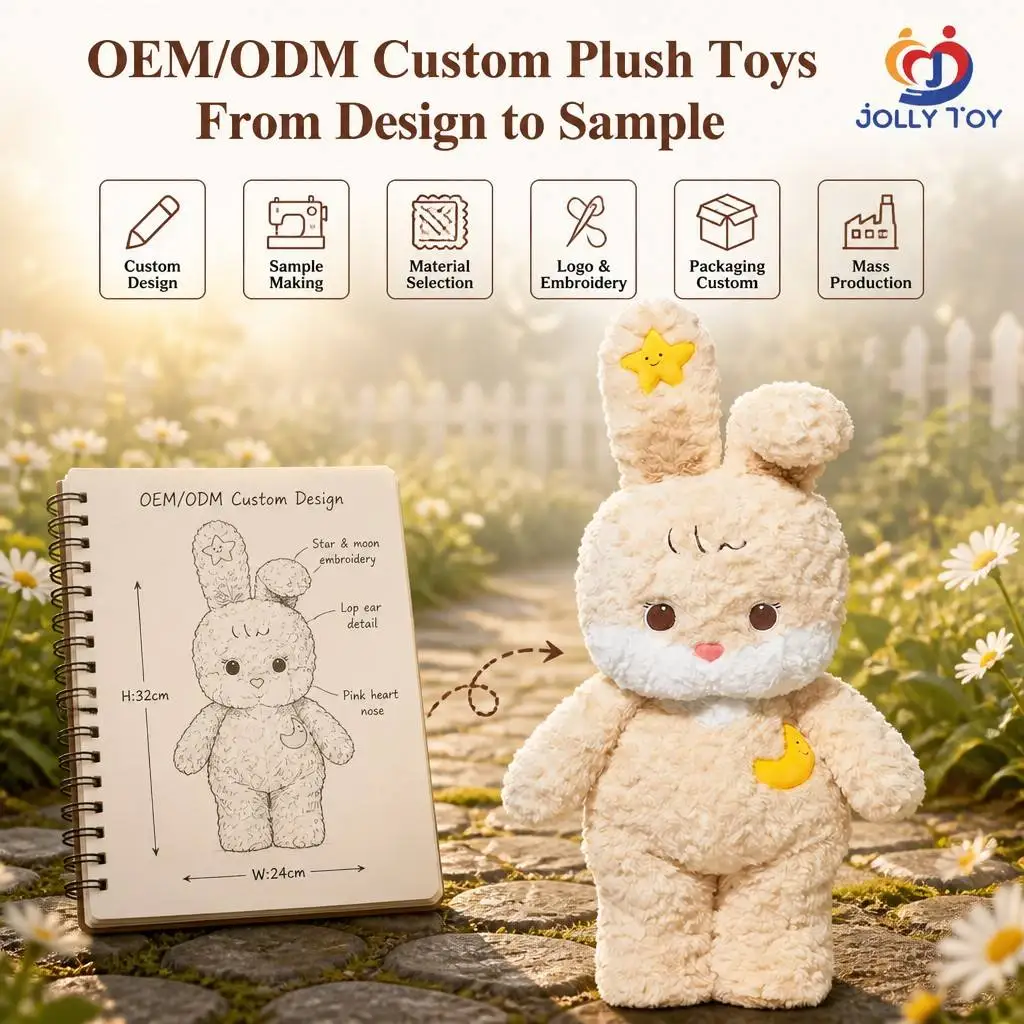
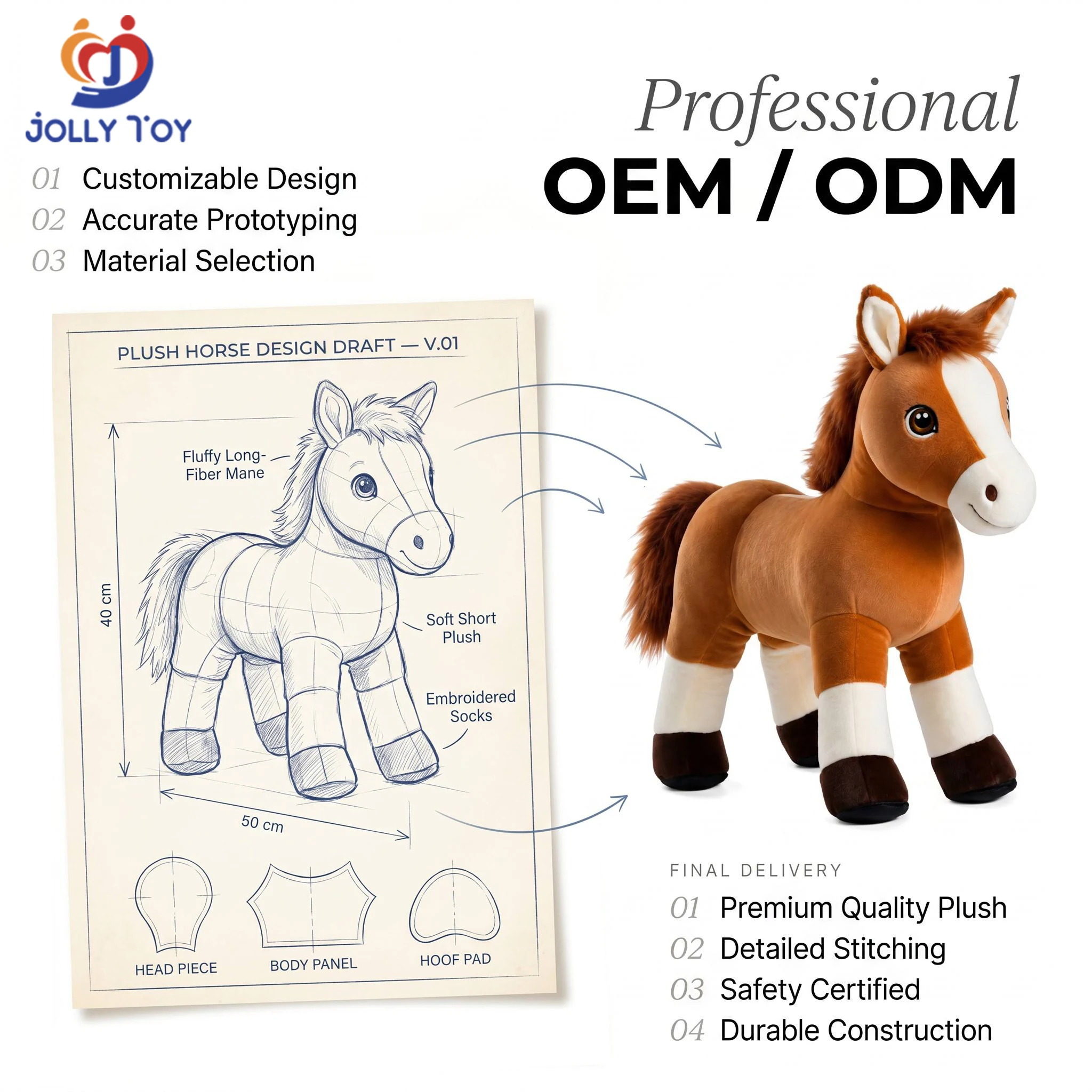
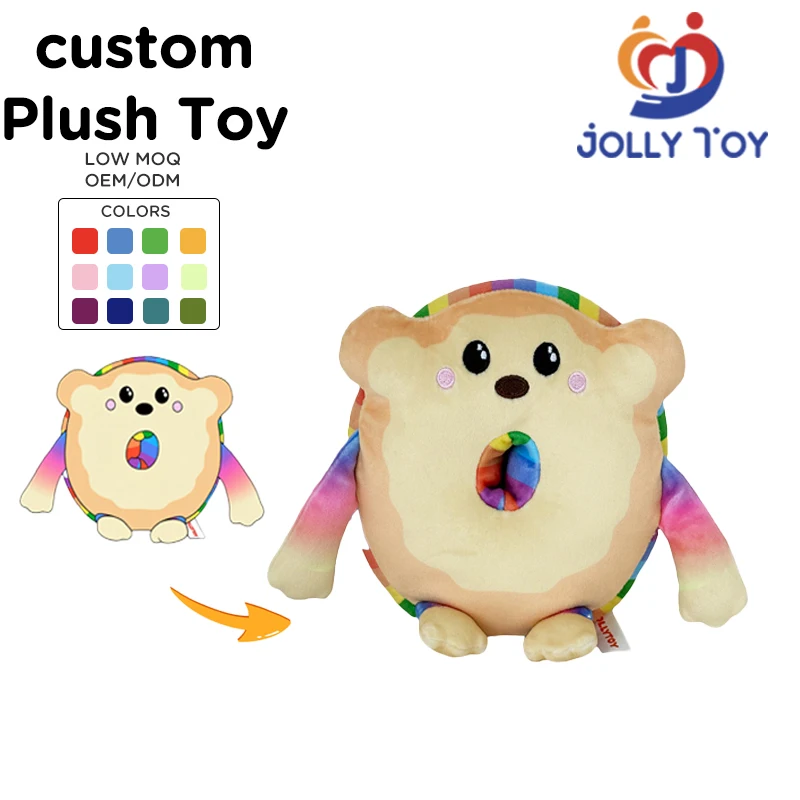
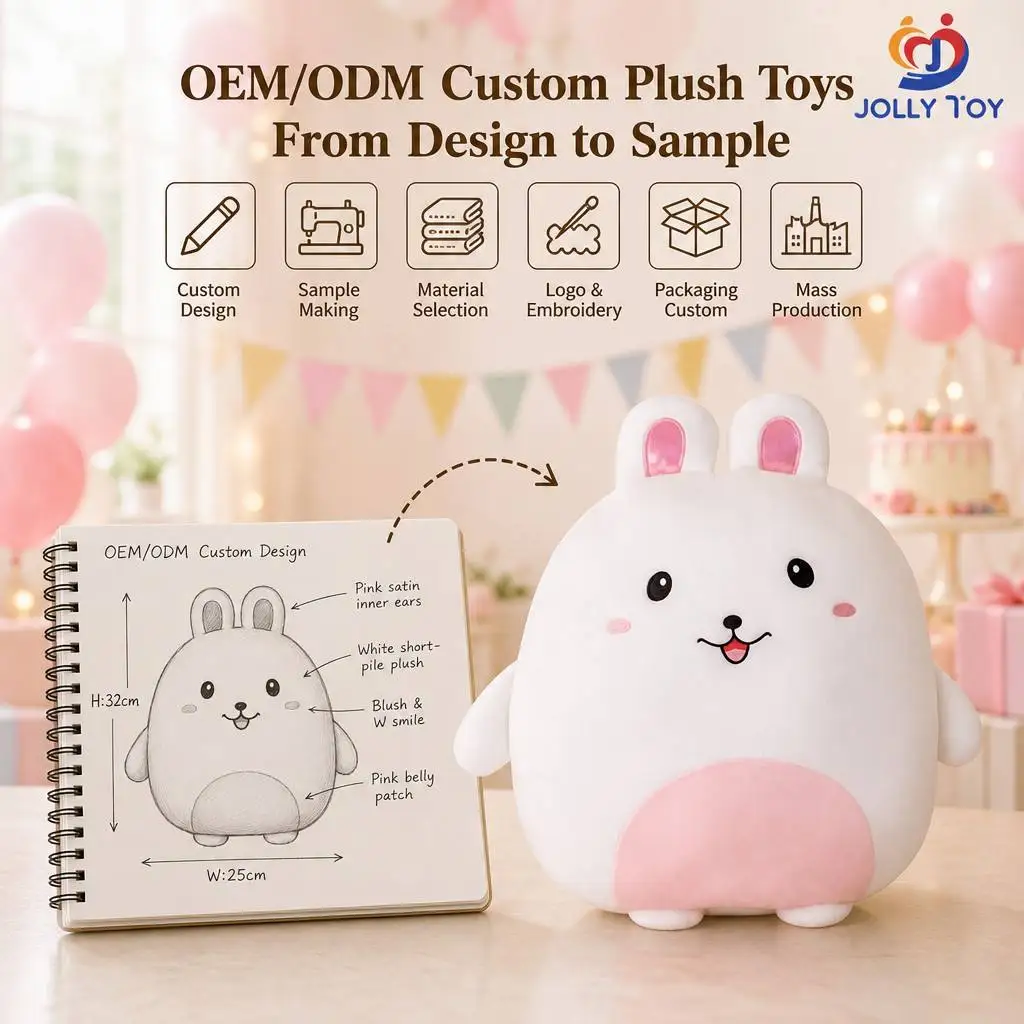
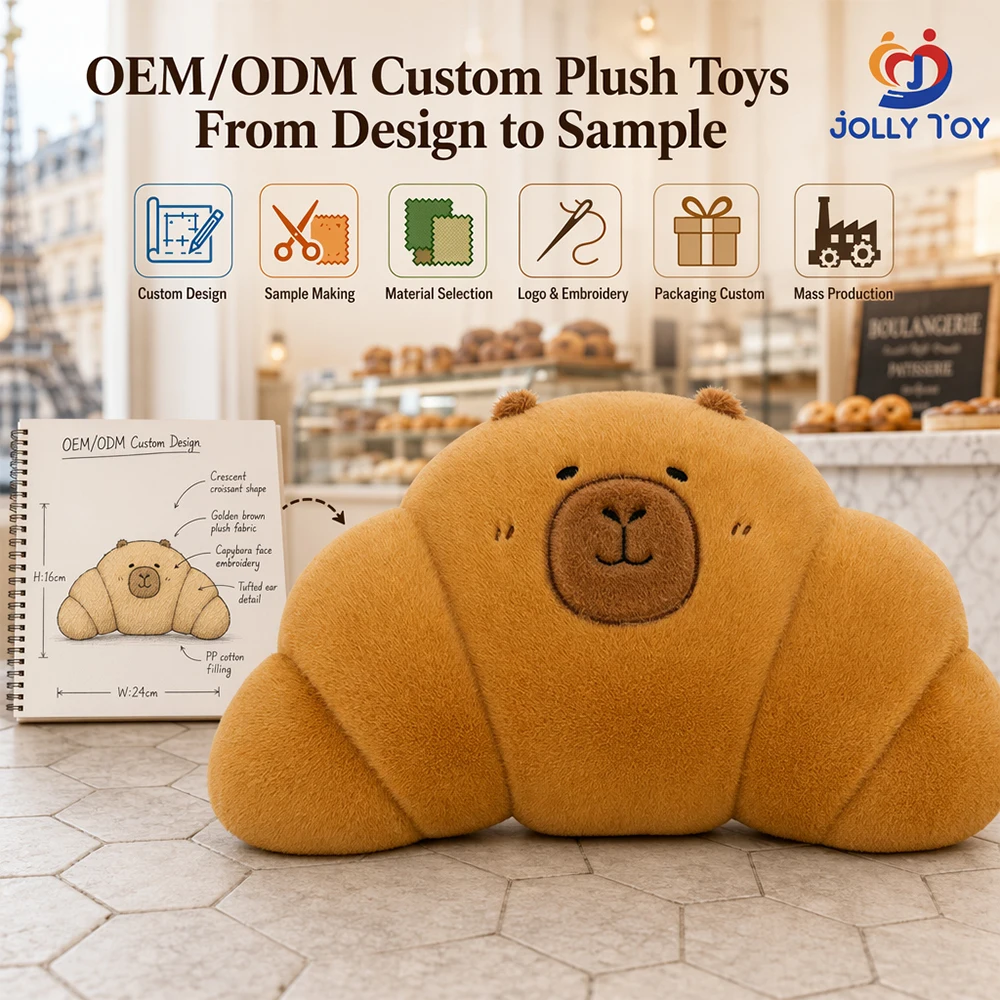
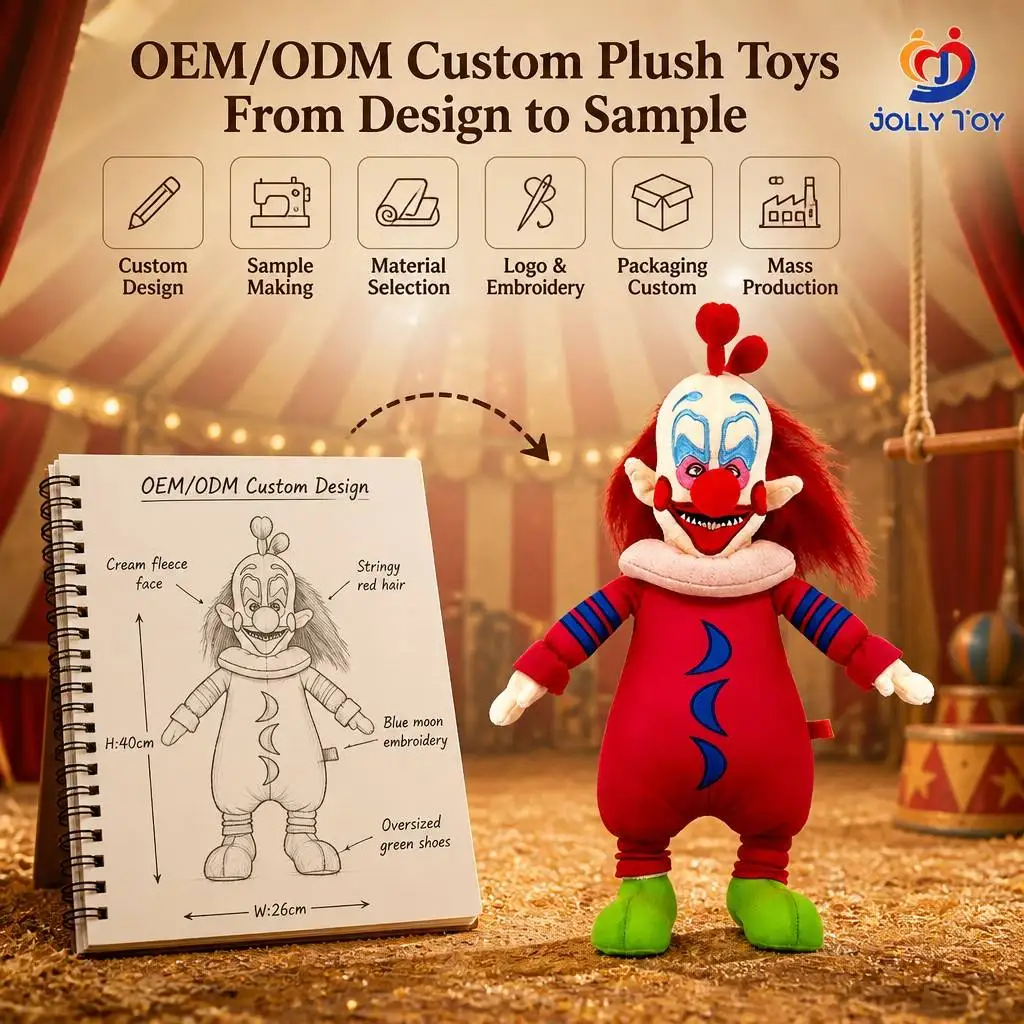
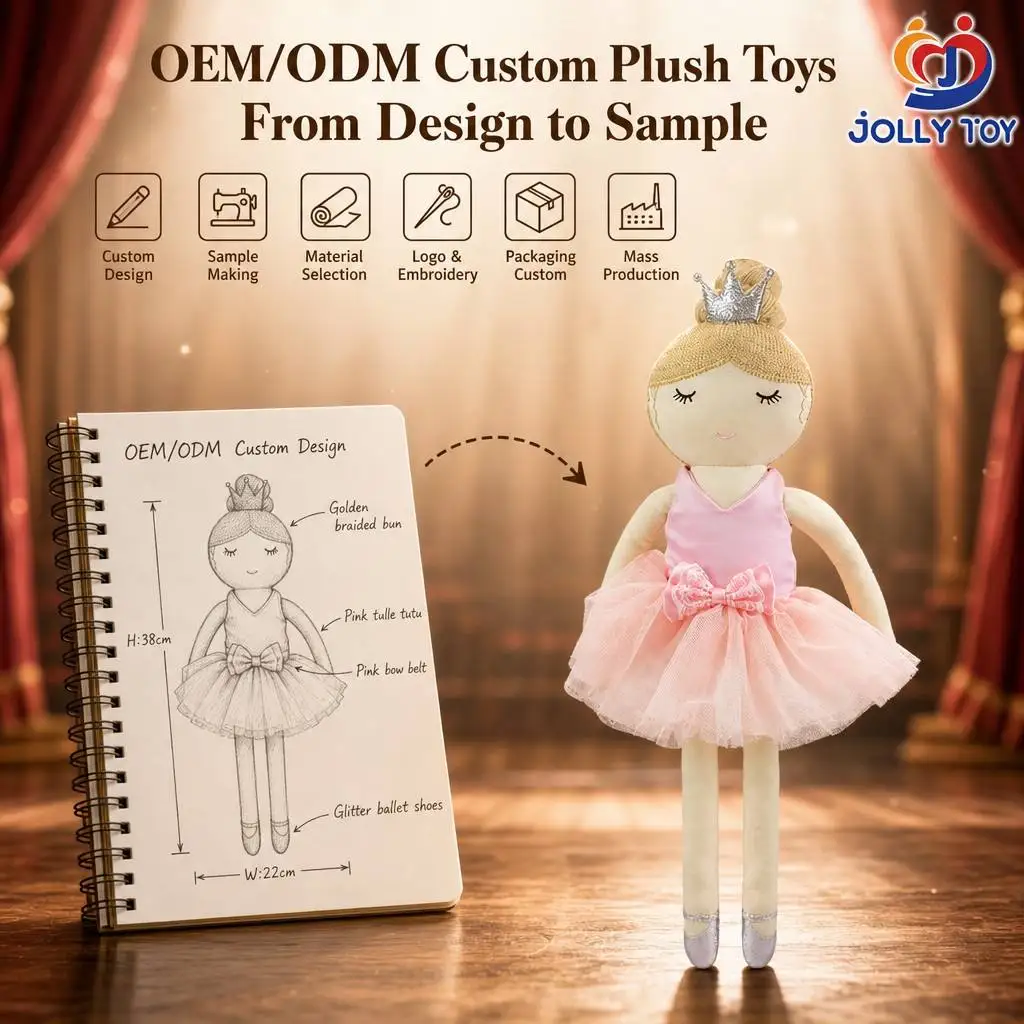
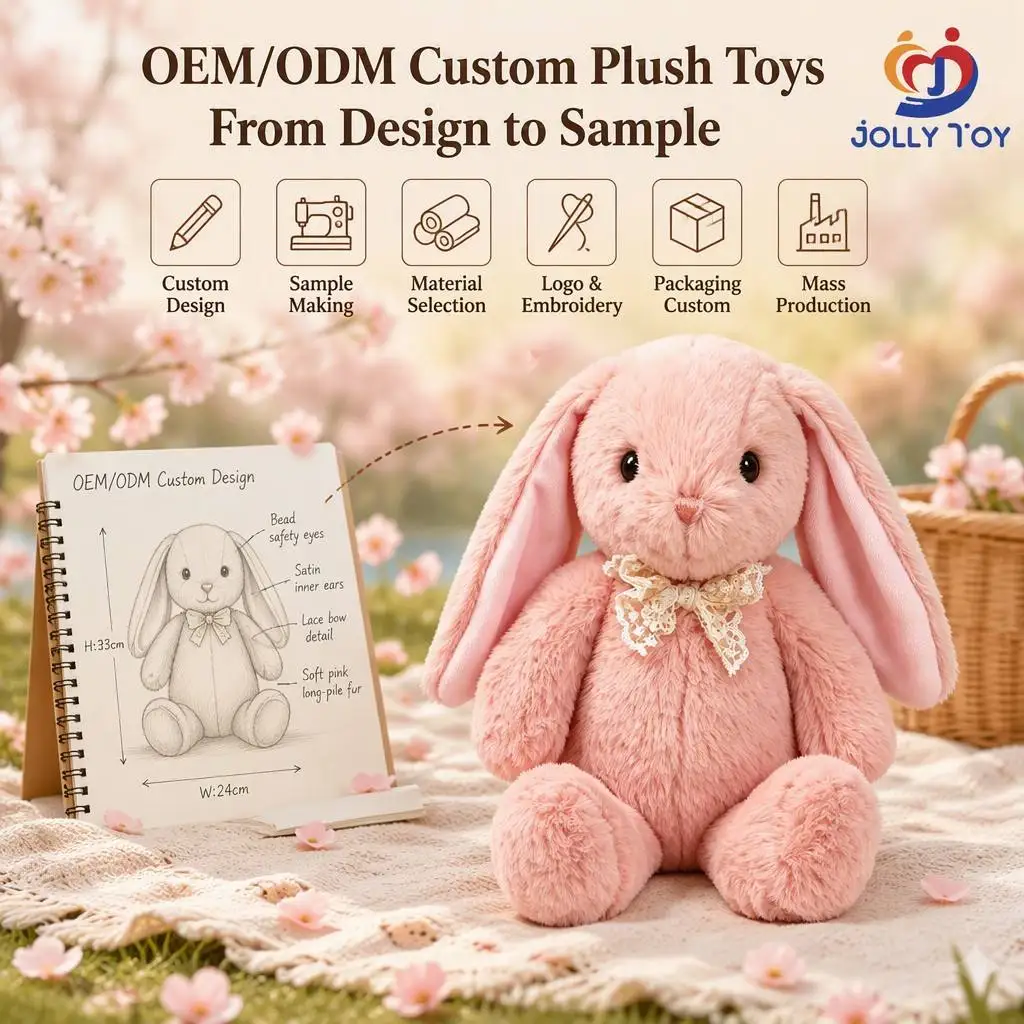
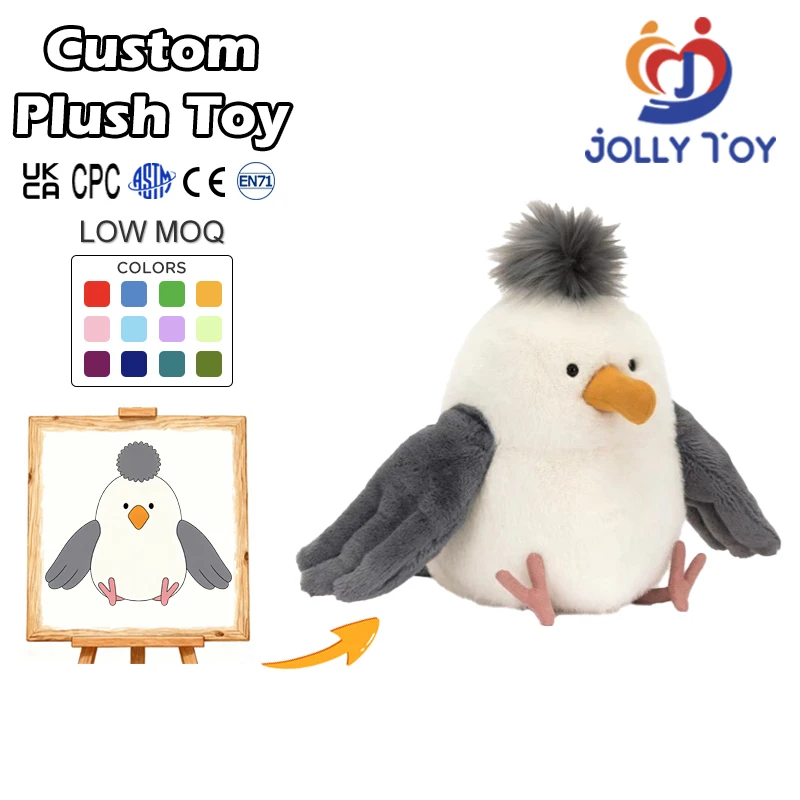
Custom plush pets have become increasingly popular in various markets, offering a unique combination of personalization and comfort. As a B2B buyer, understanding how to effectively select and source these Jolly Toy products is crucial. Whether you are a purchasing manager, distributor, or product manager, this article will provide valuable insights into choosing the right personalized plush animals, cost factors, and the diverse needs of buyers.
Selecting the right custom plush pet products involves several key considerations. First, it's essential to define the target audience and the intended purpose of the plush pets. Are they meant for promotional giveaways, retail sale, or educational purposes? Once you establish the purpose, consider the following factors:
Design and Customization: Evaluate the customization options available, such as colors, sizes, and the ability to incorporate logos or specific designs. Custom plush pets can be tailored to align with brand identity, making them effective marketing tools.
Material Selection: The choice of fabric and filling materials significantly impacts the weighted plush pet's quality and safety. Common materials include soft polyester or cotton fabrics, while eco-friendly options are also available. Ensure that materials comply with safety standards relevant to your market.
Production Capabilities: Understand the manufacturing capabilities of your supplier. With over 10 years of experience, our facility offers advanced machinery for sewing, cutting, and embroidery, ensuring high-quality production and timely delivery.
Quality Assurance: Look for suppliers with robust quality control processes. This includes certifications such as ICTI, Sedex, and BSCI, which indicate adherence to social compliance and manufacturing standards.
Before placing an order for Jolly Toy custom plush pets, it's important for buyers to gather detailed information to ensure a smooth purchasing process. Here are some critical aspects to consider:
Minimum Order Quantity (MOQ): Determine the MOQ set by the supplier, as this can vary based on design complexity and material usage. Understanding this will help you plan your inventory and budget effectively.
Lead Time: Inquire about the production lead time from sample approval to final delivery. This is crucial for aligning your inventory with market demand or promotional schedules.
Sample Approval Process: Before mass production, insist on reviewing a physical sample of the plush pet. This allows you to assess quality, size, and design accuracy, reducing the risk of costly errors in larger orders.
Packaging Options: Discuss packaging methods with your supplier. Custom packaging can enhance brand appeal but may also affect overall costs.
To navigate the procurement of custom plush pets successfully, consider the following steps:
Define Specifications: Clearly outline the specifications required for your custom plush maker, including dimensions, material types, and any unique features.
Request Quotes: Provide potential suppliers with detailed information for an accurate quotation. This should include the type of product, estimated quantities, and any customization requirements.
Evaluate Suppliers: Assess suppliers based on their manufacturing capabilities, experience, and compliance certifications. It’s also beneficial to request references or customer testimonials.
Confirm Quality Standards: Verify that the supplier has established quality control measures in place. This includes inspecting raw materials, production processes, and final products to ensure they meet industry standards.
Finalize Agreements: Once a supplier is chosen, ensure all terms are clearly outlined in a contract, including pricing, delivery schedules, and quality expectations.
Understanding the cost structure of Jolly Toy custom plush pets is essential for effective budgeting and pricing strategy. Key factors influencing costs include:
Material Costs: The type of fabric and filling used directly impacts the unit price. Premium materials may offer enhanced durability and aesthetic appeal but will increase costs.
Design Complexity: More intricate designs require advanced production techniques and additional labor, which can raise the overall cost.
Volume Discounts: Many manufacturers offer price reductions based on order volume. Consequently, larger bulk orders can significantly lower the per-unit cost.
Shipping and Handling: Consider the shipping costs associated with transporting bulk orders. Logistics can vary based on destination and shipping method, affecting overall pricing.
Different buyers have unique requirements when it comes to custom plush pets. Here’s how to cater to diverse needs effectively:
Market Segmentation: Identify and segment the target market for your plush pets. Different segments may require distinct features, such as educational elements for schools or promotional branding for corporate events.
Customization Flexibility: Offer a range of customization options to meet varied buyer preferences. This could include different sizes, colors, or custom embroidery, allowing buyers to select products that best fit their needs.
Quality vs. Cost Balance: While buyers often seek cost-effective solutions, they also prioritize quality. Educating buyers on the value of premium materials and craftsmanship can help justify higher price points.
Regulatory Compliance: Ensure that all products meet relevant safety standards. Buyers in different regions may have specific regulations to follow, so being aware of these requirements can enhance supplier credibility.
By understanding the nuances of sourcing custom plush pets, buyers can make informed decisions that align with their business objectives. Engaging with experienced manufacturers can also streamline the process, ensuring high-quality products that meet diverse market demands.

 EN
EN
 AR
AR
 CS
CS
 DA
DA
 NL
NL
 FI
FI
 FR
FR
 DE
DE
 EL
EL
 IT
IT
 JA
JA
 KO
KO
 NO
NO
 PL
PL
 PT
PT
 RU
RU
 ES
ES
 SV
SV
 IW
IW
 UK
UK
 TR
TR
 AF
AF
 GA
GA
 IS
IS
 LA
LA