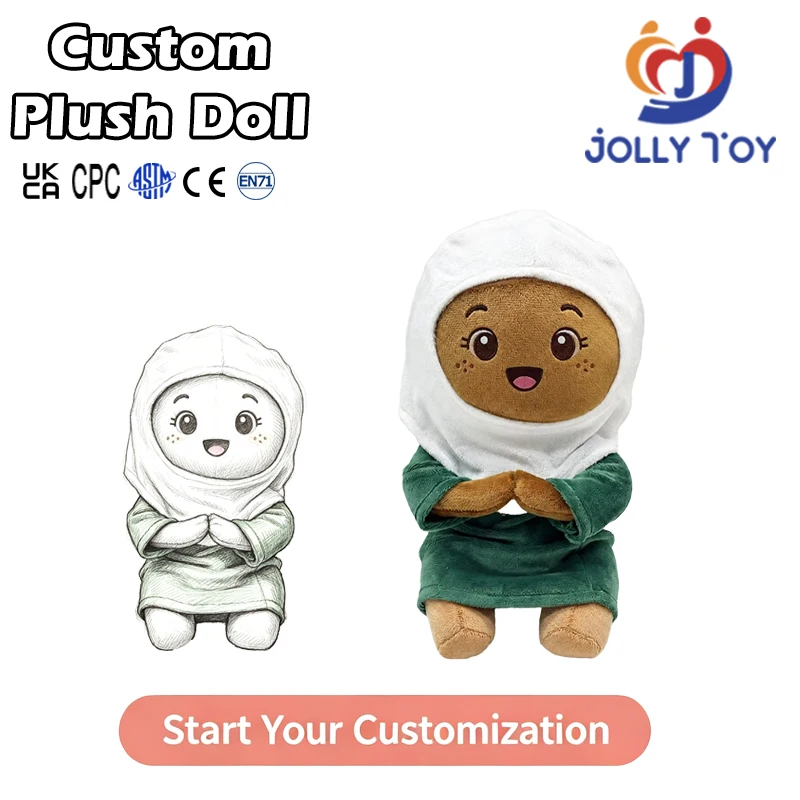
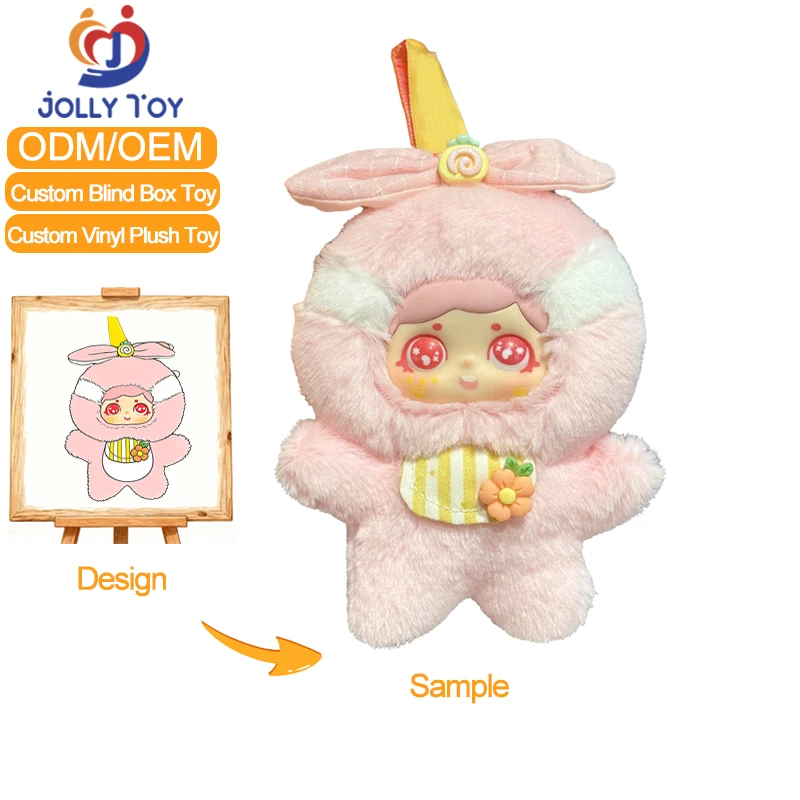
When considering custom figures for wholesale orders, businesses must navigate a variety of factors to ensure they choose the right products for their needs. Custom figures, whether plush or plastic, serve as promotional items, collectibles, or toys, and require careful consideration of specifications, materials, and supplier reliability. This article aims to guide purchasing managers and product managers through the essential elements to consider when sourcing custom vinyl figure, helping them make informed decisions that align with their operational requirements and market expectations.
Selecting the right custom figures involves understanding your target market and the intended use of the figures. Key considerations include the material—plastic or plush—each offering distinct advantages. Plush figures provide a soft texture, making them ideal for children’s toys or promotional items, while plastic figures tend to be more durable and suitable for outdoor use or intricate detail. Buyers should also evaluate the desired size and complexity of the figures. Larger, more detailed figures may require more substantial investment and longer lead times, while smaller figures can often be produced more quickly and at lower costs. Additionally, consider the level of customization required, such as unique colors, designs, or branding elements. This level of detail often influences pricing and production timelines. Quality assurance is another critical aspect. Ensure that the supplier adheres to safety standards and regulations relevant to your market, especially for products intended for children. Certifications such as ICTI, Sedex, and BSCI, which your supplier may already possess, are indicators of responsible manufacturing practices.
Finding reliable suppliers for custom figures can greatly impact the quality and delivery of your products. Start by researching manufacturers with a proven track record in producing custom figures. Attend industry trade shows and expos, which offer opportunities to meet suppliers face-to-face, discuss capabilities, and view product samples. Utilizing online B2B marketplaces can also facilitate supplier discovery. Look for manufacturers with comprehensive profiles that include customer reviews and product portfolios. It's essential to assess their production capabilities, such as machinery for sewing, cutting, embroidery, and injection molding, as these will determine the quality and variety of figures that can be produced. Once potential suppliers are identified, request samples to evaluate the quality of their work. Pay attention to the details, like stitching quality on plush figures or the finish of plastic pop vinyl figures. Engage in discussions about their production processes, including lead times and minimum order quantities (MOQs), to ensure they can meet your needs.
Cost considerations are central to making informed purchasing decisions for custom figures. Pricing can fluctuate based on several factors, including material choice, size, complexity, and the level of customization required. For example, plush figures may incur higher material costs compared to plastic figures due to the fabric and filling materials used. Additionally, the manufacturing process can significantly impact costs. Processes like injection molding for plastic figures can involve high initial setup costs but may lead to lower per-unit costs for large orders. Conversely, plush figures that require intricate stitching and assembly may have higher labor costs, especially for smaller production runs. Don't forget to factor in shipping costs, which can vary based on the destination and the shipping method chosen. Always confirm the total landed cost, which includes production, shipping, and any applicable tariffs or import fees. This comprehensive cost assessment will help you budget effectively and avoid unexpected expenses.
To streamline the purchasing process for custom figures, follow these best practices:
Define Your Requirements Clearly: Before reaching out to suppliers, compile a detailed list of specifications, including dimensions, material types, and design elements. This clarity will help prevent miscommunication and ensure that suppliers understand your vision
Request Comprehensive Quotes: When soliciting quotes, ensure that you receive detailed breakdowns of costs, including material, labor, and shipping. This transparency enables easier comparison between suppliers
Conduct Quality Inspections: Implement a quality control process that includes inspecting samples before mass production. Pay attention to aspects such as color accuracy, finishing details, and overall craftsmanship
Consider Production Timelines: Discuss lead times upfront and consider buffer time for unexpected delays. A reliable action figures manufacturer should provide realistic timelines that account for potential challenges in production
Build Relationships with Suppliers: Establishing a strong partnership with your supplier can lead to better pricing, customization options, and priority service in future orders.
Even with careful planning, challenges can arise during the production and procurement of custom figures. Common issues include discrepancies in quality, delays in delivery, and miscommunication regarding design specifications. To mitigate these problems, maintain clear and open communication with your supplier throughout the process. Regular updates on production status can help identify potential delays early on, allowing you to adjust your timelines or explore alternative solutions. If quality issues arise, address them promptly. A reputable manufacturer should be willing to work with you to resolve problems, whether that means producing replacement figures or offering a refund. Always document any concerns and resolutions to maintain a clear record of interactions for future reference. In summary, by focusing on the right specifications, sourcing reliable suppliers, understanding cost factors, following best practices, and preparing for potential challenges, businesses can effectively navigate the complexities of purchasing custom figures. This strategic approach will ultimately lead to successful procurement and satisfied customer outcomes.

 EN
EN
 AR
AR
 CS
CS
 DA
DA
 NL
NL
 FI
FI
 FR
FR
 DE
DE
 EL
EL
 IT
IT
 JA
JA
 KO
KO
 NO
NO
 PL
PL
 PT
PT
 RU
RU
 ES
ES
 SV
SV
 IW
IW
 UK
UK
 TR
TR
 AF
AF
 GA
GA
 IS
IS
 LA
LA