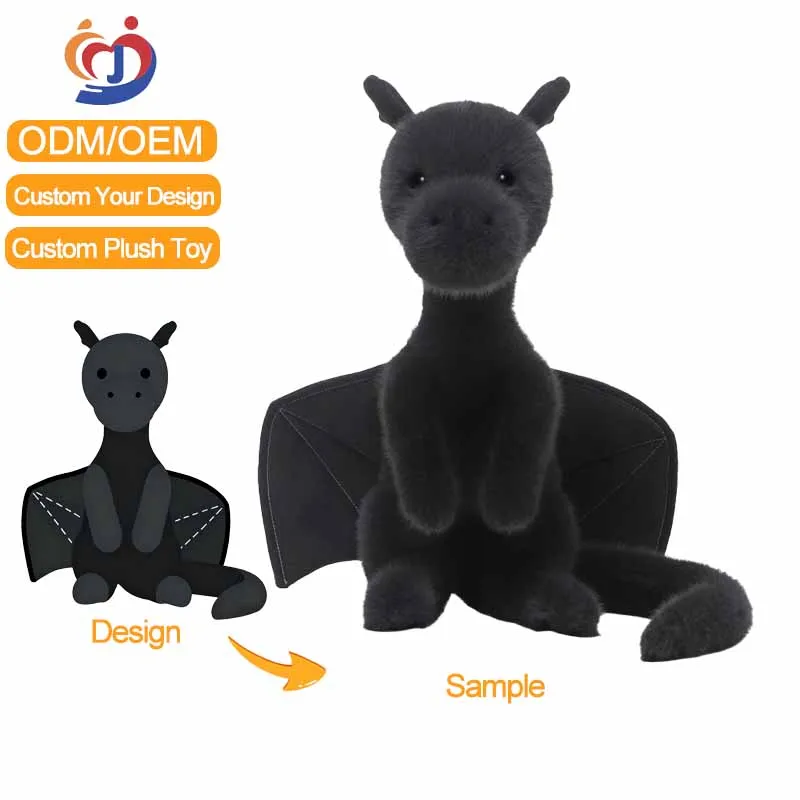
Custom made cuddly toys are customized plush items designed for various applications, from promotional giveaways to personalized gifts. For purchasing managers and distributors, understanding the nuances of sourcing these toys is crucial. This article will guide you through the essential factors in selecting custom made weighted plush cuddly toys, including supplier reliability, material advantages, installation guidance, and common issues with solutions, ensuring you make informed purchasing decisions.
When selecting custom made cuddly toys for wholesale orders, consider the intended use and target audience. Are these toys for promotional events, retail distribution, or educational purposes? Understanding the end-use will help you define specifications such as size, design, and safety compliance
Key factors to consider include:
Customization Options: Assess the level of customization offered by manufacturers. This includes the ability to alter designs, sizes, colors, and branding elements such as logos or messages. Ensure the supplier has a robust design process that allows for collaboration and feedback
Minimum Order Quantities (MOQ): Confirm the supplier's MOQ to align with your budget and inventory strategy. Some manufacturers may require larger orders, which could affect cash flow and storage capacity
Production Capacity and Lead Times: Evaluate the supplier's annual production capacity and typical lead times. With an annual production capacity of 800,000 pieces, you should inquire about their ability to meet urgent or large-scale orders without compromising quality
Certifications: Verify that the manufacturer holds relevant certifications such as ICTI, Sedex, and BSCI, which indicate adherence to ethical production standards and quality assurance. This is especially important if the toys will be marketed to children
By focusing on these factors, you can confidently choose custom made teddy bear that meet your specific business needs.
Finding reliable suppliers for custom made cuddly toys involves thorough research and evaluation. Here are some effective strategies:
Industry Trade Shows: Participate in relevant trade shows to connect with manufacturers directly. This allows you to see product samples, discuss customization possibilities, and build relationships with potential suppliers
Online Marketplaces: Use B2B platforms such as Alibaba, ThomasNet, or Global Sources to find manufacturers. Look for suppliers with verified credentials and positive reviews. Pay attention to their response times and customer service
Networking: Leverage your industry connections to obtain recommendations. Fellow purchasing managers or distributors can provide insights into reliable suppliers based on their experiences
Factory Visits: If possible, arrange factory visits to assess production capabilities, quality control processes, and working conditions. This firsthand experience can greatly inform your supplier selection
Sample Orders: Request samples before committing to larger orders. This allows you to evaluate the quality, design, and safety of the toys. Ensure that the samples reflect your intended specifications
By employing these strategies, you can identify trustworthy suppliers and establish strong partnerships for sourcing custom made cuddly toys.
The material used in custom made cuddly toys significantly impacts their quality, durability, and safety. Here’s a comparative look at popular materials:
Plush Fabric: Commonly used for cuddly toys, plush fabric offers a soft touch and appealing appearance. It is essential for toys intended for children, as it provides comfort and safety. Ensure the plush material is hypoallergenic and meets relevant safety standards
Plastic Components: For toys that include plastic parts, such as eyes or accessories, consider materials like PVC or ABS. These materials are durable and can withstand wear and tear but may require additional safety assessments for small parts
Eco-Friendly Materials: Increasingly, manufacturers are offering options made from recycled or organic materials. These can appeal to environmentally-conscious consumers and brands. Inquire about the sustainability certifications of these materials
Filling Materials: The choice of filling, such as polyester fiber or foam, affects the toy's weight and softness. Ensure that the filling used is non-toxic and suitable for the intended age group
When comparing materials, consider factors such as safety, cost, and the desired aesthetic. The final choice should align with your brand's values and the expectations of your target market
While custom made cuddly toys are generally straightforward products, certain projects may require specific installation guidance. Here are some key considerations:
Display Setup: If you plan to showcase these toys in retail settings or exhibitions, consider how they will be displayed. This could include arranging them on shelves, using stands, or creating themed displays. Ensure the toys are securely placed to prevent damage
Packaging Requirements: Discuss packaging options with your supplier. Packaging that is both attractive and protective can enhance the presentation and ensure toys arrive undamaged. Consider including information on care instructions or safety warnings on the packaging
Assembly Instructions: If your custom toys require any assembly (eg., attaching parts), request clear assembly instructions from the manufacturer. This will be crucial for ensuring that end-users can easily set up the toys as intended
Safety Compliance: Make sure to comply with any regulations regarding the presentation and use of cuddly toys, particularly if they are intended for children. This includes confirming that the toys meet safety standards and are free from hazardous materials
By following these guidelines, you can ensure a smooth installation process for a custom pet teddy in your projects.
While custom made cuddly toys offer great potential, buyers may encounter common issues during production and after delivery. Here are some challenges and their solutions:
Quality Inconsistencies: Variations in quality can arise from differing production batches. To mitigate this, implement a robust quality control process that includes pre-production sample approvals and regular inspections during manufacturing
Design Misalignment: Sometimes, the final product may not align with the approved design. To avoid this, ensure that you provide detailed specifications, including technical drawings and color swatches, before production begins
Delays in Production: Production delays can occur due to various factors, including material shortages or equipment issues. Maintain open communication with your supplier to receive timely updates and establish contingency plans for potential delays
Safety Compliance Issues: Ensuring that all toys meet safety regulations is critical, especially for products aimed at children. Request comprehensive documentation of safety testing and certifications from your supplier before finalizing orders
Inventory Management: Over-ordering can lead to excess stock and increased costs. Collaborate with your supplier to forecast demand accurately and negotiate flexible ordering options to align with your sales cycle
By being aware of these common problems and their solutions, buyers can navigate the complexities of sourcing custom made cuddly toys more effectively.

 EN
 AR
 CS
 DA
 NL
 FI
 FR
 DE
 EL
 IT
 JA
 KO
 NO
 PL
 PT
 RU
 ES
 SV
 IW
 UK
 TR
 AF
 GA
 IS
 LA