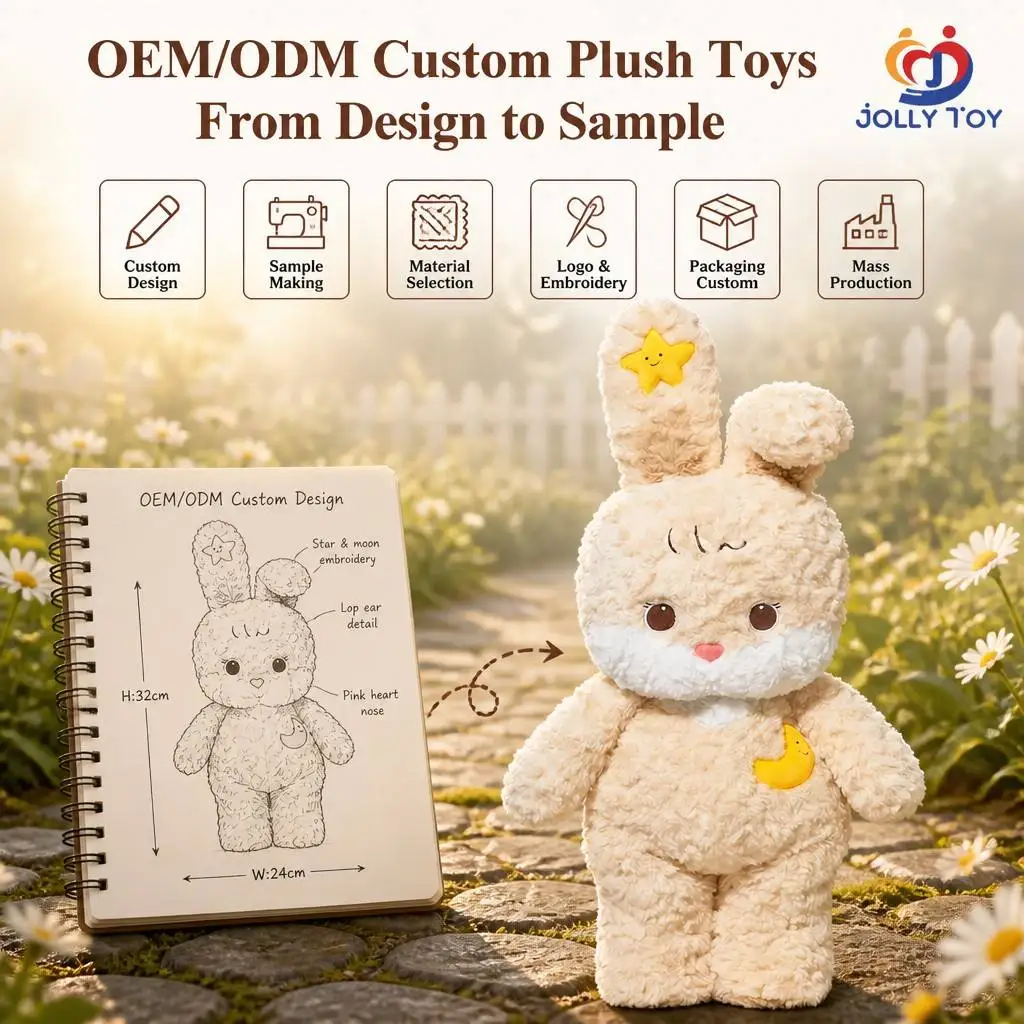
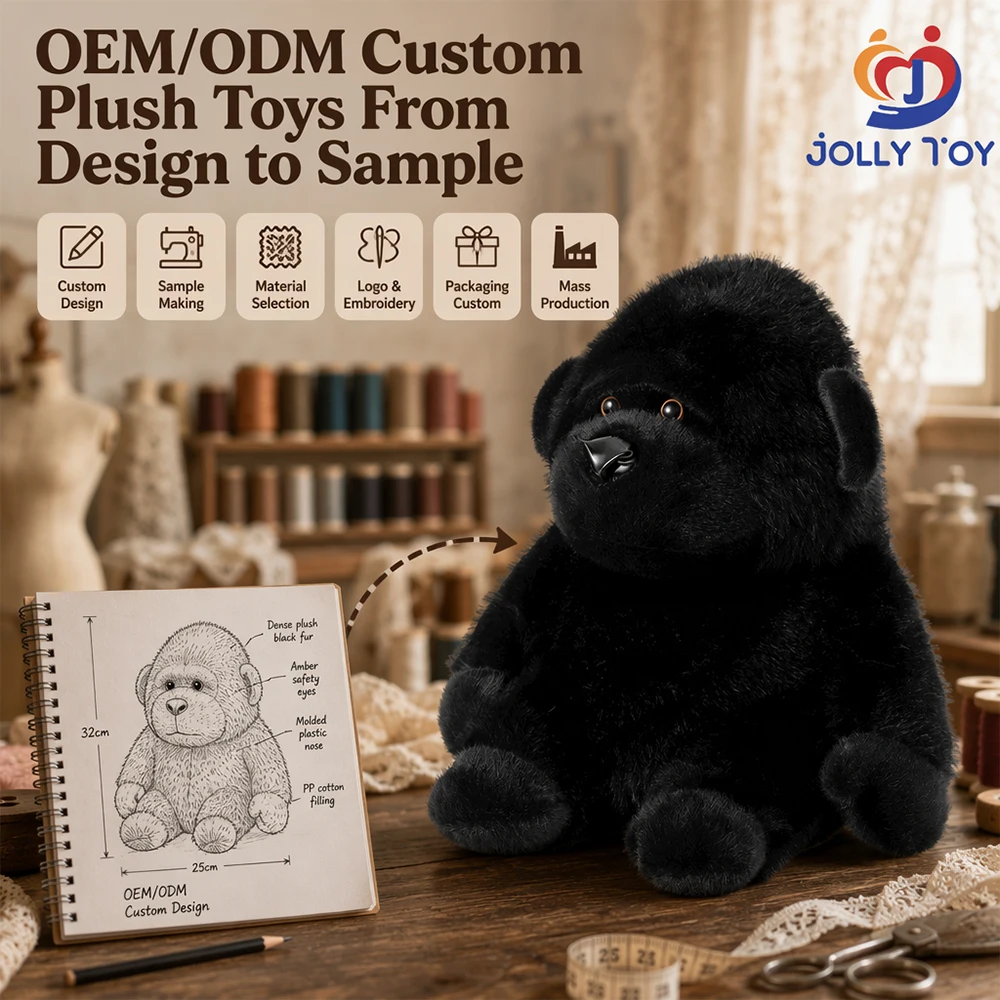
When sourcing plush toys for wholesale, working with a reliable plush maker is essential for ensuring product quality and meeting customer expectations. With over 10 years of experience, our company offers a comprehensive range of custom plush maker, from design to shipment. This article will provide insights into what to consider when selecting a plush toy supplier, evaluating manufacturing quality, and understanding the factors that influence purchase decisions. By following these guidelines, B2B buyers can make informed choices that align with their business needs.
Selecting the right plush maker requires careful evaluation of several key factors. First, assess the supplier's experience and reputation in the industry. A manufacturer with a proven track record, like ours, can offer insights into design trends, production capabilities, and market demands. Next, consider the supplier’s certifications, such as ICTI, Sedex, and BSCI, which demonstrate a commitment to quality and social compliance. These certifications not only ensure ethical manufacturing practices but also signal to customers that the products meet safety and quality standards. Additionally, inquire about the supplier's production capacity. With an annual capacity of 800,000 pieces, our facility can handle both large and small orders. This flexibility is crucial for businesses looking to scale or respond to fluctuating demand. Lastly, evaluate customization capabilities. A competent custom plush toy maker should offer options for personalized designs, colors, and sizes to help your brand stand out in a competitive market.
Quality assurance is vital when it comes to plush toys, as it directly impacts customer satisfaction and brand reputation. Begin by examining the production processes employed by the manufacturer. Our factory utilizes advanced machinery for sewing, cutting, embroidery, and injection molding, ensuring precision and consistency. Next, consider the materials used in manufacturing. Plush toys should be made from high-quality fabrics and fillings that meet safety standards. Discuss the sourcing of materials and whether the supplier provides samples for quality inspection. Before mass production, it is advisable for buyers to approve a finished sample to confirm the toy's dimensions, fit, surface appearance, and durability. Moreover, inquire about the quality control measures in place throughout the production cycle. A thorough inspection process helps identify defects early, minimizing costly rework and ensuring that only superior products reach the market.
Several factors can influence your decision when purchasing plush toys from a manufacturer. Price is often a primary consideration; however, it’s essential to balance cost with quality. Lower prices may indicate compromised quality or materials, potentially leading to dissatisfied customers. Lead time is another critical factor. Understand the manufacturer’s production timeline and any potential delays in sourcing materials or shipping. Reliable communication with the supplier can help set realistic expectations and ensure timely delivery. Additionally, consider the minimum order quantity (MOQ). Some suppliers may require large MOQs, which might not be feasible for smaller businesses or seasonal promotions. It’s best to clarify these terms upfront to avoid misunderstandings later. Lastly, think about the target market for the plush toys. Understanding your audience's preferences and behaviors will help guide design choices and material selection, ultimately impacting sales success.
Effective installation and display of plush toys in retail environments can significantly enhance customer engagement and sales. First, create visually appealing displays that highlight the plush toys' unique features. Use color coordination and thematic arrangements to capture customer attention. Consider the placement of plush toys within the store. Position them at eye level for maximum visibility, and consider using stands or shelves that allow for easy access. Interactive displays can also encourage customer interaction, enhancing the shopping experience. Utilize signage to provide information about the Plush Toys, such as safety features, material composition, and care instructions. This transparency can help build trust with customers and address any concerns they may have. Finally, regularly update displays based on seasonal trends or promotions to keep the inventory fresh and engaging. This approach not only attracts repeat customers but also creates an inviting shopping atmosphere.
The choice of materials plays a crucial role in the overall performance and appeal of plush toys. Common materials include polyester, cotton, and various blends, each offering distinct advantages. Polyester is widely used due to its durability and ability to withstand multiple washes without losing shape or color. This makes it a practical choice for toys intended for frequent handling or outdoor use. Cotton, on the other hand, is favored for its natural softness and hypoallergenic properties. It's an excellent option for toys aimed at younger children or those with sensitive skin. However, cotton may require more careful handling to maintain its appearance over time. Additionally, consider the filling material. Options range from traditional polyester stuffing to eco-friendly alternatives, which can appeal to environmentally conscious consumers. Discuss your specific application needs with your plush maker to determine the best material combinations that align with your product goals. By understanding these material characteristics, B2B buyers can make informed decisions that enhance product quality and customer satisfaction.

 EN
 AR
 CS
 DA
 NL
 FI
 FR
 DE
 EL
 IT
 JA
 KO
 NO
 PL
 PT
 RU
 ES
 SV
 IW
 UK
 TR
 AF
 GA
 IS
 LA