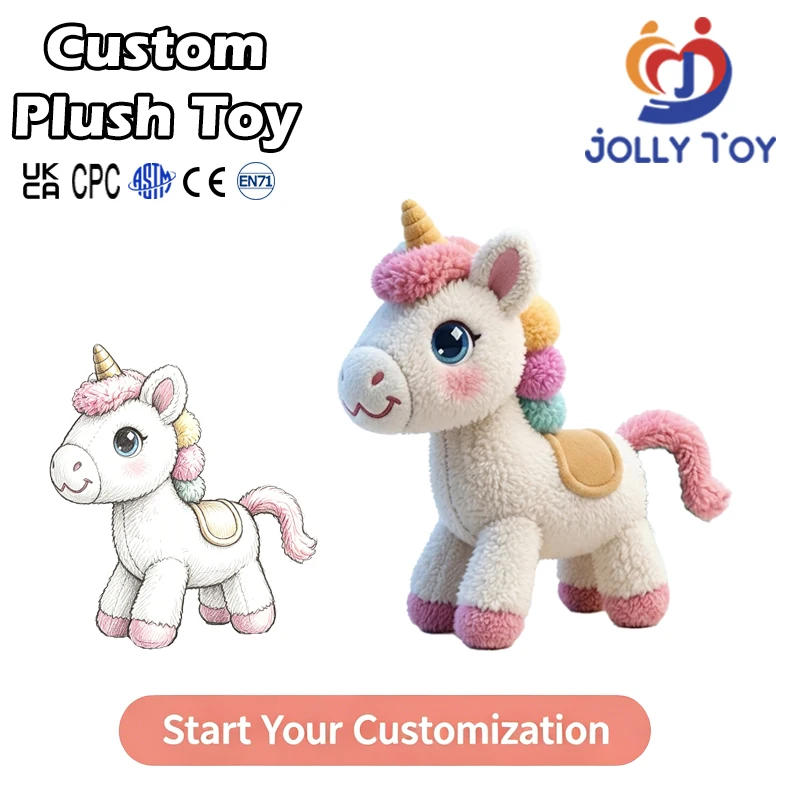
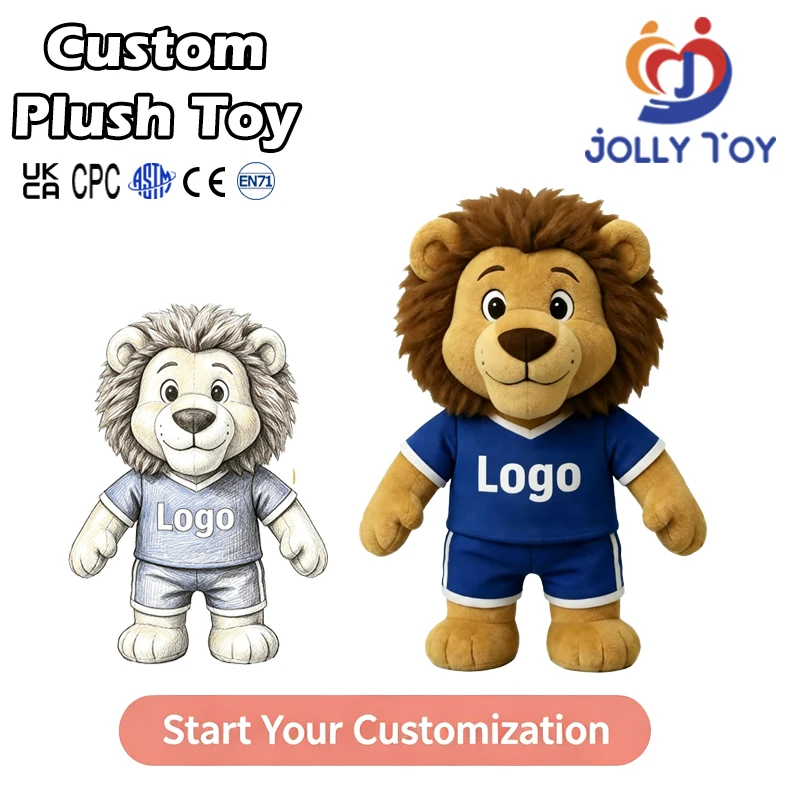
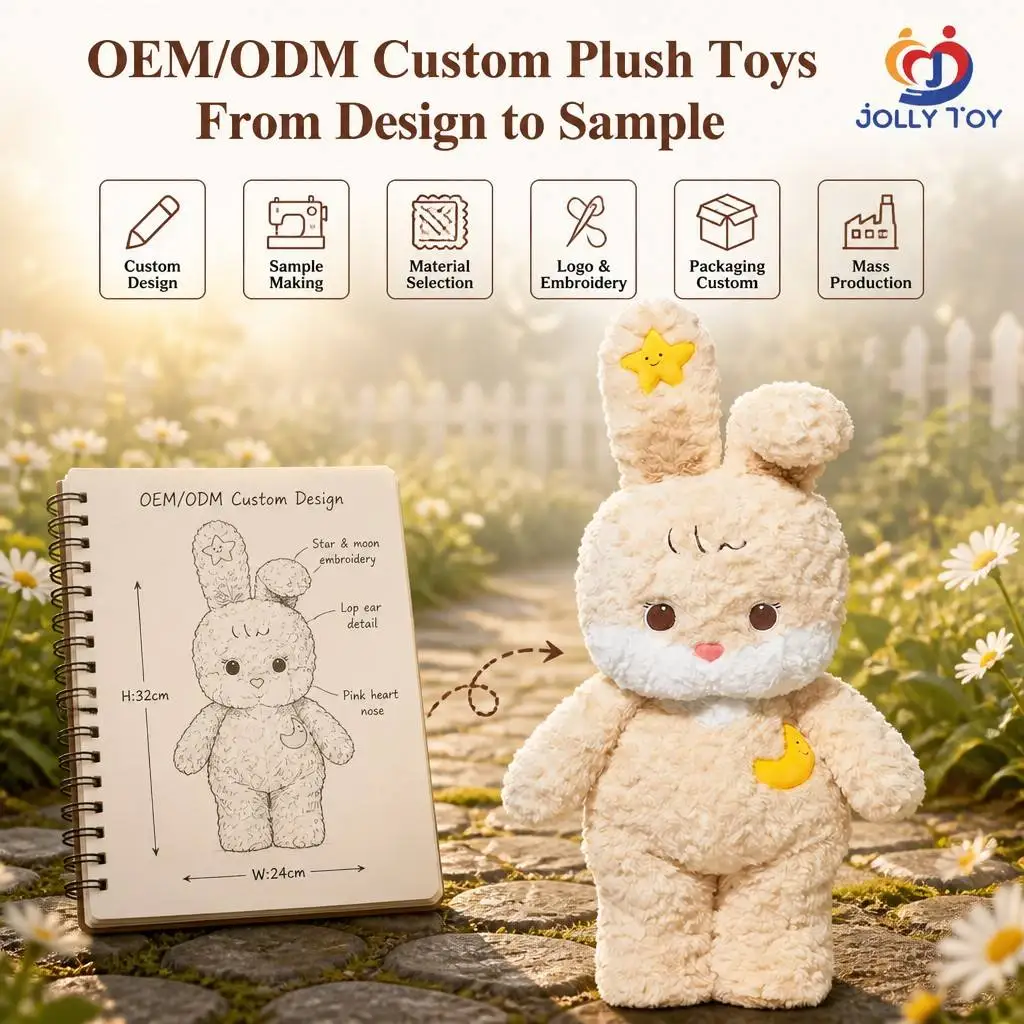
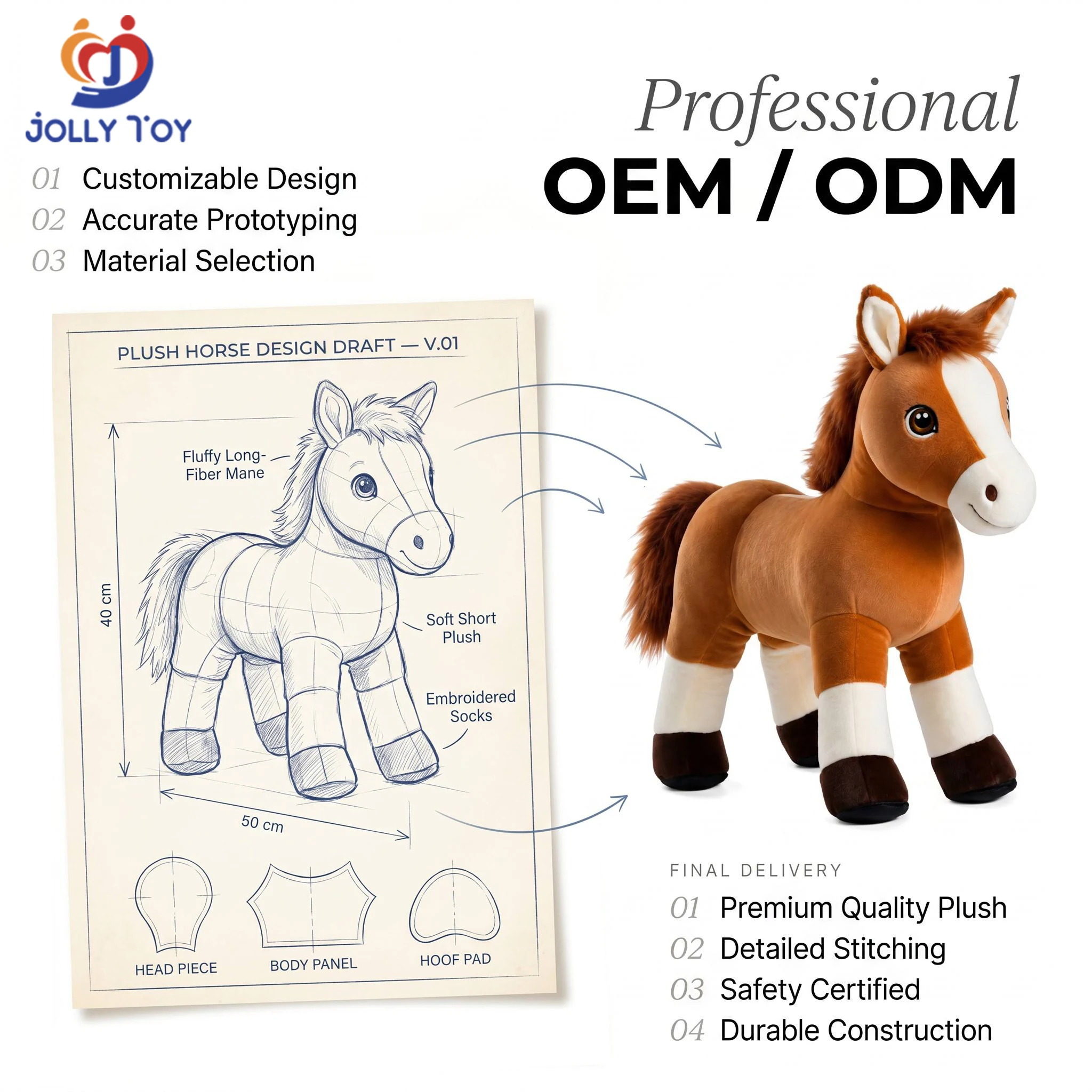
When considering a wholesale purchase of Jolly Toy stuffed animal toys, buyers must navigate various factors to ensure they select high-quality products that align with their business needs. Stuffed animal toys are not just popular among children; they also serve various applications in promotional events, educational purposes, and retail environments. This article will address key concerns for B2B buyers, providing insights into product specifications, common production challenges, and tips for supplier evaluation, ensuring that you make informed purchasing decisions.
When sourcing stuffed animal toys, several critical factors should be assessed. First, determine the target market and specific application for the toys. For example, toys intended for infants require compliance with stricter safety regulations than those for older children.
Next, evaluate the materials used in the toys. Plush toys are typically made from various fabrics like polyester or cotton, with different filling materials affecting texture and durability. Buyers should also consider the age group for which the personalized stuffed toy are intended, as this will impact material selection for safety and comfort.
Another vital aspect is the customization capability of the supplier. Custom designs, colors, or branding options can significantly enhance the product's marketability. Finally, review the supplier's certifications, such as ICTI or Sedex, which demonstrate a commitment to ethical manufacturing practices and product safety.
Understanding the specifications that define quality Jolly Toy stuffed animal toys is essential for making informed bulk purchases. Key specifications include:
Material Quality: The fabric should be soft yet durable, ensuring safety for children while withstanding wear and tear. Buyers should verify the material's compliance with safety standards, such as ASTM or EN71.
Filling Type: The filling material impacts the toy's feel and longevity. Common filling materials include polyester fiber and foam. Ensure that the filling is hypoallergenic, especially for custom made stuffed toys aimed at infants and children with sensitivities.
Safety Features: Check for safety features such as securely stitched seams, safety eyes, and non-toxic dyes. These aspects are crucial for minimizing risks associated with choking hazards and harmful chemicals.
Size and Weight: The dimensions of the toys should align with market expectations and safety standards. For instance, larger toys may pose risks for infants, while smaller designs may be suitable for travel or gifting.
Production Capacity: Ensure the supplier can meet your order volume, especially during peak seasons. Understanding their production capabilities will help set realistic delivery timelines.
Buyers often encounter challenges during the production of stuffed animal toys. Common issues include material shortages, quality inconsistencies, and compliance failures. Here are some solutions to these problems:
Material Shortages: Fluctuations in raw material availability can delay production. To mitigate this, maintain open communication with suppliers about material stock levels and consider establishing contracts for key materials.
Quality Control Issues: Inconsistent quality can arise from insufficient quality control processes. Buyers should request details on the supplier's quality assurance protocols, including regular inspections and testing of finished products.
Compliance Failures: Ensure that the toys meet all relevant safety standards. Request documentation proving compliance with safety regulations before production begins, and consider third-party testing for additional assurance.
Sample Approval Delays: Rushing through the sample approval process can lead to problems in mass production. Ensure that samples are thoroughly tested in real-world scenarios to confirm they meet specifications before approving for full production.
Our stuffed animal toy lineup boasts several material advantages that enhance product quality and safety.
Softness and Durability: We utilize high-quality polyester fabric, which provides a soft feel while ensuring durability against daily use. This material is resistant to fading and maintains its appearance over time.
Hypoallergenic Filling: The stuffed plush toys are filled with hypoallergenic polyester fiber, making them safe for children with allergies. This feature is increasingly important in today’s market, where parents prioritize safe options for their children.
Sustainable Options: We also offer eco-friendly material choices, appealing to environmentally conscious consumers. These options help businesses align with sustainability goals and meet market demand for greener products.
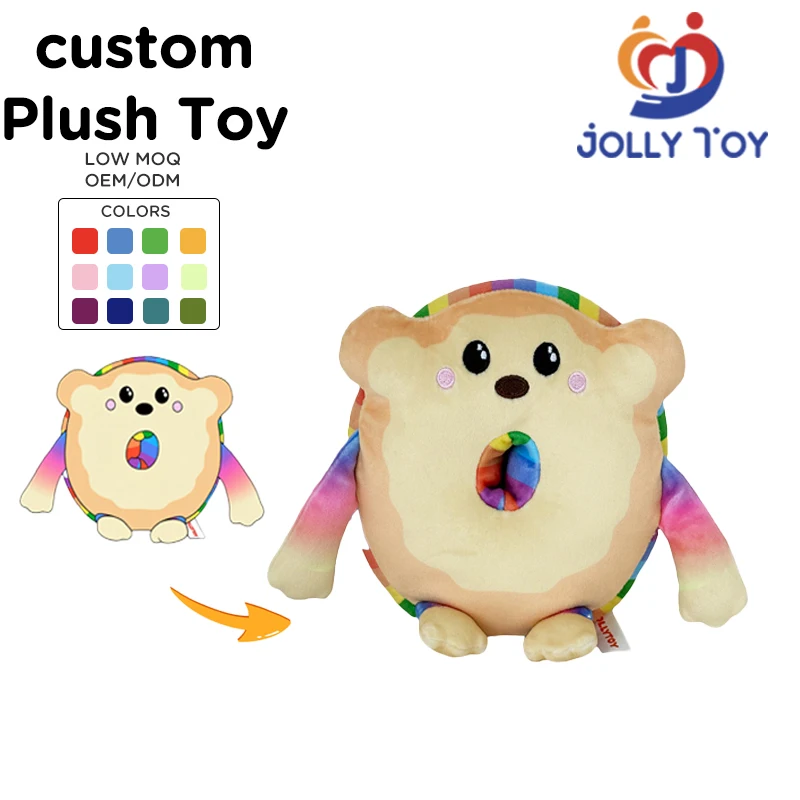
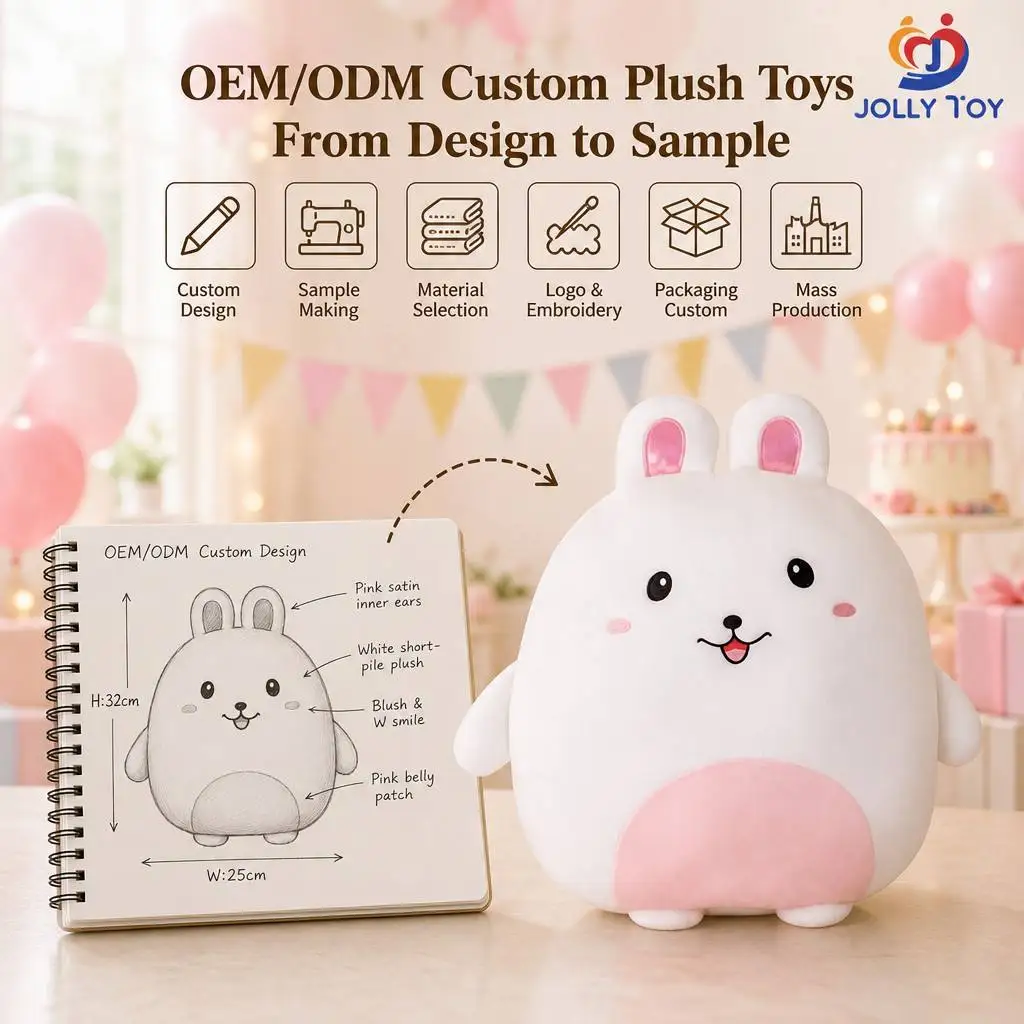
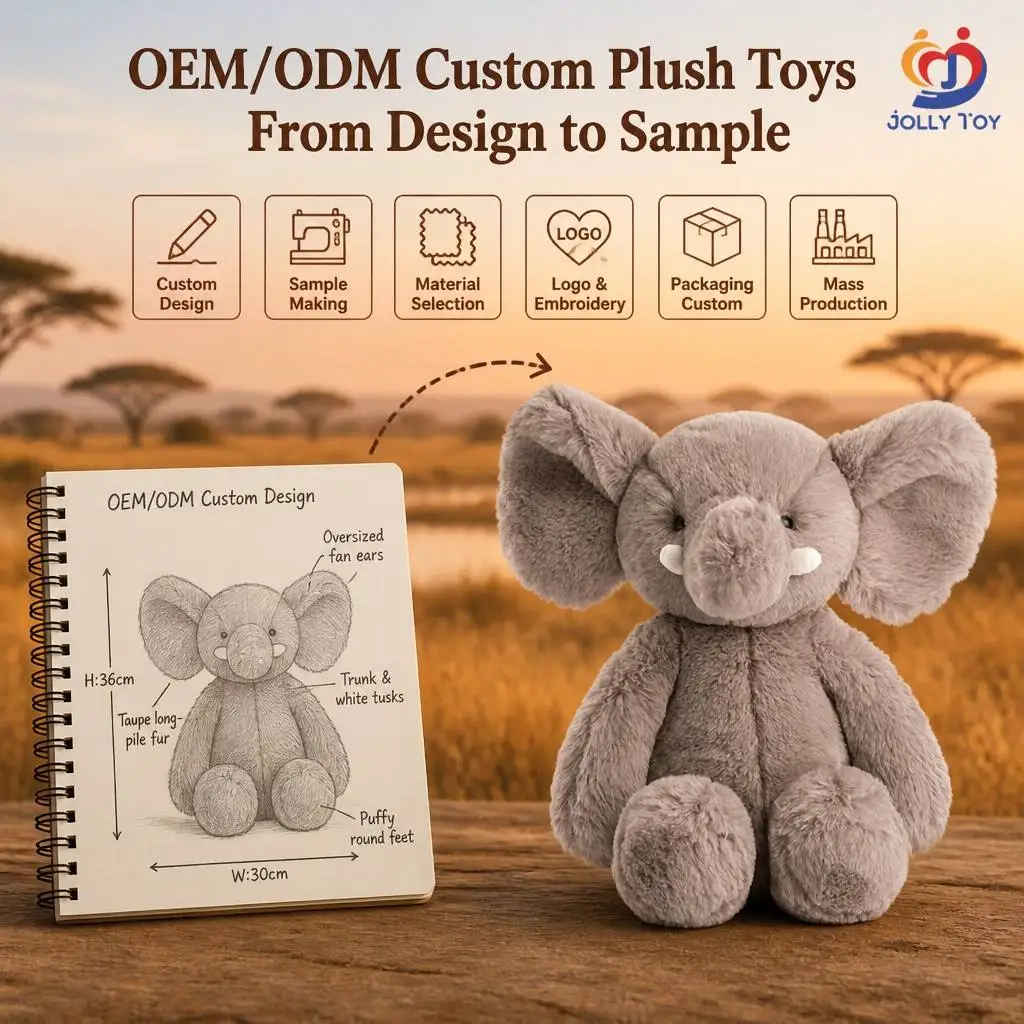
Customization Capability: Our advanced manufacturing capabilities allow for a range of customization options, including different colors, sizes, and branding, enabling buyers to offer unique products that stand out in the marketplace.
Choosing the right supplier for Jolly Toy stuffed animal toys can significantly impact your business. Here are some factors to consider when comparing suppliers:
Certifications and Compliance: Verify that potential suppliers hold relevant certifications, such as ICTI, Sedex, or BSCI. These certifications indicate a commitment to ethical production and quality standards.
Experience and Reputation: Look for suppliers with a proven track record in the plush toy industry. Client testimonials, case studies, and industry experience are vital indicators of reliability and quality.
Production Capabilities: Assess the supplier's manufacturing capabilities, including machinery and technology used in production. A supplier with advanced equipment can often provide higher quality and more consistent products.
Lead Times and Flexibility: Evaluate each supplier's lead times for bulk orders and their ability to accommodate urgent requests or changes in order specifications. Suppliers that are adaptable to your schedule can significantly enhance your supply chain efficiency.
Pricing Structure: Finally, compare pricing, keeping in mind that the cheapest option may not always provide the best value. Consider total cost factors, including shipping, potential tariffs, and quality assurance expenses.
By carefully evaluating these factors, you can select a supplier that not only meets your quality standards but also aligns with your business goals.

 EN
EN
 AR
AR
 CS
CS
 DA
DA
 NL
NL
 FI
FI
 FR
FR
 DE
DE
 EL
EL
 IT
IT
 JA
JA
 KO
KO
 NO
NO
 PL
PL
 PT
PT
 RU
RU
 ES
ES
 SV
SV
 IW
IW
 UK
UK
 TR
TR
 AF
AF
 GA
GA
 IS
IS
 LA
LA