
 EN
 AR
 CS
 DA
 NL
 FI
 FR
 DE
 EL
 IT
 JA
 KO
 NO
 PL
 PT
 RU
 ES
 SV
 IW
 UK
 TR
 AF
 GA
 IS
 LA
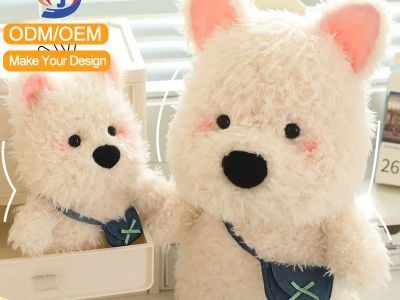
Cost optimization in large-scale plastic toy manufacturing is essential for maintaining competitiveness and profitability in the industry. As a manufacturer with over a decade of experience, we understand that B2B buyers—such as purchasing managers, distributors, and product managers—prioritize cost-efficiency while ensuring high quality and compliance with industry standards. This article delves into effective cost optimization strategies tailored for large-scale weighted plush toys manufacturing, addressing key considerations that can help buyers make informed decisions.
Maximize Cost Efficiency in Large-Scale Plastic Toy Production
To maximize cost efficiency in the production of plastic toys, manufacturers must focus on streamlining processes and reducing waste. Implementing lean manufacturing principles can significantly enhance efficiency by eliminating non-value-added activities, thus lowering production costs. For example, optimizing the layout of machinery can minimize travel time for workers and materials, resulting in faster production cycles.
Moreover, investing in advanced machinery can lead to higher precision and consistency in manufacturing, thereby reducing the likelihood of defects and the costs associated with rework. Automated systems for injection molding, cutting, and sewing can also increase output and decrease labor costs. Buyers should evaluate a supplier’s production capabilities, including their machinery and technology, to ensure they can meet production demands efficiently.
Evaluating Quality Control in Bulk Plastic Toy Orders
Quality control is a critical aspect of large-scale production and should not be overlooked in cost optimization strategies. B2B buyers must ensure that custom made soft toys suppliers have robust quality assurance processes in place to maintain product standards and reduce returns or recalls. This includes checking for certifications such as ICTI, Sedex, and BSCI, which indicate adherence to social compliance and quality standards.
Before mass production, it is advisable to conduct a thorough review of a sample batch. This should include testing for factors such as durability, safety compliance, and overall quality. A sample should be evaluated under actual usage conditions to identify potential issues that could arise during production. By confirming quality standards early, buyers can avoid costly mistakes down the line and ensure customer satisfaction.
Advantages of Material Selection in Cost-Effective Toy Production
The choice of materials plays a pivotal role in cost optimization for plastic toy manufacturing. Selecting the right material not only affects the production cost but also influences the final product's durability, safety, and compliance with industry standards. For example, high-density polyethylene (HDPE) is often preferred for its strength and recyclability, while lower-cost materials may compromise quality.
Buyers should assess the specific requirements of their toy products, such as safety regulations and the intended age group. This will help in determining the most suitable materials that balance cost and performance. Additionally, establishing a strong relationship with material suppliers can lead to better pricing, bulk discounts, and insights on emerging materials that may offer cost benefits without sacrificing quality.
Common Problems in Plastic Toy Manufacturing and Their Solutions
Plastic toy manufacturing is not without its challenges. Common issues include production delays, material defects, and compliance failures. To mitigate these problems, manufacturers should adopt proactive solutions. For instance, implementing a comprehensive project management system can help track production timelines and identify bottlenecks before they escalate.
Material defects can often be traced back to inadequate quality checks. Establishing a robust incoming material inspection process is vital to ensure that all materials meet the required specifications before production begins. Additionally, regular training for staff on quality standards and manufacturing processes can minimize errors and enhance overall productivity.
Another significant issue is compliance with safety regulations. Buyers should ensure that manufacturers are well-versed in the latest safety standards and regulations applicable to their products. Conducting periodic audits and inspections can help ensure that production processes align with compliance requirements, ultimately minimizing the risk of costly recalls or legal issues.
Comparing Different Manufacturing Techniques for Cost Optimization
When it comes to manufacturing plastic toys, various techniques can be employed, each with its own cost implications. Injection molding is widely used for its efficiency and ability to produce high volumes with precise dimensions. However, it requires an initial investment in molds, which can be costly.
Blow molding and rotational molding are alternative techniques that may offer cost advantages depending on the custom made cuddly toys product design and volume requirements. For smaller production runs, 3D printing can be a viable option, allowing for rapid prototyping and reduced initial tooling costs.
Buyers should evaluate their specific needs, including production volume, design complexity, and budget constraints, to determine the most cost-effective manufacturing method. Engaging with suppliers who offer a range of manufacturing options can provide greater flexibility and help optimize costs based on changing market demands.
In summary, understanding and implementing cost optimization strategies in large-scale plastic toy manufacturing is crucial for maintaining competitive advantage. By focusing on maximizing efficiency, ensuring quality control, selecting appropriate materials, addressing common manufacturing challenges, and choosing the right manufacturing techniques, buyers can make informed decisions that positively impact their bottom line.
Table of Contents
- Maximize Cost Efficiency in Large-Scale Plastic Toy Production
- Evaluating Quality Control in Bulk Plastic Toy Orders
- Advantages of Material Selection in Cost-Effective Toy Production
- Common Problems in Plastic Toy Manufacturing and Their Solutions
- Comparing Different Manufacturing Techniques for Cost Optimization

