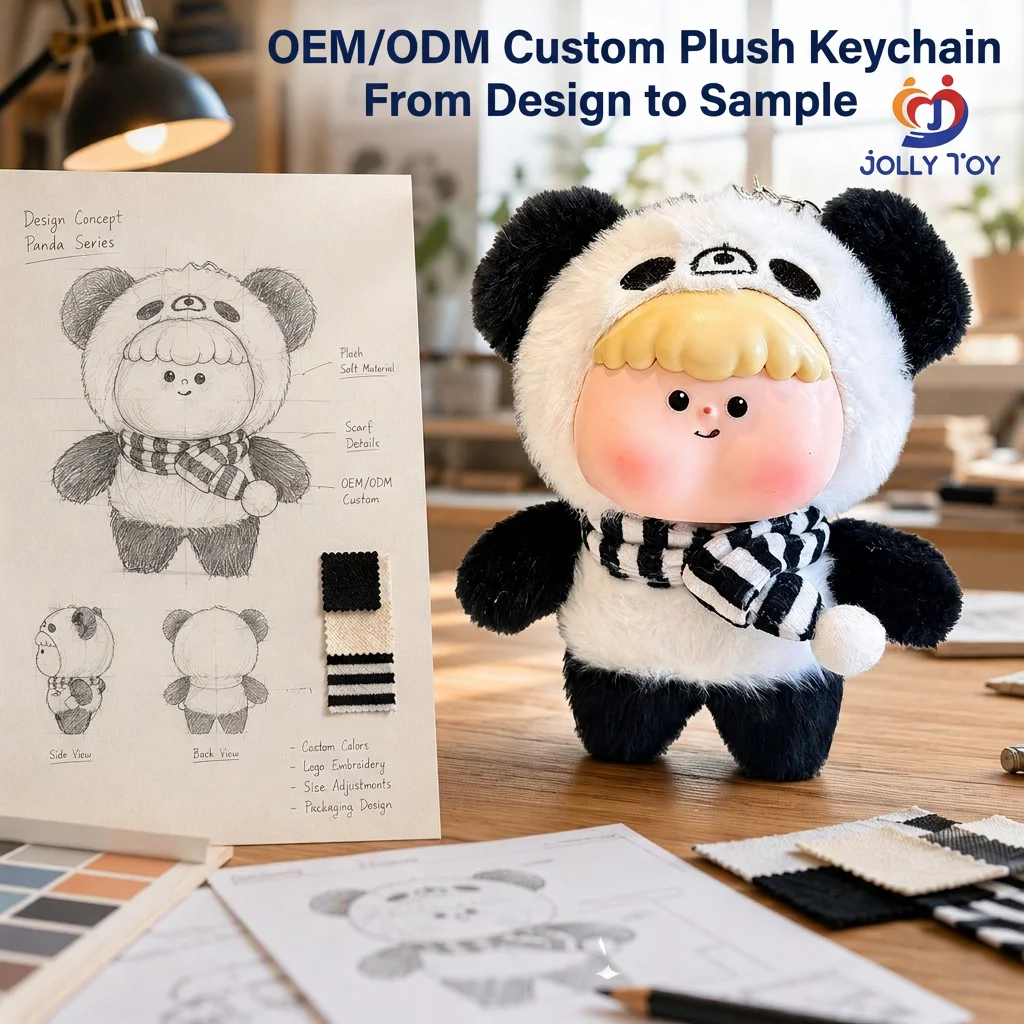
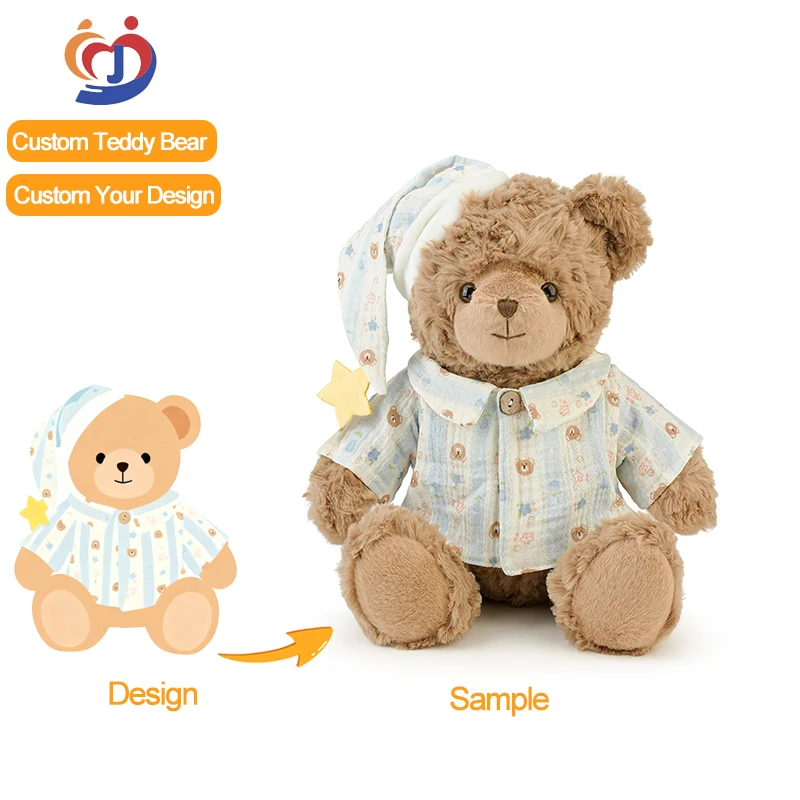
Custom made stuffed toys are a unique category of plush toys that can be tailored to meet specific design requests, sizes, and materials, making them ideal for businesses looking to create personalized products for branding, promotional events, or retail. When sourcing these products, B2B buyers such as purchasing managers, distributors, and product managers often face concerns regarding quality, cost, and production timelines. This article will provide insights into the critical aspects of soft toys production, including quality control measures, common sourcing problems and solutions, cost factors, material advantages, and installation guidance for various applications.
Quality assurance is pivotal in the production of custom made stuffed toys. A comprehensive quality control process ensures that the final products meet safety standards and customer expectations. This often begins with the selection of raw materials, where compliance with safety regulations, such as ASTM F963 or EN71, must be verified. Buyers should ask for documentation of compliance to ensure that the materials used are safe for the intended end-users, especially for toys aimed at children.
Additionally, during the production phase, implementing in-process inspections at various stages—such as sewing, cutting, and stuffing—can help identify any defects early. For example, our facility employs detailed inspections to check for stitching integrity and fabric quality, which are crucial for the safety and durability of the personalized stuffed toy. A final inspection before shipment is also essential, focusing on the overall appearance and functionality of each piece. Buyers should inquire about the manufacturer's quality control protocols and certification status, such as ICTI, Sedex, and BSCI, which ensure adherence to ethical manufacturing practices.
Sourcing Jolly Toy custom made stuffed toys can come with challenges, such as material inconsistencies, production delays, and design miscommunication. One common issue is unclear design specifications, which can result in prototypes that do not meet expectations. To mitigate this risk, buyers should provide detailed technical drawings and specifications, including dimensions, colors, and materials. Approving a sample before mass production is critical; it allows buyers to evaluate the toy's dimensions, fit, and overall appearance.
Another frequent challenge is managing production timelines. Buyers often underestimate the time required for revisions or approvals. Setting clear timelines and maintaining open communication with the manufacturer can help streamline the process. For instance, our experience shows that establishing a timeline for each phase—from design approval to sample production—can significantly reduce delays.
Lastly, quality issues due to inadequate inspections can lead to returns and dissatisfaction. Collaborating closely with manufacturers to implement rigorous quality checks throughout the production process can minimize these risks.
Cost factors in sourcing Jolly Toy custom made stuffed toys are multifaceted and can significantly impact the overall budget. Key considerations include materials, labor, production complexity, and order volume. The choice of fabric and stuffing material—whether cotton, polyester, or eco-friendly options—will directly influence costs. For example, organic materials may come at a premium but can appeal to environmentally conscious consumers.
Labor costs will vary based on the complexity of the design. Intricate designs may require more skilled labor, which can increase the overall expense. Additionally, the size of the order plays a crucial role in cost efficiency; larger orders typically result in lower per-unit costs due to economies of scale. Buyers should consider discussing minimum order quantities (MOQ) with their suppliers to understand pricing structures better.
Transportation and shipping costs should also be factored into the budget, especially for international orders. Buyers need to be aware of potential duties and tariffs that can affect the final price. Clear communication with the manufacturer about these factors can help buyers make informed decisions.
The choice of materials in Jolly Toy custom made stuffed toys is paramount, influencing not only the toy's appearance but also its durability and safety. Various materials offer distinct advantages. For example, plush fabrics like microfiber provide a soft touch, making them ideal for toys designed for children. In contrast, more robust fabrics may be appropriate for toys intended for outdoor use or promotional events.
Buyers should also consider the environmental impact of materials. Eco-friendly options, such as recycled polyester or organic cotton, are gaining popularity and can enhance brand reputation. Importers should request samples of different materials to evaluate their feel, durability, and compliance with safety standards.
Furthermore, the type of stuffing used—such as polyester fiberfill or eco-friendly alternatives—can affect the toy's weight, feel, and safety. It is essential to choose materials that align with the intended use and target market of the cute stuffed animals.
While most custom made stuffed toys are designed for retail or promotional purposes, their installation in different applications may vary. For instance, toys used as promotional giveaways at events need to be packed securely to prevent damage during transport. Buyers should ensure that the packaging protects the toys while also being visually appealing to attract attention.
When it comes to displaying these toys, consider their placement. For retail environments, toys should be arranged in a way that highlights their features and encourages interaction. Clear signage explaining the product’s benefits can enhance customer engagement.
For toys intended for educational purposes, such as those used in classrooms or therapy settings, buyers should ensure that they meet specific educational standards. This may require consultation with educational professionals during the design phase to ascertain the most effective features and materials for these applications.
sourcing custom made stuffed toys involves careful consideration of various factors, including quality control measures, cost implications, material choices, and application-specific requirements. Buyers are encouraged to engage in detailed discussions with manufacturers to ensure that their specific needs are met and that the final products align with their brand values and customer expectations.

 EN
EN
 AR
AR
 CS
CS
 DA
DA
 NL
NL
 FI
FI
 FR
FR
 DE
DE
 EL
EL
 IT
IT
 JA
JA
 KO
KO
 NO
NO
 PL
PL
 PT
PT
 RU
RU
 ES
ES
 SV
SV
 IW
IW
 UK
UK
 TR
TR
 AF
AF
 GA
GA
 IS
IS
 LA
LA