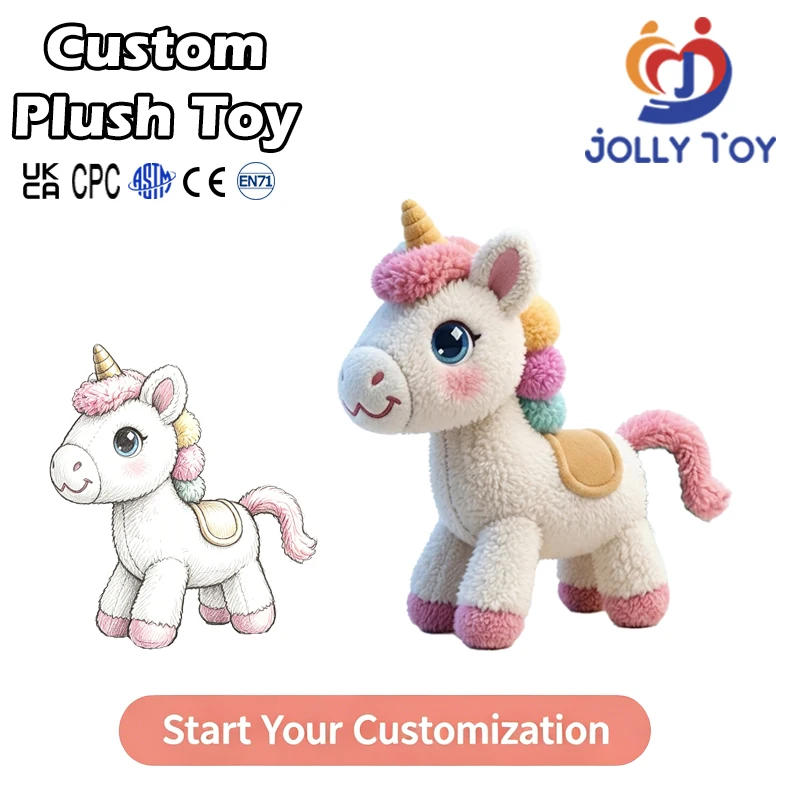
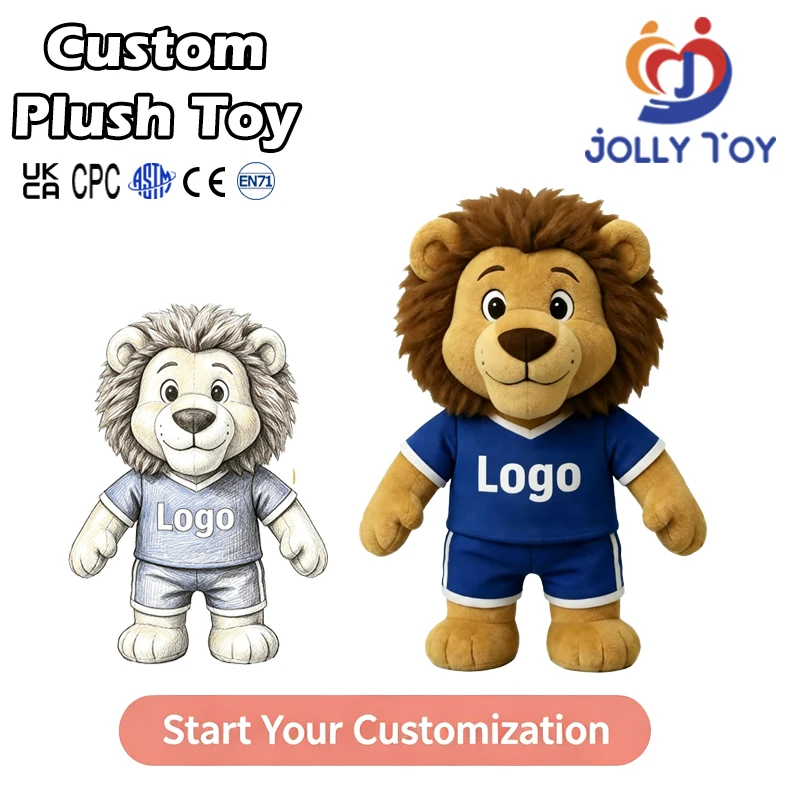
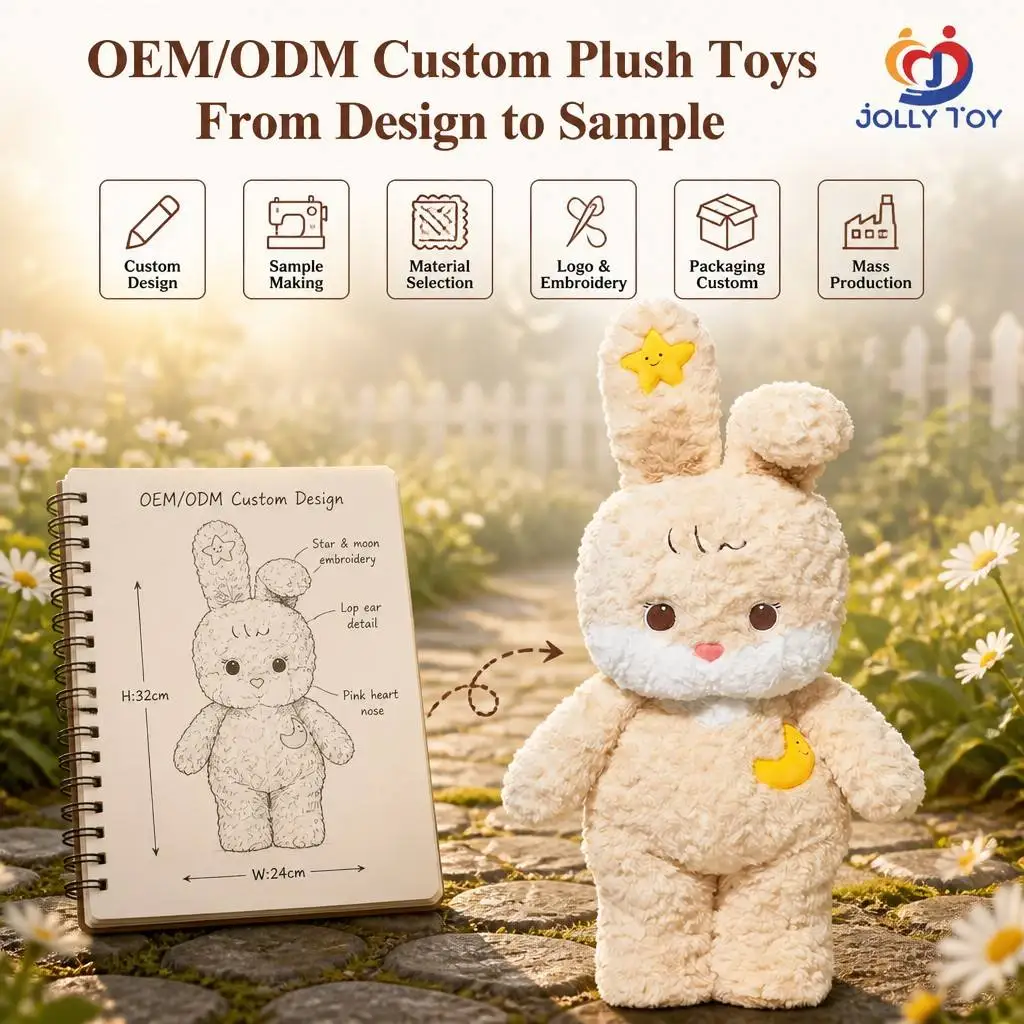
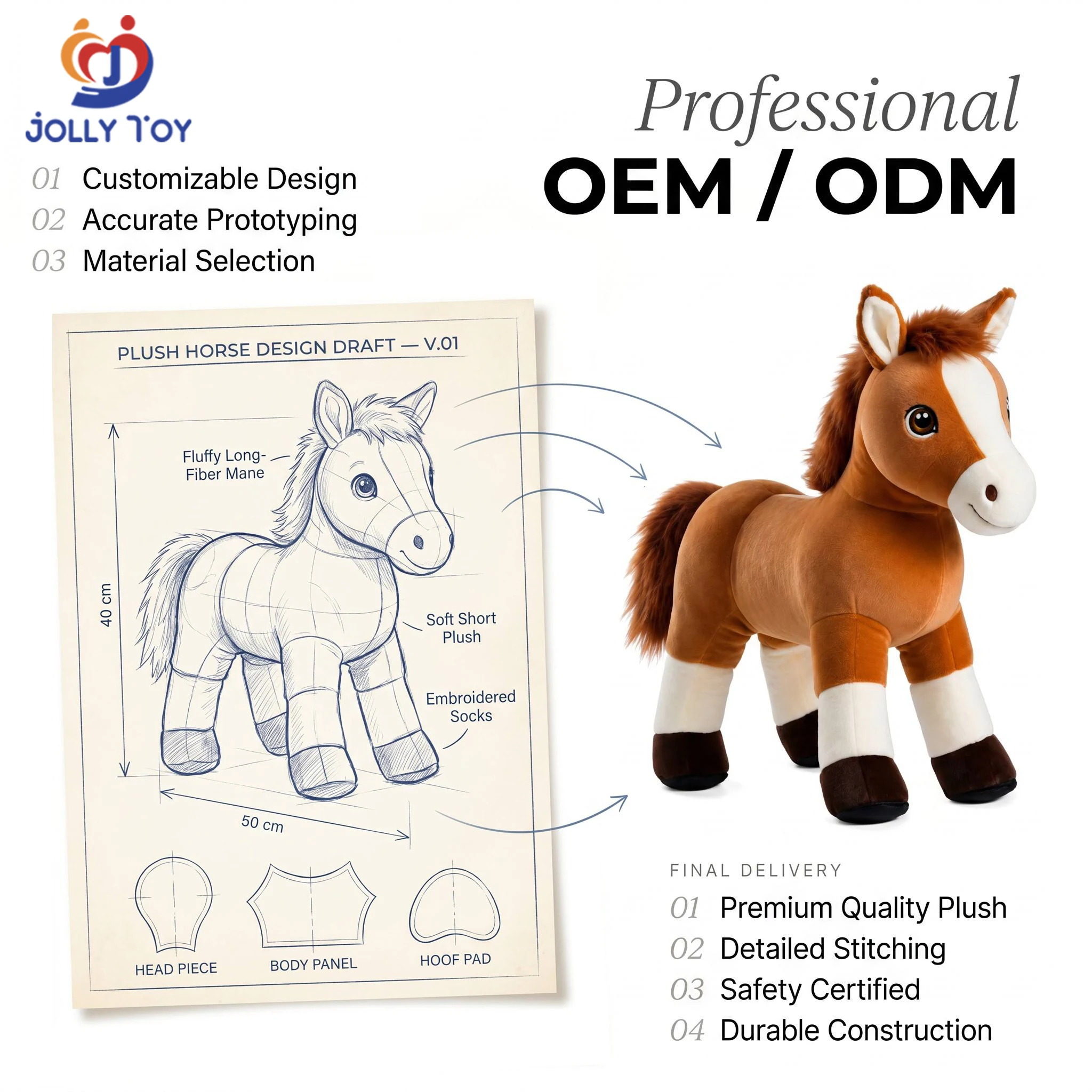
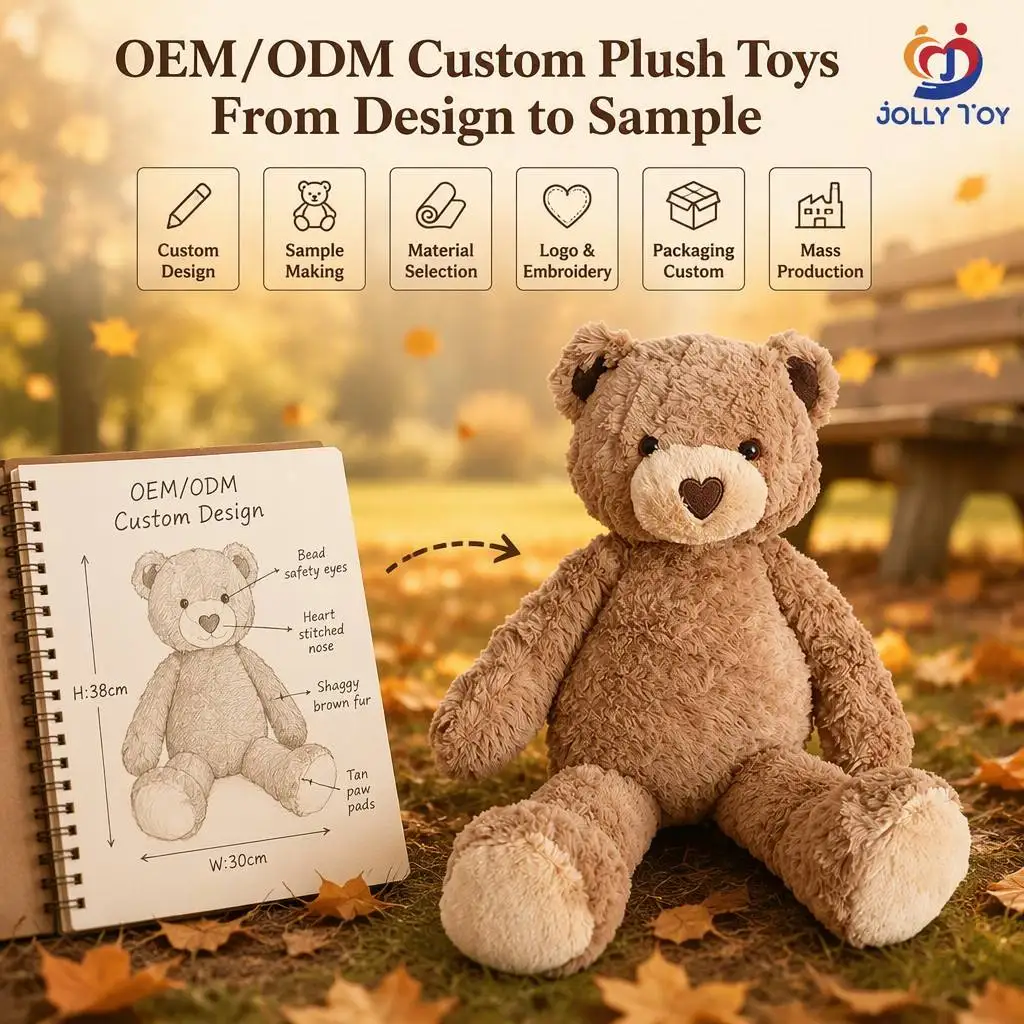
When sourcing cute stuffed animals for your business, it's essential to understand the various factors that influence quality, production, and cost. Cute personalized plush animals are not just toys; they are products that can evoke emotions, create brand loyalty, and drive sales. As a purchasing manager or buyer, you may have concerns regarding material quality, safety standards, and the overall manufacturing process. This article will guide you through selecting quality stuffed animals, evaluating manufacturers, understanding cost considerations, and addressing common challenges in the plush toy industry.
Choosing quality cute stuffed animals requires a thorough understanding of product specifications and material choices. The first step is to identify the age range and target audience for the toys. For example, stuffed animals intended for infants must adhere to stricter safety standards, such as using non-toxic materials and ensuring there are no small parts that could pose choking hazards. Look for Plush Toys made from high-quality, durable materials such as soft polyester or cotton. The fabric should be tested for durability and fade resistance, ensuring that it maintains its appearance even after repeated washing. Additionally, consider the stuffing material. Polyester fiber-fill is a common choice due to its lightweight and hypoallergenic properties, making it suitable for a wide range of customers. Furthermore, confirm the presence of safety certifications like ICTI and BSCI, which indicate that the toys have passed stringent safety tests and that the manufacturing practices comply with social responsibility standards. This not only assures product quality but also enhances your brand reputation.
When evaluating manufacturers for cute stuffed animals, consider their production capabilities, certifications, and experience in the industry. A reliable manufacturer should have advanced machinery capable of executing intricate designs, such as embroidery for personalized features or complex patterns. Assess the manufacturer’s certifications, such as Sedex and ICTI, which indicate adherence to ethical manufacturing practices and social compliance. These certifications are crucial in ensuring that the products are safe for consumers and that they have been produced in a socially responsible manner. Inquire about their annual production capacity. For instance, our facility has an annual production capacity of 800,000 pieces, which allows us to meet bulk orders efficiently. A manufacturer with a high production capacity can typically better handle urgent orders or fluctuations in demand. Lastly, don’t overlook the importance of communication and customer service. A responsive manufacturer who provides clear guidance throughout the sourcing process can significantly enhance your purchasing experience.
Cost is a critical factor when sourcing cute stuffed animals, especially for bulk orders. Several components influence pricing, including material selection, manufacturing complexity, and order quantity. Generally, higher-quality materials and intricate designs will command higher prices. Minimum Order Quantity (MOQ) is another vital consideration. Many manufacturers set an MOQ that can range from a few hundred to several thousand units. It’s essential to confirm this with your supplier to avoid unexpected costs. Shipping costs should also be factored into your budget. Depending on the delivery destination, shipping can significantly impact the overall cost. Ensure you discuss logistics with your supplier early in the process to find the most cost-effective shipping method. Lastly, consider the potential for customization. While custom designs may incur additional fees, they can create a unique selling proposition for your brand and justify higher retail prices.
Proper installation and display of cute stuffed animals in retail settings can significantly enhance their appeal and boost sales. Consider utilizing point-of-purchase displays that highlight the toys' features and benefits. Use eye-catching signage that emphasizes safety features, such as non-toxic materials and age recommendations. When arranging the display, ensure that the plush toys are easily accessible to customers. Position them at eye level and group them by theme or character to create a cohesive look. This not only attracts attention but also encourages customers to engage with the products. Additionally, if you are using promotional materials, ensure they are aligned with your overall marketing strategy. Incorporating brand colors and logos can create a consistent customer experience and enhance brand recognition.
While sourcing cute stuffed animals, buyers may encounter several common problems that can impact product quality and customer satisfaction. One frequent issue is the presence of loose threads or poorly sewn seams, which can lead to product defects. To mitigate this risk, it’s crucial to conduct a thorough quality inspection of samples before placing a bulk order. Verify stitching quality and overall finish to ensure durability. Another issue may arise from safety compliance. Always request documentation for safety testing from the manufacturer. Ensure that the toys meet safety standards relevant to your target market. If you are unsure, consult with the manufacturer about the specific requirements for your region. Lastly, be aware of potential packaging challenges. Ensure that the packaging is not only visually appealing but also protective enough to prevent damage during shipping. Discuss packaging specifications with your giant stuffed animals supplier, as this can affect the product's presentation and shelf life. By addressing these common problems upfront and maintaining open communication with your manufacturer, you can ensure a smoother purchasing process and higher customer satisfaction with your cute stuffed animals.

 EN
EN
 AR
AR
 CS
CS
 DA
DA
 NL
NL
 FI
FI
 FR
FR
 DE
DE
 EL
EL
 IT
IT
 JA
JA
 KO
KO
 NO
NO
 PL
PL
 PT
PT
 RU
RU
 ES
ES
 SV
SV
 IW
IW
 UK
UK
 TR
TR
 AF
AF
 GA
GA
 IS
IS
 LA
LA