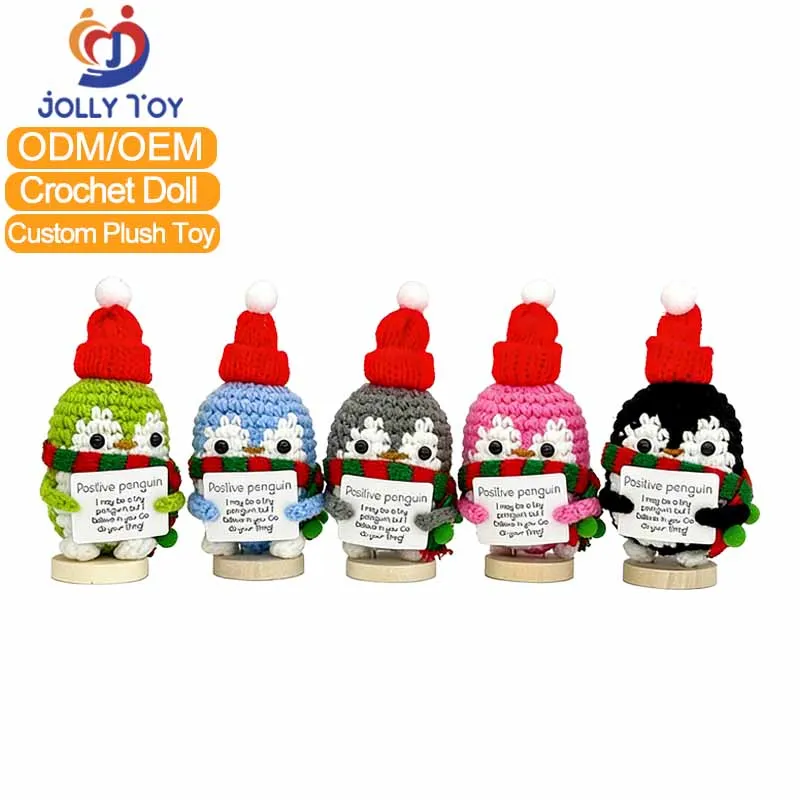
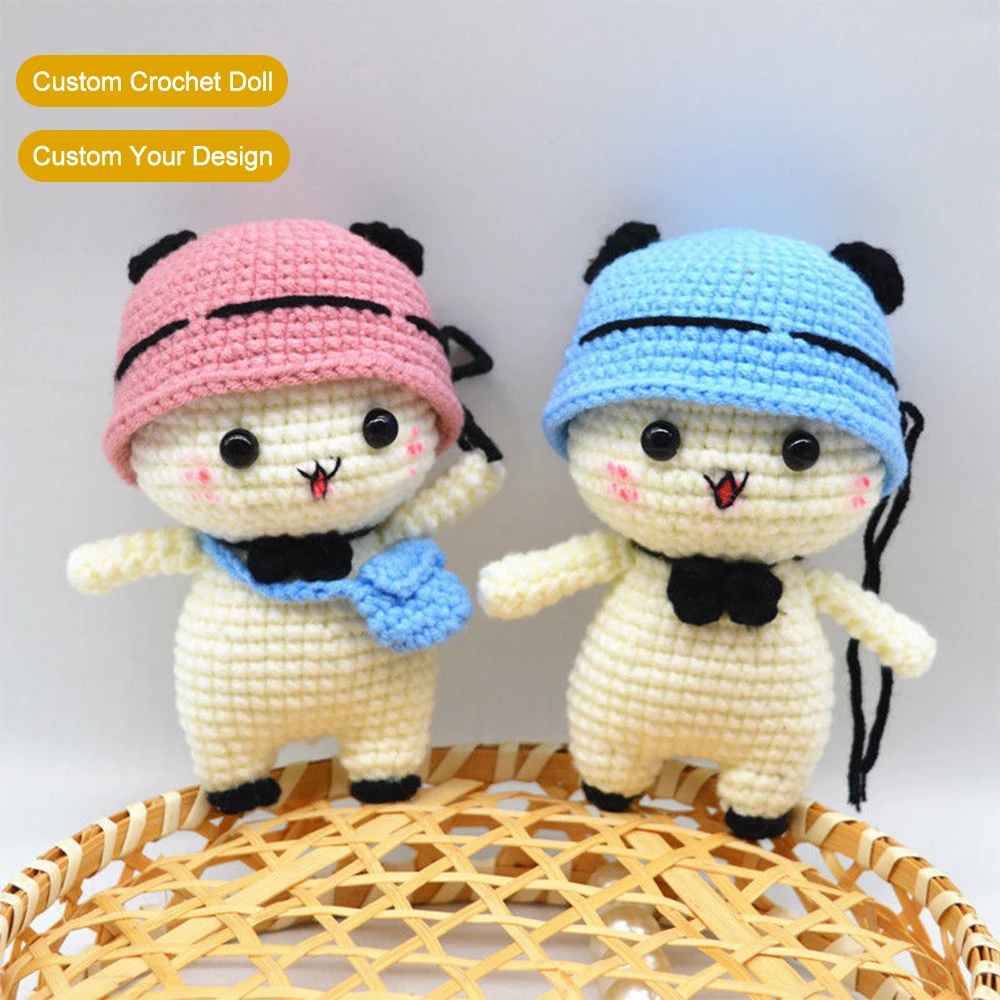
Cute crochet dolls are charming, handcrafted toys that appeal to children and collectors alike. As a B2B buyer, whether you're a purchasing manager for a retail store or a distributor, understanding the nuances of sourcing these products is essential. Factors such as material quality, production capabilities, and customization options will influence your purchasing decisions. This article will guide you through evaluating the specifications of plush doll, cost considerations for wholesale purchases, potential applications in retail, common sourcing challenges, and how to compare different suppliers effectively.
When assessing Jolly Toy cute crochet dolls for wholesale purchase, buyers should focus on several key specifications. First, consider the materials used in production. Many crochet dolls are made from cotton or acrylic yarn, both of which offer durability and softness. Cotton is breathable and less prone to pilling, while acrylic tends to be more colorful and affordable. Understanding the material's properties can help you determine its suitability for your target market, particularly if the dolls will be used as toys for young children.
Next, examine the size and weight of the dolls. These factors affect shipping costs and shelf space in your retail environment. It’s advisable to request dimensional specifications and consider the dolls' weight to ensure they are manageable for your customers. Additionally, inquire about safety certifications such as ASTM or EN71, which indicate that the products meet safety standards for children’s toys.
Customization options are also important. Many manufacturers, including those with over a decade of experience, offer the ability to personalize dolls, whether through color choices, clothing styles, or even custom branding. This flexibility can significantly enhance your product offerings and appeal to a broader audience.
Cost is a critical consideration when sourcing Jolly Toy crochet dolls for resale. Several factors will influence the final price, including material costs, labor, and production methods. For instance, intricate designs or personalized features may require additional labor, impacting the unit price. Buyers should also consider the minimum order quantity (MOQ), as this can affect the overall cost structure.
It’s crucial to understand the pricing tiers based on order volume. Often, the per-unit cost decreases with larger orders, which can be beneficial for securing bulk purchases. Additionally, shipping costs should not be overlooked; these can vary widely depending on the weight of the dolls and the distance to your distribution point. It’s advisable to request a comprehensive quote that includes unit price, shipping fees, and estimated delivery times.
Lastly, keep an eye on market trends that could affect pricing. For example, fluctuations in raw material costs can lead to price increases, so establishing a strong relationship with your supplier can provide insights into potential changes.
Cute crochet dolls have diverse applications in retail, making them an attractive product for various markets. Primarily, they serve as toys for children, appealing to parents looking for safe, handcrafted options. Their aesthetic appeal also makes them suitable for gift shops, boutiques, and online retailers specializing in unique or artisanal products.
Additionally, crochet dolls can be marketed as collectible items. Many consumers appreciate the craftsmanship involved in handmade toys, leading to a market for limited edition or artist-signed custom plush pet. Retailers could also consider seasonal offerings, such as holiday-themed dolls, which can drive sales during peak shopping periods.
Another potential application is in promotional gifts or corporate giveaways. Businesses could commission custom crochet dolls to represent their brand or as part of a promotional campaign. This versatility enhances their marketability and allows for creative marketing strategies.
Sourcing crochet dolls can present various challenges. One common issue is inconsistent quality, especially when dealing with multiple suppliers. To mitigate this, establish clear quality control processes, such as requiring samples before placing bulk orders. Conducting factory visits can also help ensure that production standards align with your expectations.
Another challenge is supply chain reliability. With annual production capacities reaching up to 800,000 pieces, it’s essential to verify a supplier's ability to fulfill orders within the required timeframe. Discuss lead times upfront and consider suppliers with robust logistics capabilities to prevent delays.
Customization requests can also pose difficulties. Ensure that you communicate your specifications clearly and confirm that the manufacturer understands your requirements. Requesting prototypes or samples before proceeding to mass production can help catch any discrepancies early in the process.
When evaluating suppliers for bulk purchases of Jolly Toy cute crochet dolls, a systematic approach will yield the best results. Start by assessing their manufacturing capabilities. Suppliers with advanced machinery for sewing, cutting, and embroidery are likely to produce higher-quality products efficiently.
Next, review their certifications like ICTI, Sedex, and BSCI, which indicate compliance with quality and ethical manufacturing standards. These certifications are critical for ensuring that the products you source meet both safety standards and ethical production practices.
Consider the supplier's experience and reputation in the industry. A manufacturer with over ten years of experience is likely to have established quality control processes and relationships with reliable material suppliers. Request references or case studies that showcase their previous work, particularly in customizing products to meet client specifications.
Finally, evaluate their responsiveness and customer service. A supplier that is communicative and proactive in addressing your inquiries can greatly enhance the purchasing process. Establishing a good rapport can lead to smoother negotiations and a more successful long-term partnership.
By focusing on these factors, you can make informed decisions that align with your business needs and customer expectations, ensuring a successful sourcing experience for custom made stuffed toys.

 EN
EN
 AR
AR
 CS
CS
 DA
DA
 NL
NL
 FI
FI
 FR
FR
 DE
DE
 EL
EL
 IT
IT
 JA
JA
 KO
KO
 NO
NO
 PL
PL
 PT
PT
 RU
RU
 ES
ES
 SV
SV
 IW
IW
 UK
UK
 TR
TR
 AF
AF
 GA
GA
 IS
IS
 LA
LA