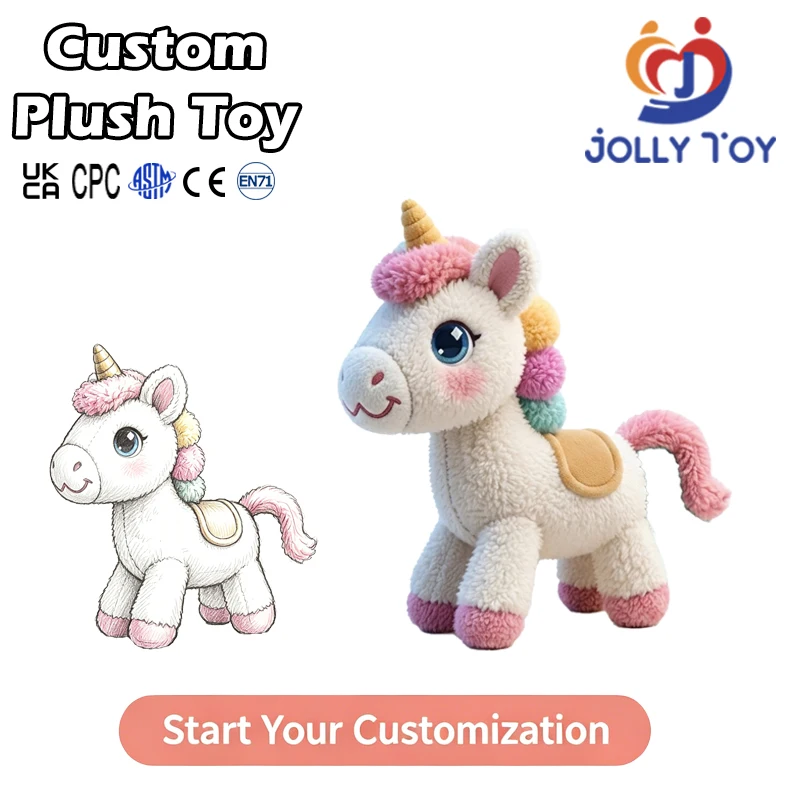
When considering the world of plush toys, partnering with reliable stuffed animal manufacturers is crucial for ensuring product quality, compliance, and market readiness. Buyers, including purchasing managers and product managers, often face challenges such as material selection, manufacturing processes, and quality control. This article will guide you through essential factors to consider when Jolly Toy stuffed animals manufacturers, helping you make informed decisions that align with your business needs.
When sourcing stuffed animal manufacturers, it's essential to evaluate several key factors. Begin by assessing the manufacturer’s production capacity and capabilities. For instance, our facility has an annual capacity of 800,000 pieces, allowing us to meet large orders efficiently.
Next, consider the certifications held by the manufacturer. Certifications like ICTI, Sedex, and BSCI indicate adherence to quality and social compliance standards, which can be crucial for your brand's reputation. Additionally, inquire about the company's experience in the industry. Jolly Toy personalized stuffed animals with over a decade of experience can offer insights into material selection, production timelines, and potential pitfalls.
Lastly, examine the manufacturer’s customization capabilities. The ability to tailor designs according to your specifications can enhance your product's appeal in the market. Discuss your unique requirements during initial conversations to gauge the flexibility of Jolly Toy personalized stuffed toy and creative capabilities.
The choice of materials plays a significant role in the performance and safety of plush toys. Common materials include polyester, cotton, and various stuffing options. Polyester is often favored for its durability and ease of cleaning, while cotton provides a softer feel, appealing to the tactile preferences of consumers.
When evaluating materials, consider the intended audience and application. For example, hypoallergenic materials may be necessary for toys aimed at infants or children with sensitivities. Furthermore, the choice of stuffing impacts the toy's shape retention and comfort.
Buyers should also be aware of safety regulations governing materials used in toys. Compliance with standards such as ASTM and EN71 is vital. Ensure that your manufacturer can provide documentation confirming material safety and compliance, which is essential for minimizing liability risks.
Effective display of stuffed animals in retail environments can significantly influence consumer purchasing behavior. To optimize visibility and accessibility, consider the following best practices:
Location: Place displays in high-traffic areas to capture the attention of potential customers. End caps and checkout areas are ideal spots.
Height: Ensure that displays are at a height accessible to your target demographic. For children’s toys, consider lower displays that children can easily reach, while also appealing to adult buyers.
Thematic Displays: Create themed displays that resonate with specific seasons or events, such as holidays or promotions. This can enhance the shopping experience and encourage impulse purchases.
Quality Presentation: Maintain the presentation of stuffed animals, ensuring they are clean and well-arranged. Regularly check for any damaged items that may detract from the overall appeal.
By implementing these practices, retailers can create an inviting atmosphere that encourages interaction with the products, ultimately driving sales.
Choosing the right stuffed animal manufacturer involves a systematic approach. Start by compiling a list of potential manufacturers and conducting preliminary research. Review their product catalogs, production capabilities, and client testimonials.
Once you have a shortlist, engage in direct conversations with each manufacturer. Discuss your specific needs regarding design, customization, and lead times. A reputable manufacturer will be transparent about their processes and willing to provide samples upon request.
Additionally, request information on their quality control processes. A manufacturer should have established protocols to ensure that every product meets safety and quality standards. This can include regular inspections during production and post-production testing.
Consider logistics as well—shipping capabilities and delivery times can significantly impact your supply chain. Ensure that the manufacturer can meet your deadlines without compromising quality.
Stuffed animals are not just toys; they serve a variety of purposes across different industries. In the healthcare sector, plush toys are often used as comfort items for children undergoing medical procedures. Hospitals can benefit from partnering with manufacturers who understand the need for hypoallergenic materials and compliance with health regulations.
In education, stuffed animals can be utilized as teaching aids, helping to engage young learners. Manufacturers can offer customization options, allowing educational institutions to tailor products to their specific curriculum needs.
The retail market also offers diverse opportunities. Seasonal promotions, character licensing, and brand collaborations can increase market appeal. Manufacturers should be prepared to adapt to these trends, providing timely production and creative solutions to meet changing consumer demands.
By understanding the various applications of stuffed animals, buyers can explore new markets and product lines, enhancing their business offerings.
By considering these factors—sourcing strategies, material advantages, display techniques, manufacturer selection, and industry applications—you can make informed decisions that align with your business objectives. Partnering with the right stuffed animal manufacturers will not only ensure product quality but also contribute to your brand’s success in the market.

 EN
 AR
 CS
 DA
 NL
 FI
 FR
 DE
 EL
 IT
 JA
 KO
 NO
 PL
 PT
 RU
 ES
 SV
 IW
 UK
 TR
 AF
 GA
 IS
 LA