Stuffed animals are beloved toys that appeal to children and collectors alike, making them a popular choice for retailers and wholesalers. As a B2B buyer, understanding the intricacies of purchasing Jolly Toy giant stuffed animals is crucial to ensuring quality, safety, and appeal for your target market. This article will provide you with essential insights into selecting the right stuffed animals for wholesale, evaluating key specifications in plush toy manufacturing, finding reliable suppliers, and understanding quality control processes.
Choosing the right Jolly Toy stuffed animals for wholesale purchase involves several critical factors. First, consider the target audience—are you catering to young children, collectors, or a broader market? Each demographic may have different preferences regarding size, design, and material.
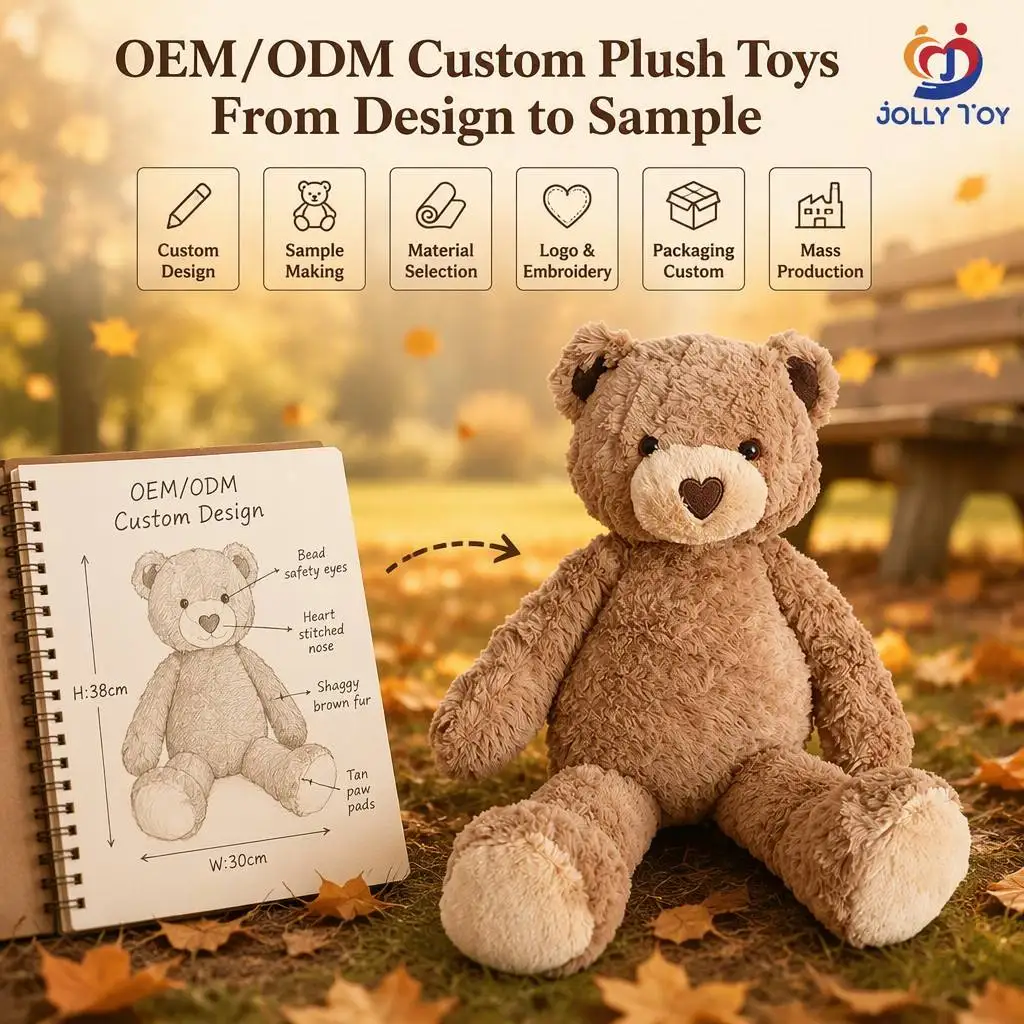
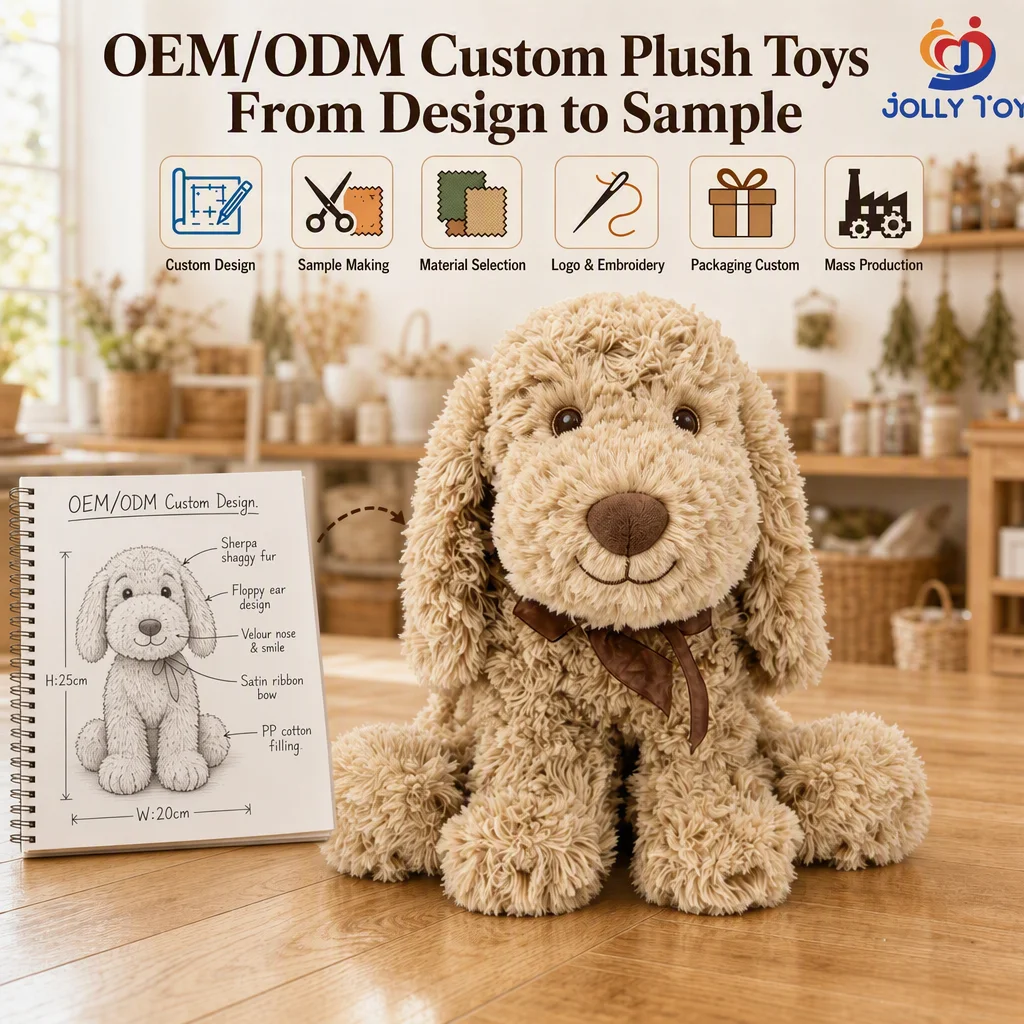
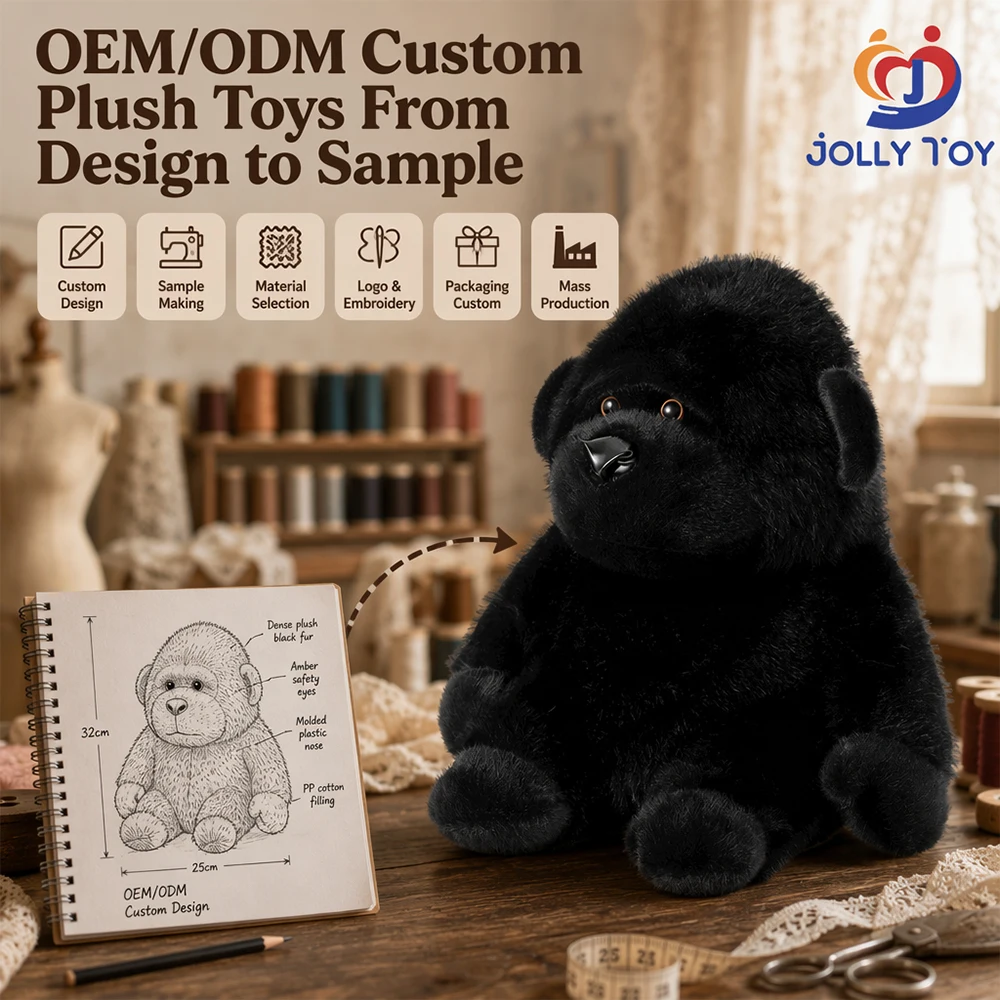
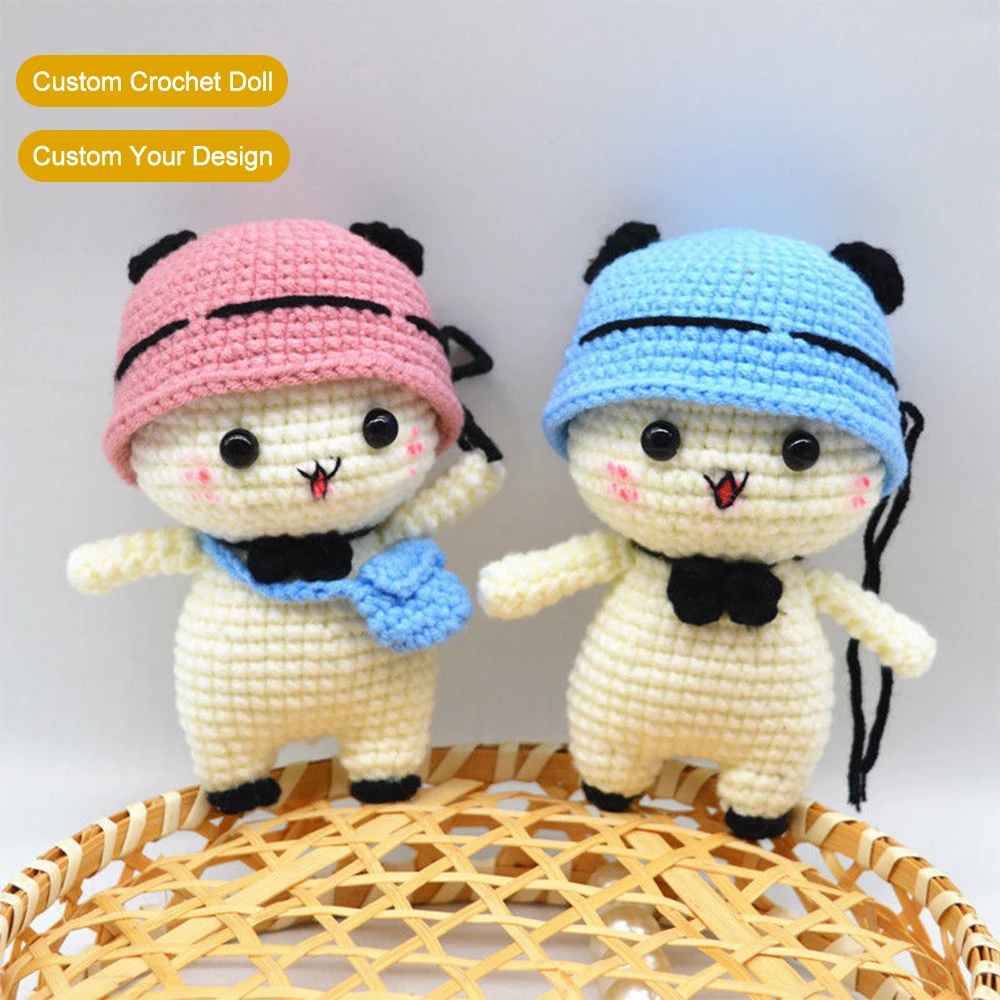
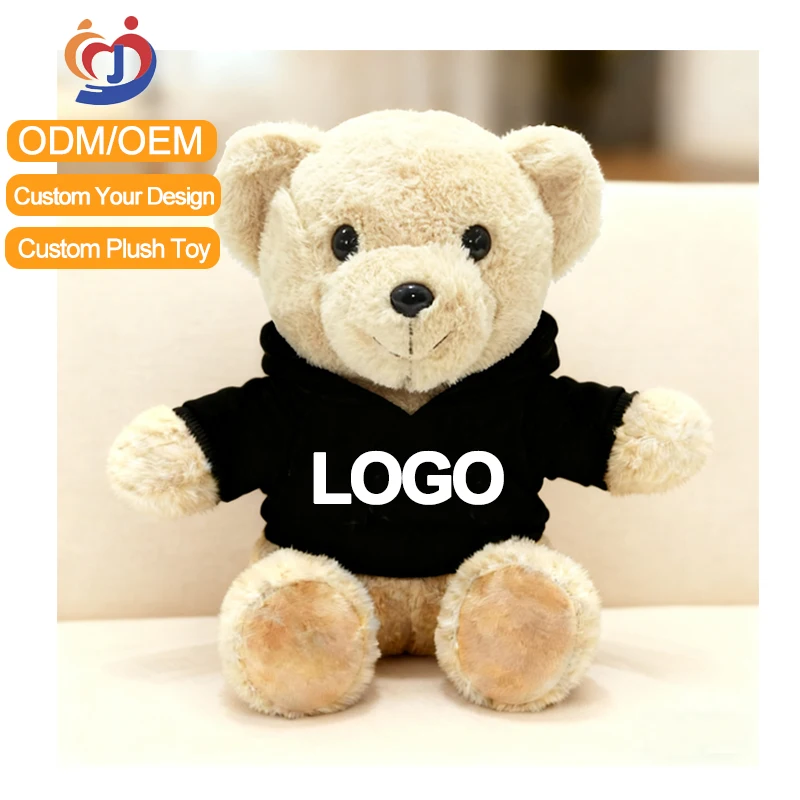
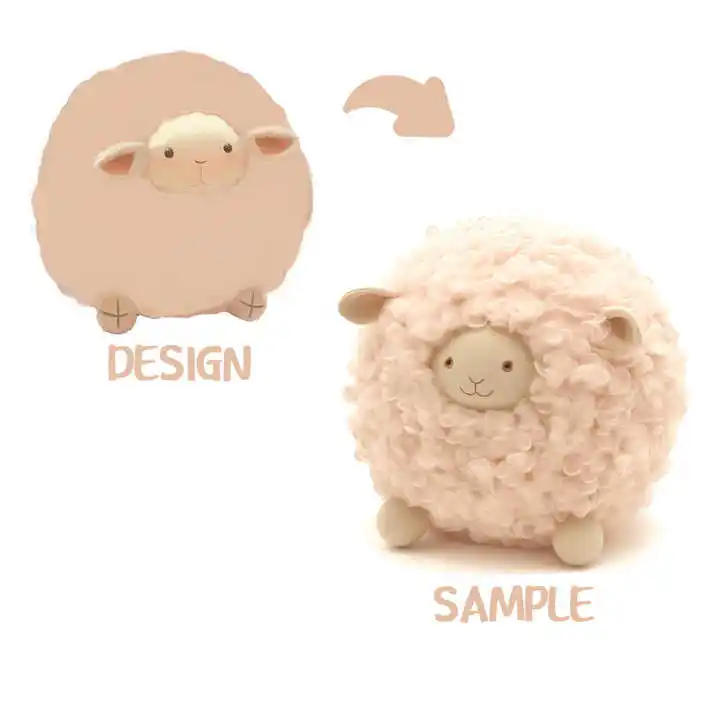
Next, evaluate the variety of stuffed animals available. Look for manufacturers that offer a range of designs, including licensed characters, animals, and unique custom options. Customization capabilities are vital to differentiate your product offering in a competitive market.
Additionally, assess the minimum order quantity (MOQ) and pricing structures. Ensure that the MOQ aligns with your forecasted sales to avoid excess inventory. It’s also wise to inquire about lead times, as this can affect your ability to meet customer demand.
Lastly, prioritize safety and compliance certifications. Ensure that the large stuffed animals meet safety standards relevant to your market, such as EN71 in Europe or ASTM F963 in the U.S., to protect your brand's reputation.
When evaluating plush toy manufacturing, specific key specifications should be considered. One of the most crucial aspects is material safety and quality. Ensure that the fabrics used are non-toxic, durable, and compliant with international safety standards. Common materials for stuffed animals include polyester and cotton blends, which offer softness and durability.
Another important specification is the construction method. Look for toys that are double-stitched and have secure seams to ensure durability, especially for toys intended for young children. The type of filling material also matters; for example, polyester fiberfill is commonly used for its lightweight and hypoallergenic properties.
You should also evaluate the size and weight of the stuffed animals. Dimensions can affect shipping costs and shelf space in retail environments. Make sure to request samples to assess the feel, appearance, and overall quality before making a larger commitment.
Finding reliable suppliers for bulk orders of stuffed animals can significantly affect your business’s success. Start by attending trade shows focused on toys and children’s products, where you can meet manufacturers and see their products firsthand. Online platforms such as Alibaba and Global Sources also provide access to a wide range of suppliers, but due diligence is necessary to verify their reliability.
Check for certifications such as ICTI, Sedex, and BSCI, which indicate adherence to ethical manufacturing practices and quality standards. Request references or case studies from current clients to gain insight into the supplier’s reputation and reliability.
Additionally, consider suppliers who offer flexibility in terms of customization and production capacity. A supplier with a proven track record of meeting deadlines and quality expectations can be invaluable as your business grows.
Quality control is a critical aspect of Jolly Toy stuffed animal production that directly impacts product safety and customer satisfaction. Before mass production, it’s essential to establish a clear quality assurance process with your manufacturer. This includes defining quality standards for materials, stitching, and safety compliance.
Common practices during quality control include pre-production samples, in-line inspections, and final random inspections before shipment. Pre-production samples should be reviewed to ensure they meet specifications, as they serve as a benchmark for mass production.
During production, in-line inspections can help catch potential defects early, reducing waste and ensuring that quality standards are maintained. Finally, a thorough final inspection should evaluate the overall quality of the custom horse stuffed animal, checking for defects, loose threads, or compliance issues.
Communication with your manufacturer throughout this process is key. Ensure that both parties understand the quality expectations to avoid issues that could impact your business.
The choice of fabric in stuffed animal production plays a significant role in the product's appeal and longevity. High-quality fabrics not only enhance the appearance but also contribute to the safety and durability of the toys. Fabrics like plush polyester or organic cotton are popular choices due to their softness and ease of washing.
Using quality fabrics can also affect the perceived value of your stuffed animals. Consumers are often willing to pay a premium for toys that feel luxurious and are safe for children. Additionally, the choice of fabric can impact the toy's maintenance; machine-washable materials are preferred by many parents for their convenience.
Moreover, consider using hypoallergenic materials for stuffed animals aimed at sensitive skin or younger children. This caters to parents' concerns about safety and comfort.
In summary, selecting the right stuffed animals for wholesale involves careful consideration of target demographics, material quality, supplier reliability, and quality control processes. By focusing on these aspects, you can make informed decisions that enhance your product offerings and meet customer expectations effectively.

 EN
EN
 AR
AR
 CS
CS
 DA
DA
 NL
NL
 FI
FI
 FR
FR
 DE
DE
 EL
EL
 IT
IT
 JA
JA
 KO
KO
 NO
NO
 PL
PL
 PT
PT
 RU
RU
 ES
ES
 SV
SV
 IW
IW
 UK
UK
 TR
TR
 AF
AF
 GA
GA
 IS
IS
 LA
LA