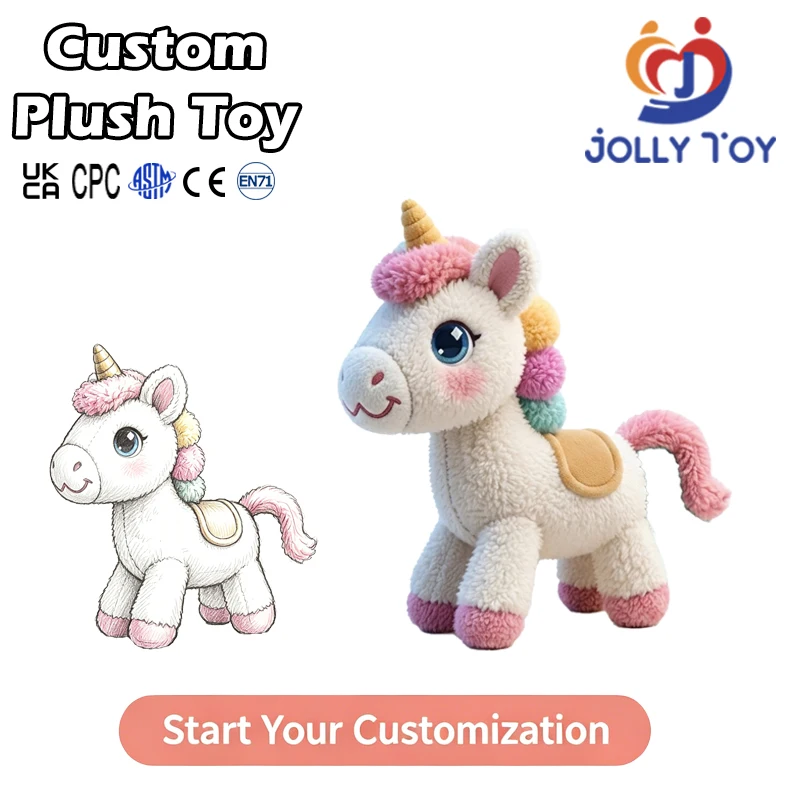
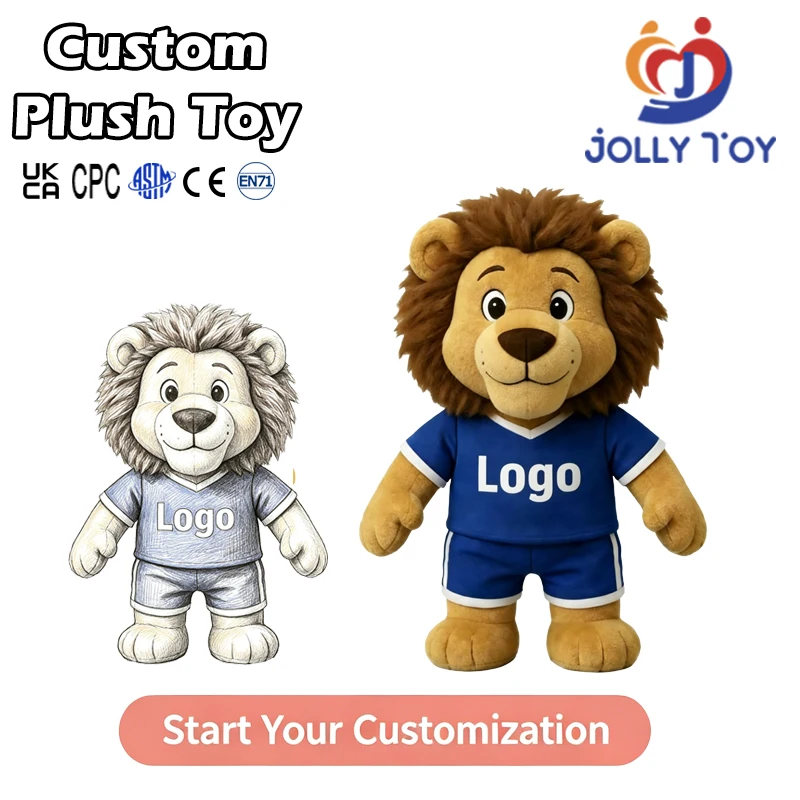
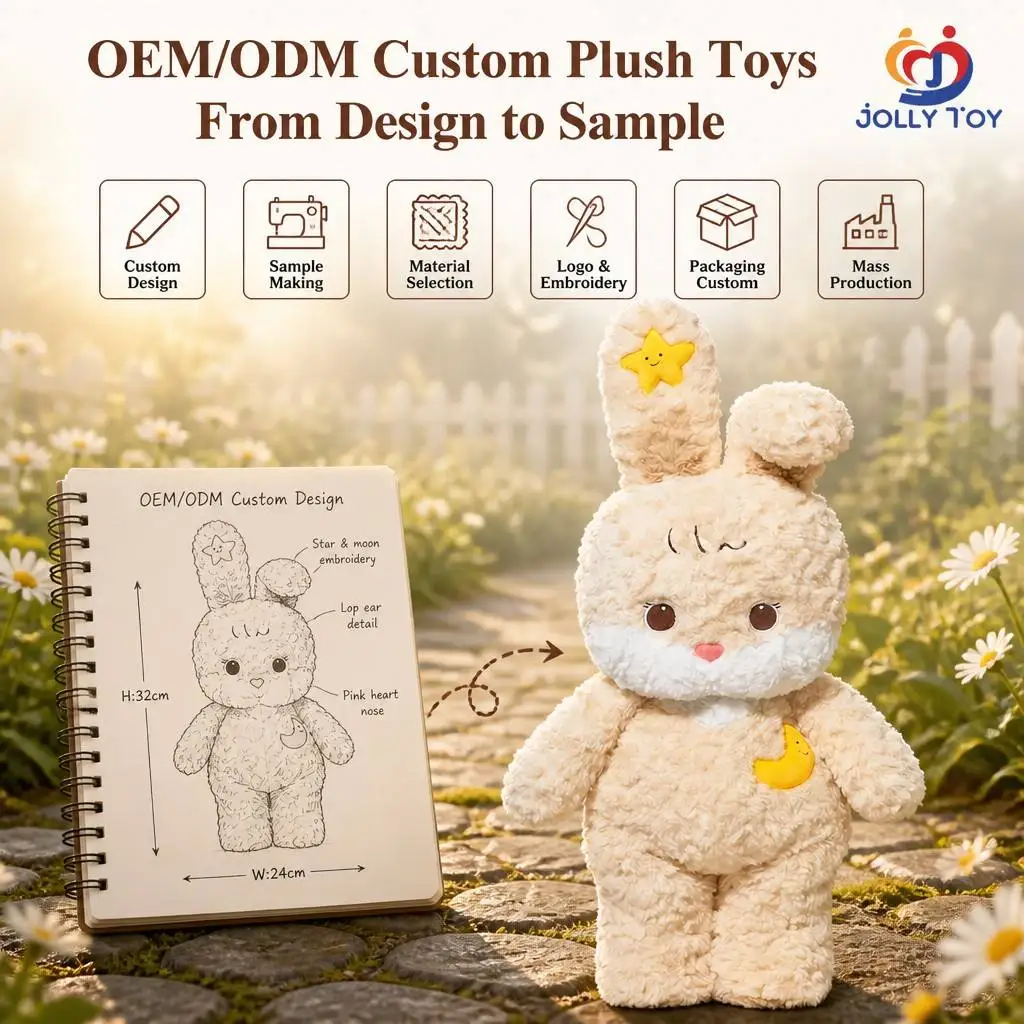
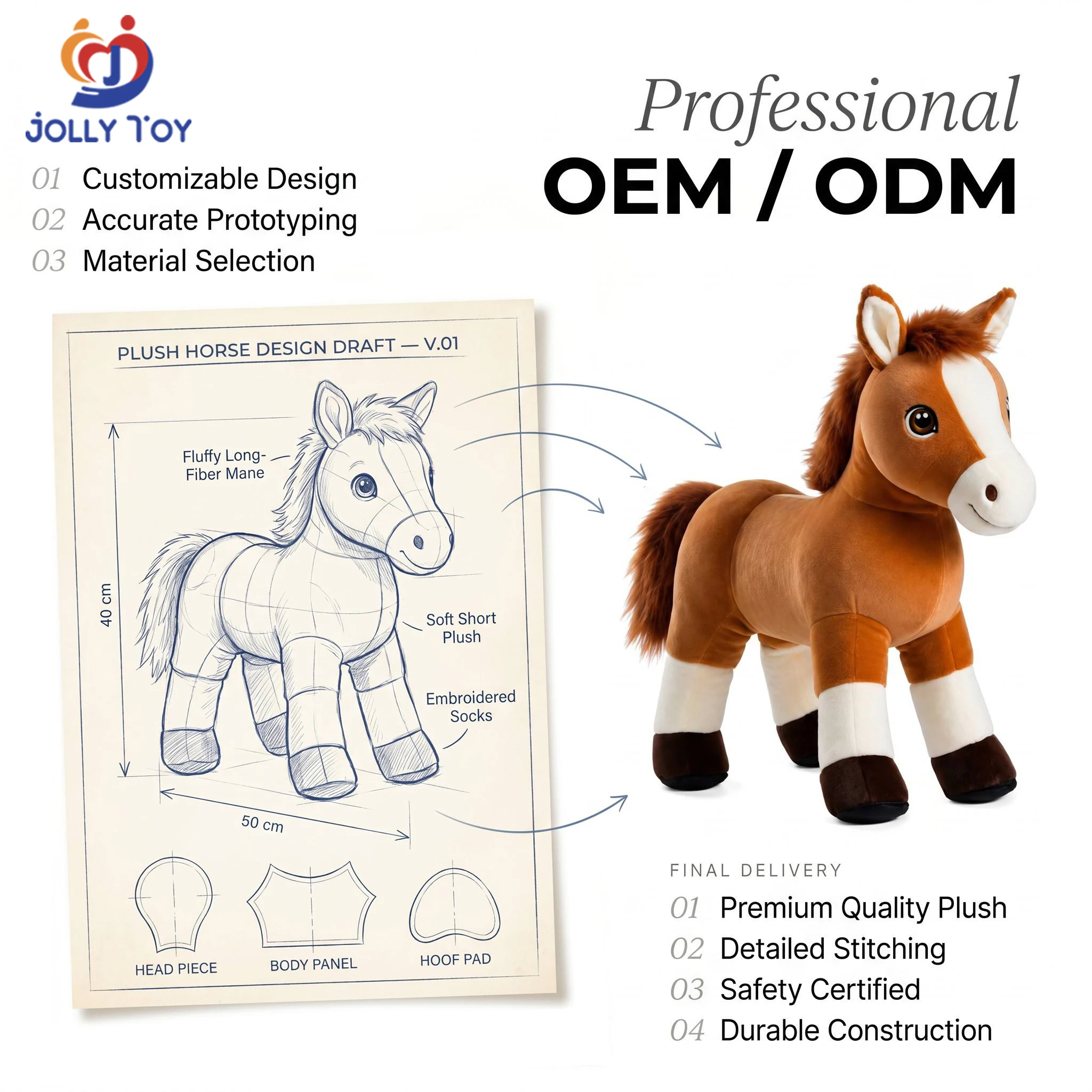
In the world of custom toy manufacturing, selecting the right partner can significantly impact product quality, compliance, and market success. As a specialized custom toy manufacturer with over 10 years of experience, we understand that buyers are often concerned about specifications, material choices, production capabilities, and quality assurance. This article aims to guide purchasing managers, product managers, and other professionals through the essential considerations and processes involved in choosing a custom plush toy maker.
When selecting a Jolly Toy custom toy manufacturer, several critical factors need to be evaluated. Begin by assessing their manufacturing capabilities. A manufacturer with advanced machinery for sewing, cutting, embroidery, and injection molding can offer greater flexibility and efficiency in production. For example, our facility is equipped to handle both plush and plastic toys, allowing for a diverse range of product offerings.
Next, consider the manufacturer's certifications. Certifications such as ICTI, Sedex, and BSCI demonstrate a commitment to quality and social compliance, which are vital in today's market. Ensure the manufacturer can provide documentation of their certifications to verify their compliance with industry standards.
Production capacity is another important factor. A manufacturer with a robust annual production capacity, such as our 800,000 pieces, can better meet large orders and maintain consistent supply, which is crucial for businesses planning large-scale distribution.
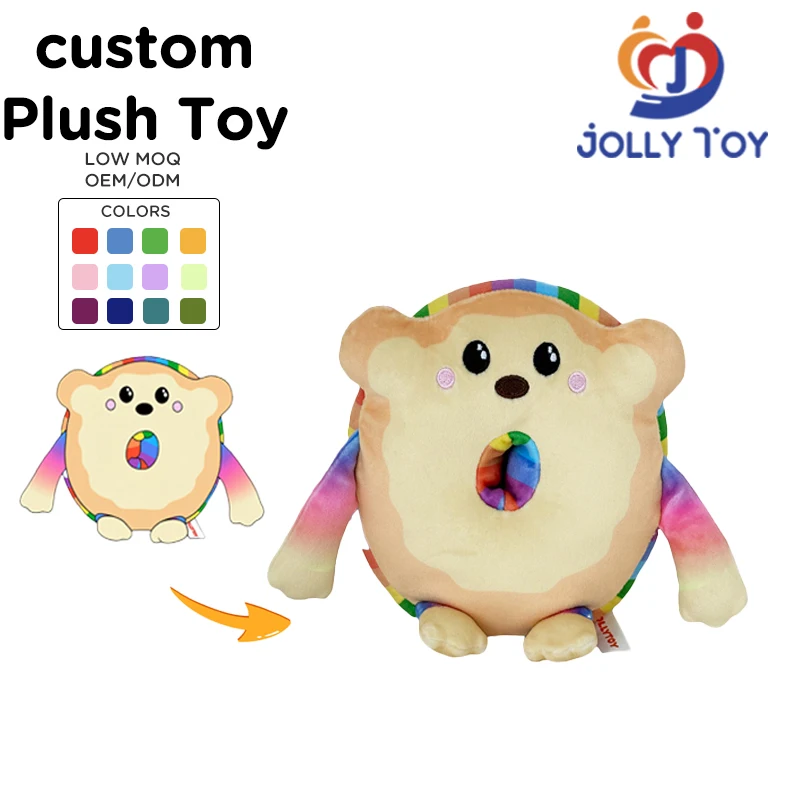
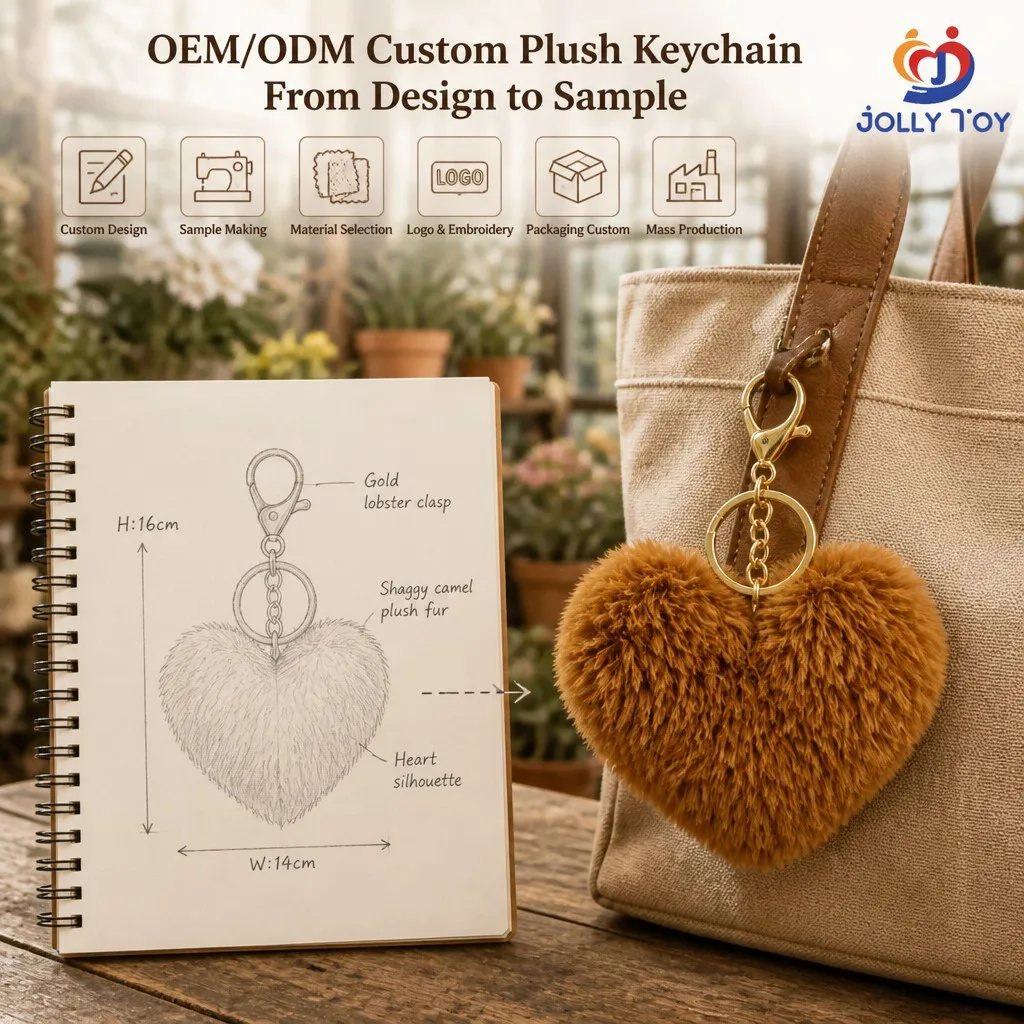
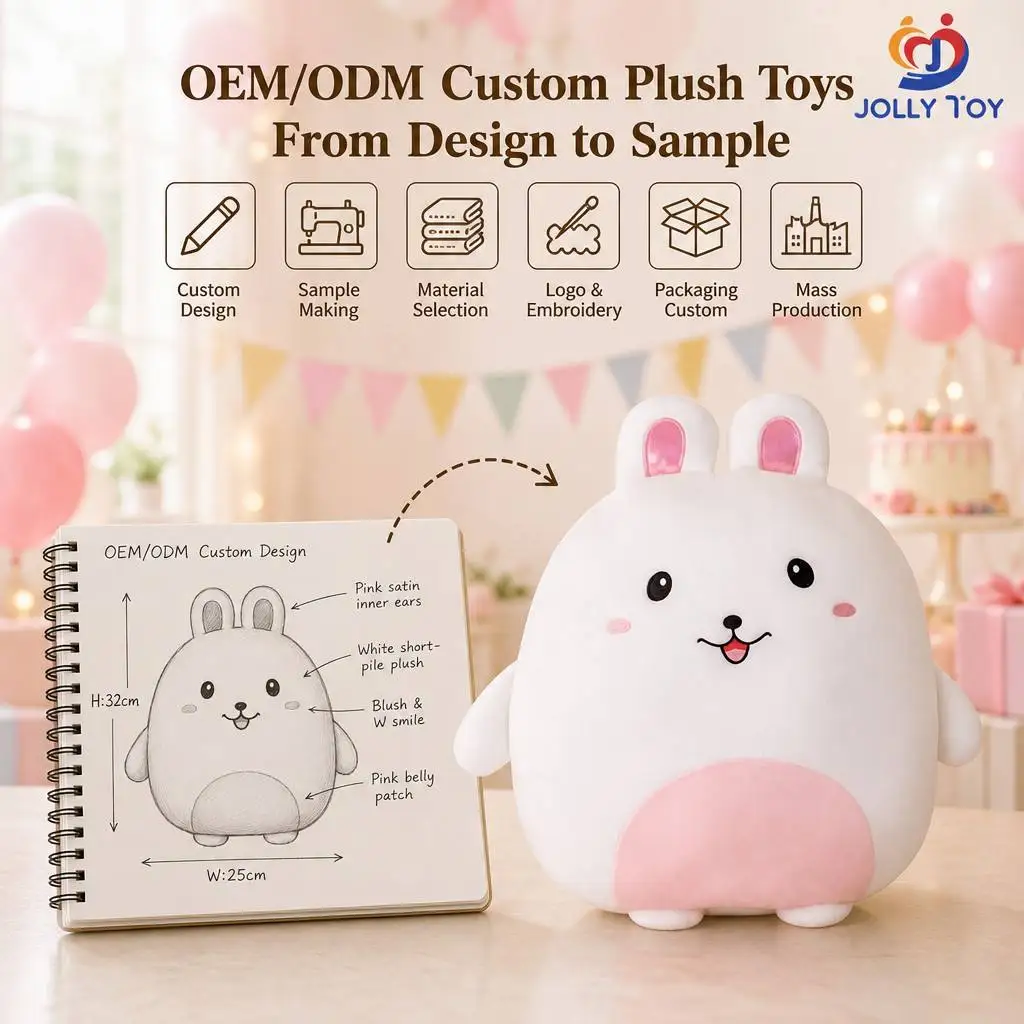
Lastly, evaluate their customization capabilities. The ability to modify designs, materials, and packaging is essential for aligning products with market demands and branding requirements.
Several specific factors should be scrutinized when choosing a custom toy manufacturer:
Material Selection: Different custom made plush toys require different materials based on their intended use, safety standards, and durability. Discuss material options and their implications with potential manufacturers.
Quality Control Processes: Understand the quality assurance methods employed by the manufacturer. Regular testing throughout the production process can help catch defects early.
Lead Time: Inquire about the manufacturer's lead times for production and shipment. This is particularly important if your business operates on tight deadlines.
Minimum Order Quantities (MOQs): Manufacturers often have MOQs that can impact your ordering strategy. Ensure that the manufacturer’s MOQs align with your business needs.
Packaging and Shipping: Evaluate the packaging methods offered by the manufacturer. Effective packaging not only protects the products but also enhances brand presentation.
By carefully considering these factors, you can make a more informed decision when selecting a custom toy manufacturer.
Material selection in custom toy manufacturing is crucial as it influences safety, durability, and compliance with regulations. Common materials include Jolly Toy plush fabrics, various plastics, and eco-friendly options.
Plush toys, often made from synthetic fibers, offer softness and comfort, making them ideal for younger children. However, they must adhere to safety standards regarding flammability and toxicity. Buyers should ensure the manufacturer uses materials that comply with relevant regulations, such as ASTM and EN71, which govern toy safety.
Plastic toys, on the other hand, can be produced from different types of polymers, each with unique properties. For instance, PVC is commonly used for its durability, while ABS is favored for its toughness and impact resistance. Understanding these materials’ advantages and limitations will help in selecting the best options for your product line.
Additionally, incorporating sustainable materials can appeal to eco-conscious consumers. Discuss options for biodegradable or recycled materials with your manufacturer to enhance your brand's appeal in a competitive market.
While custom toys are often designed for play, they may also serve various applications such as educational tools or promotional items. When designing Jolly Toy custom made stuffed toys, consider how they will be used and the installation requirements associated with those applications.
For educational toys, ensure that they are easy to use and safe for children. Provide clear instructions for assembly or operation. If toys are intended for promotional use, consider how they will be shipped and displayed, as this can impact their effectiveness in engaging customers.
If the toys require assembly, ensure that the manufacturer includes comprehensive installation guides and any necessary tools or components. This can significantly enhance the user experience and reduce the likelihood of product returns due to assembly issues.
Understanding common challenges in toy manufacturing can help buyers anticipate potential issues and ensure smoother production processes.
Quality Control Failures: Defective products can arise from various factors, including material flaws or inaccuracies in production. To mitigate this risk, establish clear quality control benchmarks and conduct regular inspections at different manufacturing stages. Always approve a finished sample before mass production to verify that it meets your specifications.
Supply Chain Disruptions: Delays in the supply of materials can hinder production timelines. Build strong relationships with suppliers and have contingency plans in place to address potential disruptions. This may include identifying alternate suppliers or maintaining safety stock levels.
Regulatory Compliance: Non-compliance with safety regulations can lead to product recalls and reputational damage. Stay informed about the latest regulations and ensure that the manufacturer has a robust compliance process. Regular audits and documentation reviews can help maintain compliance.
Customization Challenges: Customizing designs can lead to complications if not properly managed. Work closely with the manufacturer during the design phase to ensure that all requirements are clearly understood and achievable.
By proactively addressing these common challenges, buyers can foster a more efficient and reliable manufacturing process, ultimately leading to successful product launches and satisfied customers.

 EN
 AR
 CS
 DA
 NL
 FI
 FR
 DE
 EL
 IT
 JA
 KO
 NO
 PL
 PT
 RU
 ES
 SV
 IW
 UK
 TR
 AF
 GA
 IS
 LA