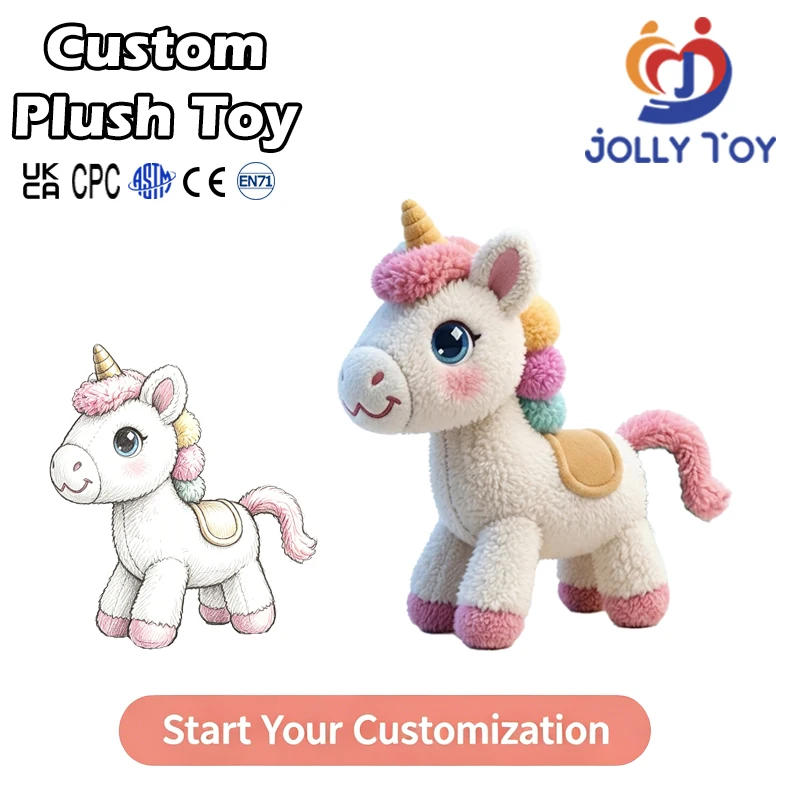
In the competitive landscape of toy manufacturing, particularly for plush animals, understanding the nuances of product specifications, applications, and sourcing is crucial for B2B buyers. Plush animal manufacturers play a vital role in providing high-quality products that meet diverse customer needs. This article about Jolly Toy plush animal keychain will help purchasing managers, distributors, and product managers navigate the key considerations when selecting plush toys, ensuring Jolly Toy stuffed animals make informed decisions that align with their business objectives.
When sourcing plush animals, several specifications must be taken into account to ensure the product meets your quality and safety standards. Key specifications include material composition, size dimensions, weight, and safety compliance.
Material Composition: Plush animals are commonly made from various fabrics, including polyester, cotton, and blends. Each material offers different benefits: polyester is durable and easy to clean, while cotton provides a softer touch. Understanding the intended use of the plush animal can guide material selection. For instance, Jolly Toy personalized stuffed animals intended for young children should use hypoallergenic materials to eliminate any risk of irritation.
Size and Dimensions: The size of the plush toy can significantly impact its marketability. Ensure that the dimensions align with your target demographics—larger toys may appeal to younger children, while smaller sizes might attract older age groups or collectors.
Safety Compliance: Certifications such as ICTI, Sedex, and BSCI are essential for ensuring that the plush animals meet international safety standards. These certifications indicate that the manufacturing processes adhere to ethical and social compliance, which is increasingly important for buyers concerned about corporate responsibility.
Being aware of these specifications allows buyers to request accurate quotes and ensure the products align with their market needs.
Plush animals are not just popular in the toy market; they have applications across various sectors, including education, retail, and marketing. Understanding these applications can help buyers identify potential markets for their products.
Educational Tools: Plush animals are widely used in educational settings to engage children in learning. They can serve as teaching aids that help explain concepts in a playful manner, making them valuable for schools and daycare centers.
Retail Promotions: Many retailers use plush animals as promotional items to enhance customer engagement. They can be used in giveaways, loyalty programs, or as part of a themed marketing campaign, creating a memorable experience for customers.
Therapeutic Uses: Plush toys are also utilized in therapeutic settings, providing comfort and companionship to individuals, particularly children undergoing medical treatments or facing emotional challenges. This application opens avenues for partnerships with healthcare providers and organizations.
By recognizing these diverse applications, buyers can better position their products to meet the needs of various market segments.
As a buyer, it’s essential to be well-informed before making a purchase of plush animals. Here are some critical considerations:
Minimum Order Quantity (MOQ): Different manufacturers may have varying MOQs, which can impact your purchasing decisions. Understanding the MOQ helps in planning inventory and financial outlay effectively.
Customization Options: Many plush animal manufacturers offer customization, including unique designs, colors, and branding options. Consider what level of customization is important for your brand and how it can enhance market appeal.
Lead Times: Production lead times can vary significantly based on order size and complexity. Buyers should inquire about typical lead times to ensure alignment with their product launch schedules.
Quality Control: It’s vital to establish quality control processes. Discussing inspection methods and testing protocols with the manufacturer can help ensure that the final product meets your expectations.
By addressing these factors, buyers can streamline their purchasing process and reduce the risk of complications down the line.
While sourcing plush animals, buyers may encounter several common issues. Here are some of the most frequent challenges and recommended solutions:
Quality Inconsistencies: Variability in product quality can arise from different production batches. To mitigate this, buyers should request samples before committing to large orders. Testing these samples for durability, safety, and overall quality will help ensure consistency in the final products.
Material Issues: Some materials may not hold up well under certain conditions, such as frequent washing. Buyers should ask manufacturers about the performance of different fabrics and their care requirements to avoid quality deterioration.
Supply Chain Delays: Delays in the supply chain can disrupt product availability. Establishing strong communication with suppliers and having contingency plans can help manage these challenges effectively.
Compliance Failures: Non-compliance with safety regulations can lead to serious repercussions. Buyers should verify that their manufacturers have up-to-date certifications and that they follow best practices in production.
By anticipating these challenges, purchasers can implement proactive measures to ensure a smooth procurement process.
Finding reliable plush animal manufacturers is essential for successful sourcing. Here are some tips on where to look:
Industry Directories and Trade Shows: Participating in industry trade shows or utilizing online directories can connect buyers with reputable manufacturers. These platforms often provide insights into the manufacturer’s capabilities and product offerings.
Online Marketplaces: Websites like Alibaba and Global Sources feature a wide range of suppliers. However, buyers should conduct due diligence, including checking reviews and requesting samples, to ensure quality.
Local Manufacturers: Engaging with local manufacturers can reduce shipping times and costs. Additionally, working with nearby suppliers allows for easier communication and collaboration on product development.
Networking: Leveraging professional networks or industry associations can yield recommendations for trustworthy plush animal manufacturers. Engaging with peers in the industry can provide valuable insights into reliable suppliers.
By exploring these sourcing options, buyers can find high-quality plush animals that meet their specific project requirements, ensuring a successful partnership with their manufacturer.

 EN
EN
 AR
AR
 CS
CS
 DA
DA
 NL
NL
 FI
FI
 FR
FR
 DE
DE
 EL
EL
 IT
IT
 JA
JA
 KO
KO
 NO
NO
 PL
PL
 PT
PT
 RU
RU
 ES
ES
 SV
SV
 IW
IW
 UK
UK
 TR
TR
 AF
AF
 GA
GA
 IS
IS
 LA
LA