In the competitive landscape of the toy industry, selecting the right toy factory for bulk orders is crucial for ensuring product quality and meeting market demands. With an extensive background in manufacturing plush and plastic toys, we understand the complexities that purchasing managers, distributors, and product managers face when sourcing Plush Toys. This article will guide you through the essential considerations for evaluating suppliers, key specifications to look for, and the applications of toy products, empowering you to make informed decisions.
When selecting a toy factory for bulk orders, it’s essential to evaluate several factors. Start by assessing the supplier's experience and reputation in the industry. A manufacturer with a solid track record, like ours with over 10 years in the business, often indicates reliability and quality assurance. Next, consider their certifications. Look for factories that hold certifications such as ICTI, Sedex, and BSCI, which demonstrate commitment to ethical production practices and social compliance. These certifications not only enhance trust but also ensure that the products meet international safety standards. Additionally, evaluate the factory's production capacity. For instance, our facility has an annual production capacity of 800,000 pieces, which allows for scalability in response to fluctuating demand. It’s also wise to inquire about lead times and the flexibility of the supplier in accommodating last-minute changes or custom orders. Lastly, assess the communication and support provided by the supplier. A responsive and knowledgeable team can help address any concerns that arise during the production process, making the partnership more productive and efficient.
When sourcing toys, understanding key specifications is vital to ensure the products meet your requirements. Key specifications include material choice, dimensions, safety compliance, and design features
Material: The material used in toy production significantly impacts durability and safety. Plush toys typically require high-quality fabrics that are soft and non-toxic, while plastic toys must comply with safety standards for materials like PVC or ABS
Dimensions: Ensure that the dimensions of the toys align with your target market. For example, toys designed for younger children should be larger to prevent choking hazards, while toys for older children may be smaller and more intricate
Safety Compliance: Verify that the toys comply with relevant safety standards in your target market. This includes regulations such as ASTM F963 in the U.S. or EN71 in Europe. Ensuring compliance will minimize liability and enhance marketability
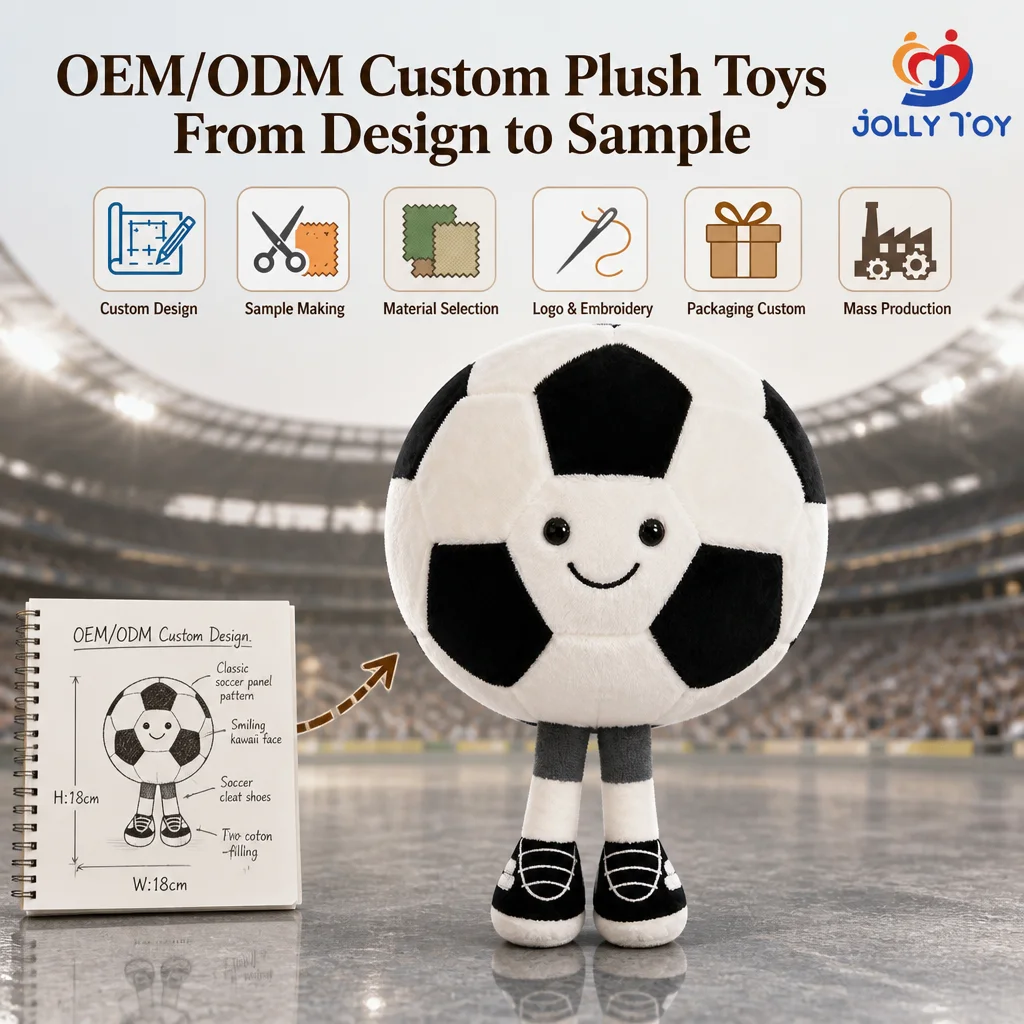
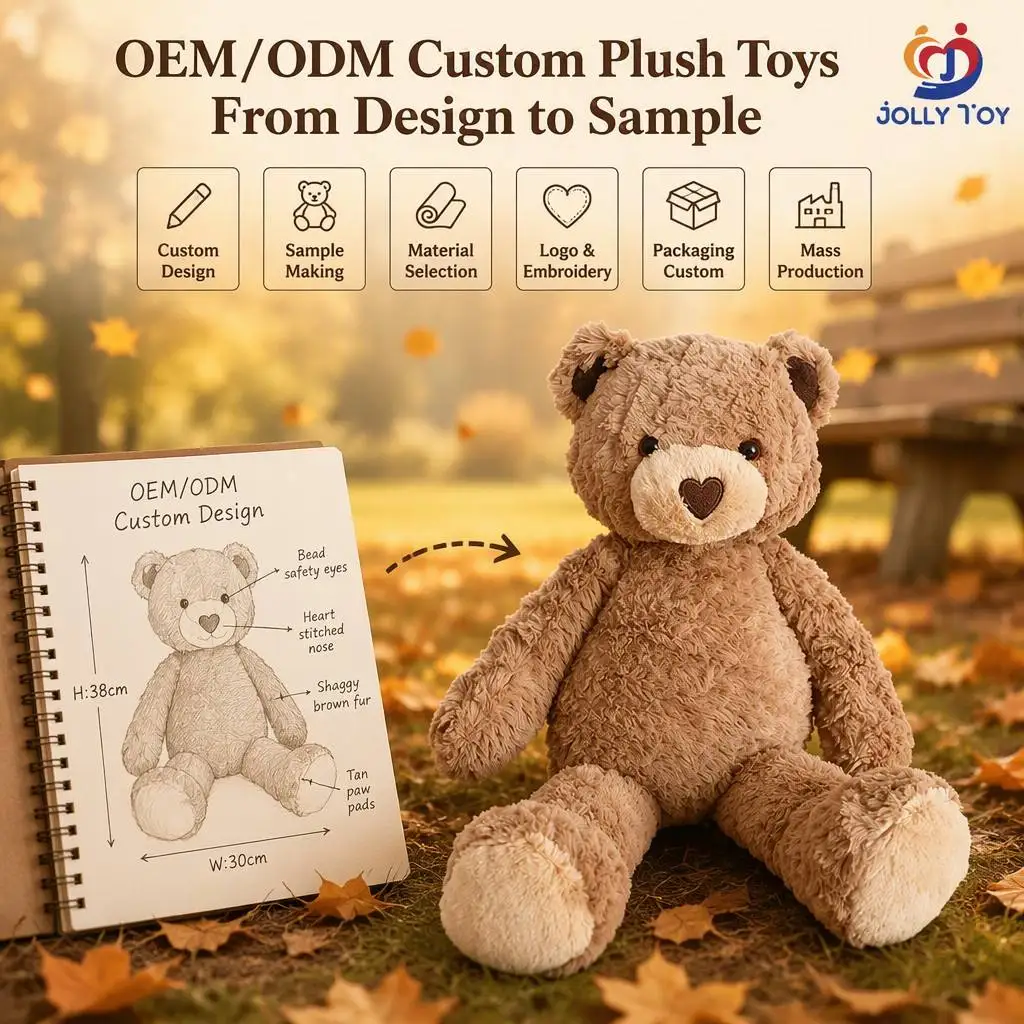
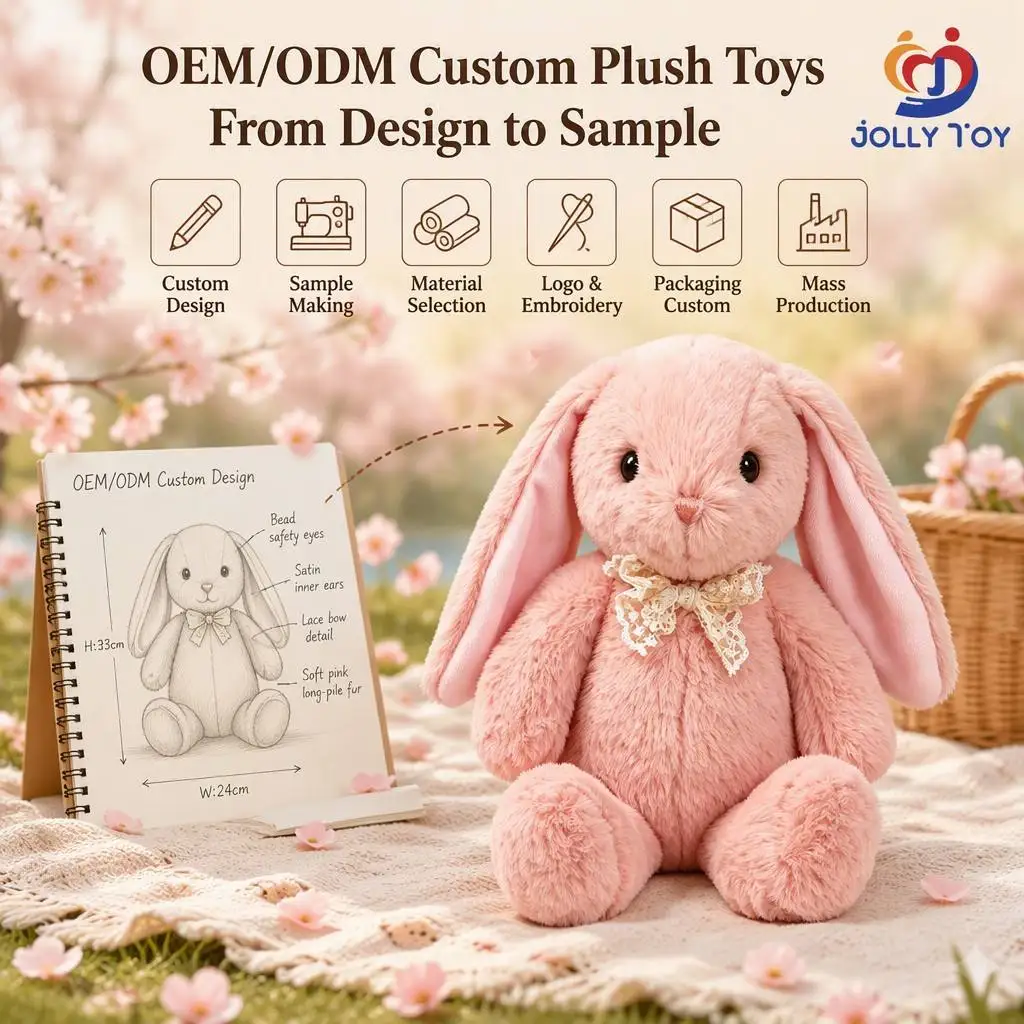
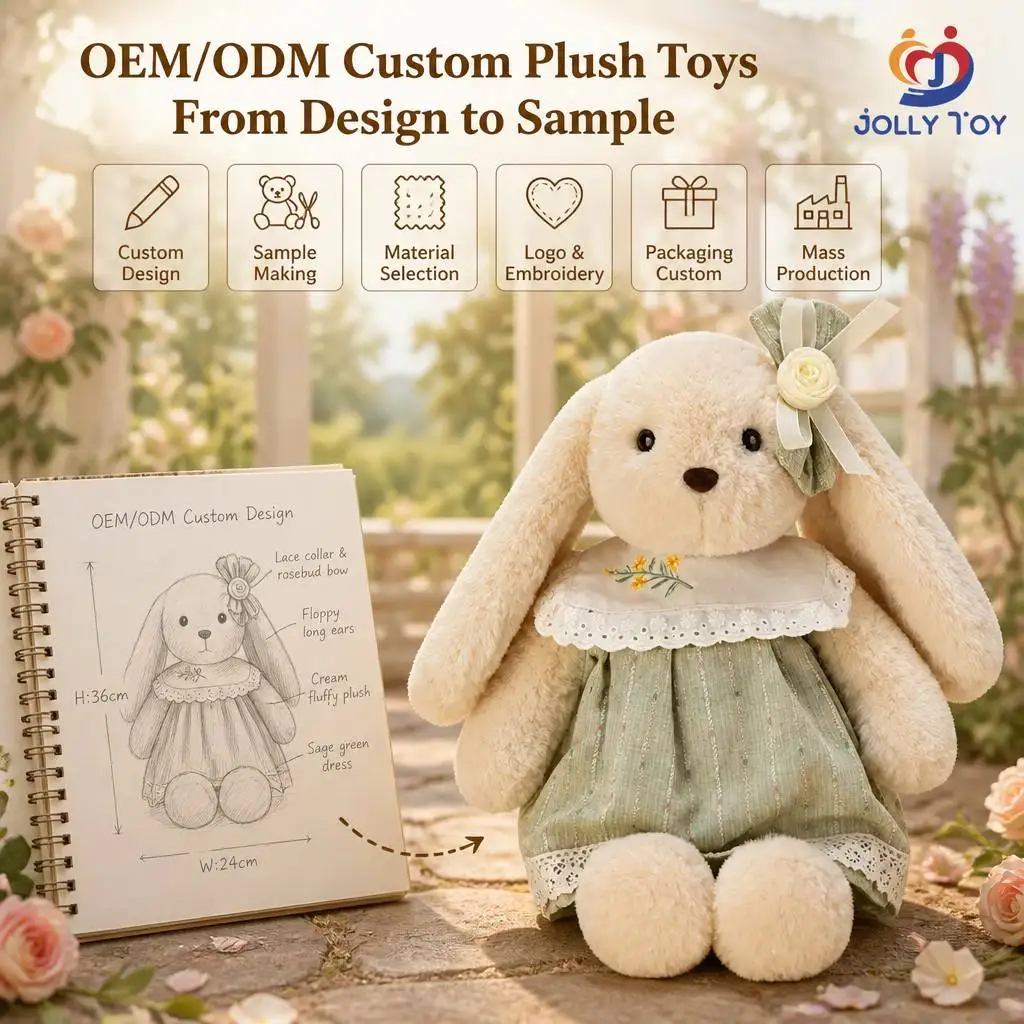
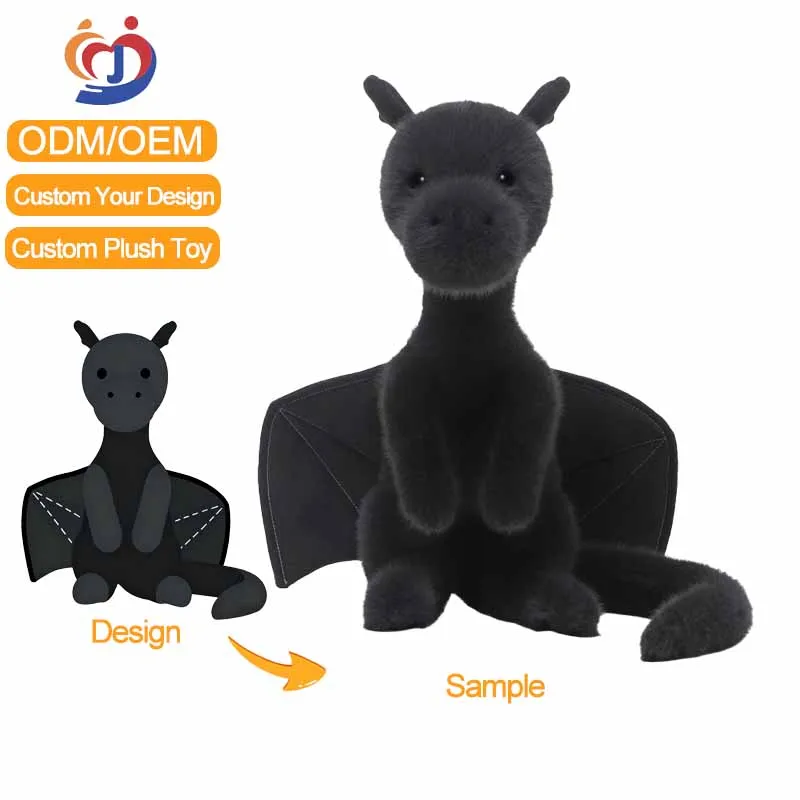
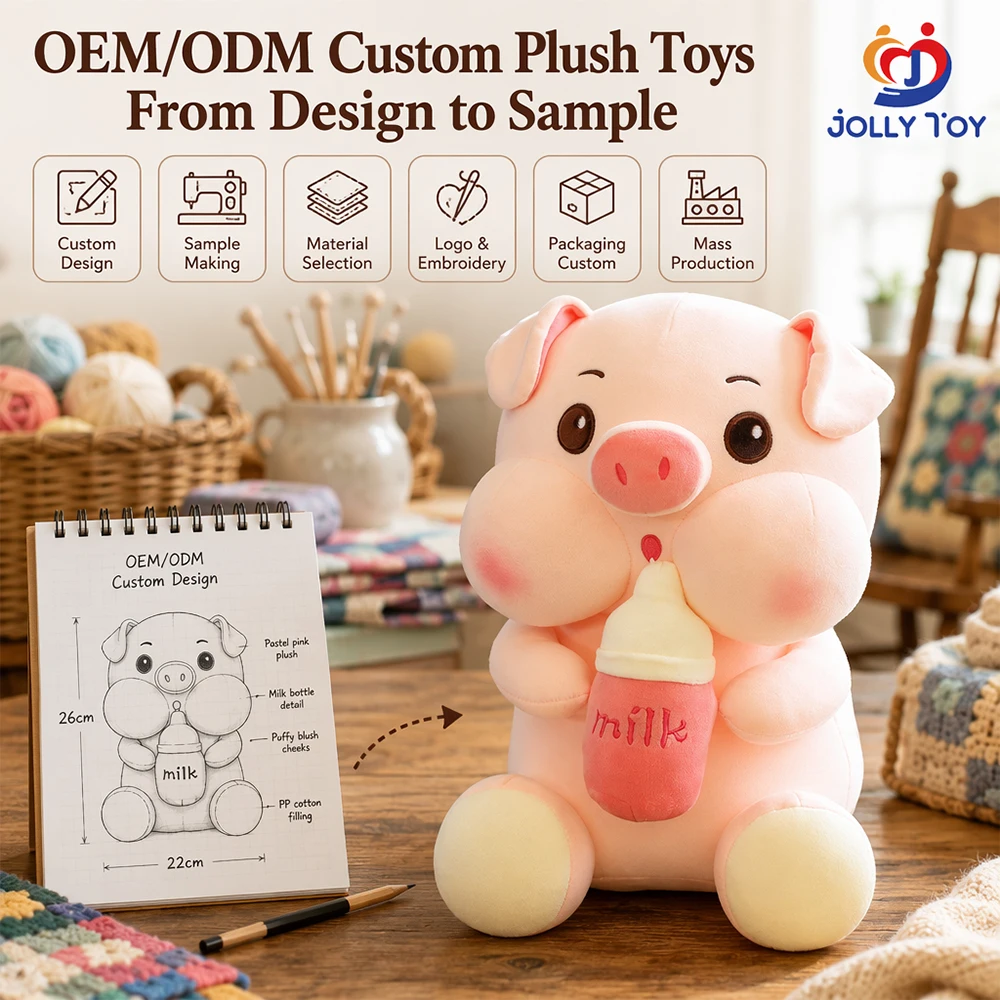
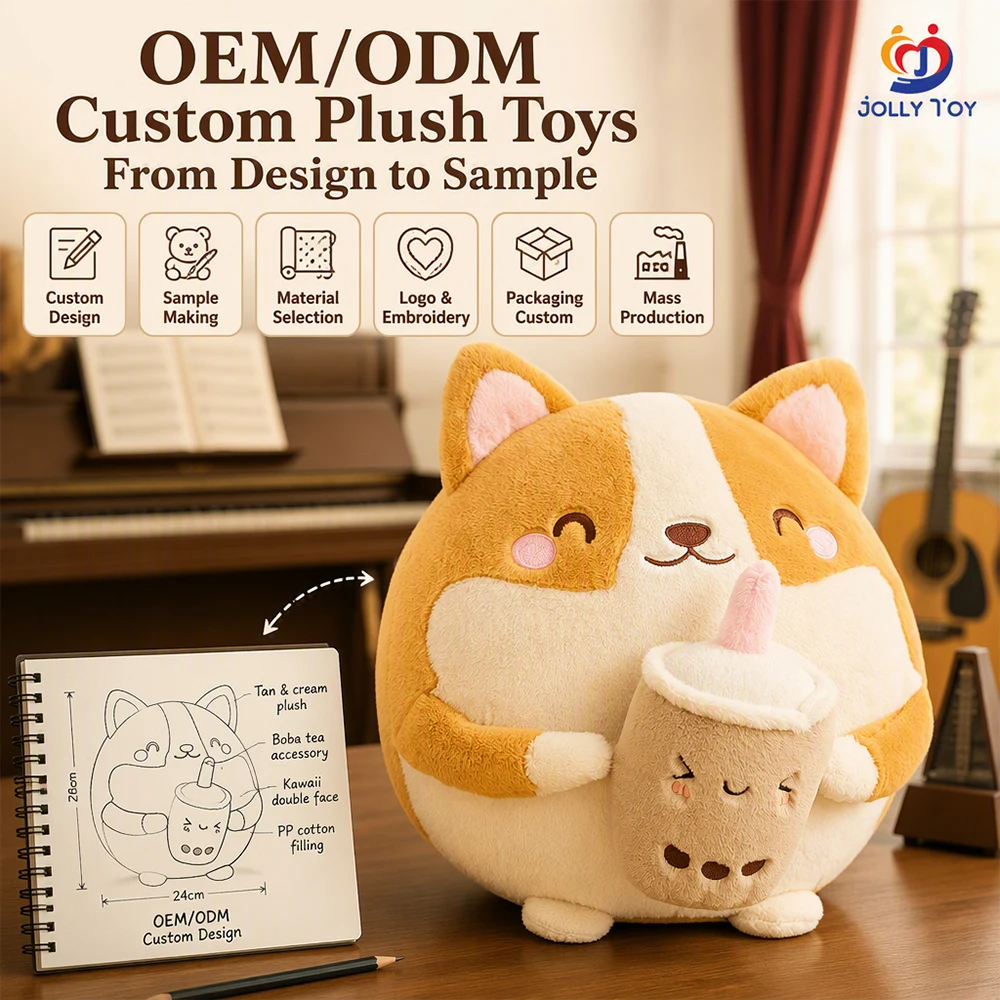
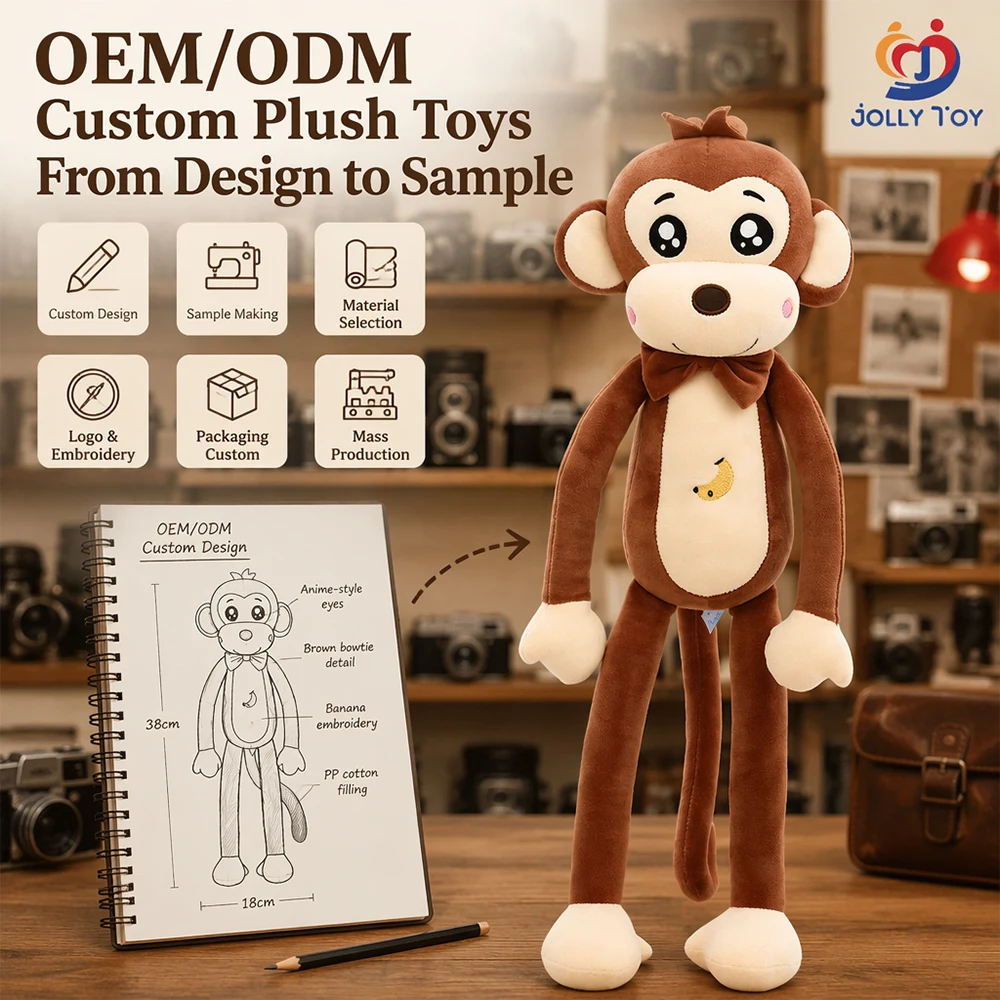
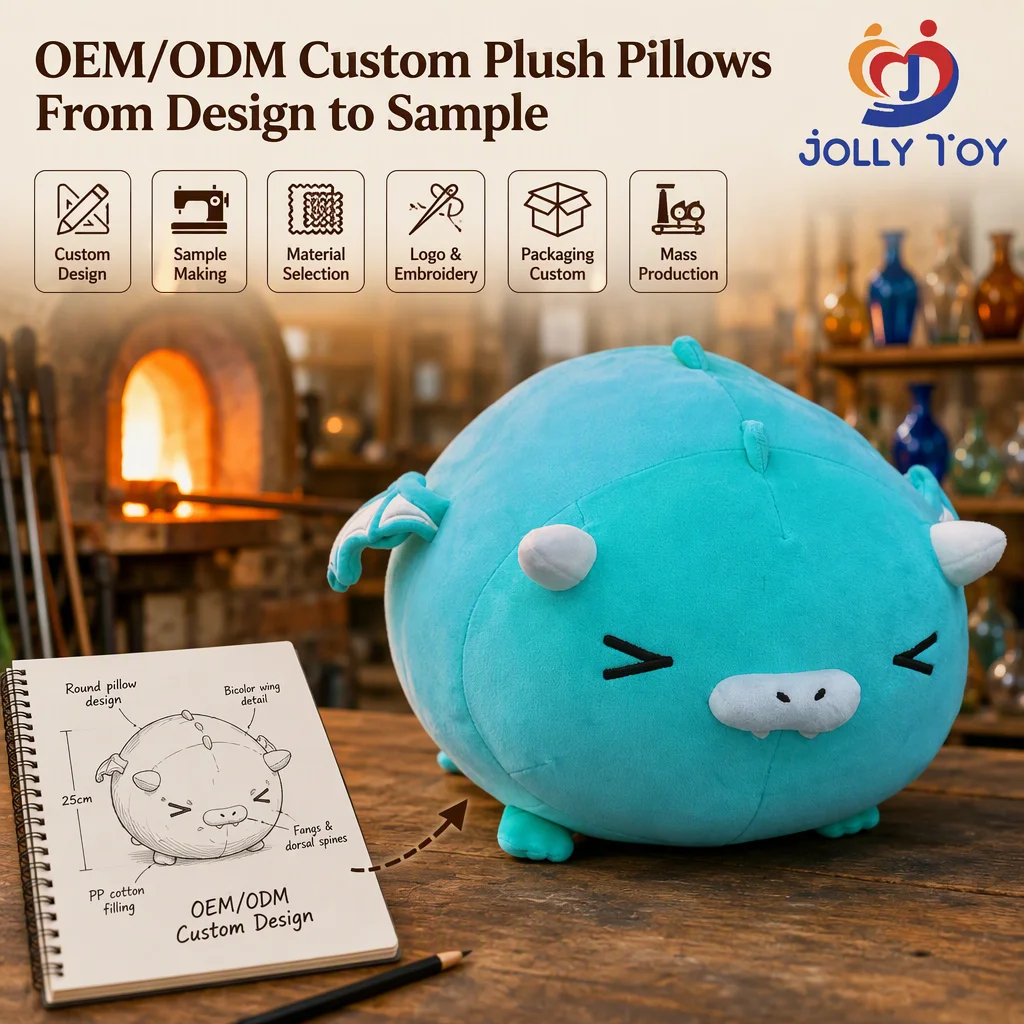
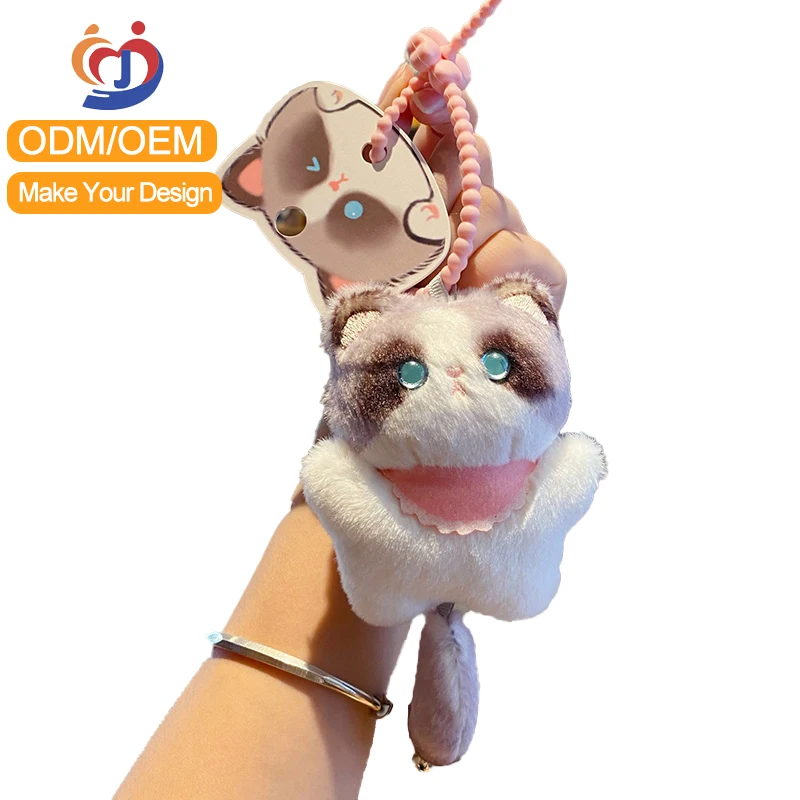
Customization Options: Many buyers require specific designs or branding. Inquire about the factory's customization capabilities, such as different colors, logos, or packaging options, to ensure the toys align with your brand identity
Understanding these specifications will help you clarify your needs when discussing orders with potential toy manufacturer.
Finding trustworthy wholesale toy manufacturers can be challenging. Begin by exploring industry trade shows and exhibitions, which often showcase established manufacturers and allow for direct interactions. Websites like Alibaba or Global Sources can also help you find suppliers, but ensure you conduct thorough due diligence by checking reviews and references. Additionally, leveraging networks within industry associations or forums can lead to recommendations for reputable manufacturers. Engaging with fellow businesses that have experience with specific suppliers can provide insights into reliability and product quality. Also, consider visiting factories if possible. A site visit allows you to observe the manufacturing processes, quality control measures, and working conditions firsthand, which can significantly influence your purchasing decision.
Plush and plastic toys serve a variety of applications beyond simple playthings. Understanding these applications can help you identify new market opportunities
Educational Tools: Many educational institutions utilize plush toys to teach children about emotions, animals, and social skills. Plastic toys often serve as hands-on learning tools for STEM education, helping children grasp complex concepts through interactive play
Promotional Items: Companies frequently use toys in promotional campaigns. Custom-branded stuffed animals or plastic figures can enhance brand visibility while appealing to families and children, making them effective marketing tools
Therapeutic Uses: Plush toys are commonly used in therapy settings to provide comfort and support to children dealing with trauma or anxiety. Understanding the therapeutic applications of your product can open new avenues for sales
Gifts and Collectibles: The toy market also includes gifts and collectibles, where unique designs or limited editions can attract collectors. Identifying trends in this space can help tailor your product offerings to meet consumer demand
By exploring these applications, you can position your products more effectively in the market, catering to diverse consumer needs.
The choice of materials and manufacturing techniques significantly affects the quality and safety of toys
Materials: Common materials used in toy production include plush fabrics (eg., polyester, cotton) and various types of plastics (eg., polyethylene, polypropylene). Each material has specific benefits; for example, polyester is durable and easy to clean, while certain plastics can be molded into intricate shapes
Manufacturing Techniques: The production process can involve techniques such as sewing, injection molding, and embroidery. For plush toys, sewing and stuffing are critical to achieve the desired softness and appearance. Plastic toys often require injection molding to create complex shapes, which necessitates high precision to ensure safety and functionality
Quality Control: Implementing a robust quality control process throughout production is essential. This includes conducting inspections at various production stages to identify defects early and ensuring compliance with safety standards
Testing: Before mass production, it's vital to test samples under actual operating conditions to evaluate durability and safety. This step can identify potential issues that may arise during use, allowing for adjustments before full-scale production
By understanding the materials and techniques involved in toy manufacturing, you can make more informed decisions and ensure the products you source meet the necessary quality standards.

 EN
 AR
 CS
 DA
 NL
 FI
 FR
 DE
 EL
 IT
 JA
 KO
 NO
 PL
 PT
 RU
 ES
 SV
 IW
 UK
 TR
 AF
 GA
 IS
 LA