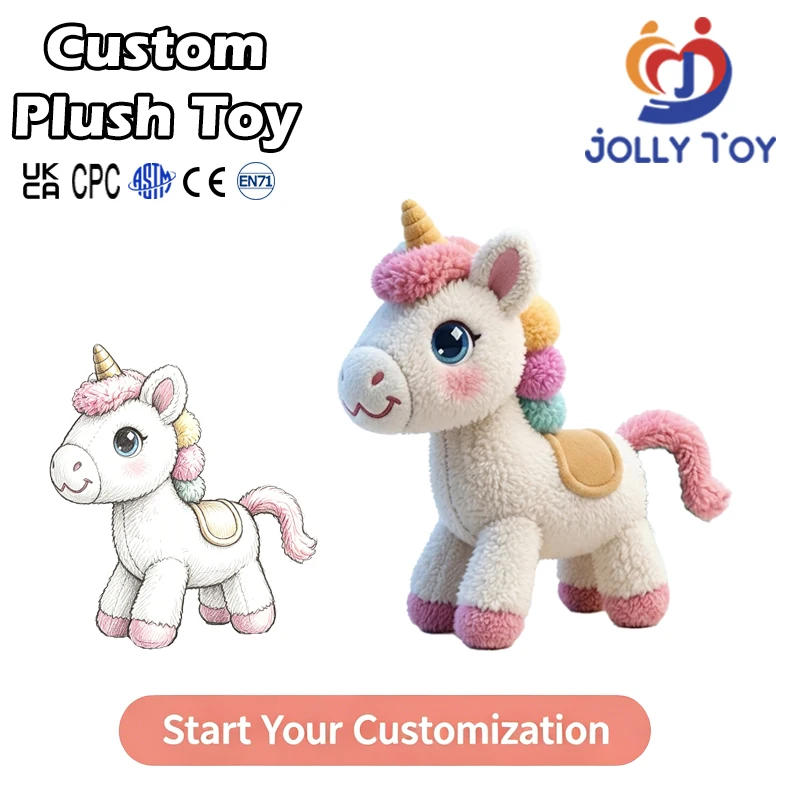
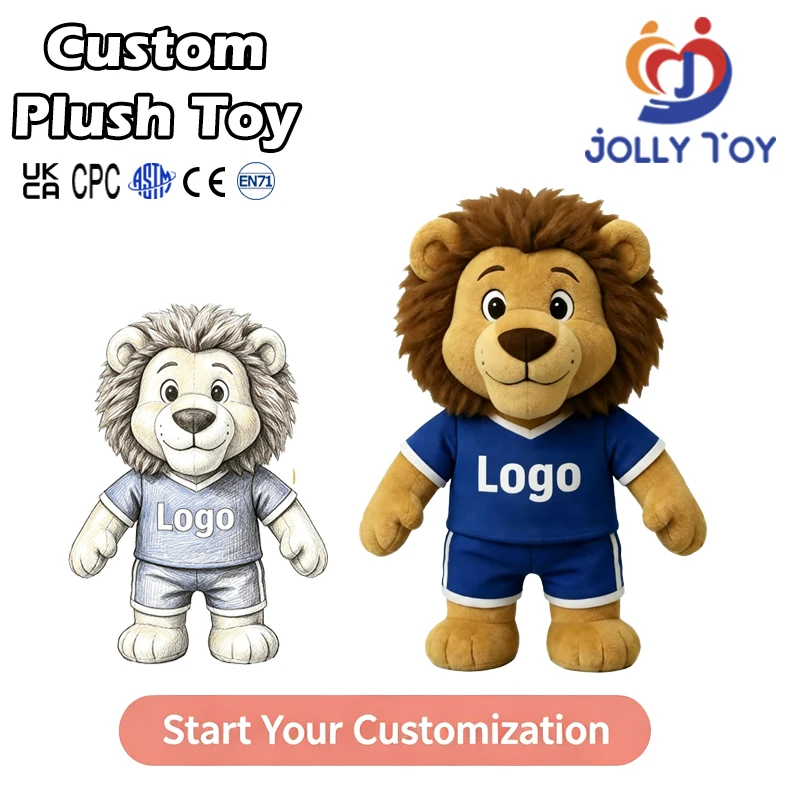
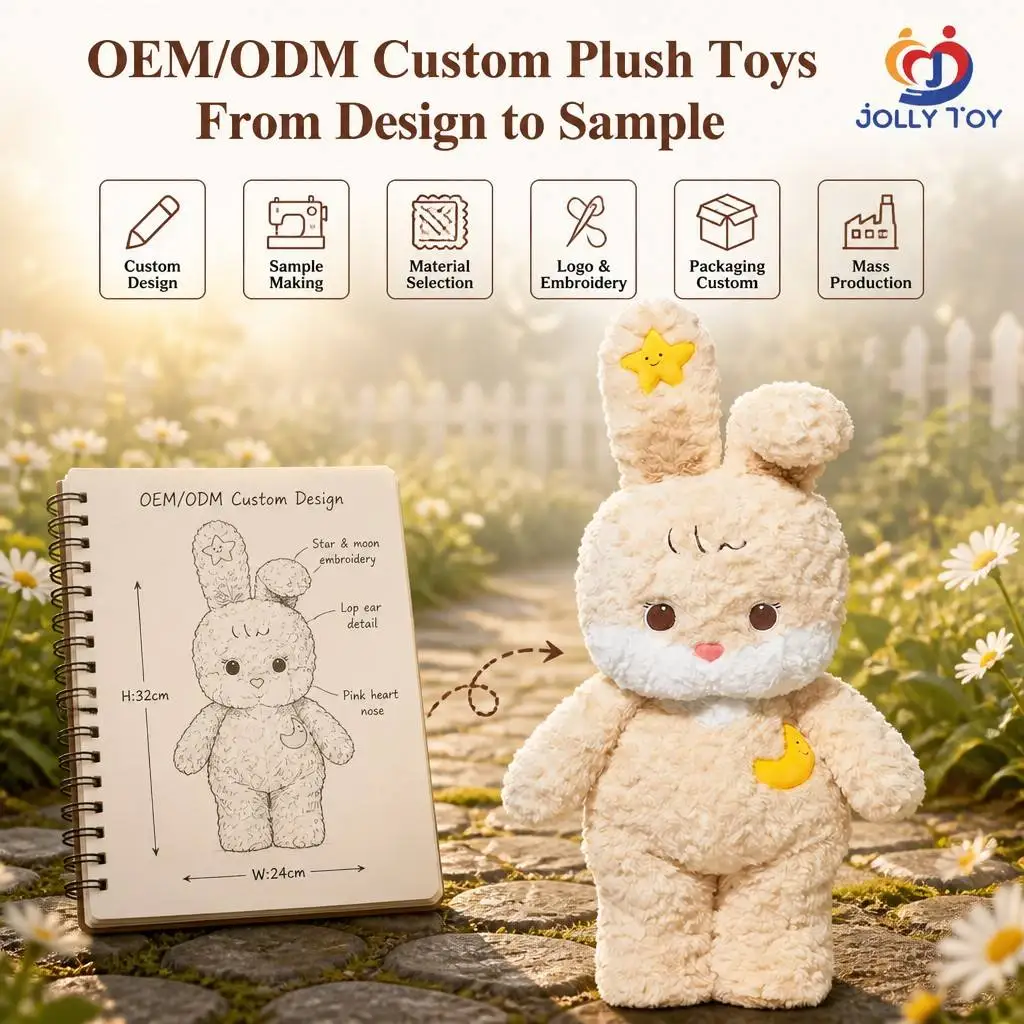
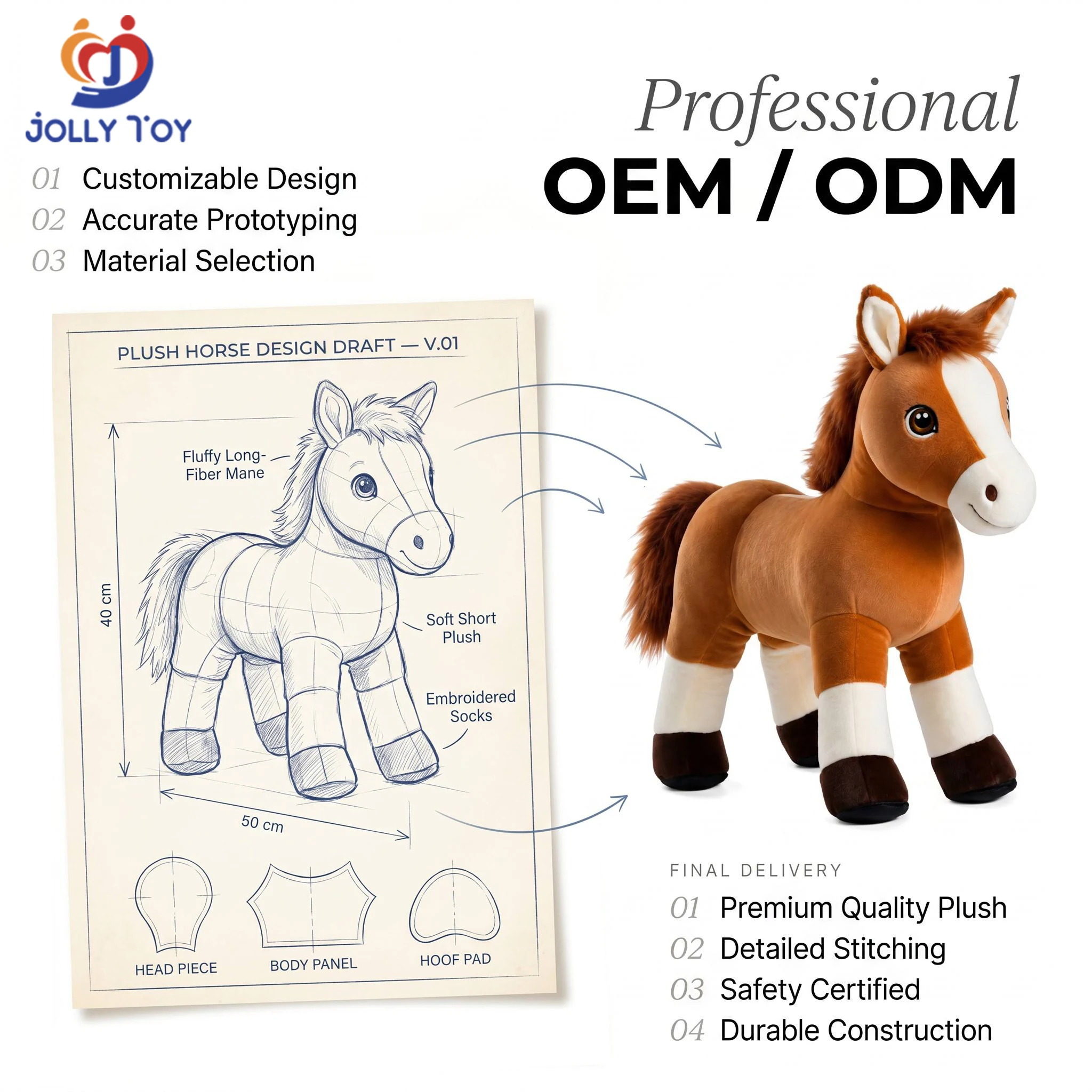
Big stuffed toys are not only beloved by children but also represent a growing segment in the toy industry, attracting attention from B2B buyers such as purchasing managers, distributors, and retailers. When sourcing these plush products, buyers often have concerns about product specifications, quality control, and supplier reliability. This article will provide insights into the key aspects of purchasing personalized plush toys in bulk, ensuring that buyers are well-informed and prepared for successful procurement.
When ordering Jolly Toy big stuffed toys, specifications play a crucial role in ensuring that the products meet customer expectations and safety standards. Key specifications to consider include size, material, and safety compliance.
Size: Big stuffed toys typically vary in size, ranging from 24 inches to over 5 feet. Buyers should specify the dimensions required for their target market. Larger toys may require more robust packaging to prevent damage during shipping.
Material: The choice of material significantly influences the toy's feel, durability, and safety. Common materials include plush fabrics like polyester or cotton, which should be soft yet durable. Buyers should inquire about the type of stuffing used (e. g. polyester fiberfill) to ensure it meets safety regulations, especially for custom made plush toys intended for young children.
Safety Compliance: It is essential to ensure that the toys comply with relevant safety standards, such as ASTM and EN71. Certifications from bodies like ICTI, Sedex, and BSCI indicate that the manufacturer adheres to quality and social compliance standards, providing buyers with peace of mind regarding the safety of their products.
By confirming these specifications, buyers can avoid common pitfalls, such as ordering toys that do not meet market preferences or safety requirements.
Quality control is a critical aspect of the manufacturing process for Jolly Toy big stuffed toys. Effective quality control measures ensure that the final products meet the required standards and specifications. Here are some key practices:
Material Inspection: Before production, raw materials should be inspected for quality. This includes checking for softness, color consistency, and safety compliance. Using certified suppliers for materials can enhance the overall quality of the toys.
In-Process Quality Checks: During manufacturing, regular inspections should be conducted at different stages, including sewing, stuffing, and finishing. These checks help identify defects early in the production process, reducing waste and ensuring that only high-quality products proceed to the next stage.
Final Product Testing: Once the toys are manufactured, a final inspection should be performed. This should include safety testing, such as checking for choking hazards, sharp edges, or loose parts. Samples should also be tested for durability and washability to ensure they can withstand regular use.
Implementing robust quality control measures minimizes the risk of defective products, ensuring customer satisfaction and compliance with safety standards.
Finding reliable suppliers for big stuffed toys is vital for successful procurement. Here are some strategies for identifying trustworthy manufacturers:
Industry Directories and Trade Shows: Utilizing industry directories can help buyers locate reputable suppliers. Attending trade shows can provide opportunities to meet manufacturers face-to-face, allowing buyers to assess their capabilities and product offerings firsthand.
Online Supplier Platforms: Websites like Alibaba and ThomasNet feature numerous suppliers, complete with reviews and ratings. Buyers should look for suppliers that have a proven track record in manufacturing plush toys and check their certifications.
Requesting Samples: Before placing a bulk order, buyers should request samples from potential suppliers. This practice allows them to evaluate the quality, craftsmanship, and materials used in the custom made stuffed toys, ensuring they meet the desired standards.
Checking References: Asking for references from other businesses that have purchased from the supplier can provide insights into their reliability and product quality.
By conducting thorough research and vetting potential suppliers, buyers can mitigate risks and ensure a successful partnership.
Cost comparison is a vital part of the purchasing process for Jolly Toy big stuffed toys. Buyers should consider various factors that can influence pricing:
Material Costs: The choice of materials used in the toys can significantly affect the overall cost. Plush fabrics and high-quality stuffing may have a higher price point, but they often lead to better customer satisfaction and lower return rates.
Production Volume: Manufacturers typically offer better pricing for larger orders due to economies of scale. Buyers should assess their demand and consider negotiating for lower prices with bulk orders.
Shipping Costs: Importers should factor in shipping costs, which can vary depending on the shipping method and distance from the supplier. Understanding the total landed cost is essential for accurate pricing comparisons.
Customization Options: Customizing toys—such as adding unique designs, sizes, or features—can increase costs. Buyers should evaluate the necessity and value of customization against the additional expense.
By carefully analyzing these factors, buyers can make informed decisions that balance cost and quality.
When sourcing big stuffed toys, buyers should focus on specific elements to ensure a smooth purchasing process. Here are some key considerations:
Minimum Order Quantity (MOQ): Different suppliers have varying MOQs, which can significantly impact purchasing decisions. Buyers should clarify the MOQ with potential suppliers to ensure it aligns with their needs.
Lead Times: Understanding lead times for production and shipping is crucial for planning inventory. Buyers should inquire about typical lead times and factor in any potential delays, especially during peak seasons.
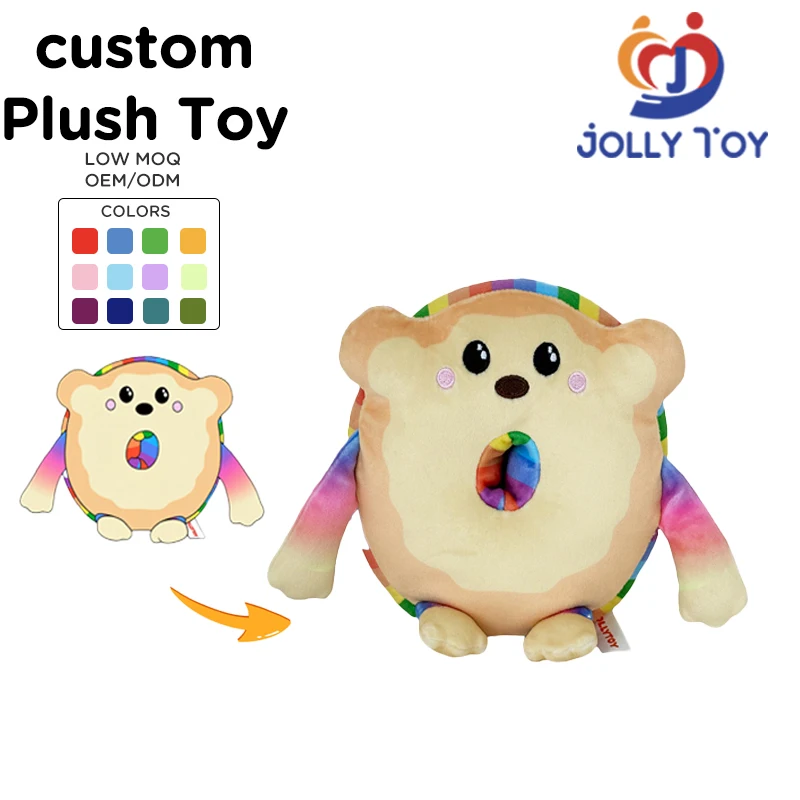
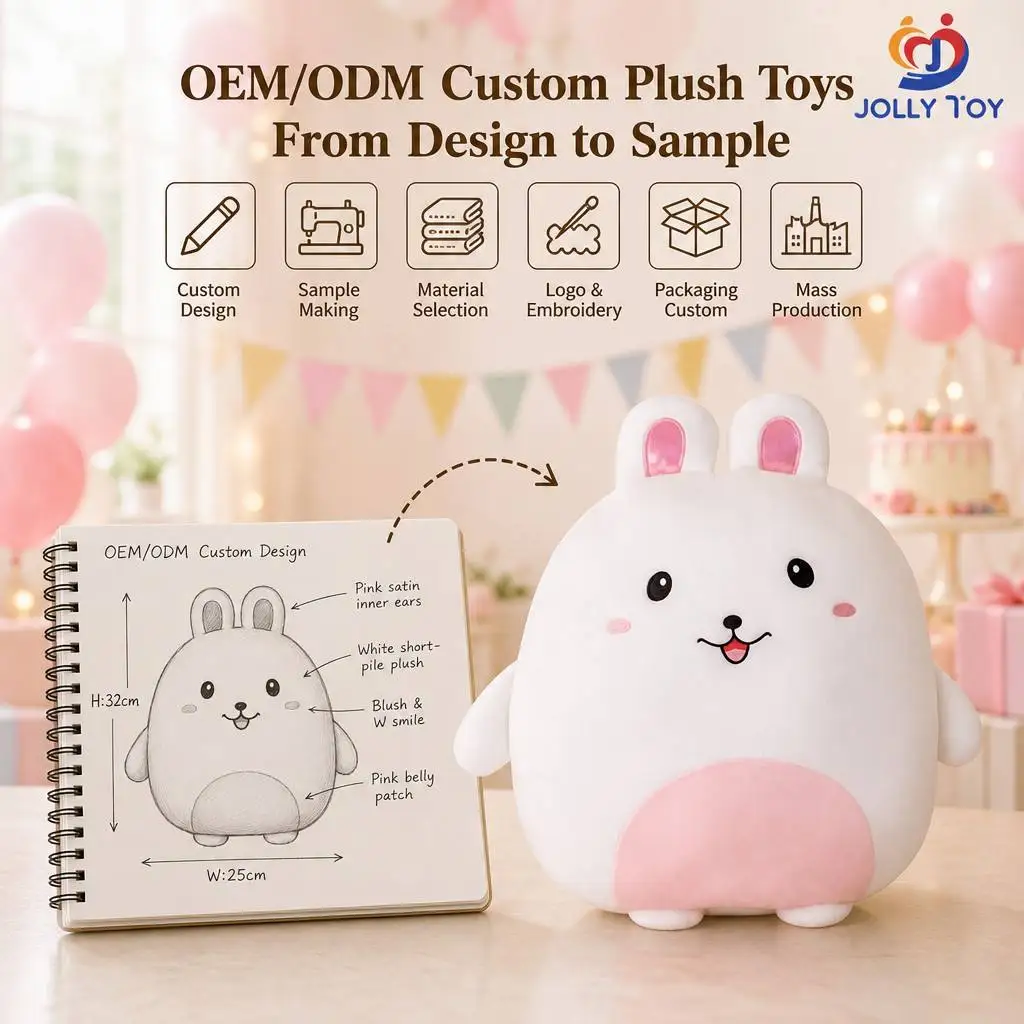
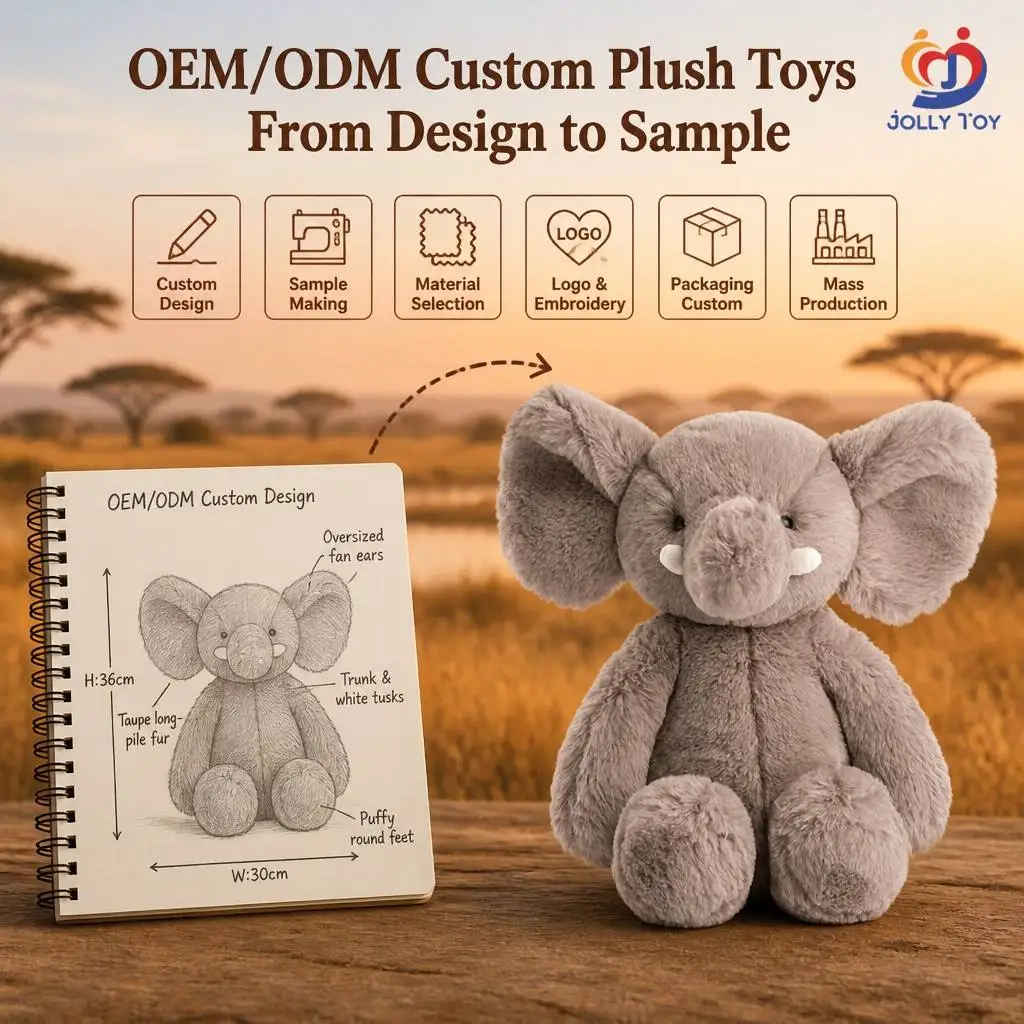
Customization Requirements: If customization is desired, buyers should provide detailed specifications, including design files and material preferences. Clear communication can prevent misunderstandings and ensure the final product meets expectations.
Sample Approval Process: Before mass production, buyers should request a sample that reflects the final product. Evaluating the sample allows for adjustments before committing to a larger order, reducing the risk of costly mistakes.
By focusing on these critical aspects, buyers can streamline their procurement process and achieve better outcomes when sourcing big stuffed toys.

 EN
EN
 AR
AR
 CS
CS
 DA
DA
 NL
NL
 FI
FI
 FR
FR
 DE
DE
 EL
EL
 IT
IT
 JA
JA
 KO
KO
 NO
NO
 PL
PL
 PT
PT
 RU
RU
 ES
ES
 SV
SV
 IW
IW
 UK
UK
 TR
TR
 AF
AF
 GA
GA
 IS
IS
 LA
LA