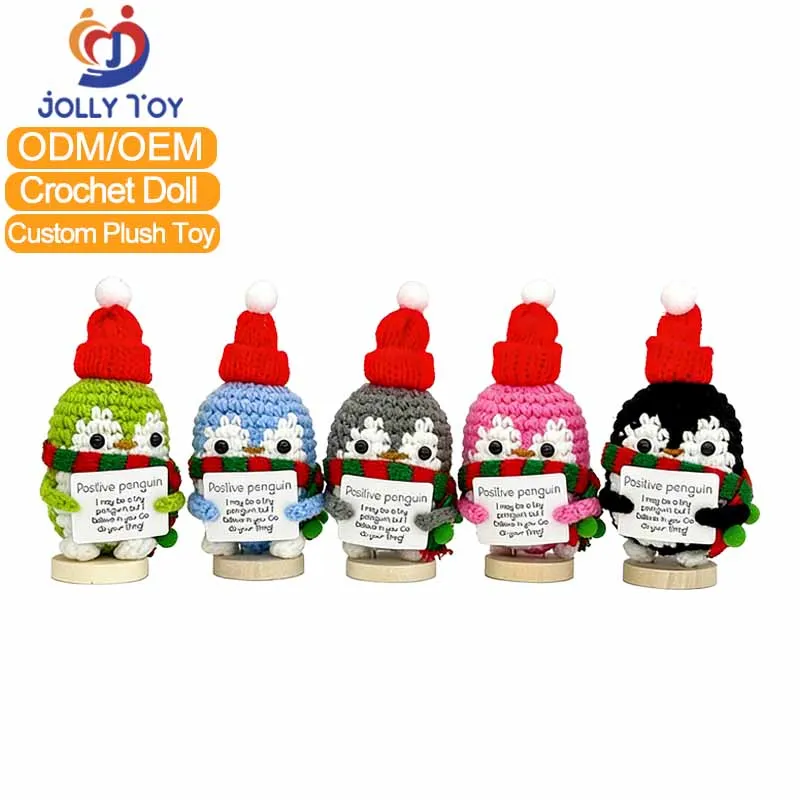
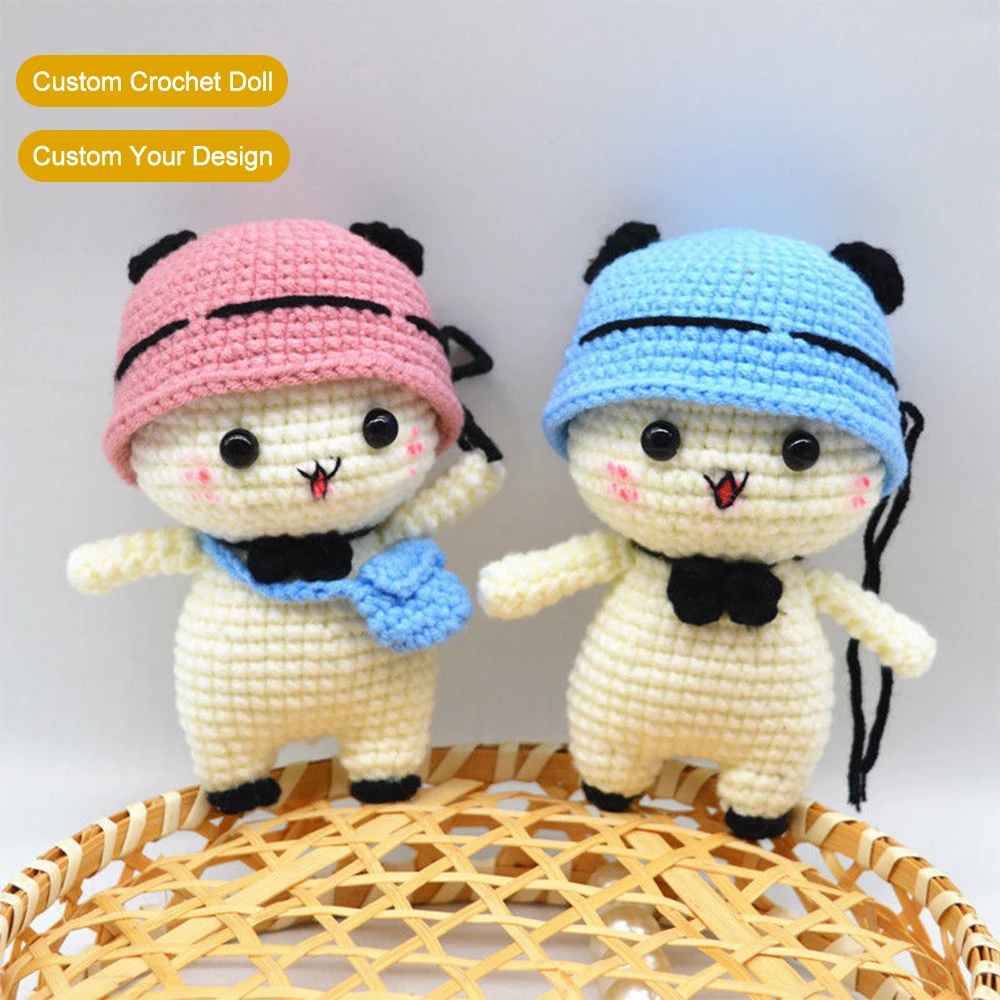
Crochet fidget toys are tactile, engaging products that provide sensory stimulation and can serve as a calming tool for various age groups, particularly children and individuals with sensory processing issues. For B2B buyers, understanding the specifications, materials, and applications of these toys is crucial for making informed purchasing decisions. This article will guide you through the essential aspects of a cute crochet doll, focusing on key specifications, supplier comparisons, material selection, cost factors, and their applications in educational environments.
When evaluating crochet fidget toys, certain specifications are critical to ensure product quality and effectiveness. Key specifications to consider include:
Size and Dimensions: The size of the toy should be appropriate for the target age group. Smaller toys might pose a choking hazard for younger children, while larger custom crochet plush designs may be less portable
Weight: The weight of the toy affects user experience. Heavier toys can provide a sense of grounding, while lighter options may be easier to handle for younger users
Stitch Quality: A tight stitch pattern ensures durability and prevents fraying, which is essential for toys that will undergo regular use
Safety Compliance: Ensure that the toys meet safety standards such as ASTM or EN71 for toys. Certifications like ICTI and BSCI, which our factory holds, further assure compliance with global safety and quality standards
Colorfastness: The yarn used should be Colorfast to prevent dye transfer, which is particularly important for toys that may be chewed on or used frequently
Buyers should verify these specifications through samples before committing to a bulk order, ensuring that the products align with their quality expectations.
Choosing the right supplier for crochet fidget toys involves several considerations. Here are some practical steps to ensure you select a reliable manufacturer:
Assess Manufacturing Capabilities: Evaluate the supplier's production capacity and technical expertise. A manufacturer with over 10 years of experience, like ours, can offer insights into design adaptations and production efficiencies
Request Samples: Always ask for samples to assess quality firsthand. This allows buyers to inspect the stitch quality, material feel, and overall finish before placing a larger order
Check Certifications: Confirm that the supplier holds relevant certifications for safety and quality. This not only ensures compliance with regulations but also indicates a commitment to ethical manufacturing practices
Evaluate Communication: Effective communication is vital. A responsive supplier who understands your needs and provides clear information will facilitate a smoother purchasing process
Review Customer Feedback: Look for reviews or case studies from other businesses. Feedback from previous clients can provide insights into the supplier's reliability and product performance
By following these steps, buyers can make informed decisions and establish partnerships with trustworthy suppliers.
The choice of materials for crochet fidget toys significantly impacts their sensory properties and durability. Here are some common materials used and their advantages:
Acrylic Yarn: This is a popular choice due to its vibrant colors and durability. Acrylic yarn is easy to clean and maintain, making it suitable for children’s toys
Cotton Yarn: Known for its softness and Breathability, cotton is hypoallergenic and a good option for those with sensitive skin. It can also be washed easily, ensuring hygiene
Blended Yarns: Some manufacturers use blends of acrylic and cotton to combine the strengths of both materials, providing durability while remaining soft to the touch
When selecting materials, consider the intended use of the toys. For example, if the craft dolls for crochet is meant for children who may chew on them, opt for non-toxic, washable materials that are also durable.
Understanding the cost structure for bulk orders of crochet fidget toys is crucial for budget planning. Key factors include:
Material Costs: The choice of yarn directly influences the cost. Higher-quality, organic, or specialty yarns will raise the price per unit
Labor and Production Time: Labor costs vary based on complexity and production methods. Handcrafted toys may cost more due to the time invested in their creation
Volume Discounts: Many suppliers offer discounts for larger orders. Buyers should inquire about pricing tiers based on quantity to maximize cost savings
Shipping and Handling: Consider the logistics of shipping, especially if importing from overseas. Shipping costs can vary significantly based on distance and order size
Customization Requirements: Custom designs or colors may incur additional fees. Buyers should clearly communicate their needs to understand any potential cost implications
By considering these factors, buyers can better forecast their budgets and negotiate effectively with suppliers.
Crochet fidget toys have valuable applications in educational settings, providing benefits for both teachers and students:
Sensory Regulation: These toys can help students self-regulate, providing a calming effect during stressful moments or transitions. This is particularly beneficial for students with ADHD or autism
Fine Motor Skill Development: Manipulating fidget toys can enhance fine motor skills and hand-eye coordination, which are essential for early childhood development
Engagement Tools: Teachers can use these toys to engage students during lessons, keeping them focused and attentive. Fidget toys can serve as rewards or incentives, enhancing classroom management
Social Interaction: Using fidget toys can promote social skills among peers, encouraging cooperative play and sharing in group settings
By integrating crochet fidget toys into classrooms, educational institutions can create a more inclusive and supportive learning environment, ultimately fostering better educational outcomes
In summary, crochet fidget toys are not just playful items; they are tools with significant potential for enhancing learning and emotional well-being. By understanding key specifications, supplier evaluation methods, material choices, cost factors, and applications, B2B buyers can make informed decisions that align with their organizational needs and values.

 EN
EN
 AR
AR
 CS
CS
 DA
DA
 NL
NL
 FI
FI
 FR
FR
 DE
DE
 EL
EL
 IT
IT
 JA
JA
 KO
KO
 NO
NO
 PL
PL
 PT
PT
 RU
RU
 ES
ES
 SV
SV
 IW
IW
 UK
UK
 TR
TR
 AF
AF
 GA
GA
 IS
IS
 LA
LA