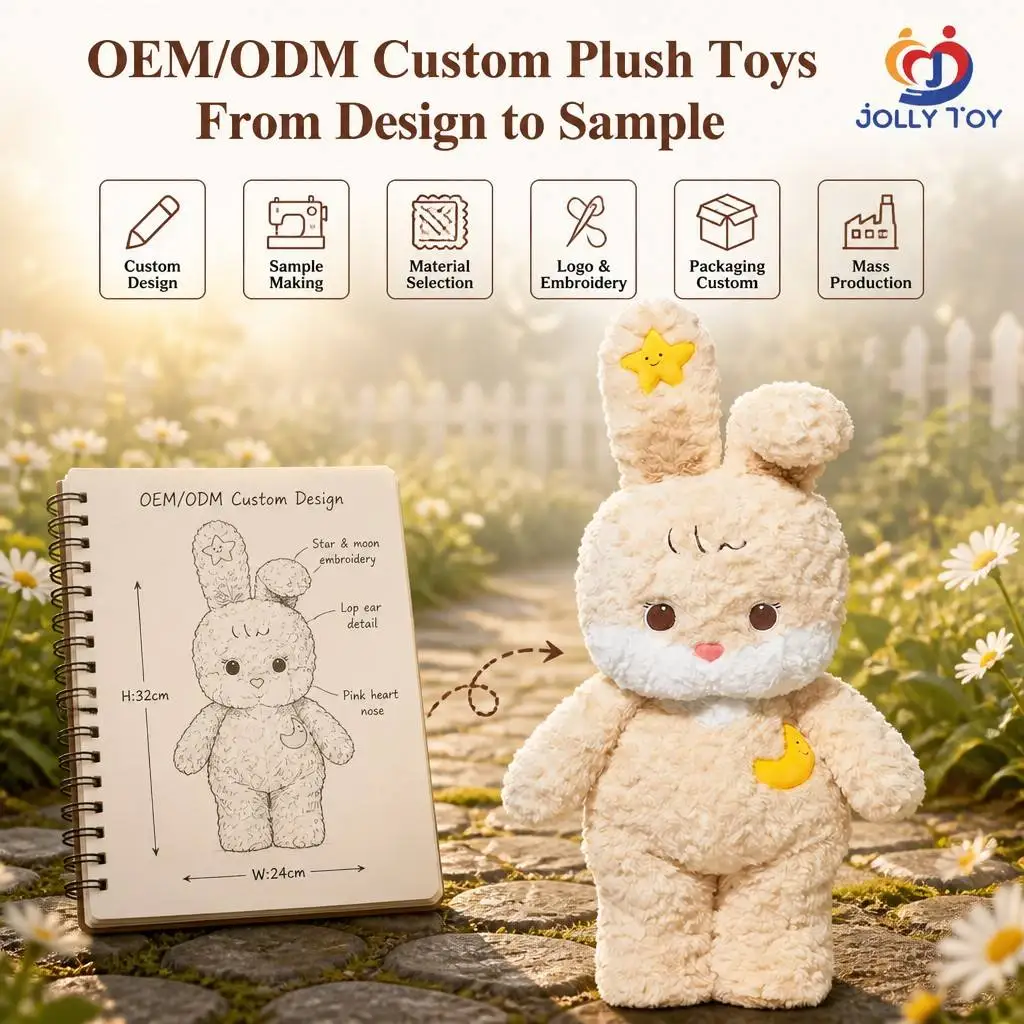
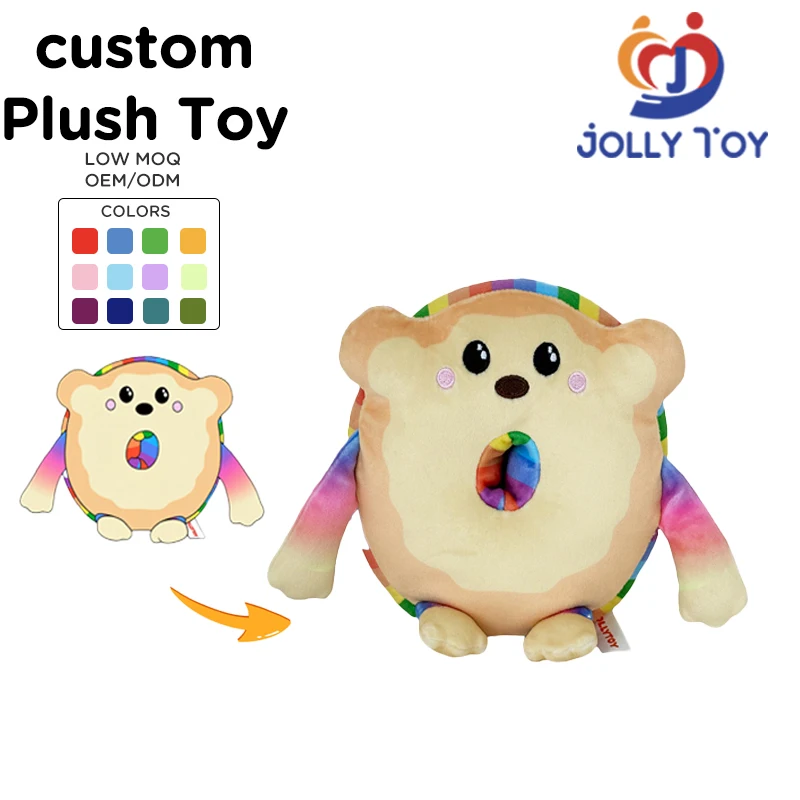
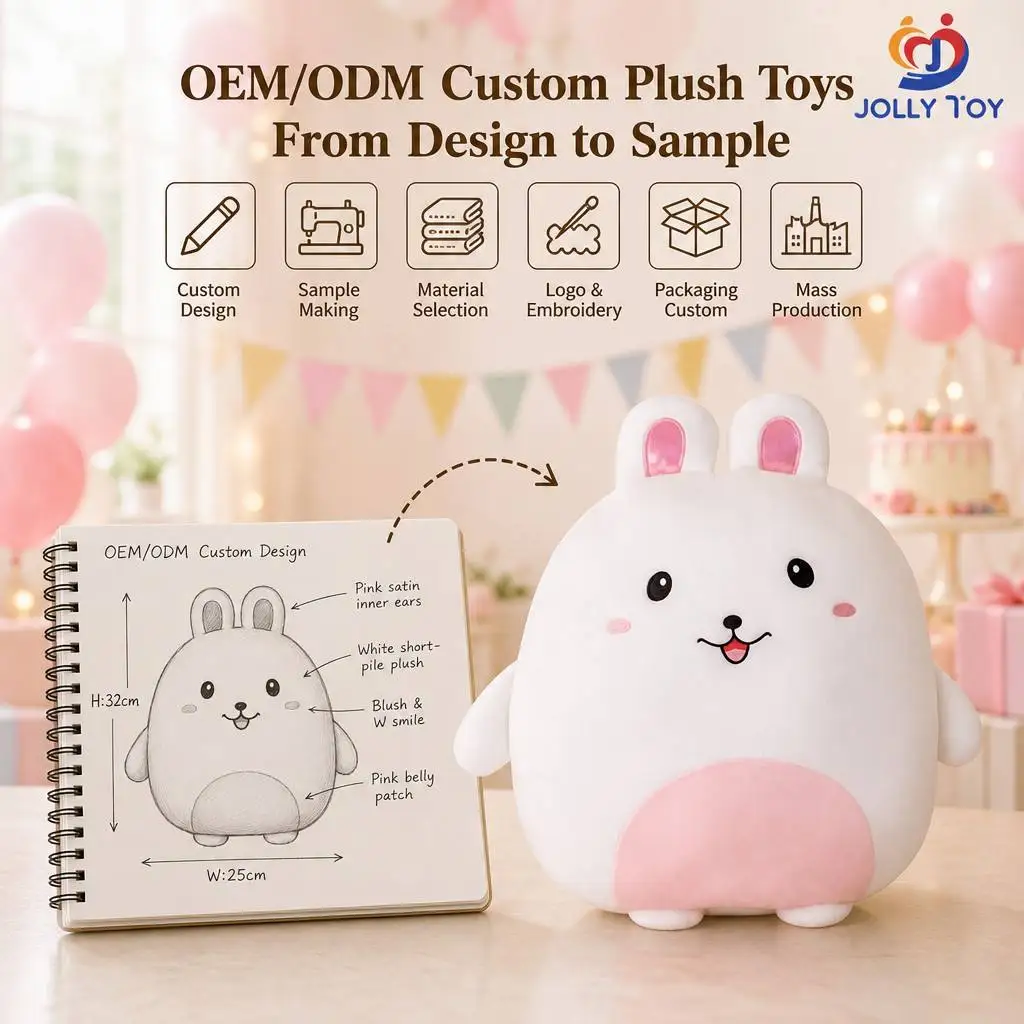
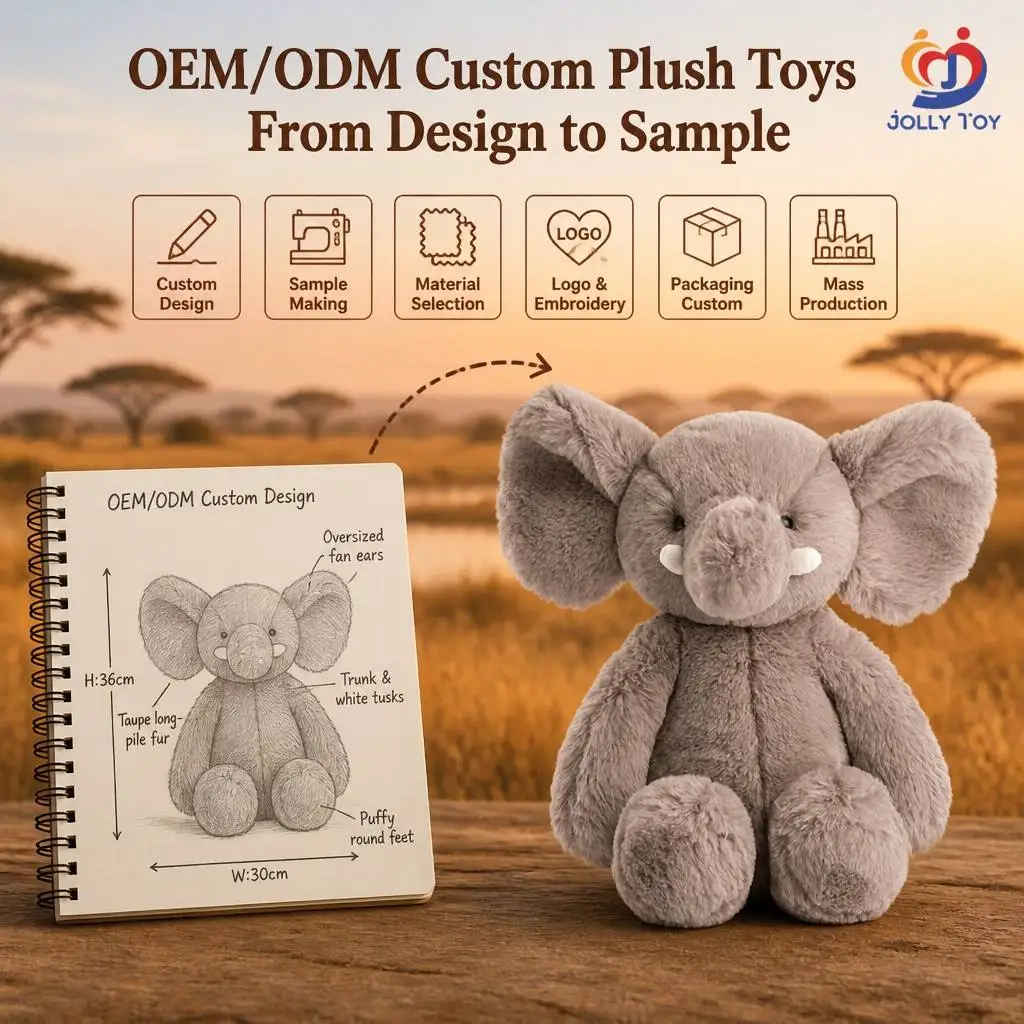
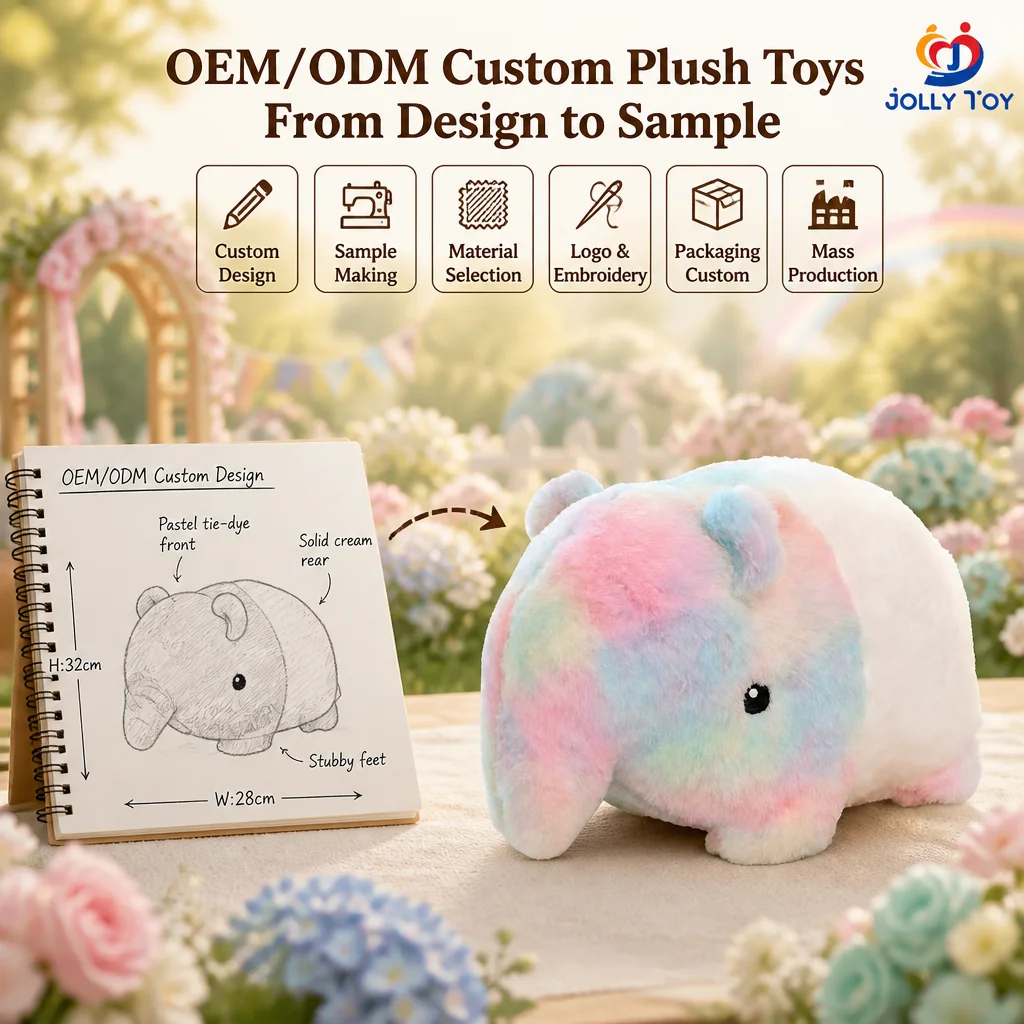
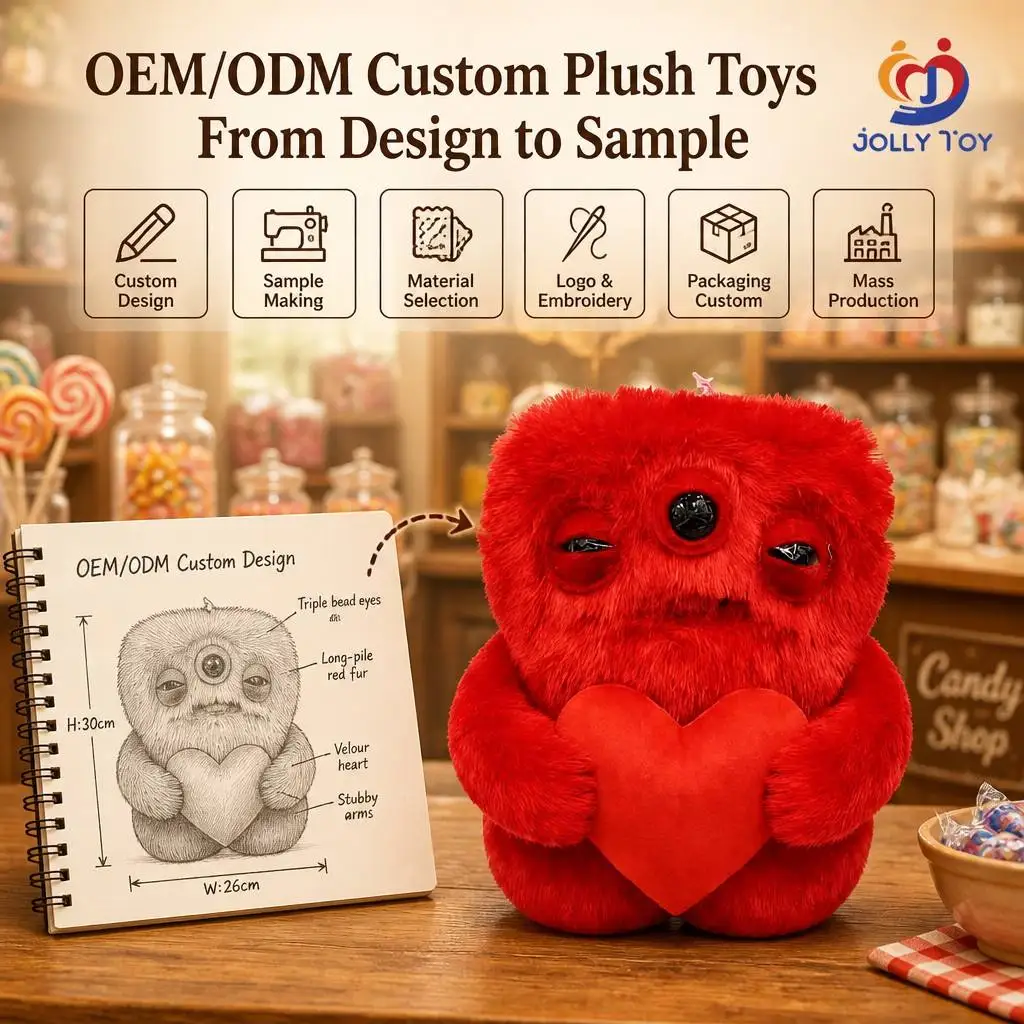
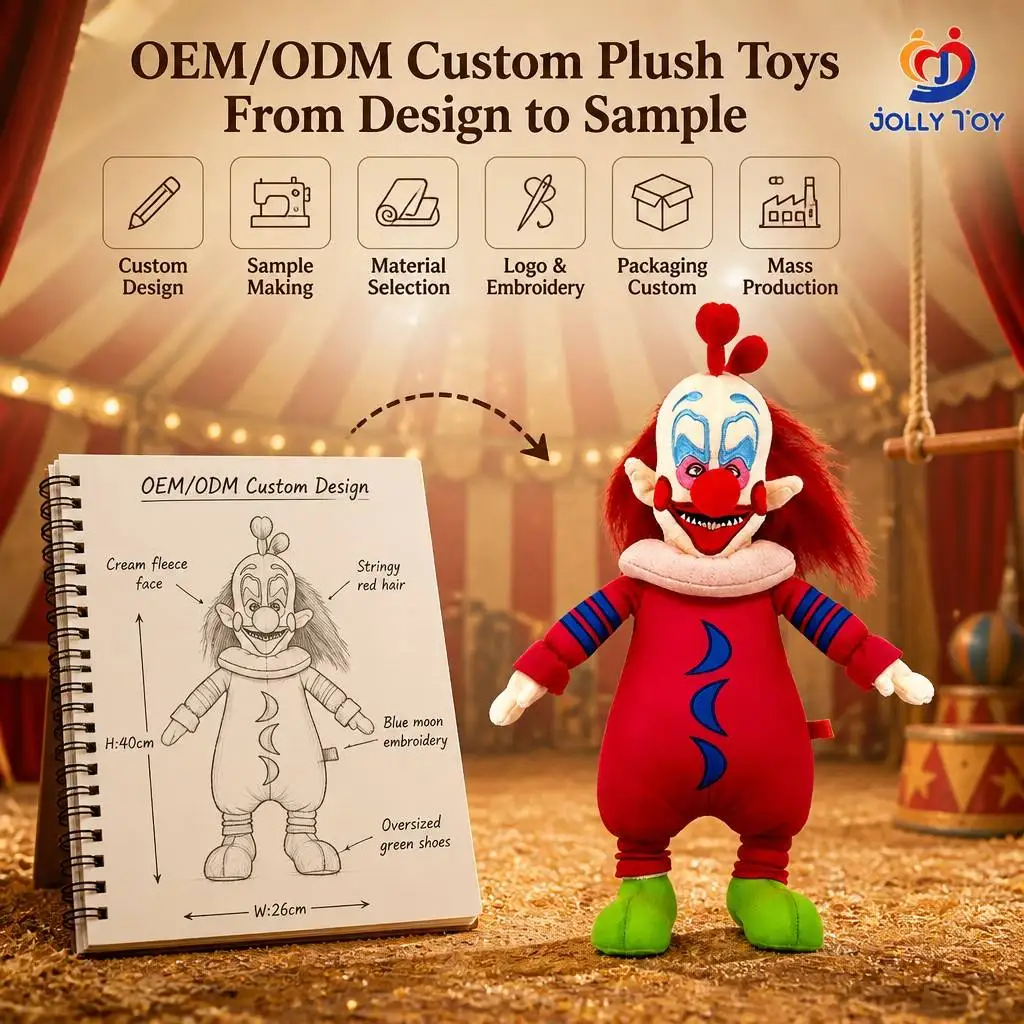
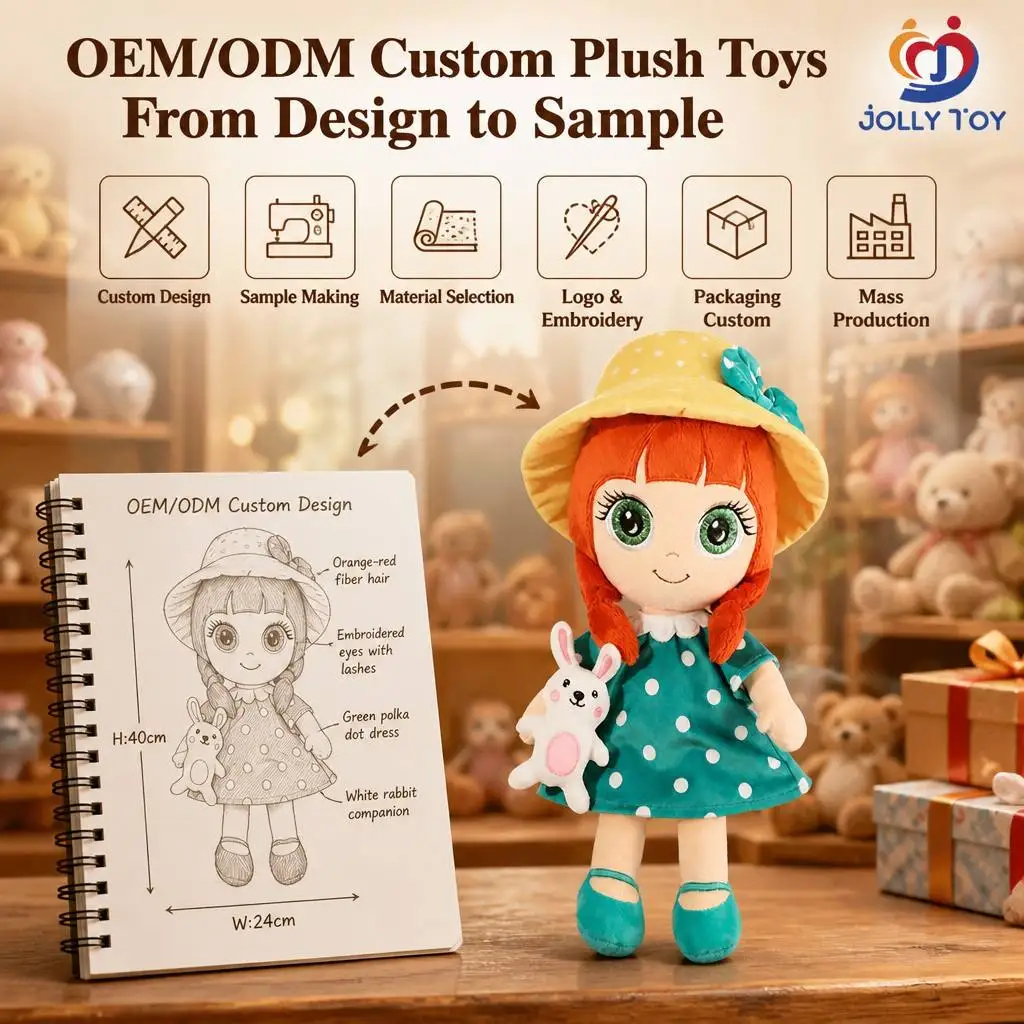
Craft dolls for crochet are versatile and engaging products that cater to the creative needs of hobbyists and professionals alike. As a B2B buyer, understanding the nuances of selecting quality craft dolls is critical to ensuring successful project outcomes. This article will address key considerations for purchasing craft dolls, from specifications and cost factors to installation guidance and the benefits for distributors.
When selecting Jolly Toy craft dolls for crochet projects, a few essential factors must be considered. First, evaluate the materials used in the dolls. Common materials include high-quality plush fabrics for soft dolls or durable plastic for more rigid designs. The choice of material affects not only the look and feel of the doll but also its durability and suitability for various applications. For instance, plush dolls are ideal for children's toys, while plastic dolls may be better suited for decorative purposes.
Additionally, assess the craftsmanship of the dolls. Look for features such as secure stitching, even seams, and well-defined shapes. These details ensure that the dolls can withstand the rigors of cute crochet doll projects and maintain their appearance over time. Before making bulk purchases, it's advisable to request samples to inspect the quality firsthand.
When ordering Jolly Toy craft dolls in bulk, several specifications should be confirmed to prevent issues down the line. Key specifications include:
Dimensions: The size of the dolls can significantly impact the custom crochet plush patterns used. Ensure that the dimensions meet your project requirements.
Material Composition: Understanding the exact materials used can help you assess their suitability for your intended use. Inquire about fabric types, plastic grades, and any safety standards.
Weight: The weight of the dolls can affect shipping costs and handling during production. Lighter dolls may be preferable for certain applications, while heavier variants might be more durable.
Customization Options: If your project requires specific colors, designs, or branding, confirm customization capabilities with the manufacturer.
Providing precise specifications during your order will streamline the production process and help you avoid costly mistakes.
The pricing of craft dolls can vary based on several factors. Key considerations include:
Material Costs: The type of material used directly impacts the final price. High-quality plush materials will generally be more expensive than basic fabrics.
Production Method: Dolls manufactured using advanced techniques, such as injection molding for plastic components, may incur higher production costs compared to simpler methods.
Order Quantity: Bulk orders typically reduce the per-unit cost, but be mindful of minimum order quantities (MOQs) that manufacturers may impose. Knowing these details can help in budgeting and planning.
Shipping Costs: Factor in shipping costs, which can vary based on weight, dimensions, and shipping distance. It’s often more economical to consolidate shipments.
Understanding these cost factors will enable you to make informed purchasing decisions while ensuring that the dolls meet your quality standards.
Integrating Jolly Toy craft dolls into your crochet projects requires careful planning. Here are some practical tips for successful installation:
Pre-Project Sampling: Always test a sample doll with your intended crochet materials to ensure compatibility. This step helps identify any potential issues with size or fitting.
Adhesive Use: If your project requires the dolls to be affixed to surfaces or combined with other materials, choose the right adhesive. Fabric glue works well for plush dolls, while a strong craft adhesive may be better for plastic designs.
Secure Fastening: For projects where the dolls will be moved or played with, ensure they are securely fastened to prevent detachment. Reinforce any joints or connections, especially with plush dolls.
Maintenance: Discuss care instructions with your supplier. Understanding how to clean and maintain the dolls will prolong their life and keep them looking appealing.
By following these guidelines, you can ensure that your craft dolls are effectively integrated into your projects.
For distributors, offering craft dolls for crochet presents several advantages. First, the versatility of these dolls can appeal to a broad customer base, including crafters, educators, and retailers.
Customization Capabilities: As a manufacturer, we can provide various customization options, such as colors, sizes, and designs. This flexibility allows distributors to cater to specific market demands.
Quality Assurance: Our factory maintains strict quality control processes, backed by certifications such as ICTI, Sedex, and BSCI. This commitment to quality not only enhances product reliability but also builds trust with your customers.
Competitive Production Capacity: With an annual production capacity of 800,000 pieces, we can efficiently meet large orders, ensuring timely delivery for distributors.
By leveraging these features, distributors can position themselves as reliable suppliers of high-quality craft dolls, ultimately enhancing their market presence.
Selecting the right plush doll for crochet projects involves careful consideration of materials, specifications, cost factors, and installation guidance. By understanding these elements, B2B buyers can make informed purchasing decisions that lead to successful outcomes in their projects.

 EN
EN
 AR
AR
 CS
CS
 DA
DA
 NL
NL
 FI
FI
 FR
FR
 DE
DE
 EL
EL
 IT
IT
 JA
JA
 KO
KO
 NO
NO
 PL
PL
 PT
PT
 RU
RU
 ES
ES
 SV
SV
 IW
IW
 UK
UK
 TR
TR
 AF
AF
 GA
GA
 IS
IS
 LA
LA