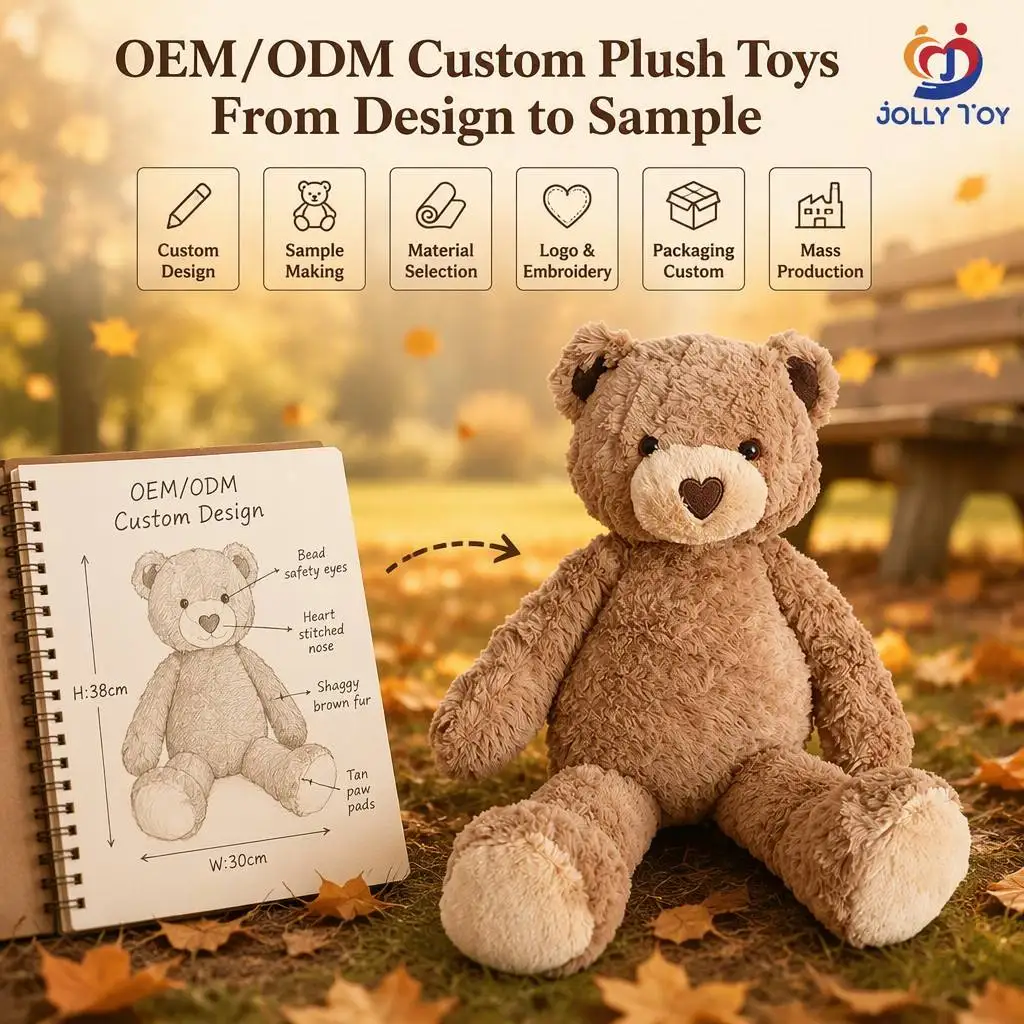
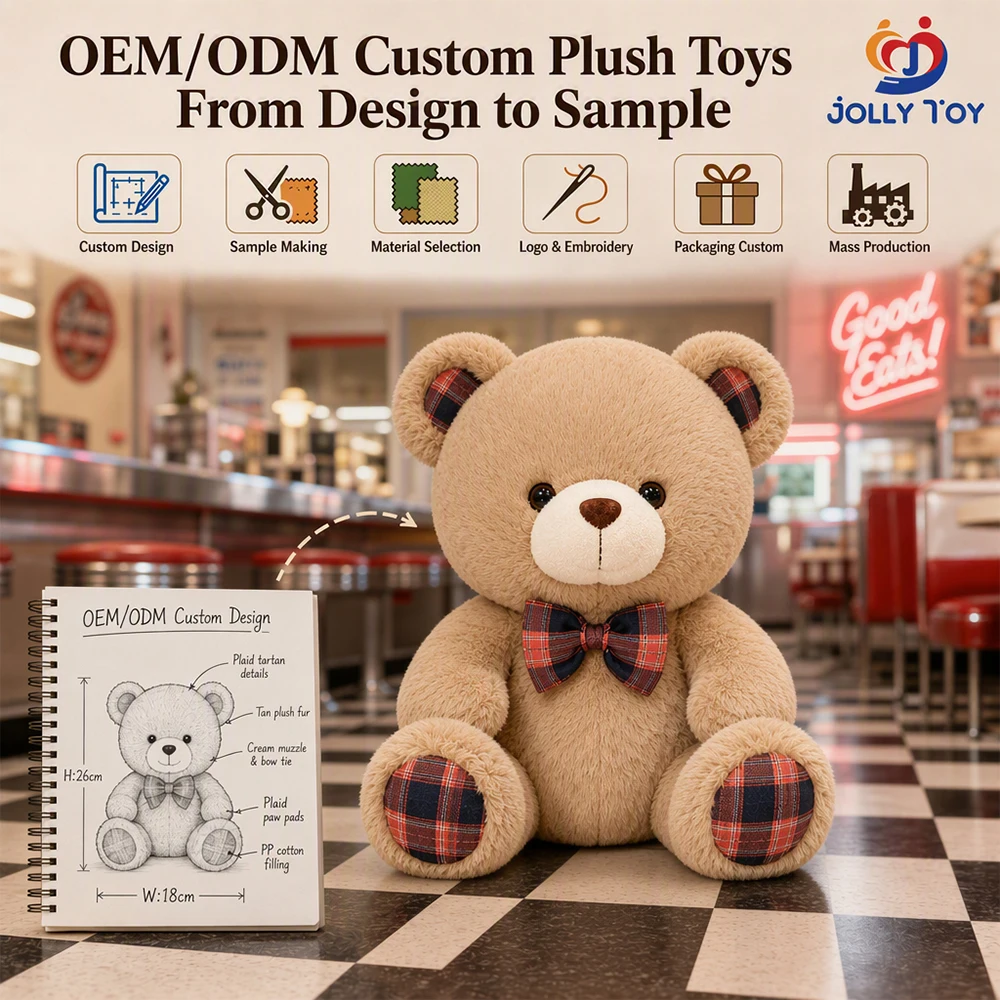
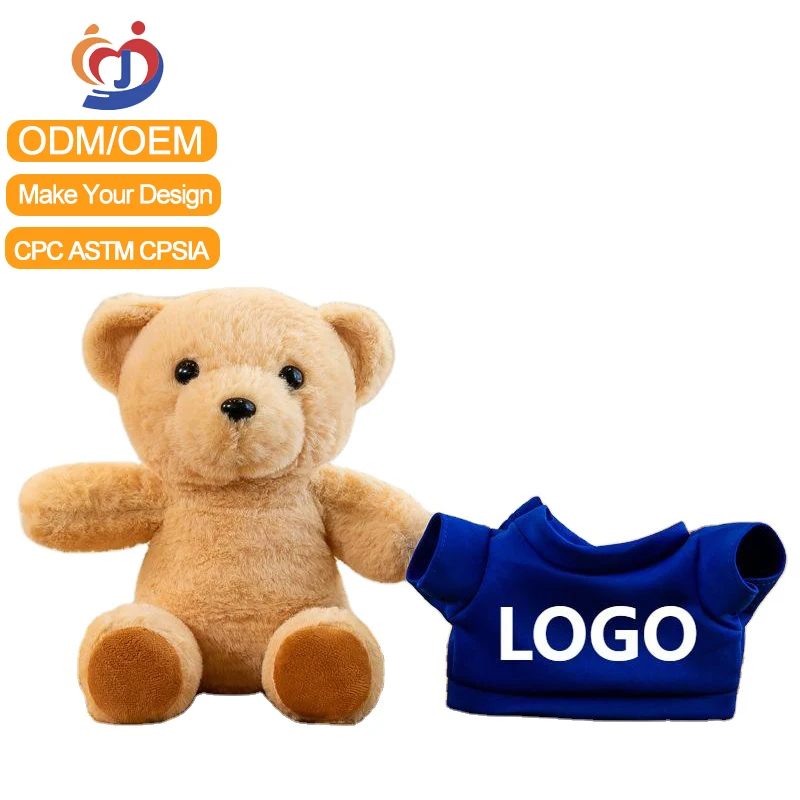
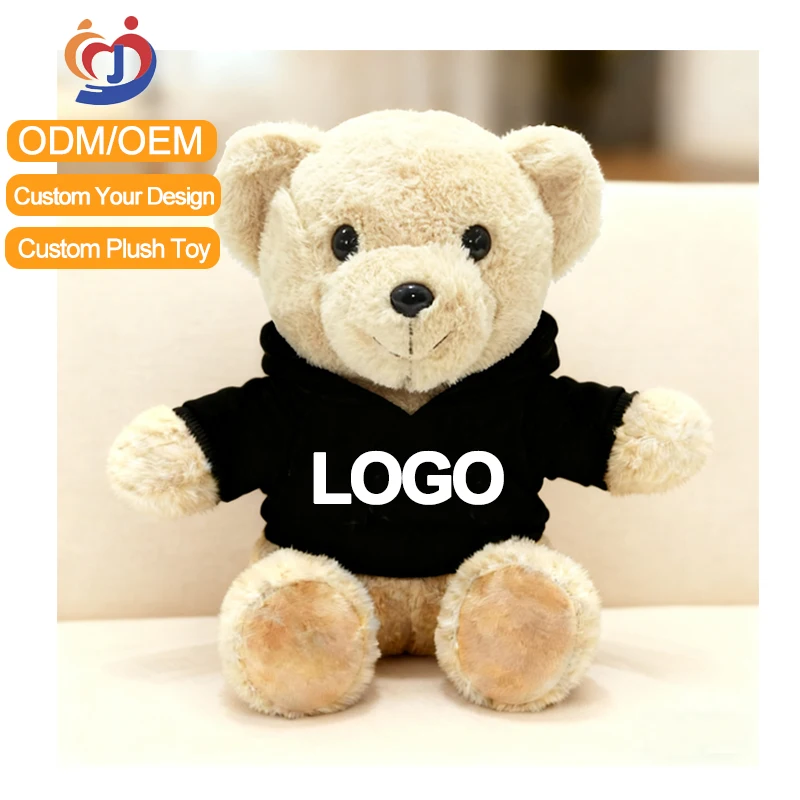
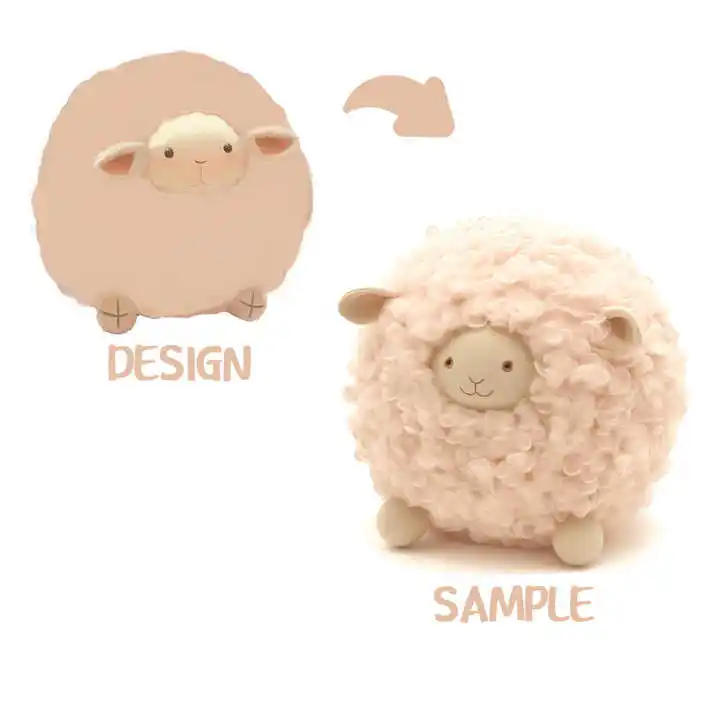
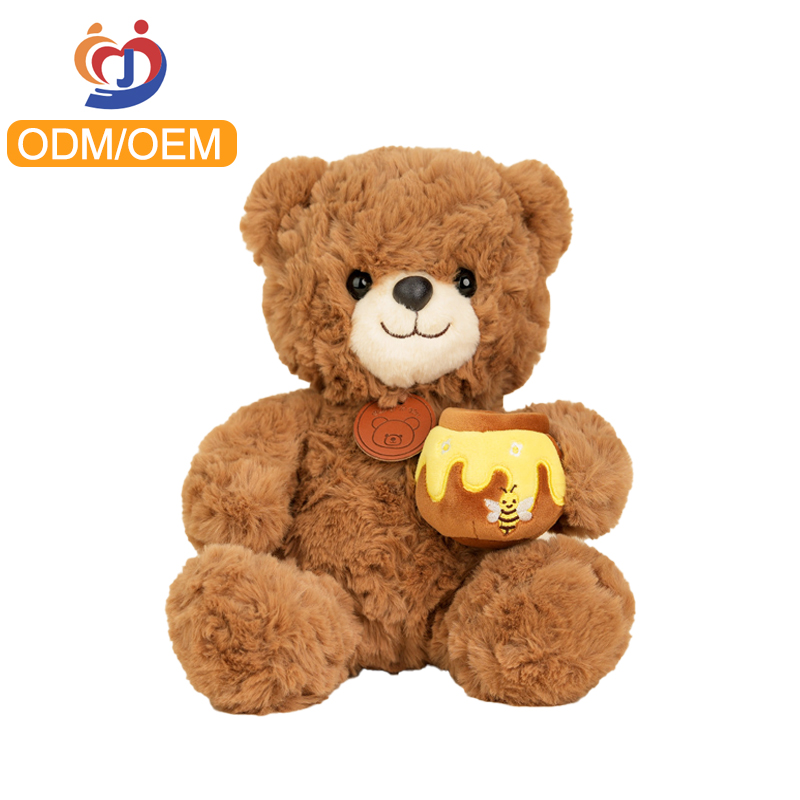
Custom made teddy bears are a popular choice for businesses looking to provide unique, personalized products to their customers. As a B2B buyer, you may have several concerns when considering wholesale orders of these plush toys, including quality, customization options, and the overall manufacturing process. This article will guide you through essential factors to consider when selecting personalized stuffed toy, including specifications, applications, and installation guidance for retail spaces.
When selecting Jolly Toy custom made teddy bears for wholesale, the primary considerations include material quality, design options, and compliance with safety standards. Start by assessing the target market—for instance, if the toys are intended for children, ensure they meet safety regulations such as ASTM F963 or EN71 standards. Evaluate the materials used; plush toys typically utilize soft polyester or cotton blends that are safe and durable.
Customization is another crucial factor. Look for suppliers that offer a variety of design options, including sizes, colors, and additional features such as embroidery or attached accessories. This allows you to create a product that aligns with your brand identity. Additionally, consider the minimum order quantity (MOQ) and production lead times to ensure they fit within your business timeline.
Understanding key specifications is vital for making informed purchasing decisions. Here are the main specifications to consider:
Material: The choice of fabric significantly impacts the teddy bear's feel and durability. Common materials include:
Plush: Soft and cuddly, suitable for all ages.
Cotton: Breathable and hypoallergenic, ideal for sensitive skin.
Size: Determine the size of the Jolly Toy personalized plush animals that would appeal most to your customers. Options may vary from small (10 inches) to large (36 inches).
Stuffing: The type of stuffing used influences the bear's weight and huggability. Polyester fiberfill is commonly used for its softness and resilience.
Safety Compliance: Ensure the supplier can provide certifications (e. g., ICTI, Sedex, BSCI) that demonstrate adherence to safety and ethical manufacturing standards.
Customization Options: Inquire about the range of customization options, including colors, logos, and design features, to ensure alignment with your branding.
When preparing to purchase Jolly Toy custom made teddy bears, consider the following steps:
Define Your Requirements: Clearly outline your specifications, including desired sizes, materials, and design features.
Request Samples: Before committing to a large order, request samples to evaluate the quality and craftsmanship. Pay attention to stitching, material softness, and overall appearance.
Seek Quotes: Contact multiple suppliers to obtain quotes. Be sure to provide detailed information about your requirements to receive accurate pricing.
Evaluate Suppliers: Assess potential suppliers based on their production capabilities, lead times, and compliance certifications. A supplier with over ten years of experience, like ours, may have better quality control processes and reliability.
Finalize Order: Once you’ve chosen a supplier, confirm the details of your order, including pricing, delivery schedules, and payment terms.
Custom made teddy bears serve diverse purposes across several industries:
Retail: Many retailers use custom teddy bears as promotional items. They can be personalized with logos or branding to enhance customer loyalty and engagement.
Corporate Gifts: Companies often use branded teddy bears as gifts for employees and clients, especially during holidays or corporate events. They can evoke a sense of warmth and appreciation.
Healthcare: Hospitals and clinics may employ cute stuffed animals as comfort items for children, helping to ease anxiety during medical procedures.
Educational Institutions: Schools and educational programs may use teddy bears in fundraising efforts, providing custom options that resonate with their community.
Understanding these applications can help you tailor your approach when purchasing custom made teddy bears, ensuring they meet the specific needs of your target market.
Proper installation and display of custom made teddy bears in retail spaces can significantly impact sales. Here are some practical tips for effective display:
Location: Position teddy bears at eye level to attract attention. High-traffic areas near the entrance or checkout counters can boost visibility.
Thematic Displays: Create thematic displays that resonate with seasonal events or promotions. For instance, during holidays, consider a festive arrangement with other related products.
Signage: Use clear signage that communicates the unique selling points of your custom teddy bears. Highlight features such as personalization options or safety compliance.
Interactive Elements: Incorporate interactive displays that allow customers to engage with the product, such as allowing them to choose accessories or colors for personalization.
Packaging: Ensure packaging is appealing and informative. High-quality packaging not only protects the product but also enhances its perceived value.
By following these guidelines, you can effectively showcase custom made teddy bears in your retail space, making them more appealing to potential buyers.
By understanding the intricacies of custom made teddy bears—from selection criteria to applications and retail strategies—you can make informed purchasing decisions that align with your business goals and customer needs.

 EN
EN
 AR
AR
 CS
CS
 DA
DA
 NL
NL
 FI
FI
 FR
FR
 DE
DE
 EL
EL
 IT
IT
 JA
JA
 KO
KO
 NO
NO
 PL
PL
 PT
PT
 RU
RU
 ES
ES
 SV
SV
 IW
IW
 UK
UK
 TR
TR
 AF
AF
 GA
GA
 IS
IS
 LA
LA