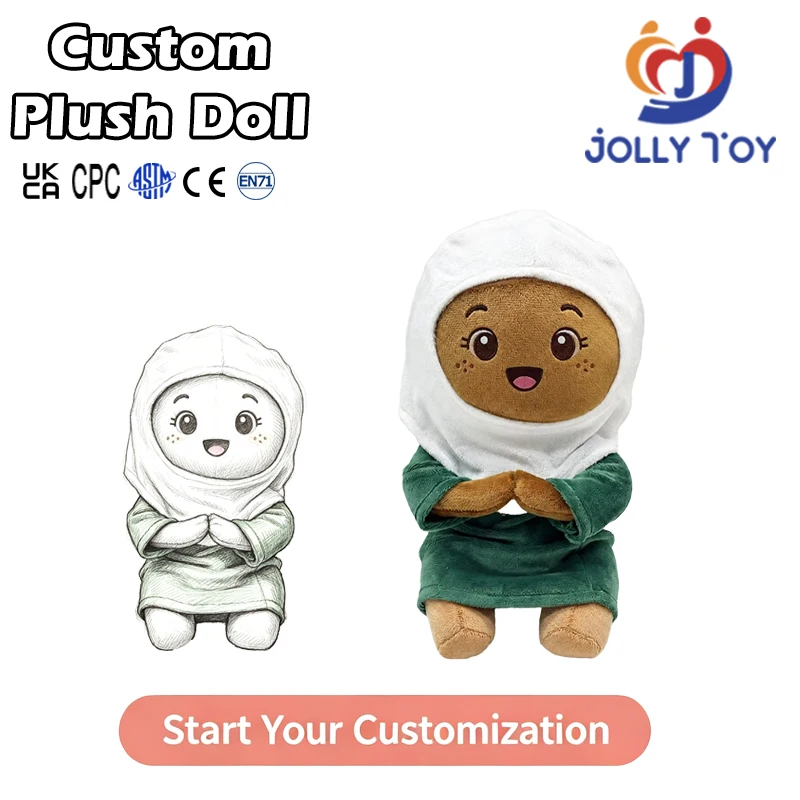
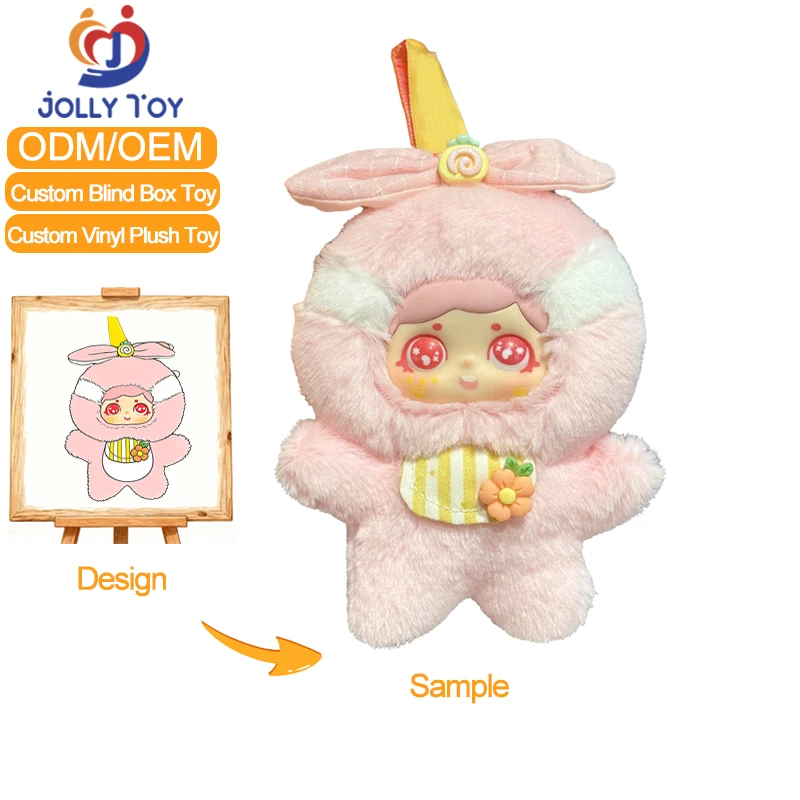
Customized action figures are increasingly popular in various sectors, including retail, promotional events, and educational tools. For B2B buyers, the process of sourcing these custom figures can be intricate, involving considerations of customization options, materials, and production capabilities. This article aims to clarify key aspects of purchasing customized action figures, helping buyers navigate their options while ensuring they meet their specific needs.
When looking to purchase customized action figures wholesale, buyers have several options. Manufacturers typically offer varying degrees of customization, from simple design alterations to fully bespoke creations. It's crucial to engage with suppliers who can accommodate specific requirements, including design, dimensions, and packaging preferences. Buyers should also consider minimum order quantities (MOQs), as these can differ significantly between suppliers. Understanding the supplier's capacity is essential, especially when looking to scale up production. For instance, our facility has an annual production capacity of 800,000 pieces, enabling us to handle large orders efficiently without compromising quality. Additionally, it's beneficial to request samples before committing to larger orders. This allows buyers to evaluate the quality and design of the action figures, ensuring they align with expectations.
When sourcing customized action figures, several key factors should be considered. First, the level of customization available is critical. Can the supplier accommodate various design elements such as size, color, and branding? Understanding the extent of customization offered can help buyers align their product vision with supplier capabilities. Next, material selection plays a significant role in the durability and aesthetics of the figures. Options may include plastic, plush, or a combination of both, each offering different tactile qualities and visual appeal. For instance, plush figures may be more suited for younger audiences, while plastic figures can deliver intricate details suitable for collectors. Finally, quality certifications such as ICTI, Sedex, and BSCI are important indicators of the supplier's commitment to social compliance and product safety. Buyers should prioritize manufacturers who hold these certifications, as they reflect adherence to industry standards.
Sourcing customized action figures requires attention to several specifications that impact both functionality and appearance. Key specifications include:
Material Composition: The choice of materials affects not only the figure's appearance but also its durability and safety. Buyers should assess whether the materials used are suitable for their target audience, considering factors like age appropriateness and safety standards
Dimensions and Weight: The size and weight of the figures must align with their intended use. For example, action figures designed for retail display might require different dimensions compared to those intended for children's play
Articulation and Design Features: Depending on the application, buyers may need figures with specific articulation points for Poseability or particular design features that enhance visual appeal. Discussing these requirements with the manufacturer can lead to better product alignment
Packaging Options: Packaging can influence both presentation and shipping costs. Buyers should inquire about packaging designs that can enhance retail appeal while ensuring protection during transport.
The cost of customized action figures can vary based on several factors. Understanding these can help buyers manage their budgets effectively. Key cost considerations include:
Customization Complexity: More intricate designs or additional features typically increase production costs. Buyers should clarify which elements contribute to the overall pricing
Material Choices: Different materials carry varying costs. For example, plush materials may be more expensive than standard plastics, reflecting in the final price. Buyers should weigh the benefits of material choices against their budget constraints
Order Volume: Generally, larger orders benefit from lower per-unit costs. Buyers should confirm MOQs with suppliers to optimize pricing while ensuring they meet demand
Lead Times: The urgency of the order can also affect pricing. Rush orders may incur additional costs, so it's advisable to plan ahead where possible.
Selecting the right materials for customized action figures is crucial for their performance and appeal. Each material offers unique advantages:
Plastic: Durable and versatile, plastic can be molded into intricate designs, making it suitable for detailed figures. It's also easy to clean and maintain, appealing to a broad range of buyers
Plush: Plush action figures provide a soft, tactile experience, making them ideal for younger audiences. They can evoke a sense of comfort and playfulness, enhancing their appeal in educational settings or as promotional giveaways
Hybrid Options: Combining materials can yield figures that leverage the strengths of both. For instance, a plastic figure with plush elements can provide durability while offering a comforting touch
Ultimately, the choice of material should align with the intended use of the figures. Buyers should discuss their specific needs with manufacturers to ensure they select the most appropriate materials for their projects. By understanding these aspects of customized action figures, B2B buyers can make informed purchasing decisions. Engaging with experienced pop vinyl figures manufacturers can facilitate the process, ensuring that the final products meet both quality and design expectations.

 EN
EN
 AR
AR
 CS
CS
 DA
DA
 NL
NL
 FI
FI
 FR
FR
 DE
DE
 EL
EL
 IT
IT
 JA
JA
 KO
KO
 NO
NO
 PL
PL
 PT
PT
 RU
RU
 ES
ES
 SV
SV
 IW
IW
 UK
UK
 TR
TR
 AF
AF
 GA
GA
 IS
IS
 LA
LA