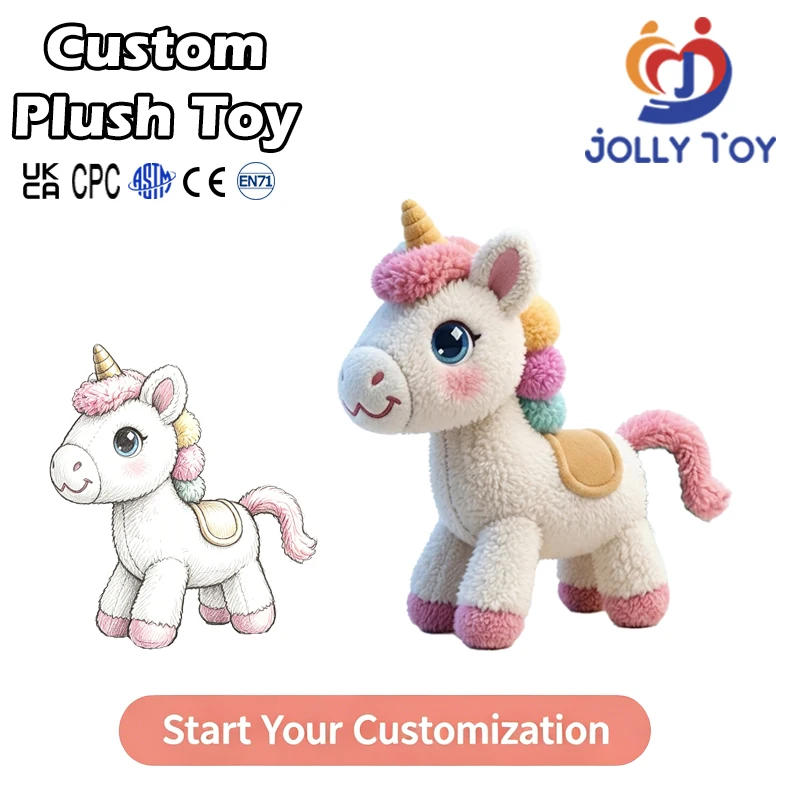
Sourcing stuffed toys requires careful consideration, especially for B2B buyers looking for reliable manufacturers. As a leading stuffed toy manufacturer with over ten years of experience, Jolly Toy stuffed animals understand that purchasing managers and distributors prioritize quality, compliance, and customization. This article will guide you through essential factors to consider when sourcing wholesale stuffed toys, helping you make informed purchasing decisions.
When sourcing wholesale stuffed toys, several key factors should be at the forefront of your decision-making process. First, evaluate the manufacturer’s production capacity and capabilities. Jolly Toy stuffed animal toys ensure that they can meet your order volume—our facility boasts an annual production capacity of 800,000 pieces, which allows us to accommodate large orders without compromising quality.
Next, consider the company's certifications. Look for manufacturers that hold recognized certifications such as ICTI, Sedex, or BSCI, as these indicate adherence to quality and social compliance standards. This Jolly Toy personalized stuffed toy is vital for ensuring that the products are manufactured ethically and safely.
Additionally, assess customization options. Many buyers seek unique designs tailored to their brand. Understanding the manufacturer’s ability to accommodate custom designs, materials, and sizes is crucial. A robust design process can streamline the transition from concept to final product, ensuring that your specific requirements are met.
Lastly, don’t overlook quality control processes. Reliable manufacturers implement stringent quality checks at various production stages to ensure that the final products meet your specifications.
Finding reliable suppliers for plush toy products involves exploring multiple channels. Trade shows and industry exhibitions are excellent venues for meeting manufacturers face-to-face, evaluating their products, and discussing potential partnerships. Events like the Hong Kong Toys & Games Fair or the Nuremberg Toy Fair provide opportunities to connect with various stuffed toy manufacturers.
Online platforms such as Alibaba, ThomasNet, and Global Sources can also be effective for initial searches. These platforms allow you to filter suppliers based on certifications, minimum order quantities (MOQs), and customer reviews. Always verify the legitimacy of suppliers by checking their certifications and requesting references from previous clients.
Networking within industry associations can also yield valuable leads. Associations often provide directories of reputable manufacturers and access to industry insights that can guide your decisions.
Cost is a critical factor when purchasing plush toys wholesale. Several components contribute to the overall pricing, including material costs, labor, production methods, and shipping fees.
Material selection plays a significant role in pricing. Plush toys can be made from various materials, each with different costs and properties. For example, high-quality polyester and cotton are commonly used for their softness and durability but may vary in price based on sourcing.
Labor costs can fluctuate depending on the manufacturing location. Consider the trade-offs between lower labor costs in certain regions and the associated risks, such as potential quality issues or compliance concerns.
Additionally, shipping costs can impact overall expenses. Factor in logistics when evaluating supplier quotes, as some manufacturers may offer competitive prices but may not provide efficient shipping solutions.
Lastly, inquire about bulk discounts. Many manufacturers, including us, offer tiered pricing based on order volumes, which can significantly affect your total costs.
Custom plush toys serve diverse applications across multiple industries. In retail, they are popular as branded merchandise, promotional items, and seasonal gifts. For example, businesses often leverage plush toys to enhance brand loyalty through unique designs that resonate with their target audience.
In the healthcare sector, plush toys are used in pediatric settings to provide comfort to children undergoing medical treatments. They can also serve as therapeutic tools in mental health applications, helping to ease anxiety and promote emotional support.
Moreover, educational institutions utilize plush toys for teaching purposes. Customizable plush characters can be used to convey educational messages, making learning more engaging for children.
Understanding these applications can help B2B buyers tailor their orders to meet specific industry needs, ensuring that the products resonate with their intended audience.
The choice of materials in stuffed toy production directly affects product quality, safety, and performance. Common materials include polyester, cotton, and various blends, each offering distinct advantages.
Polyester is favored for its durability and resistance to wear and tear, making it suitable for toys that endure extensive handling. It also holds colors well, ensuring that vibrant designs remain intact over time. On the downside, polyester may not be as breathable as natural fibers, which can be a consideration for certain applications.
Cotton, on the other hand, is a natural fiber that is soft, breathable, and hypoallergenic, making it an excellent choice for toys intended for infants or children with sensitive skin. However, cotton may require more care in terms of washing and maintenance, as it can shrink or lose shape if not handled properly.
Moreover, consider the safety regulations regarding materials. Ensure that the materials used are compliant with safety standards such as EN71 or ASTM F963, which dictate restrictions on harmful substances. This is particularly important when targeting markets with stringent regulatory requirements.
By understanding the advantages and limitations of various materials, buyers can make better-informed decisions that align with their product goals and market demands.

 EN
EN
 AR
AR
 CS
CS
 DA
DA
 NL
NL
 FI
FI
 FR
FR
 DE
DE
 EL
EL
 IT
IT
 JA
JA
 KO
KO
 NO
NO
 PL
PL
 PT
PT
 RU
RU
 ES
ES
 SV
SV
 IW
IW
 UK
UK
 TR
TR
 AF
AF
 GA
GA
 IS
IS
 LA
LA