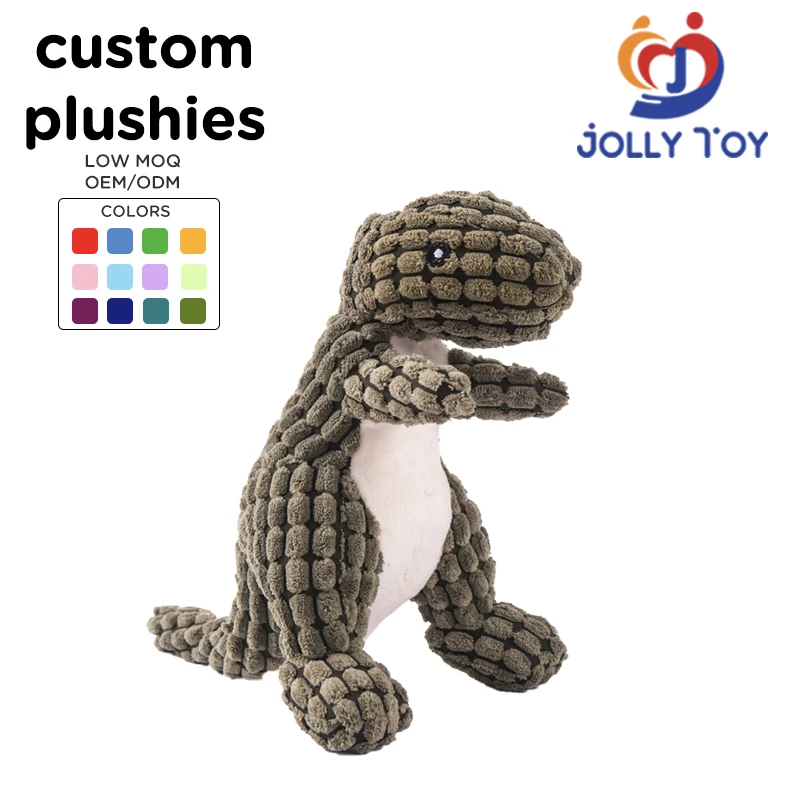
Choosing the right Jolly Toy pet toy for your business is crucial for meeting customer demands and ensuring satisfaction. With a variety of options available, from plush to plastic, understanding the nuances of each type can help you make informed purchasing decisions. This article aims to address key concerns that wholesale buyers might have, such as material selection, sourcing options, common supply chain issues, and the significance of quality assurance in the pet toy industry.
When selecting Jolly Toy pet toys for wholesale purchasing, consider factors such as target market preferences, safety regulations, and material durability. First, identify the types of pets your customers are likely to purchase toys for—dogs and cats have different needs. For instance, soft toys for dogs should be robust and made from durable materials, while cat toys may focus more on engagement and sensory stimulation.
Next, prioritize safety features. Ensure compliance with safety standards relevant to pet products, such as non-toxic materials and absence of small parts that could pose choking hazards. Additionally, explore customization options that cater to your brand identity, such as unique colors or designs.
Lastly, assess the supplier’s quality control processes. A reputable manufacturer will have certifications, such as ICTI, Sedex, and BSCI, which demonstrate a commitment to quality and social compliance. This attribute can significantly enhance your credibility as a wholesaler.
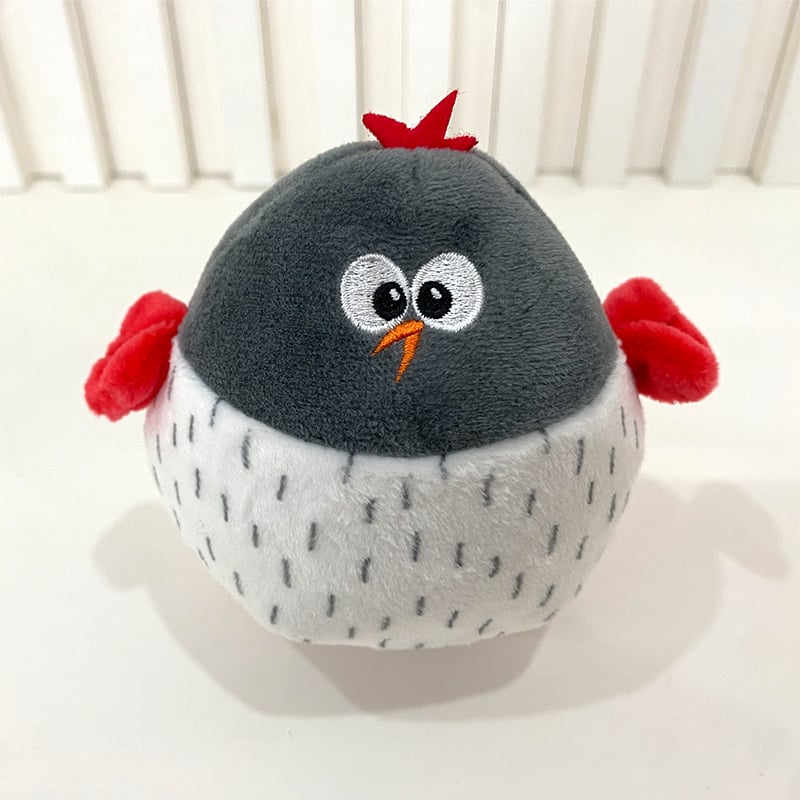
Sourcing quality pet toys requires a strategic approach to ensure you partner with reliable manufacturers. Look for suppliers with a proven track record in the pet toy industry, such as those who can demonstrate a history of successful production runs and customer satisfaction.
Trade shows and industry expos provide excellent opportunities to connect with manufacturers. Such events allow you to evaluate product quality firsthand and discuss customization capabilities directly with suppliers. Online platforms and directories can also be useful, but ensure the supplier has verified credentials and positive reviews.
Additionally, consider visiting manufacturing facilities if possible. This enables you to assess production capabilities and quality control measures, ensuring that the manufacturer meets your specific business requirements. With an annual production capacity of 800,000 pieces, for example, our facility is equipped to handle large orders efficiently while maintaining stringent quality standards.
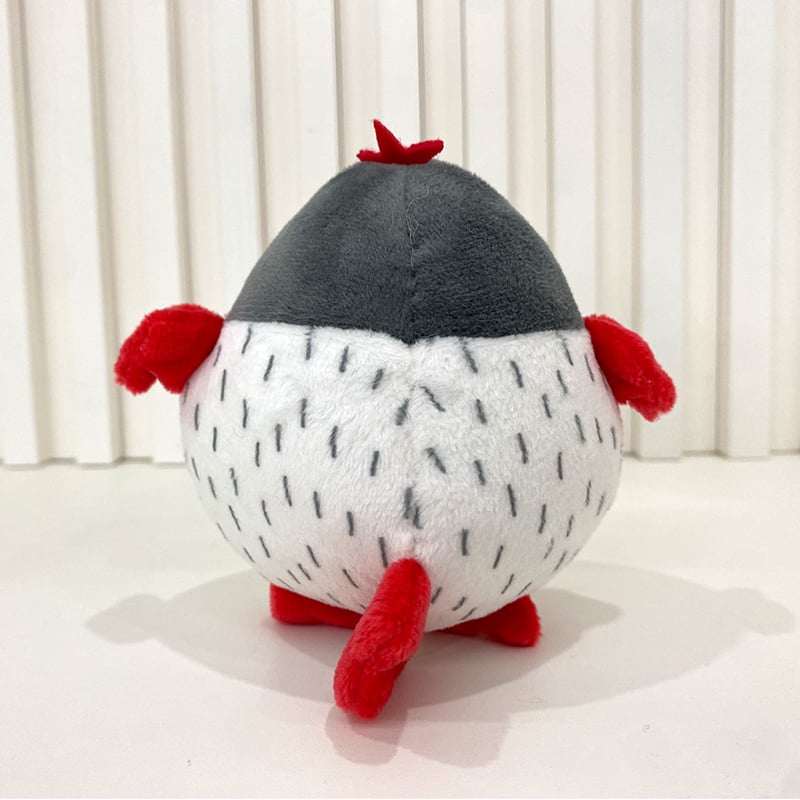
Understanding the material differences between Jolly Toy plush and plastic pet toys is vital for making informed purchasing decisions. Plush toys are typically softer and more comforting, making them ideal for pets that enjoy snuggling or need toys for gentle play. They are often designed with engaging features like squeakers or crinkly materials, which can stimulate a pet's curiosity. However, plush toys may not withstand heavy chewing and could require careful monitoring for wear and tear.
On the other hand, personalized stuffed toy is generally more durable and resistant to damage from chewing. They can be molded into various shapes and sizes, offering a wide range of options for different pet needs. Plastic toys are often easier to clean and can be made to float, making them suitable for water play. However, ensure that the plastic used is of high quality and free from harmful substances, as lower-grade plastic can be a health risk for pets.
Choosing between plush and plastic ultimately depends on the specific needs of your target market. Offering a mix of both types can cater to a broader range of pet preferences.
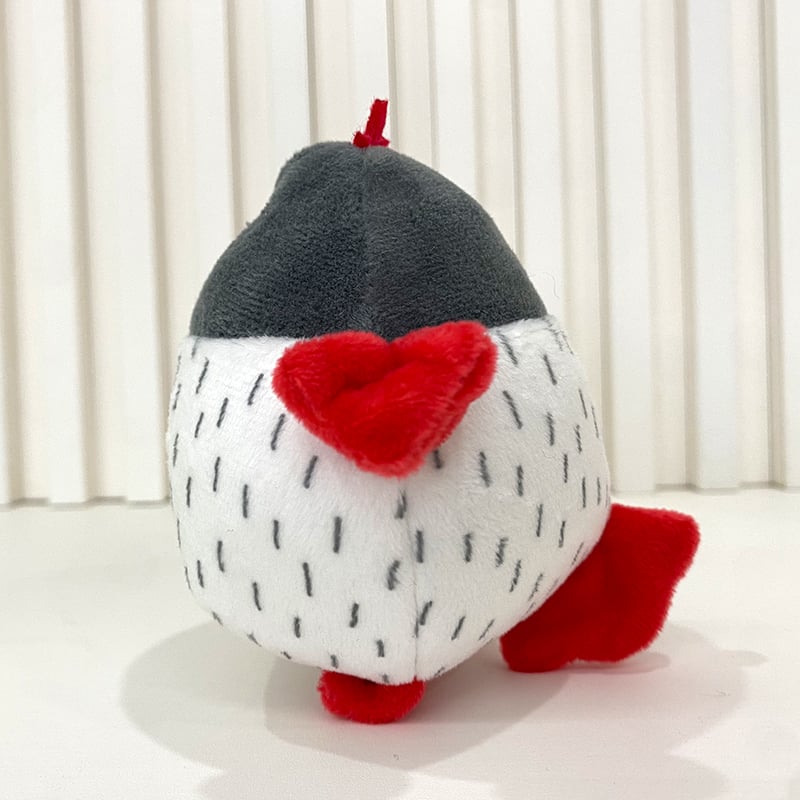
The pet toy supply chain can face several challenges that affect product availability and quality. One common issue is delays in production, which may arise from machinery malfunctions or supply shortages. To mitigate this, maintain open communication with manufacturers and establish clear timelines for production and delivery. Having backup suppliers can also help ensure continuity if unexpected issues occur.
Another challenge is maintaining product quality. Variations in materials or production methods can lead to inconsistencies in finished products. Implementing a robust quality control process, including pre-production samples and regular inspections during manufacturing, can help address these concerns. Buyers should always request samples before committing to large orders, allowing for thorough evaluation of product quality and compliance with safety standards.
Lastly, fluctuating demand can lead to overstock or stockouts. Implementing inventory management systems and forecasting demand based on market trends can help maintain optimal stock levels. This proactive approach allows businesses to adapt quickly to changes in consumer preferences.
Understanding the complexities of the pet toy industry is essential for wholesale buyers. Quality pet toys not only enhance pet enjoyment but also promote pet health and safety. This is particularly important as consumers increasingly seek products that are safe and environmentally friendly.
Moreover, the pet toy market is competitive, with consumers demanding innovative and engaging products. By sourcing high-quality toys that meet safety standards, businesses can build a strong reputation and foster customer loyalty. Additionally, staying informed about industry trends, such as sustainable materials or interactive designs, can provide a competitive edge in the marketplace.
taking a strategic approach to sourcing personalized plush toys can significantly impact your business’s success. By understanding material choices, addressing common supply chain challenges, and emphasizing quality, you can make informed decisions that resonate with your customers and enhance your brand reputation in the pet industry.

 EN
EN
 AR
AR
 CS
CS
 DA
DA
 NL
NL
 FI
FI
 FR
FR
 DE
DE
 EL
EL
 IT
IT
 JA
JA
 KO
KO
 NO
NO
 PL
PL
 PT
PT
 RU
RU
 ES
ES
 SV
SV
 IW
IW
 UK
UK
 TR
TR
 AF
AF
 GA
GA
 IS
IS
 LA
LA