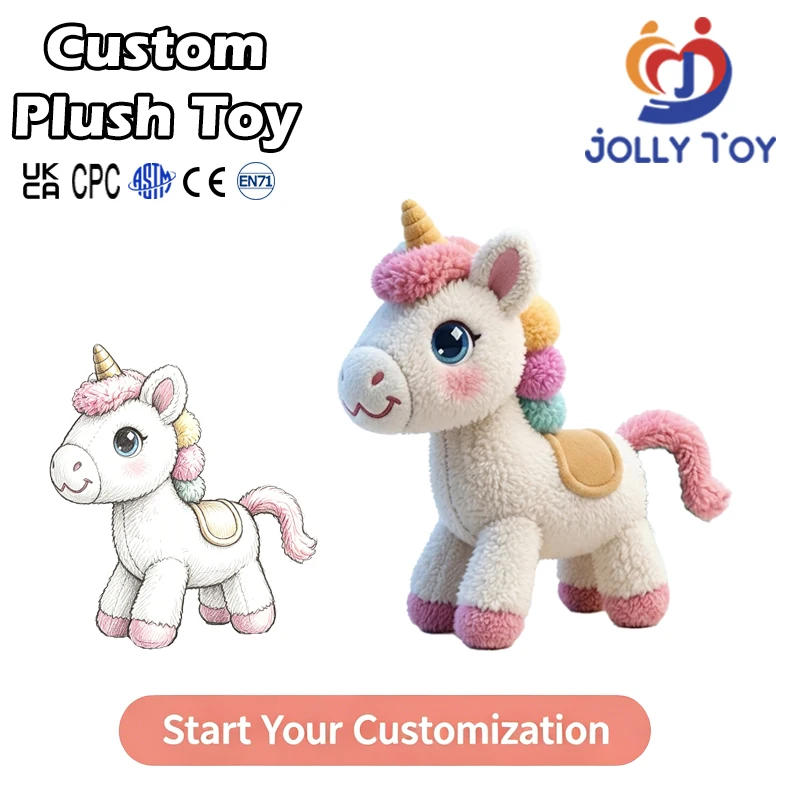
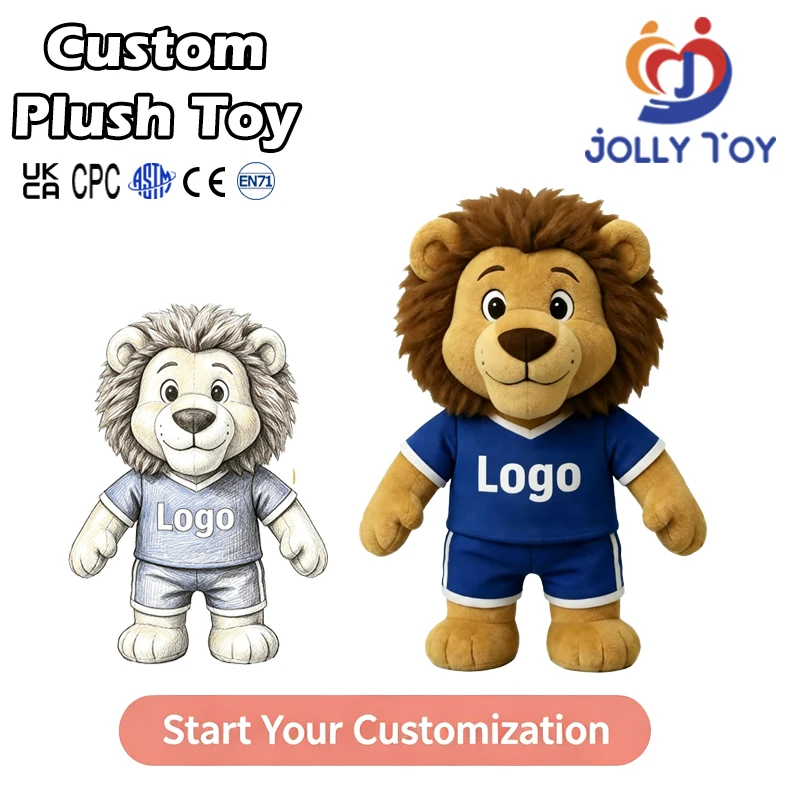
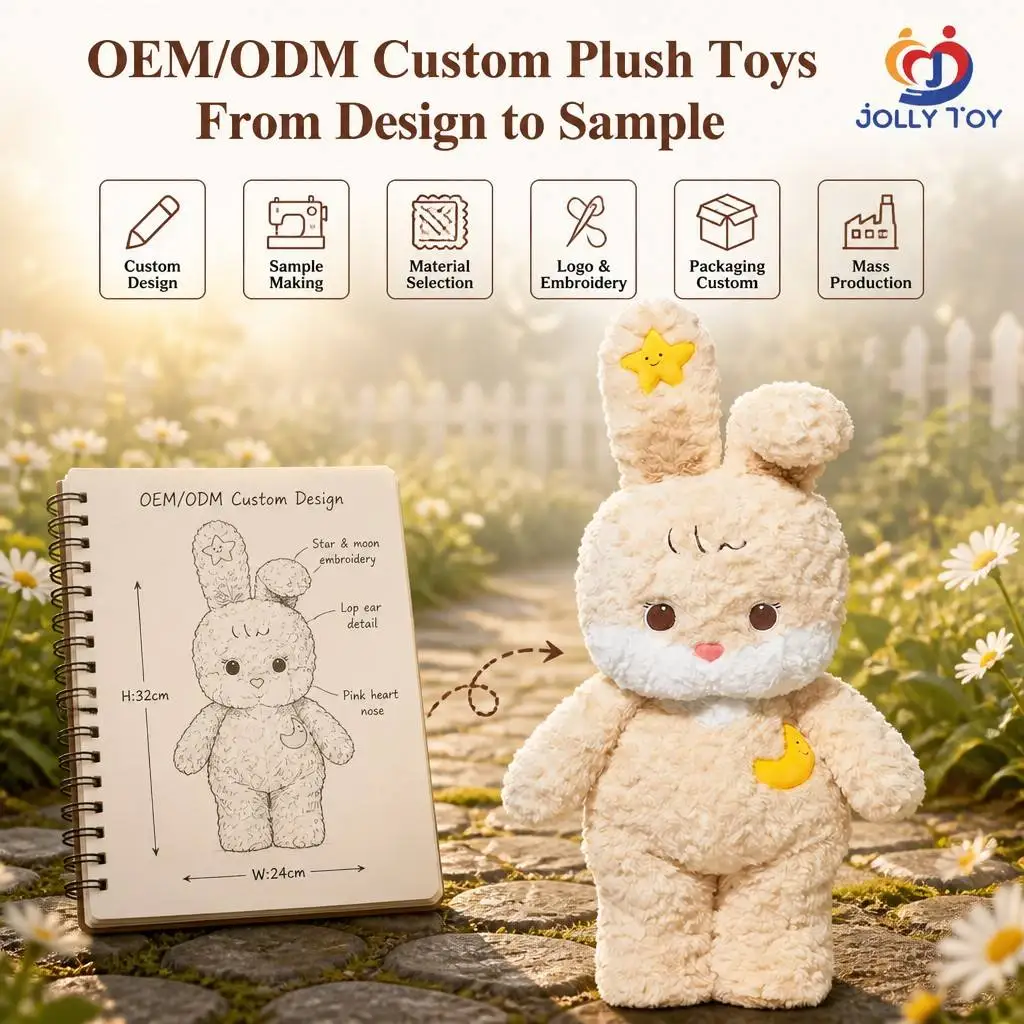
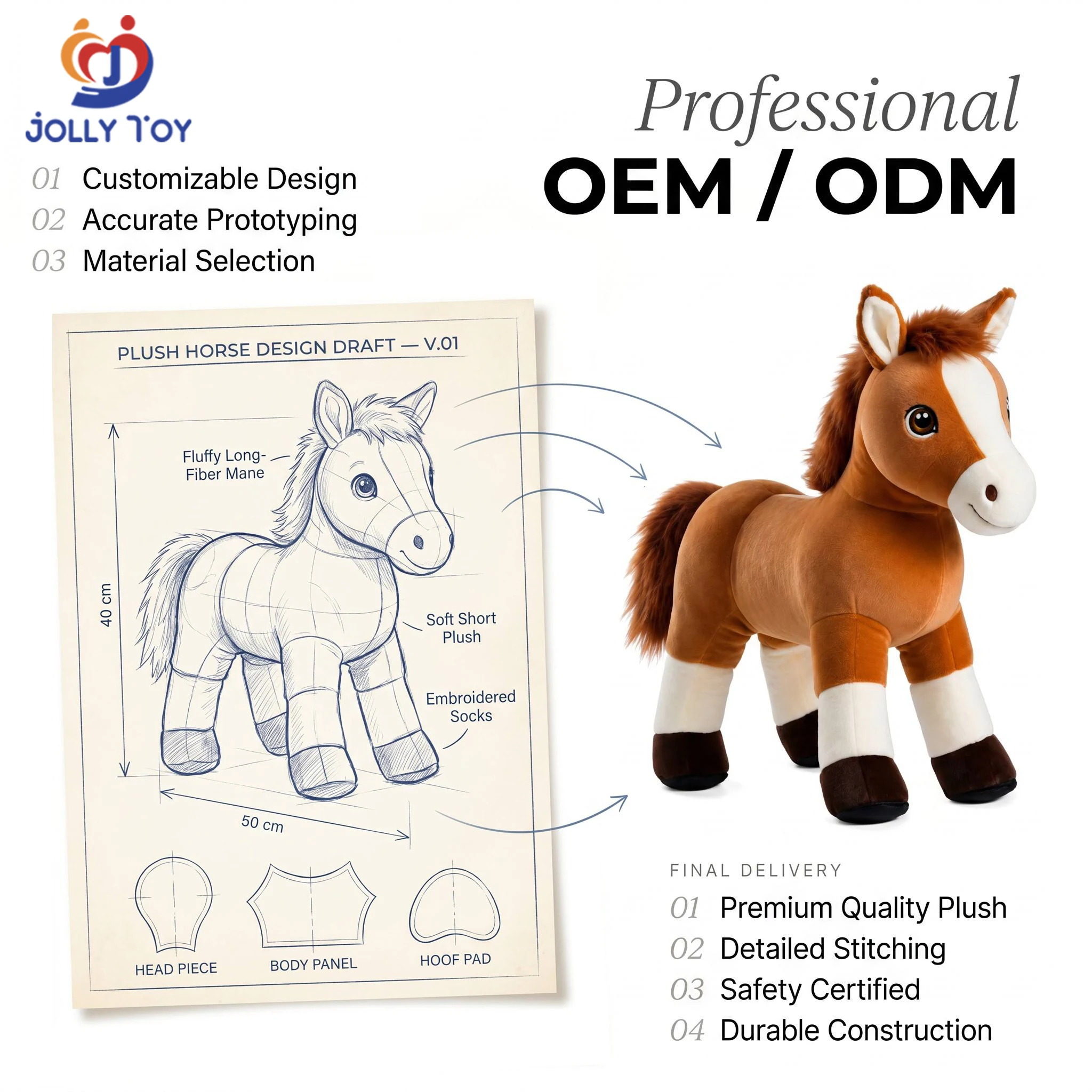
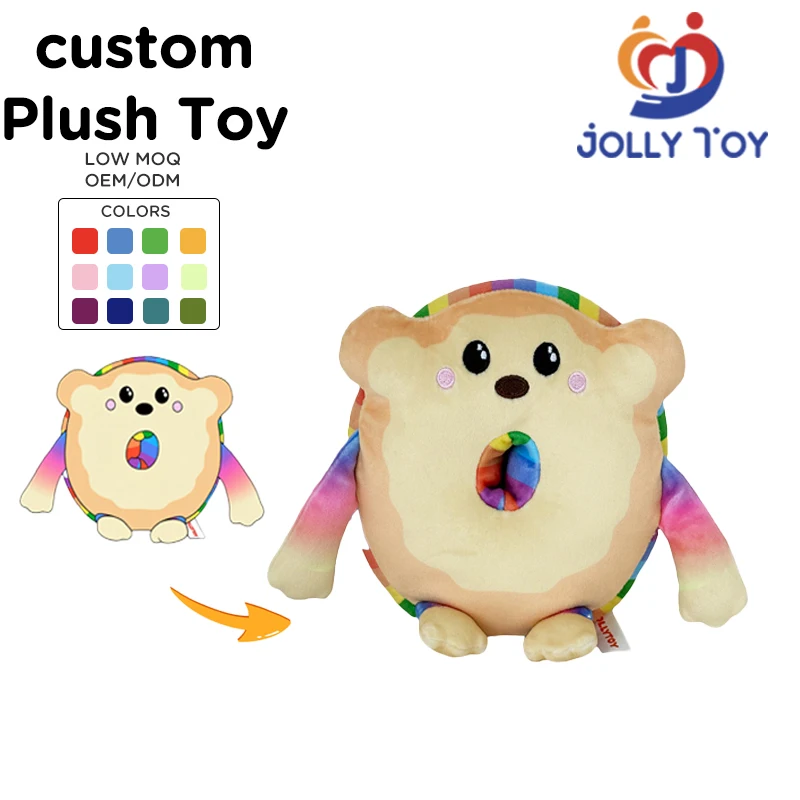
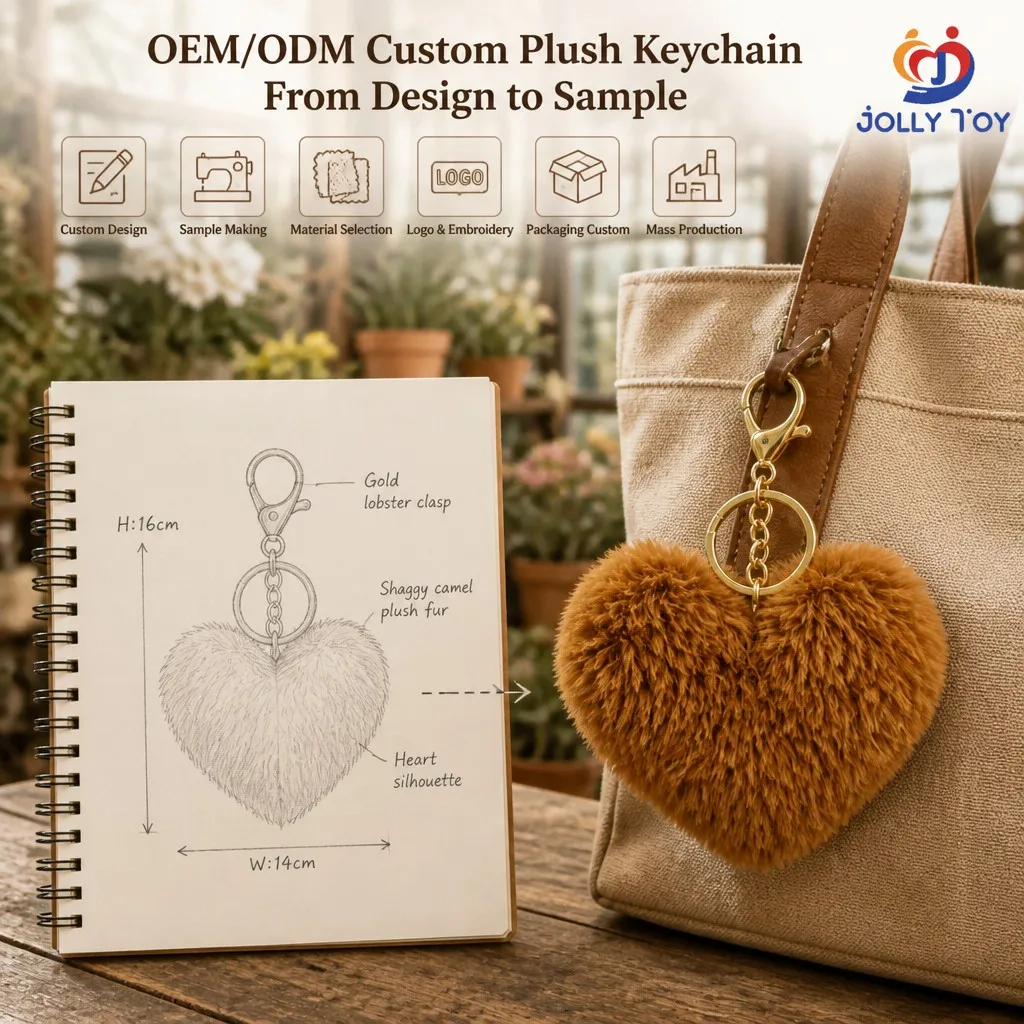
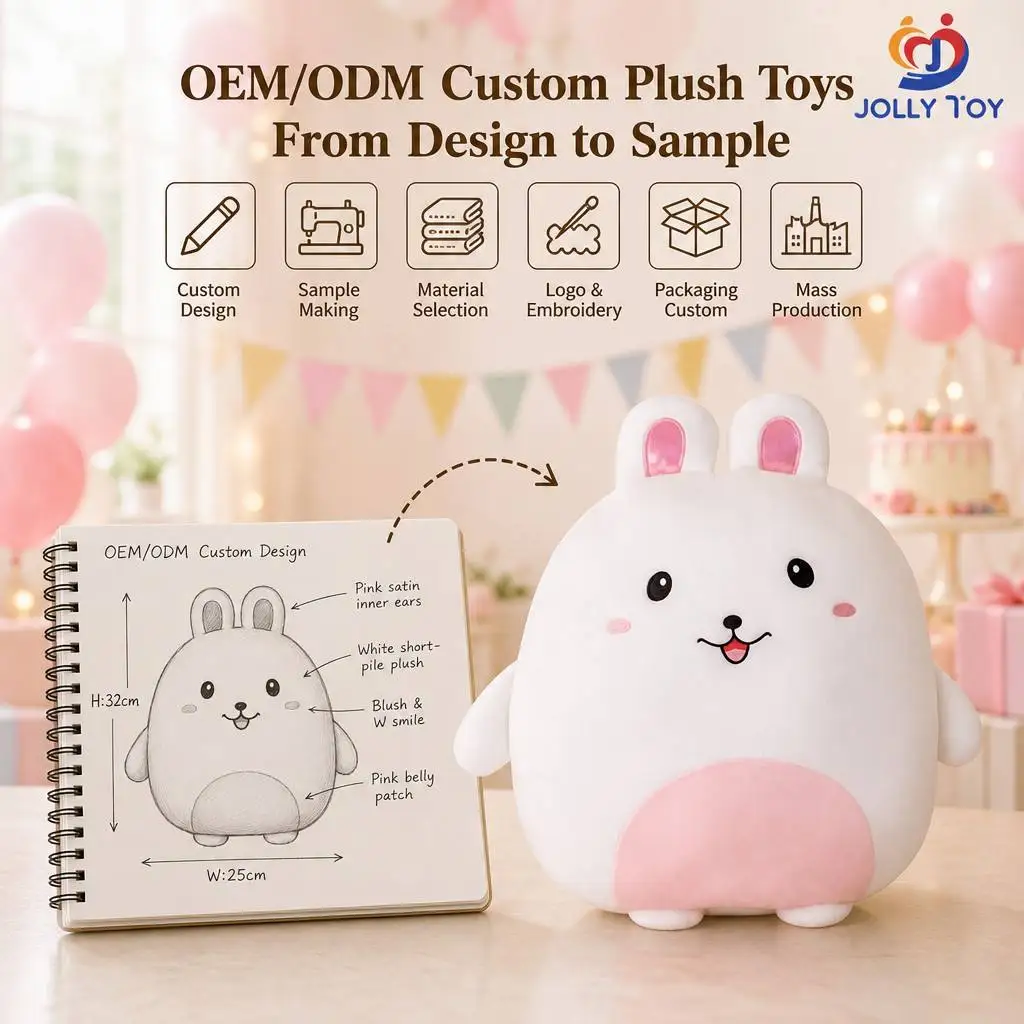
Understanding plush dolls as a product category is crucial for B2B buyers in the toy industry. These soft toys are not only popular among children but also serve various commercial applications, from promotional items to educational tools. Buyers often have concerns about specifications, quality control, and sourcing costs. This article aims to provide a comprehensive overview of personalized plush animals specifications, quality evaluation, cost factors, installation guidance for commercial projects, and options for distributors and contractors.
When sourcing Jolly Toy plush dolls, buyers should be well-versed in key specifications that affect the product's suitability for their intended market. Common specifications include size, material, safety standards, and design features. For instance, the size of the plush doll can range from small keychain figures to large floor models, which impacts shipping and storage considerations.
Materials are another critical factor. Plush dolls are typically made from synthetic fibers like polyester or cotton blends, which offer durability and softness. Buyers should confirm that the materials meet safety standards, such as ASTM F963 or EN71, especially if the products are intended for children. The choice of filling, whether it be polyester fiberfill or other materials, can affect the plushness and overall feel of the doll.
Customization capabilities are also essential. Many manufacturers, such as ourselves, offer options for unique designs, colors, and branding, allowing buyers to tailor the product to their specific market needs. Understanding these specifications helps buyers ensure that the personalized stuffed toy align with customer expectations and regulatory requirements.
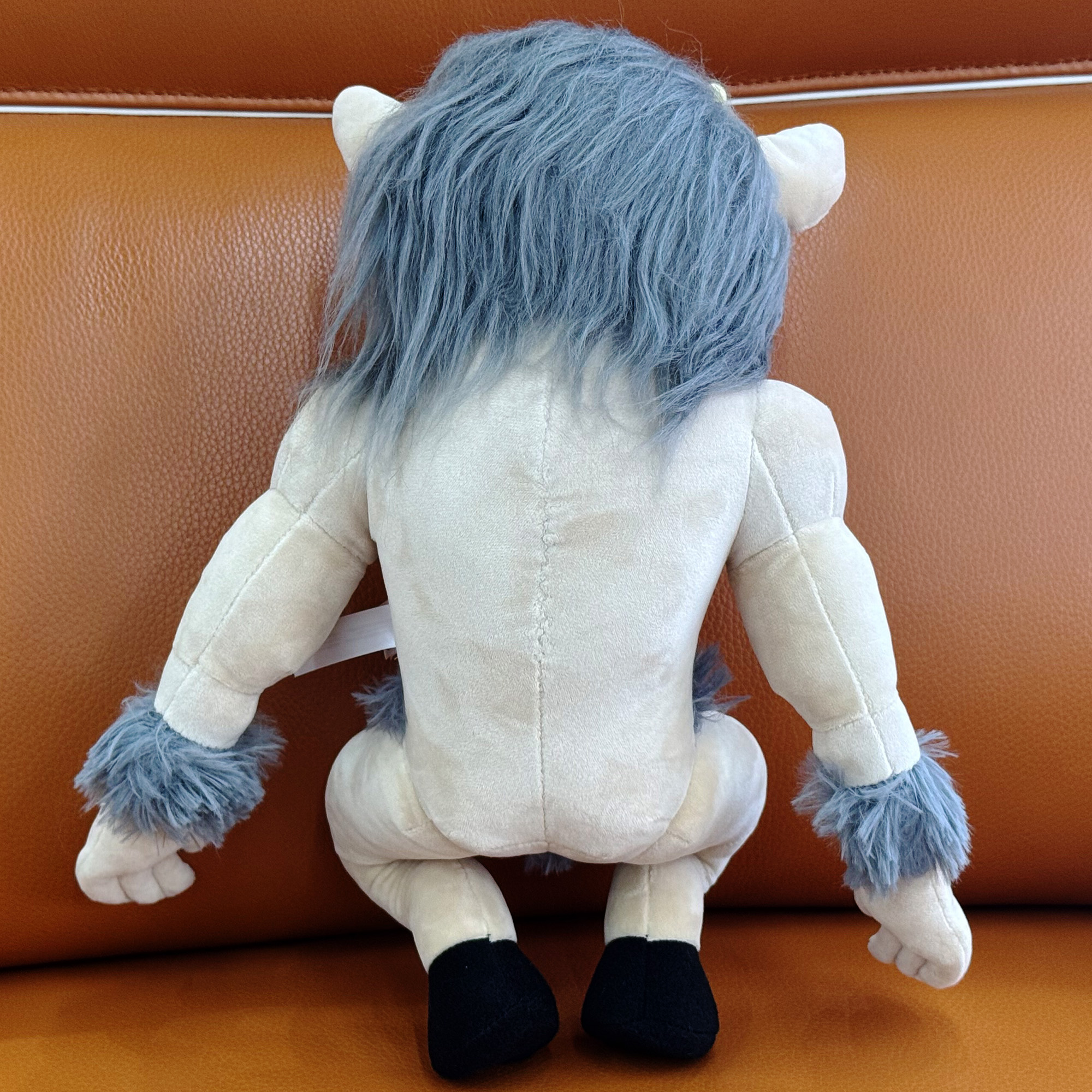
Quality control is paramount in the plush doll manufacturing process. Buyers should inquire about the manufacturer's quality assurance protocols and certifications. Certifications such as ICTI, Sedex, and BSCI demonstrate a commitment to ethical manufacturing practices and product safety.
A robust quality control process typically includes multiple stages of inspection. For instance, during the production phase, manufacturers should conduct checks for stitching integrity, material quality, and overall appearance. It's advisable for buyers to request samples for initial evaluation, focusing on aspects like seam strength and fiber shedding.
Furthermore, understanding the manufacturer's response to quality issues is essential. Buyers should ask about their policies for defective products and how they handle customer complaints. A supplier that proactively addresses quality concerns can significantly reduce risks for buyers in the long run.
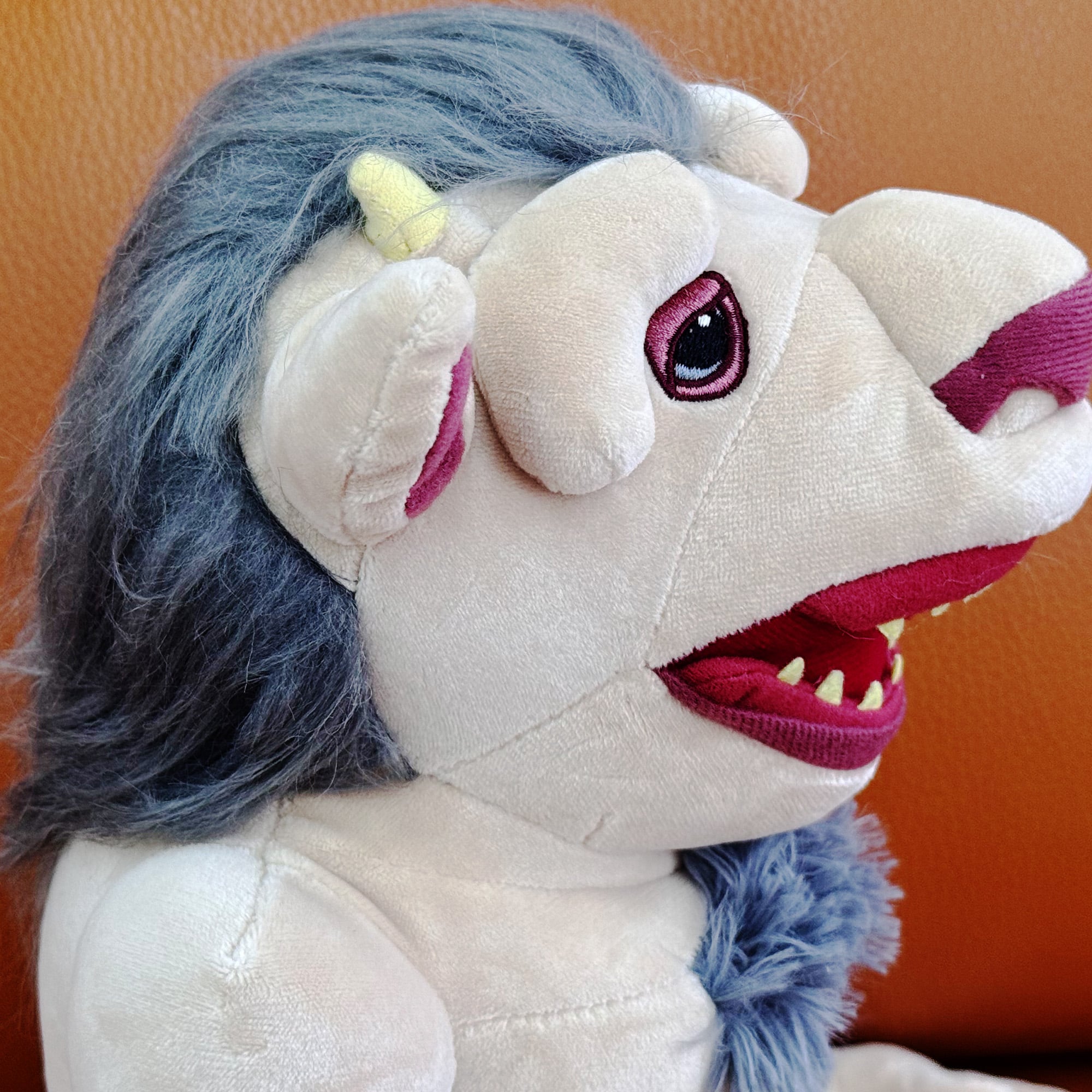
Several cost factors come into play when sourcing plush dolls in bulk. One of the most significant is the unit price, which can vary based on customization, materials, and order volume. Typically, larger orders lead to lower per-unit costs due to economies of scale. Buyers should consider their minimum order quantities (MOQ) when evaluating pricing.
Shipping and handling costs also impact the overall expenditure. Depending on the destination and shipment method, these costs can significantly affect the total budget. It’s wise for buyers to compare shipping options and timelines, particularly if they have tight deadlines for product launches.
Moreover, buyers should consider the total cost of ownership, which includes not only the purchase price but also potential future costs related to storage, inventory management, and returns. Understanding these factors will help buyers make informed financial decisions when sourcing cute stuffed animals.
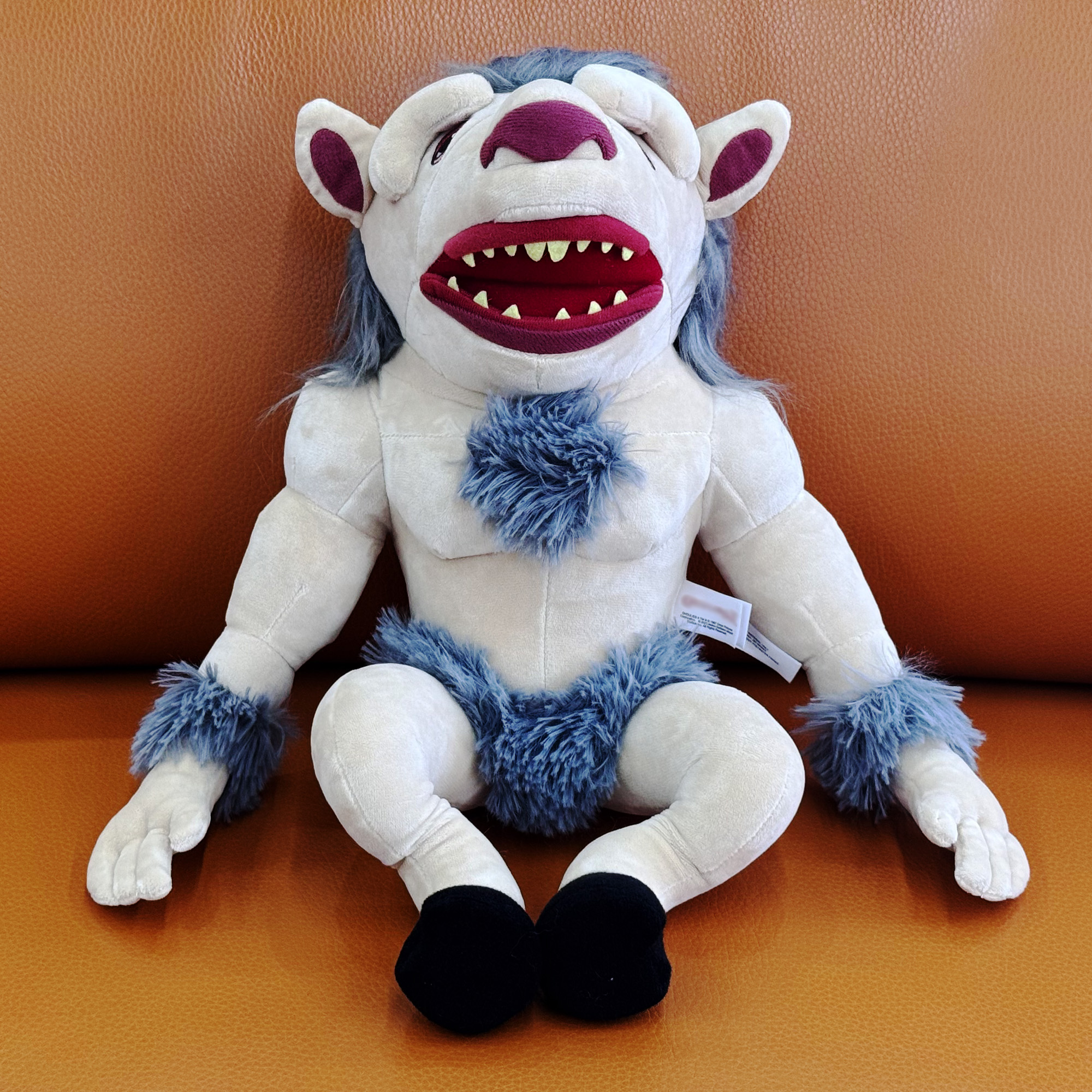
For buyers looking to incorporate Jolly Toy plush dolls into commercial projects, such as displays in retail environments or as part of promotional events, installation guidance is critical. Properly displaying plush dolls requires consideration of the target audience and space layout.
When arranging plush dolls, it's important to create an engaging presentation that highlights the product's features. Buyers should evaluate the use of shelving, hooks, or even interactive elements to attract attention. Additionally, ensuring that the plush dolls are securely displayed can prevent damage and enhance the customer experience.
For large-scale installations, such as in theme parks or exhibitions, collaborating with the manufacturer on display ideas can yield creative solutions. Buyers should also consider any necessary installation accessories or support structures to ensure that the plush dolls remain in prime condition throughout their display period.
Distributors and contractors often face the challenge of selecting the right plush doll options for diverse client needs. Factors to consider include the target demographic, intended use, and branding opportunities. For example, a distributor serving the educational sector may prioritize plush dolls that are designed for interactive learning, while a contractor working on a promotional campaign might focus on unique designs that align with a brand's identity.
It's also essential to evaluate the flexibility of the supplier regarding product variations. Many manufacturers offer a range of customization options, including size, colors, and branding elements. This flexibility can enhance the attractiveness of the product and meet specific customer demands.
Another aspect to consider is the supplier's ability to provide timely updates on stock availability and lead times. A supplier with a responsive inventory management system can help distributors and contractors plan their orders more effectively, ensuring that they can meet customer expectations without delays.
By understanding these factors, B2B buyers can make more informed decisions when selecting Jolly Toy plush dolls for their particular market segments, leading to successful sales and customer satisfaction.

 EN
EN
 AR
AR
 CS
CS
 DA
DA
 NL
NL
 FI
FI
 FR
FR
 DE
DE
 EL
EL
 IT
IT
 JA
JA
 KO
KO
 NO
NO
 PL
PL
 PT
PT
 RU
RU
 ES
ES
 SV
SV
 IW
IW
 UK
UK
 TR
TR
 AF
AF
 GA
GA
 IS
IS
 LA
LA