
 EN
EN
 AR
AR
 CS
CS
 DA
DA
 NL
NL
 FI
FI
 FR
FR
 DE
DE
 EL
EL
 IT
IT
 JA
JA
 KO
KO
 NO
NO
 PL
PL
 PT
PT
 RU
RU
 ES
ES
 SV
SV
 IW
IW
 UK
UK
 TR
TR
 AF
AF
 GA
GA
 IS
IS
 LA
LA
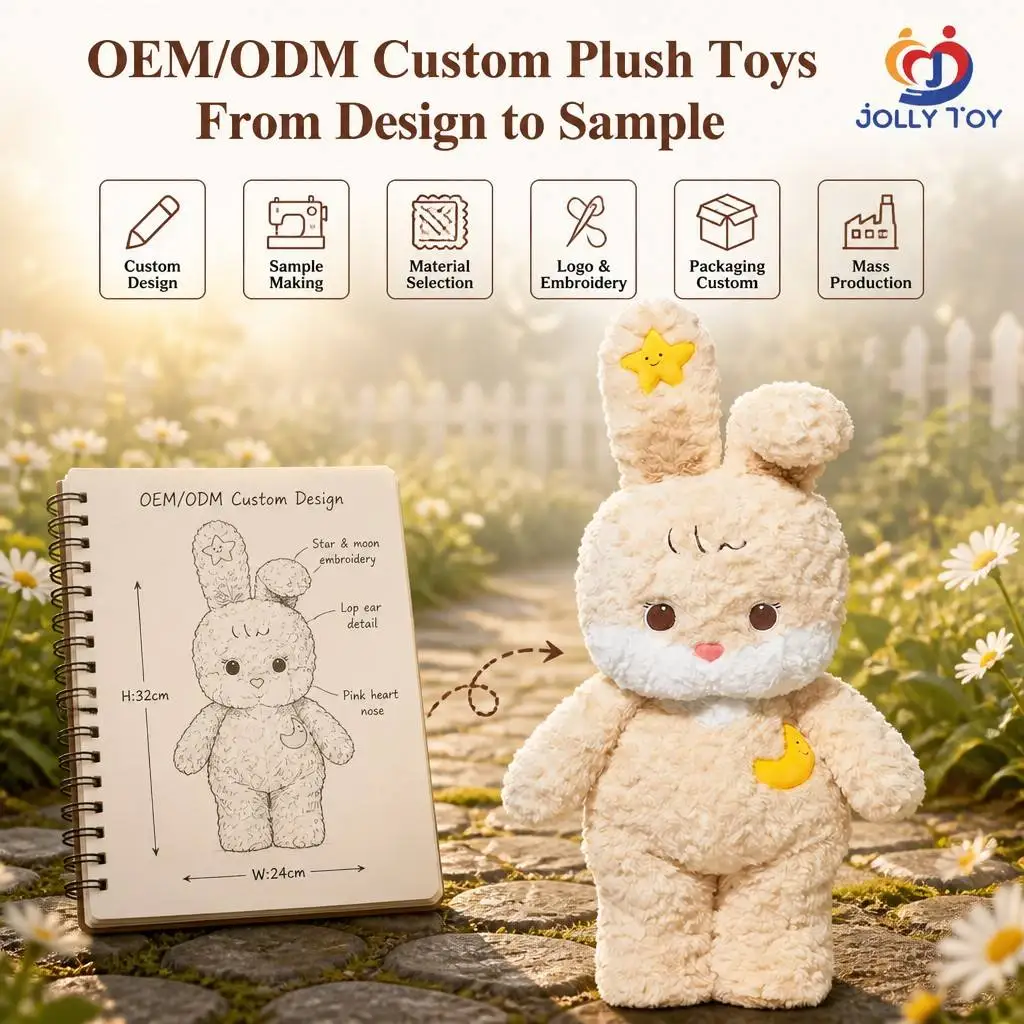
When it comes to sourcing plush toys, understanding modern fabric and filling material options is crucial for B2B buyers. The choice of materials not only affects the tactile experience but also influences safety, durability, and overall product quality. This article will address common concerns among purchasing managers, distributors, and product managers regarding material specifications, quality control measures, and supplier sourcing. By the end, you'll have a clearer understanding of how to select the right materials for your plush toy orders.
Understanding the Advantages of Modern Plush Toy Filling Materials
Modern plush toys utilize a variety of filling materials, each with distinct advantages. Common options include polyester fiber fill, foam, and natural materials like cotton or wool. Polyester fiber fill is lightweight, hypoallergenic, and resistant to mold and mildew, making it a popular choice for mass-produced toys. Foam fillings offer varying degrees of firmness and support, which can enhance the toy's shape and longevity.
Natural materials, while generally more expensive, appeal to eco-conscious consumers and can provide a unique tactile experience. However, buyers should consider the end-use of the plush toys when selecting filling materials. For instance, toys intended for infants must meet strict safety standards, which may limit filling choices to non-toxic, hypoallergenic options. Understanding these advantages will help you make informed material selections that align with your product goals.
Quality Control Measures in Plush Toy Fabric and Filling Production
Quality control is paramount in plush toy manufacturing, especially regarding fabric and filling materials. Effective quality control measures include rigorous testing of raw materials, in-process inspections, and final product evaluations. For instance, fabric should be tested for durability, Colorfastness, and safety compliance, ensuring it meets industry standards such as ASTM F963 or EN71.
During the filling production phase, manufacturers should monitor the consistency of material density and the absence of contaminants. Implementing a comprehensive quality management system can help identify issues early in the production process, reducing waste and ensuring that each toy meets the specified quality standards. Buyers should inquire about a supplier's quality control protocols to ensure their products will consistently meet expectations.
Where to Source Reliable Suppliers for Plush Toy Fabrics
Sourcing reliable suppliers for plush toy fabrics requires careful consideration of several factors. Start by evaluating suppliers with proven industry experience and relevant certifications, such as ICTI or BSCI, which indicate adherence to ethical manufacturing practices. Online directories and trade shows can also provide insights into potential suppliers.
When vetting suppliers, request samples of fabrics and filling materials to assess their quality firsthand. Additionally, ask about their production capabilities, including minimum order quantities (MOQs) and lead times. Establishing open communication regarding your specific requirements such as customization options and delivery timelines will help build a solid partnership with your supplier.
Comparing Fabric Options for Optimal Plush Toy Performance
Choosing the right fabric for plush toy keychain is critical for both aesthetics and functionality. Common fabric options include plush polyester, cotton, and blended materials. Plush polyester is soft and durable, making it ideal for toys that require frequent washing. Cotton, while breathable and soft, might not withstand heavy use as well as synthetic alternatives.
When comparing fabric options, consider factors such as texture, durability, and maintenance requirements. For example, toys that are likely to be exposed to heavy wear and tear should be made from fabrics with high abrasion resistance. Additionally, understanding the fabric's care instructions can influence purchasing decisions, especially for toys aimed at young children. Buyers should also confirm that the chosen fabric complies with safety regulations, as this is paramount in the plush toy industry.
Installation Guidance for Plush Toy Filling Materials and Fabrics
Proper installation of filling materials and fabrics is essential for ensuring the quality and safety of plush toys. During the production process, manufacturers should adhere to standardized procedures for stuffing and sealing to prevent issues such as uneven filling or exposed seams. It is advisable to use automated machines for consistent filling density, which can help maintain the toy's shape and integrity.
Before mass production, it is crucial for buyers to evaluate a sample product to ensure that the filling and fabric work harmoniously. Consider testing the toy under various conditions to assess durability and safety. Clear communication with the manufacturing team about installation techniques can also lead to better outcomes, ensuring that the final product meets both aesthetic and functional requirements.
By understanding the nuances of fabric and filling material options in plush toy orders, you can make more informed purchasing decisions that align with your product specifications and quality expectations. This knowledge not only enhances the overall quality of your custom made plush toys but also builds trust with your customers.
Table of Contents
- Understanding the Advantages of Modern Plush Toy Filling Materials
- Quality Control Measures in Plush Toy Fabric and Filling Production
- Where to Source Reliable Suppliers for Plush Toy Fabrics
- Comparing Fabric Options for Optimal Plush Toy Performance
- Installation Guidance for Plush Toy Filling Materials and Fabrics

