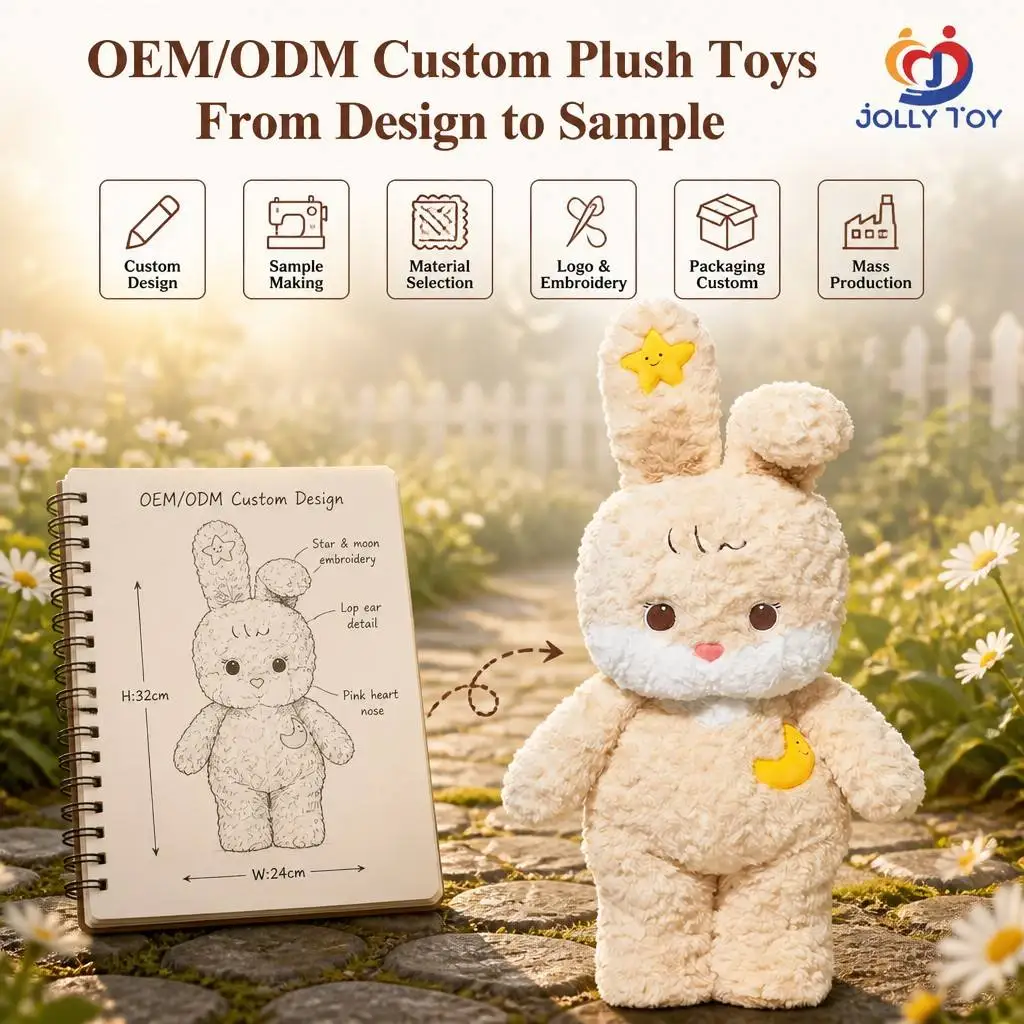
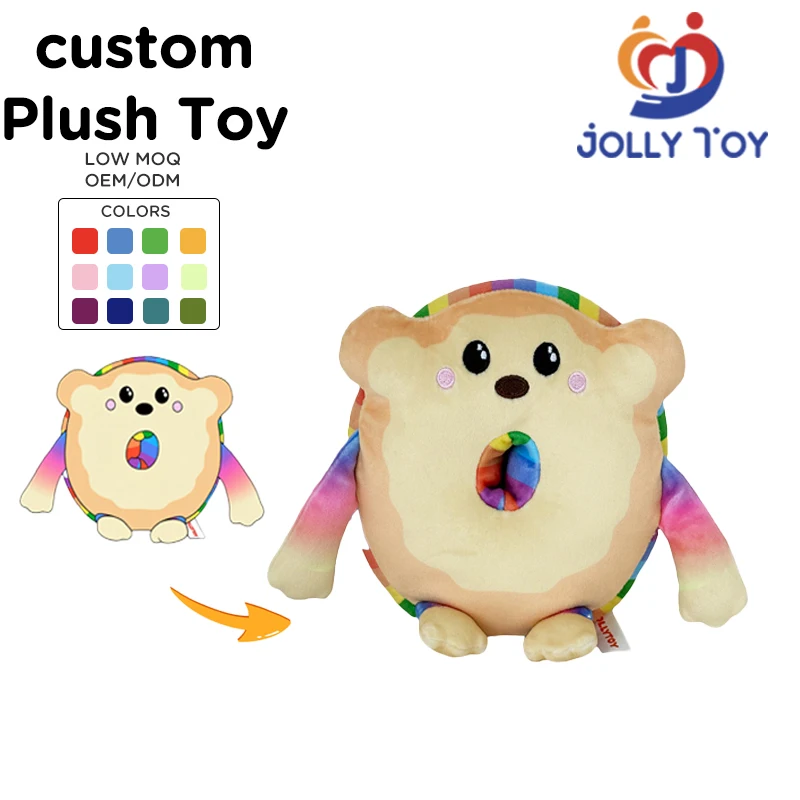
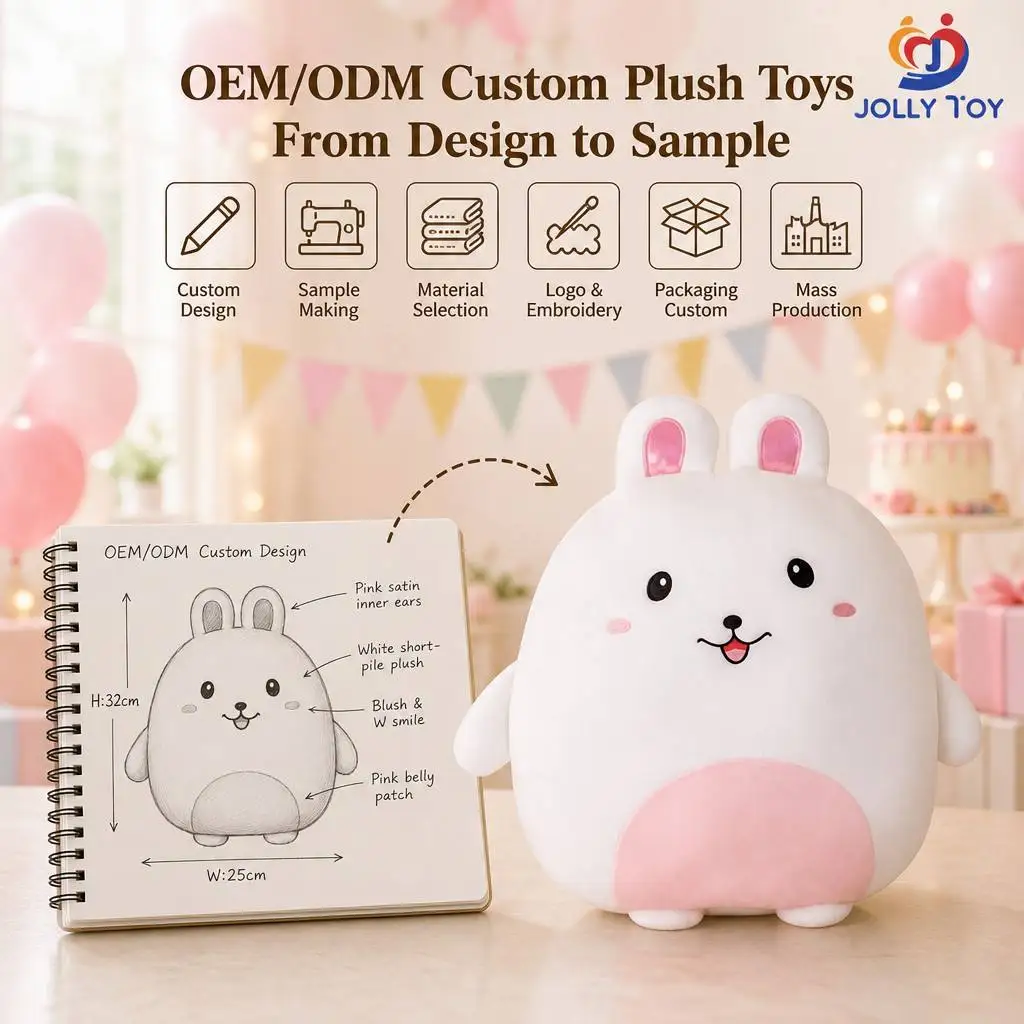
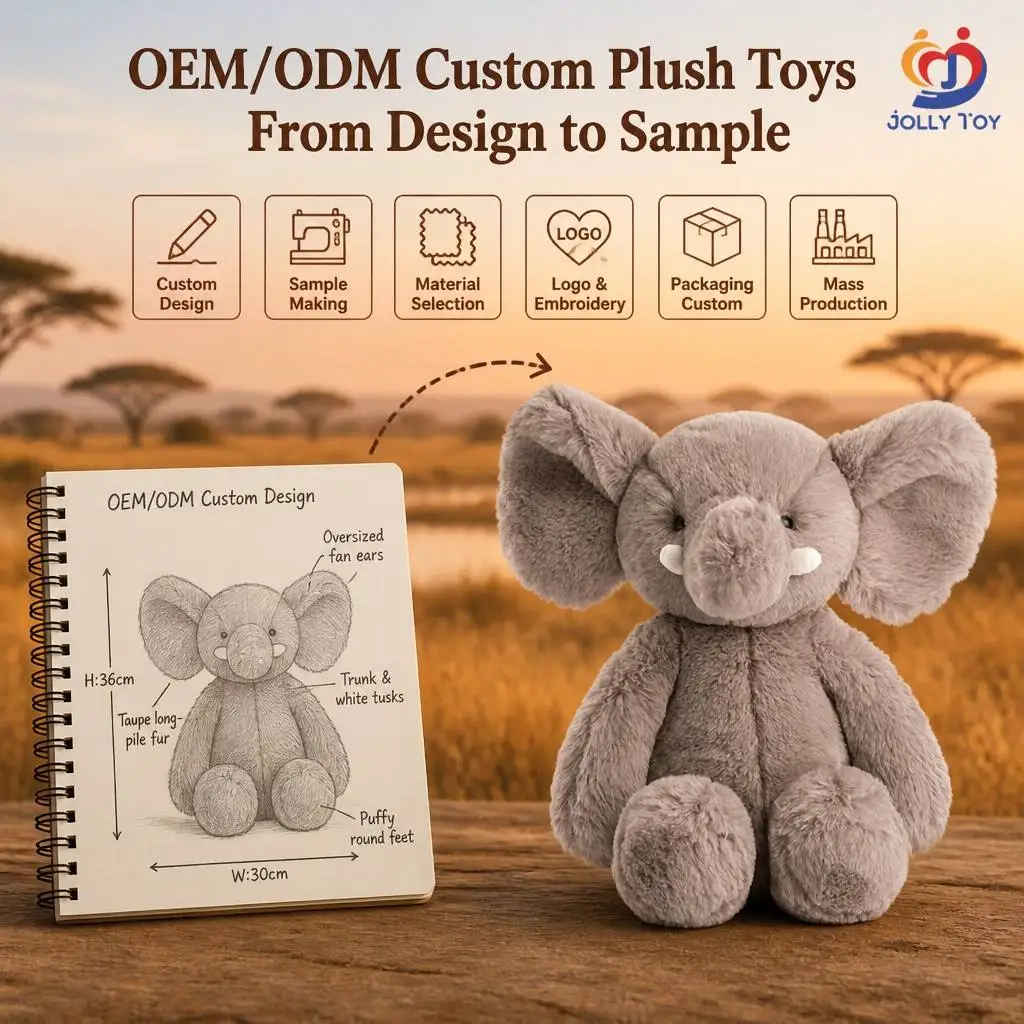
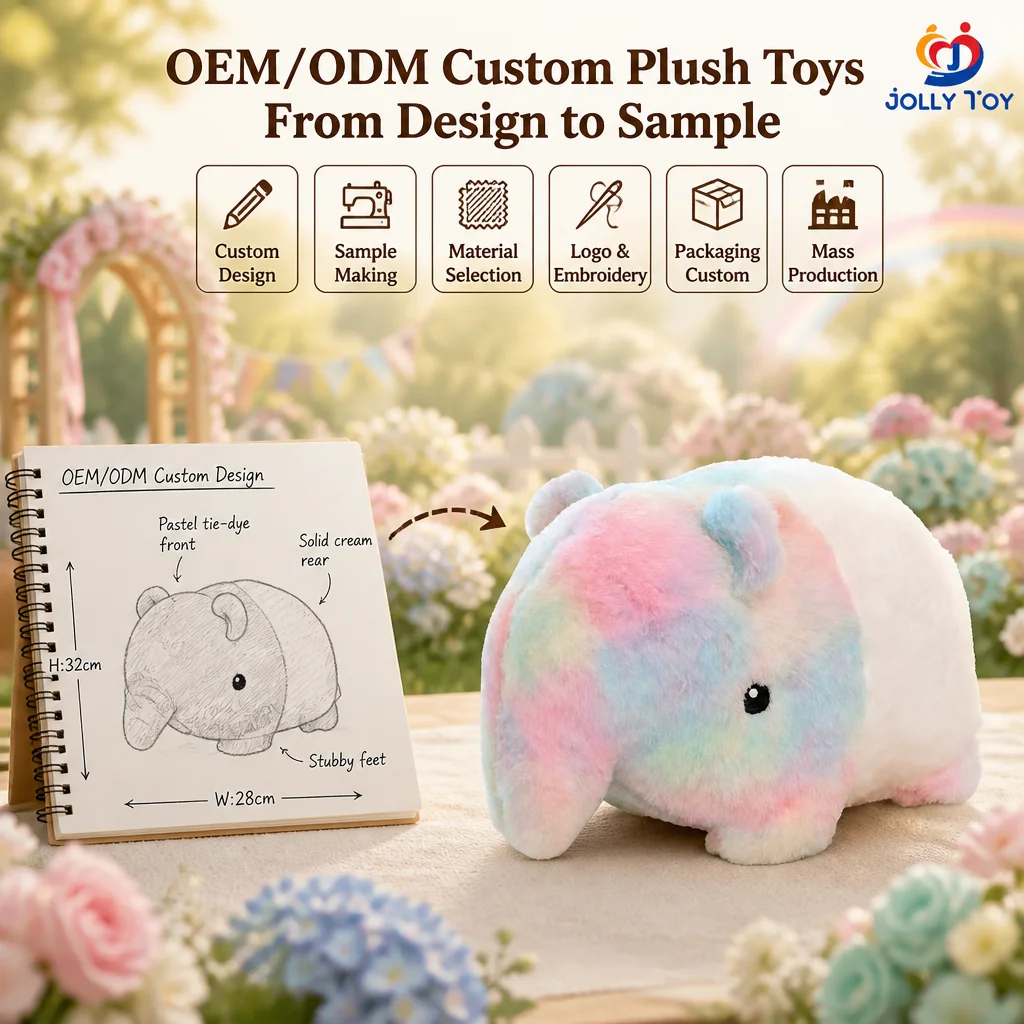
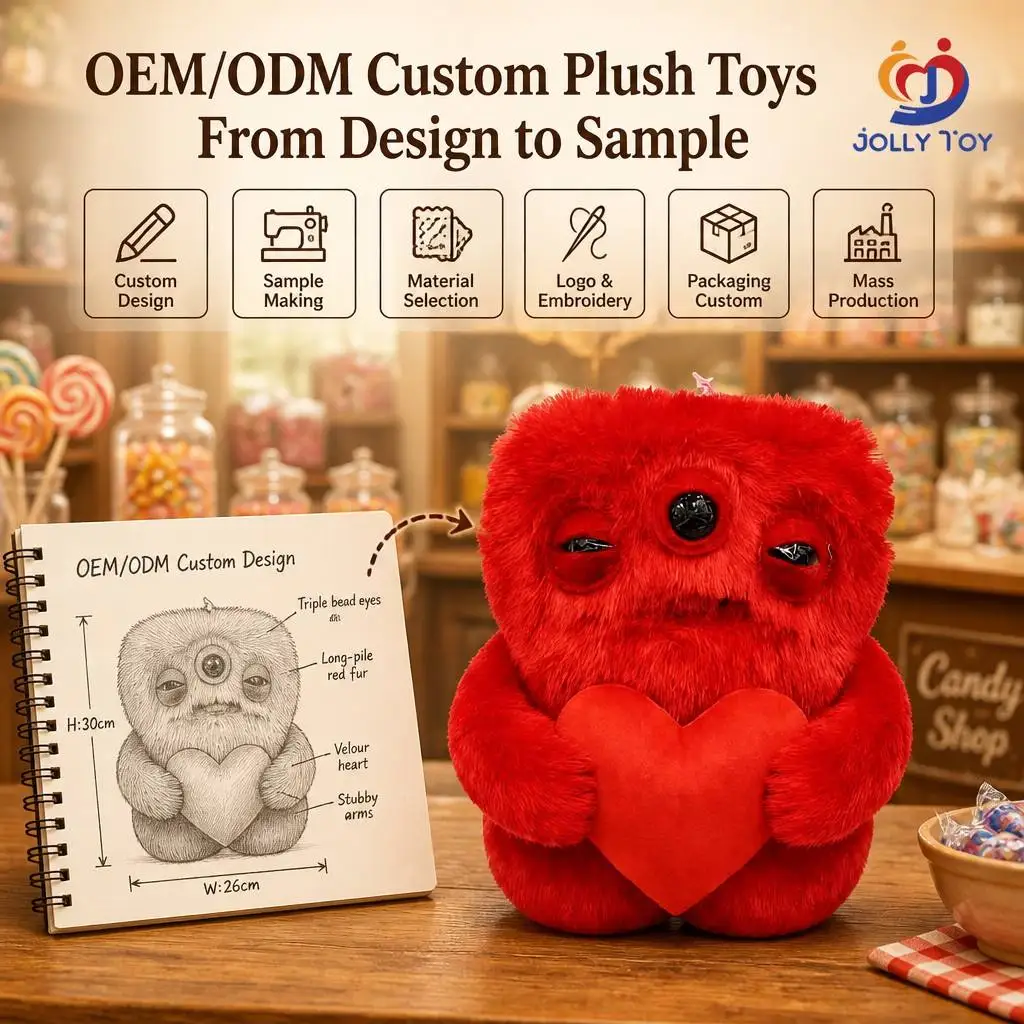
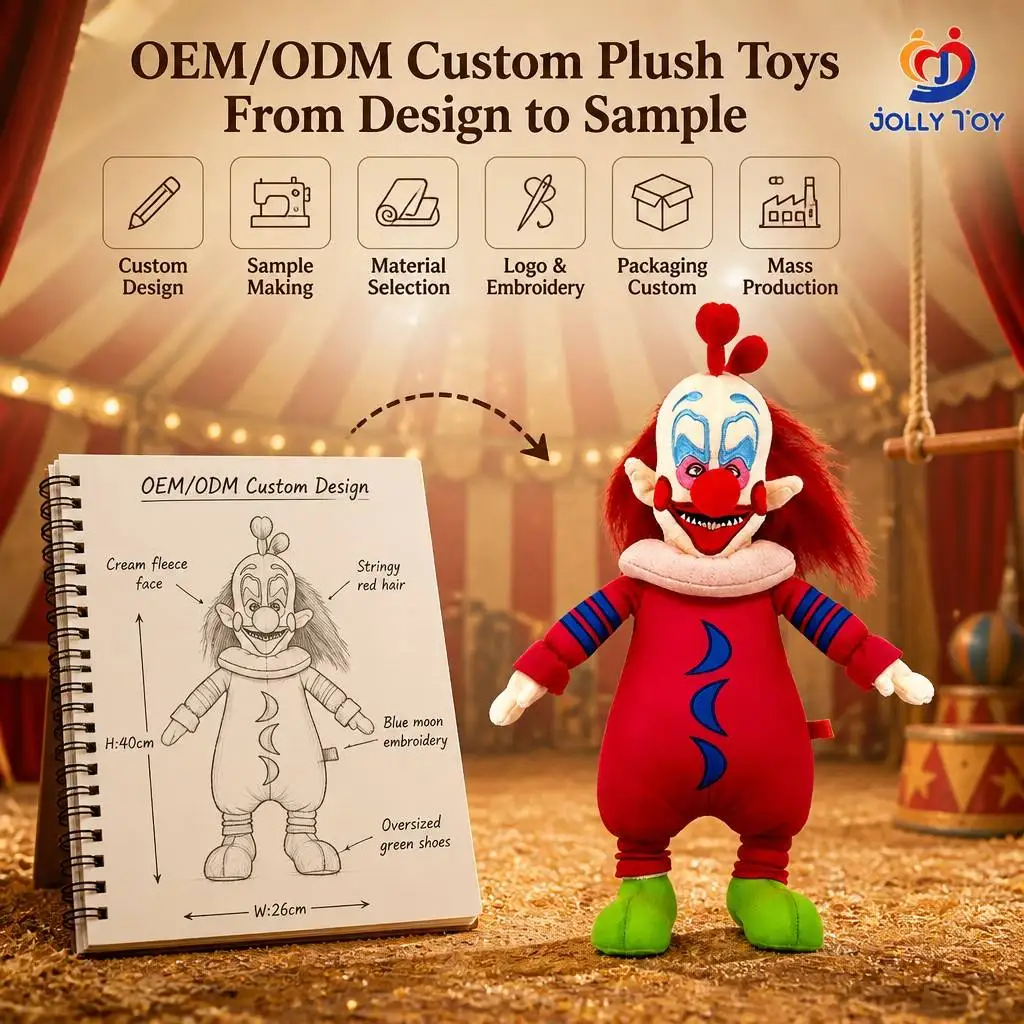
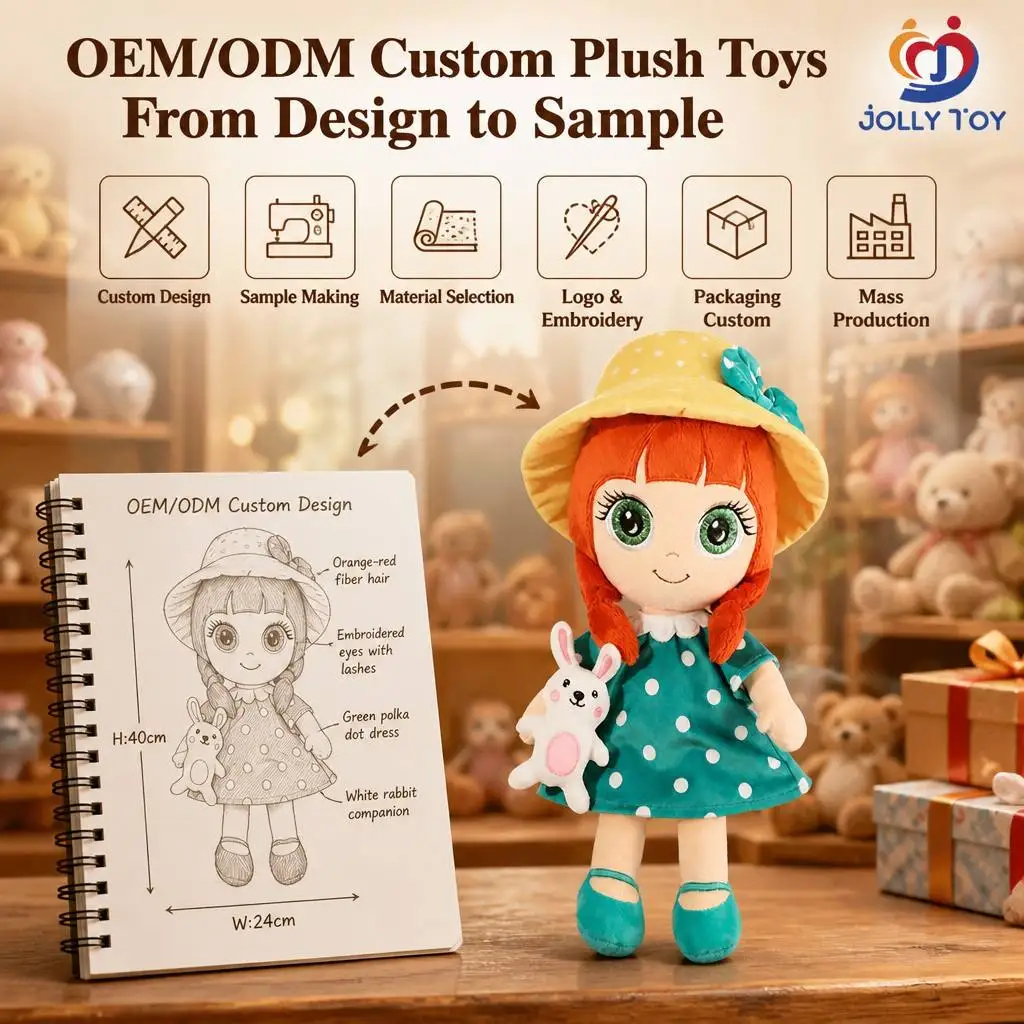
Custom dolls, designed to meet specific requirements, are increasingly sought after in various industries, from retail to promotional events. As a purchasing manager or product developer, understanding how to navigate the complexities of custom doll manufacturing is crucial. This article will provide insights into specifications, selection criteria, quality control, supplier sourcing, and best practices, helping you make informed decisions when procuring a plush doll for your projects.
When evaluating custom dolls, it's essential to understand the specifications that influence their design and functionality. Key specifications include size, material, and safety standards
Size: Custom dolls can vary significantly in height and proportions. Consider the target audience and intended use—commercial retail products may require standard sizes, while promotional items might benefit from unique dimensions
Materials: Common materials for custom dolls include plush fabrics for soft dolls and high-quality plastics for action figures. The choice of material affects not only the tactile experience but also the durability and safety of the product. Ensure that materials comply with relevant safety standards, such as ASTM F963 or EN71, depending on your market
Safety Standards: Compliance with safety regulations is non-negotiable, especially for toys. Certifications like ICTI, Sedex, and BSCI, which our factory holds, assure buyers that the manufacturing process adheres to ethical and safety standards
By clearly defining these specifications upfront, you can avoid production delays and ensure that the final baby dolls product aligns with your expectations.
Selecting the right custom doll involves aligning your project needs with the product's characteristics. Here are several factors to consider:
Purpose and Audience: Determine whether the doll is for educational purposes, as a collectible, or for promotional events. Understanding the end-user will guide decisions on design, size, and features. For instance, dolls intended for children should prioritize safety and durability
Customization Options: Assess the level of customization required. Many manufacturers offer options for personalized features such as unique outfits, colors, and accessories. Ensure that the chosen supplier can accommodate your specific requests without compromising production timelines
Budget Considerations: Pricing can vary based on material choices, complexity of design, and order volume. Discussing your budget with potential suppliers can help identify feasible options. Consider the Minimum Order Quantity (MOQ) that aligns with your financial targets, as this can impact your overall cost-effectiveness
Lead Time: Understand the production timeline, especially if you have a specific launch date. Establishing a clear timeline allows both you and the manufacturer to manage expectations effectively
By focusing on these factors, you can streamline the selection process and ensure that your custom doll meets project requirements.
Quality control is a critical aspect of manufacturing custom dolls. Effective quality assurance processes can prevent costly errors and ensure that the final product meets your standards. Here are some points to consider:
Sampling Process: Before mass production, always request and approve a sample. This step is essential to evaluate dimensions, materials, and finishes. A sample allows you to assess the doll's appearance and functionality in real-world conditions
Production Oversight: Inquire about the manufacturer’s quality control protocols during production. Regular inspections at various stages—cutting, sewing, and final assembly—can help catch issues early
Post-Production Checks: Once production is complete, a final quality check should assess the dolls for safety compliance, aesthetic consistency, and functional performance. Understanding the manufacturer’s inspection methods can provide confidence in the product’s reliability
Documentation and Certifications: Request documentation that verifies adherence to safety standards. Certifications indicate that the manufacturer has undergone rigorous testing and complies with industry regulations
By prioritizing quality control, you can mitigate risks associated with product defects and ensure customer satisfaction.
Finding a reliable supplier for custom dolls is vital for consistent quality and timely delivery. Here are some strategies to identify trustworthy partners:
Industry Networks: Leverage industry connections and attend trade shows to meet potential suppliers. Networking can provide firsthand insights into a manufacturer’s reputation and capabilities
Online Research: Explore platforms like Alibaba or ThomasNet to find manufacturers specializing in custom dolls. Review their profiles, certifications, and client feedback to gauge their reliability
Direct Inquiries: Reach out to potential suppliers with specific queries regarding their capabilities, minimum order quantities, lead times, and customization options. A responsive and transparent supplier can indicate a commitment to customer service
Request Samples: Always request samples from potential suppliers to evaluate quality before placing a bulk blind box doll order. This step can help you assess whether their offerings align with your project needs
By carefully sourcing suppliers, you can establish relationships that contribute to the success of your custom doll projects.
To navigate the procurement process effectively, consider the following best practices:
Clear Specifications: Provide detailed specifications when requesting quotes. Include information such as size, materials, design features, and desired safety certifications
Comparison and Evaluation: When evaluating suppliers, compare their offerings based on quality, price, lead time, and customer service. Develop a scoring system to objectively assess each supplier
Establish Communication Channels: Maintain open lines of communication with your manufacturer throughout the production process. Regular updates can help you address any issues promptly and ensure that expectations are aligned
Feedback Loop: After receiving your custom dolls, provide feedback to the supplier regarding quality and performance. This practice fosters a collaborative relationship and can lead to improvements in future orders
By implementing these best practices, you can enhance your purchasing strategy, ensuring a smoother experience when acquiring custom dolls for your business.

 EN
EN
 AR
AR
 CS
CS
 DA
DA
 NL
NL
 FI
FI
 FR
FR
 DE
DE
 EL
EL
 IT
IT
 JA
JA
 KO
KO
 NO
NO
 PL
PL
 PT
PT
 RU
RU
 ES
ES
 SV
SV
 IW
IW
 UK
UK
 TR
TR
 AF
AF
 GA
GA
 IS
IS
 LA
LA