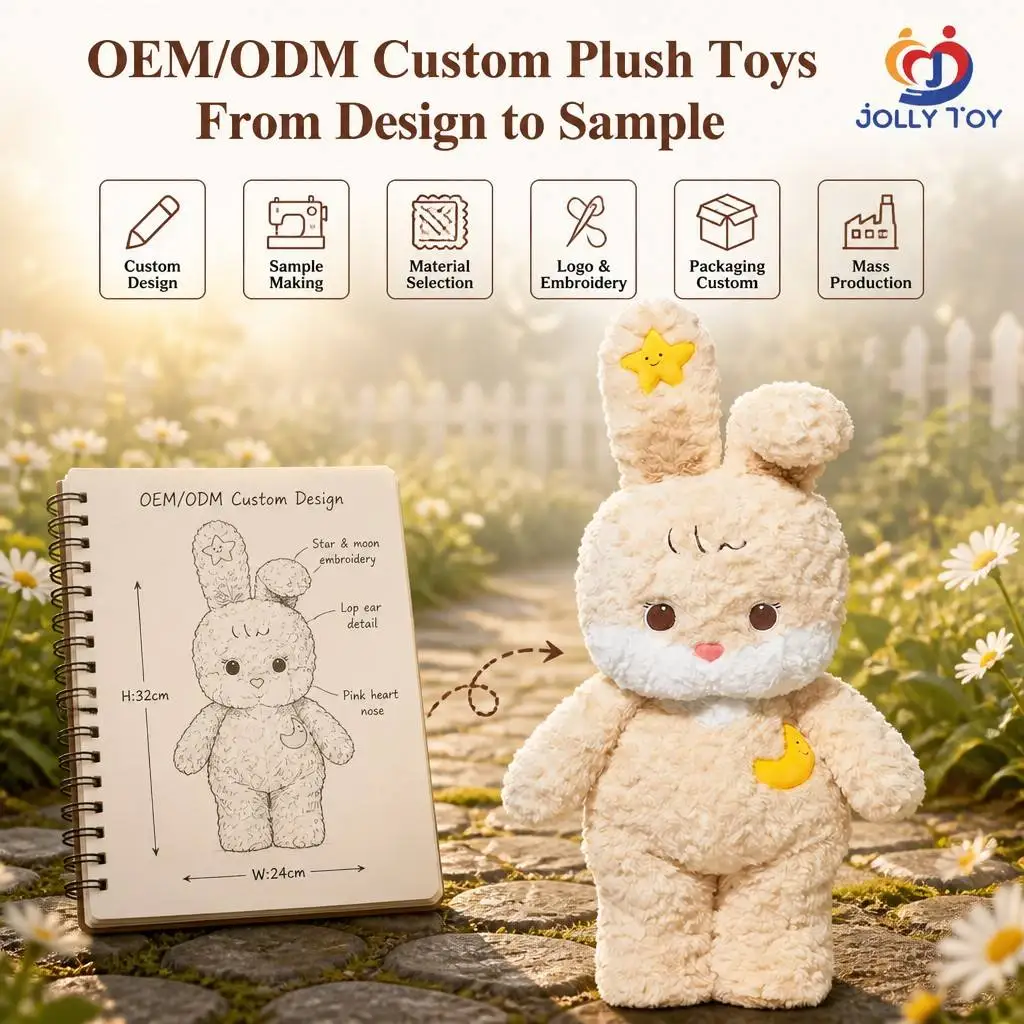
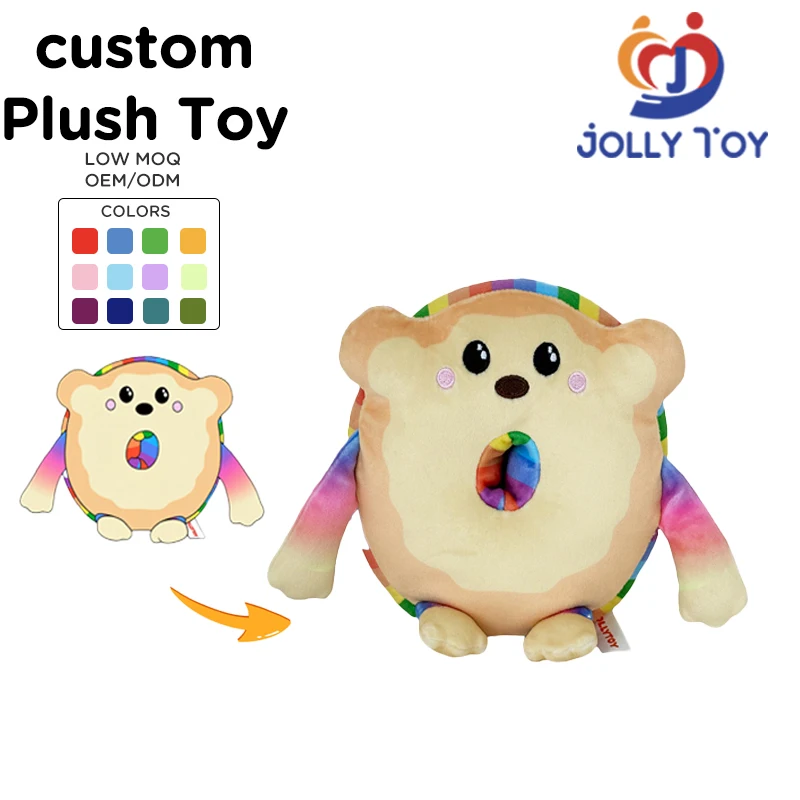
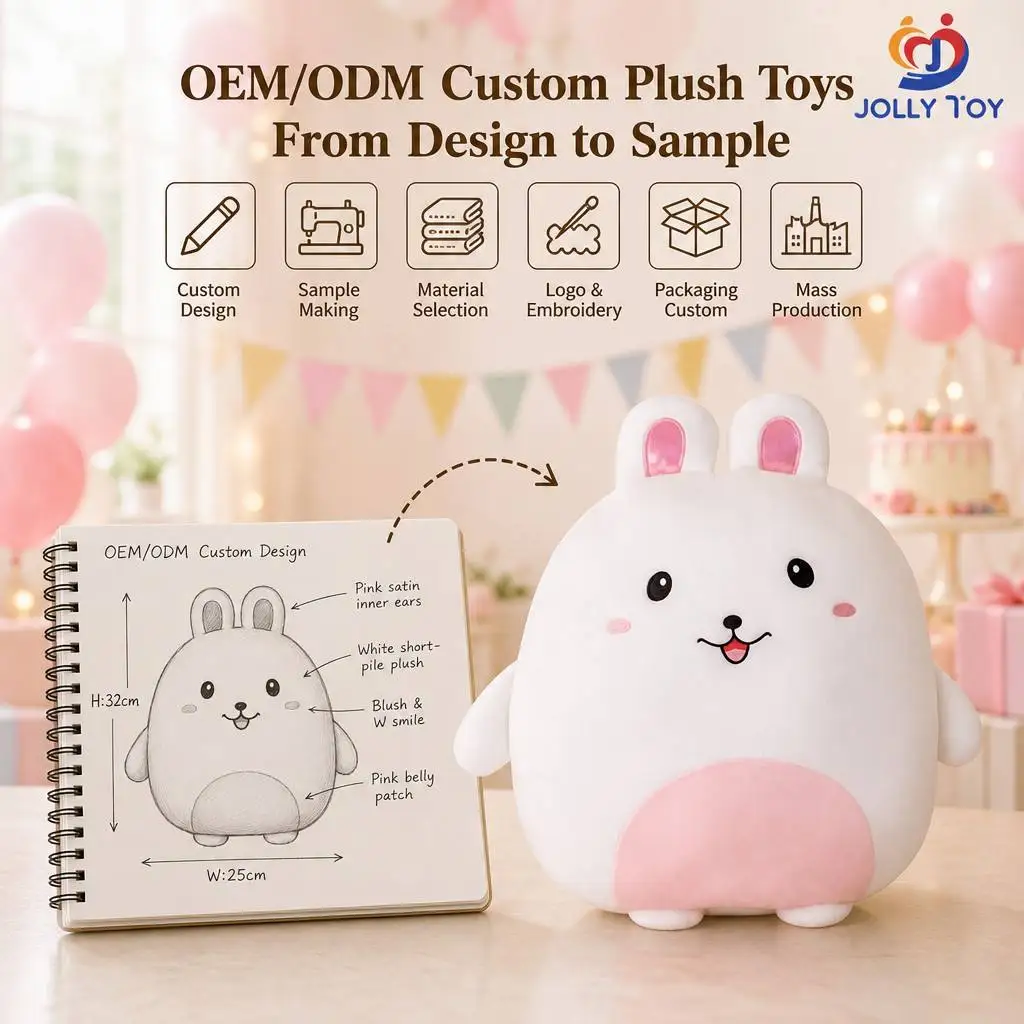
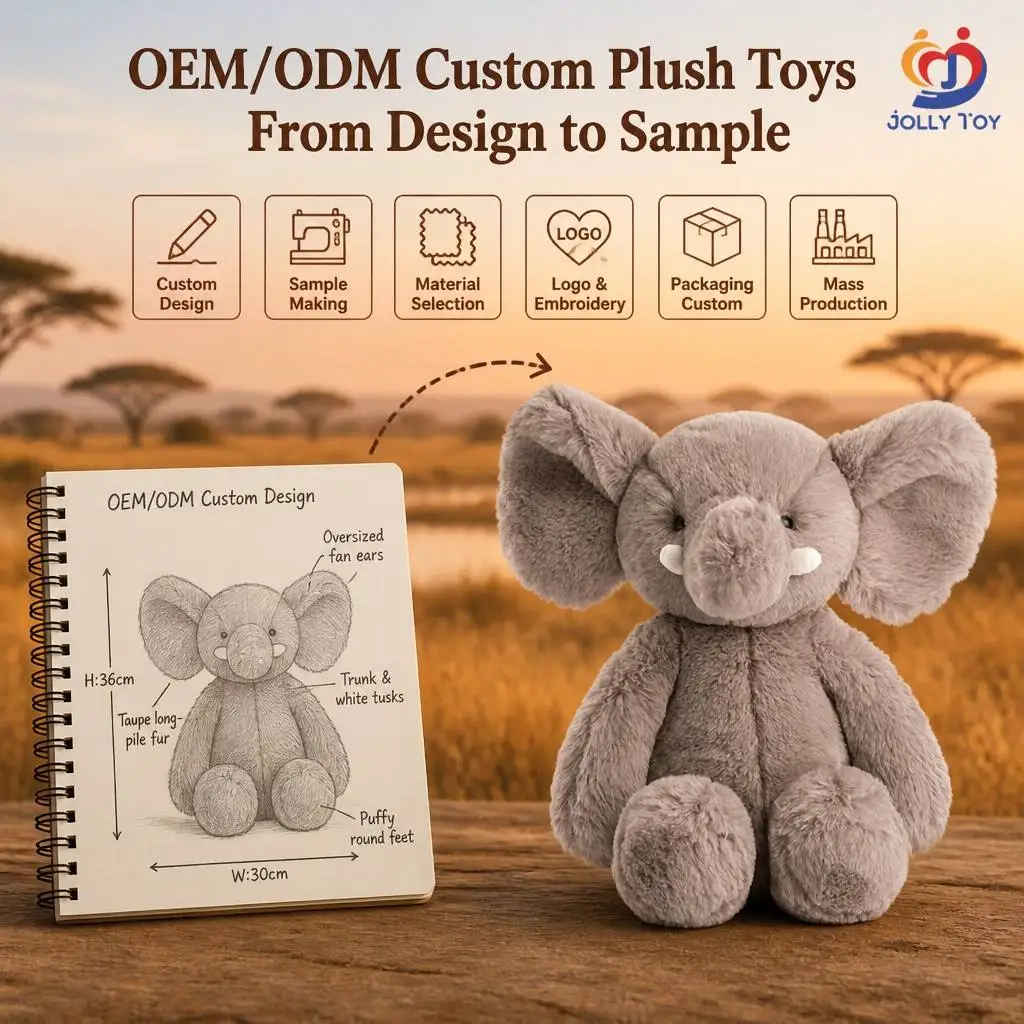
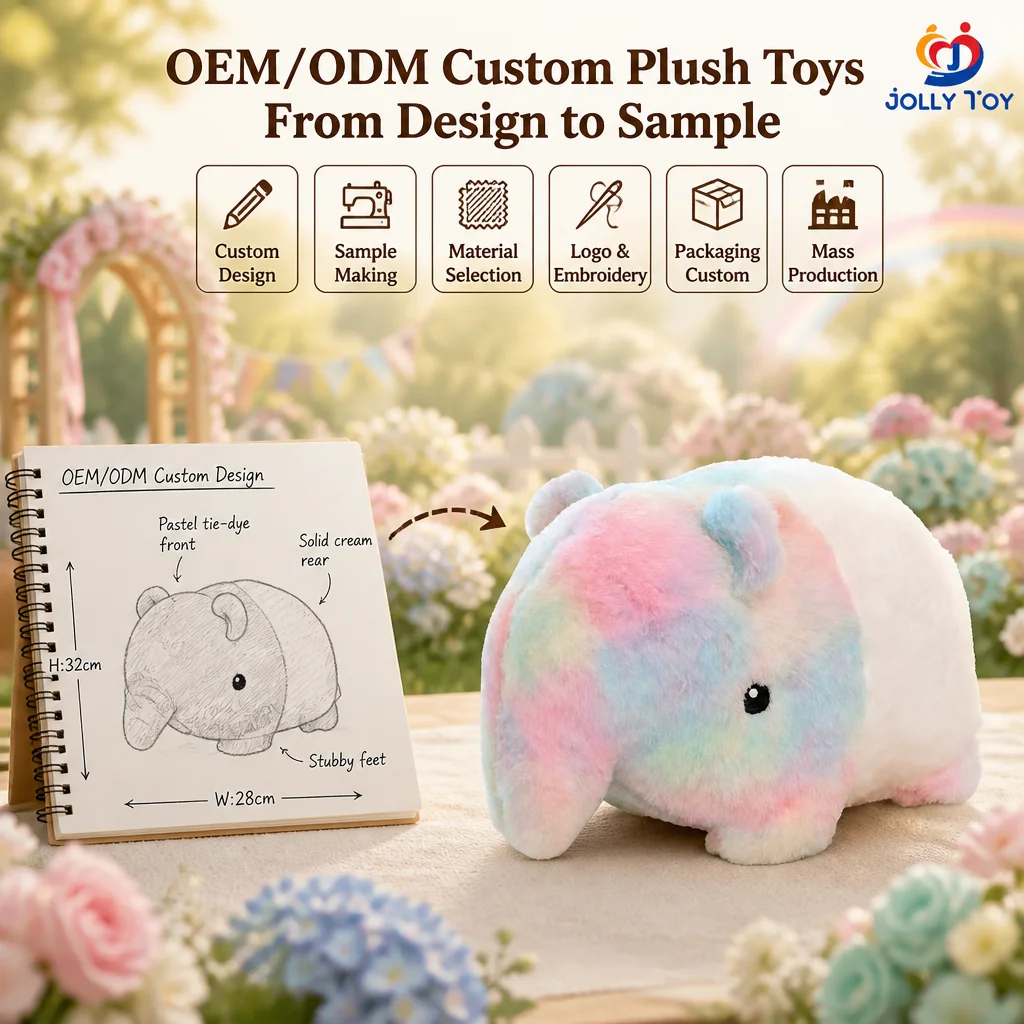
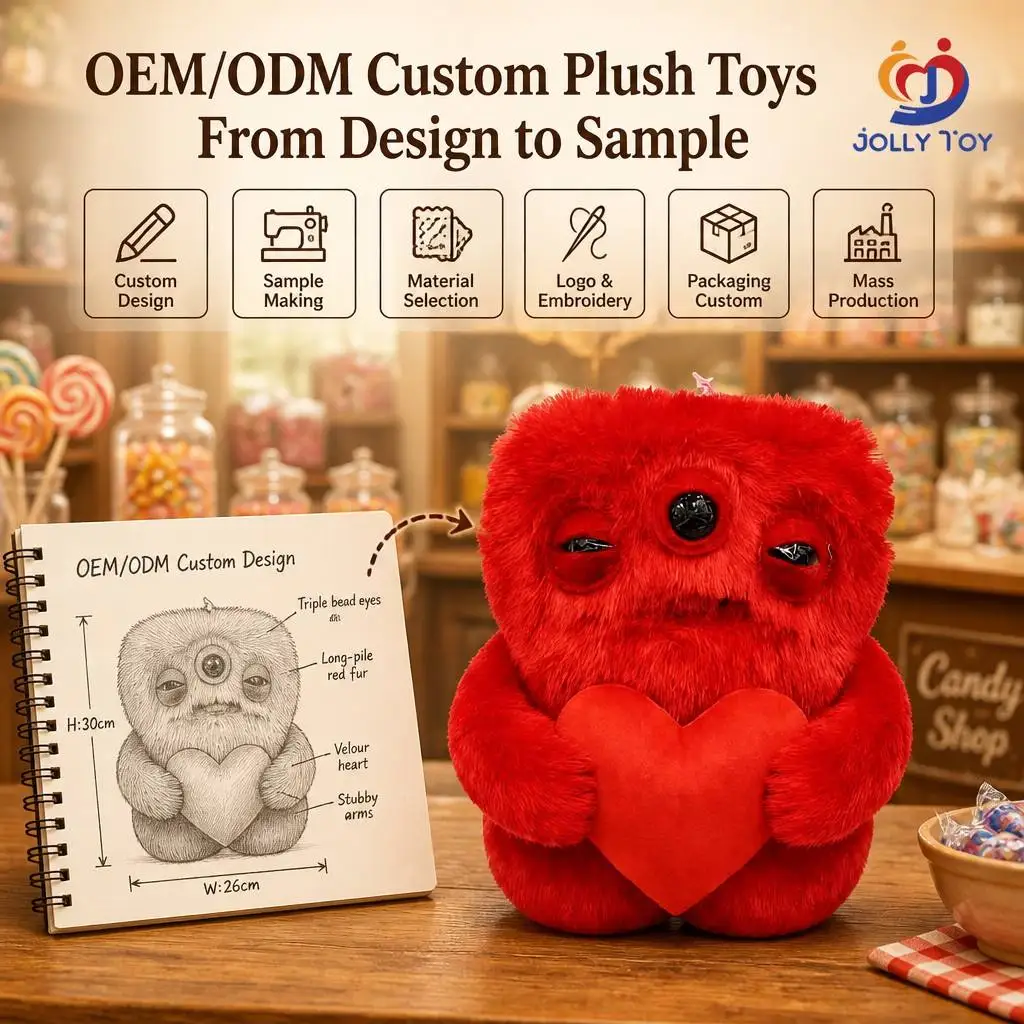
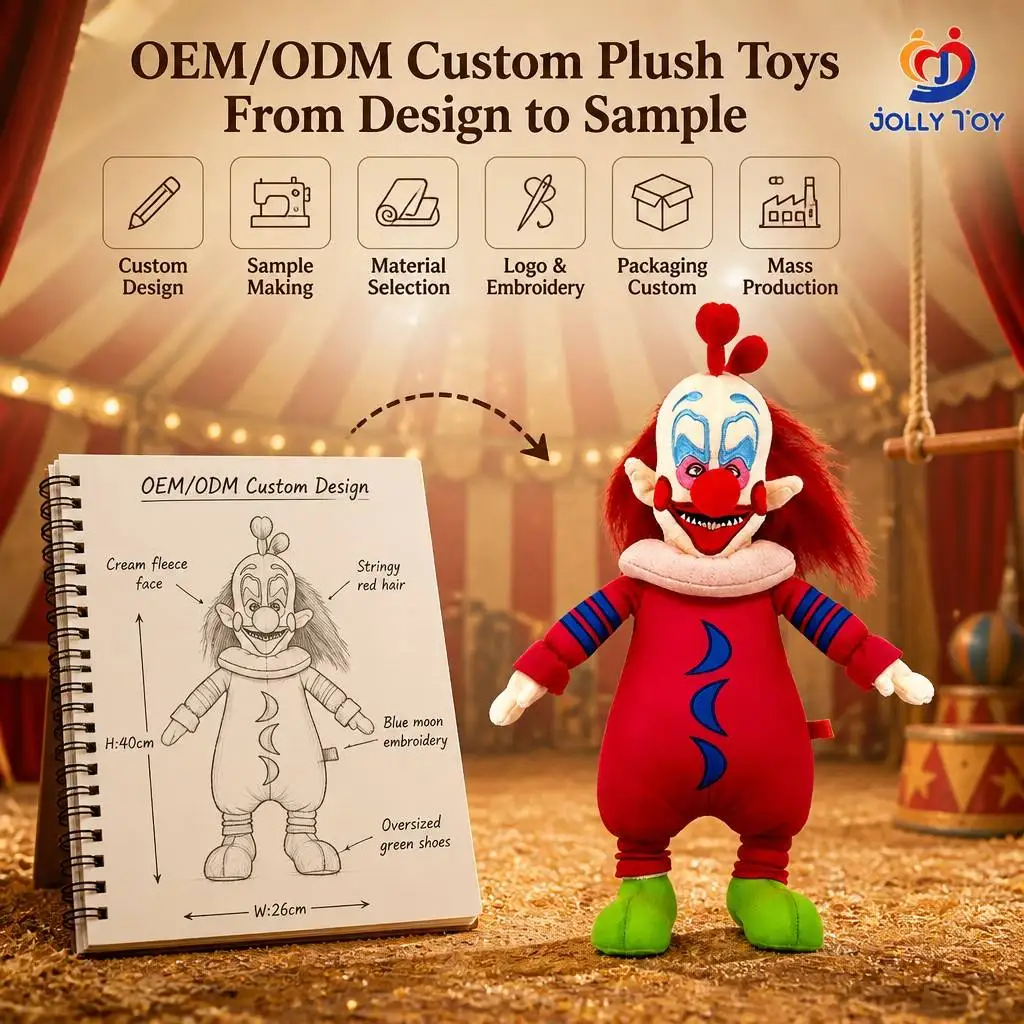
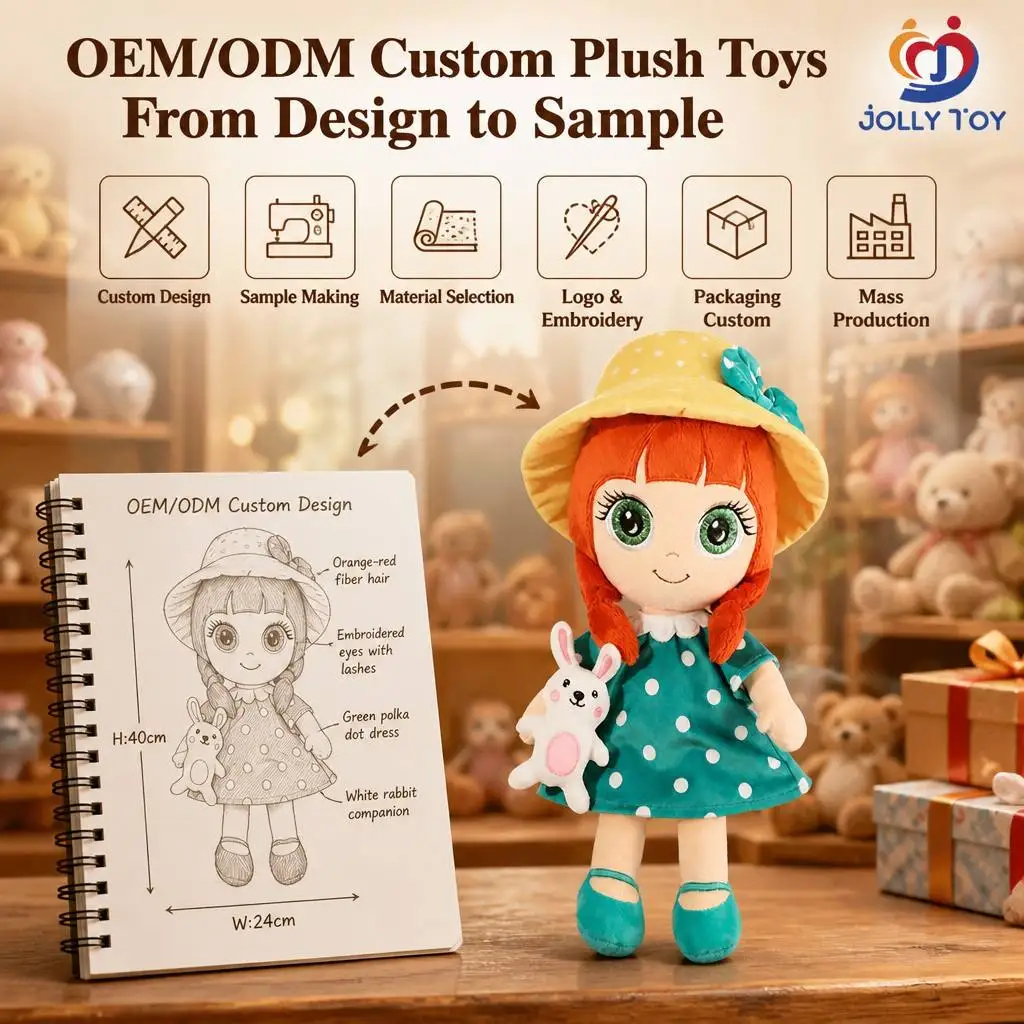
When considering wholesale distribution of baby dolls, it’s essential to understand the various factors that contribute to quality and appeal. Baby dolls are not just toys; they play vital roles in child development, emotional bonding, and imaginative play. For B2B buyers such as purchasing managers and distributors, this article aims to address key concerns regarding quality, specifications, sourcing, market suitability, and applications for a plush doll, helping you make informed purchasing decisions.
Selecting quality baby dolls for wholesale distribution involves evaluating several factors. First and foremost, consider the materials used in the dolls. High-quality dolls are often made from non-toxic, durable materials that can withstand regular use. Look for options that are free from harmful substances, as certifications like ICTI, Sedex, and BSCI can provide assurance of compliance with safety and ethical standards. Another critical aspect is craftsmanship. Inspect the stitching, seams, and overall construction to ensure durability. Dolls should be able to endure playtime wear and tear without losing their form or posing safety risks. Additionally, features such as washable fabrics and secure components can enhance the product’s appeal to parents and caregivers. Finally, consider the design and functionality of the cute crochet doll. Features such as lifelike appearances, realistic accessories, or interactive elements can significantly enhance their marketability. These aspects not only attract children's attention but also cater to the preferences of parents looking for educational and engaging toys.
When evaluating baby dolls for your inventory, there are several key specifications to consider:
Dimensions: The size of the dolls can impact their usability and appeal. Ensure the dimensions are suitable for the targeted age group and provide ease of handling for children
Weight: The weight should be manageable for young children. Lightweight dolls are easier for toddlers to carry and manipulate during play
Materials: As mentioned earlier, the materials must be safe, durable, and easy to clean. Common materials include plush fabric for soft dolls and plastic for more interactive options. Consider the children's sensitivity to different materials, ensuring that any fabric used is hypoallergenic
Safety Features: Look for features such as safety eyes (not easily detached), secure stitching, and the absence of small parts that could pose choking hazards
Customization: If your market demands personalized options, ensure that the supplier can accommodate custom designs, colors, or features
By carefully evaluating these specifications, you can select baby dolls that align with your customers' expectations and regulatory requirements.
Finding reliable suppliers for bulk orders of baby dolls involves thorough research and verification. Start by leveraging industry networks and trade shows, which provide opportunities to meet manufacturers in person and assess their products firsthand. Online platforms that specialize in B2B transactions can also be valuable. Look for suppliers that have a proven track record, positive reviews, and relevant certifications such as ICTI, Sedex, and BSCI, which indicate adherence to safety and ethical practices. Additionally, consider reaching out to industry associations or trade groups that may offer recommendations for reputable manufacturers. Once you have a list of potential suppliers, request samples to evaluate the quality and craftsmanship of their products before committing to larger orders.
Determining which type of baby doll is best for your market involves understanding customer preferences and market trends. Research current consumer demands, such as the popularity of eco-friendly toys or dolls that promote inclusivity and diversity. For example, if your target audience values sustainability, consider sourcing dolls made from organic or recyclable materials. On the other hand, if your market is inclined towards educational toys, look for dolls that facilitate imaginative play or come with interactive features that engage children in storytelling. Furthermore, assess the price points acceptable for your customer base. This involves balancing quality with affordability. A higher-quality blind box doll may yield better sales in a market that prioritizes safety and durability, while a lower-cost option could be more suitable for budget-conscious consumers.
Baby dolls have versatile applications across different retail settings, which can influence purchasing decisions. In specialty toy stores, dolls that emphasize craftsmanship and unique features may attract customers looking for premium products. These retailers often focus on the educational aspects of toys, making it essential to highlight the developmental benefits of the dolls you offer. In department stores or mass retailers, the emphasis might be on affordability and variety. Here, bulk orders of popular, lower-cost baby dolls can cater to a broader audience. Ensure that your supply chain can handle the required production capacity to meet high-volume demands in these environments. Additionally, consider e-commerce platforms, where detailed product descriptions and high-quality images can enhance sales. Providing additional content, such as videos demonstrating the doll's features or customer testimonials, can further increase consumer trust and drive purchases. In summary, understanding the application of baby dolls in various retail settings will inform your purchasing strategy and help align your offerings with market needs.

 EN
EN
 AR
AR
 CS
CS
 DA
DA
 NL
NL
 FI
FI
 FR
FR
 DE
DE
 EL
EL
 IT
IT
 JA
JA
 KO
KO
 NO
NO
 PL
PL
 PT
PT
 RU
RU
 ES
ES
 SV
SV
 IW
IW
 UK
UK
 TR
TR
 AF
AF
 GA
GA
 IS
IS
 LA
LA