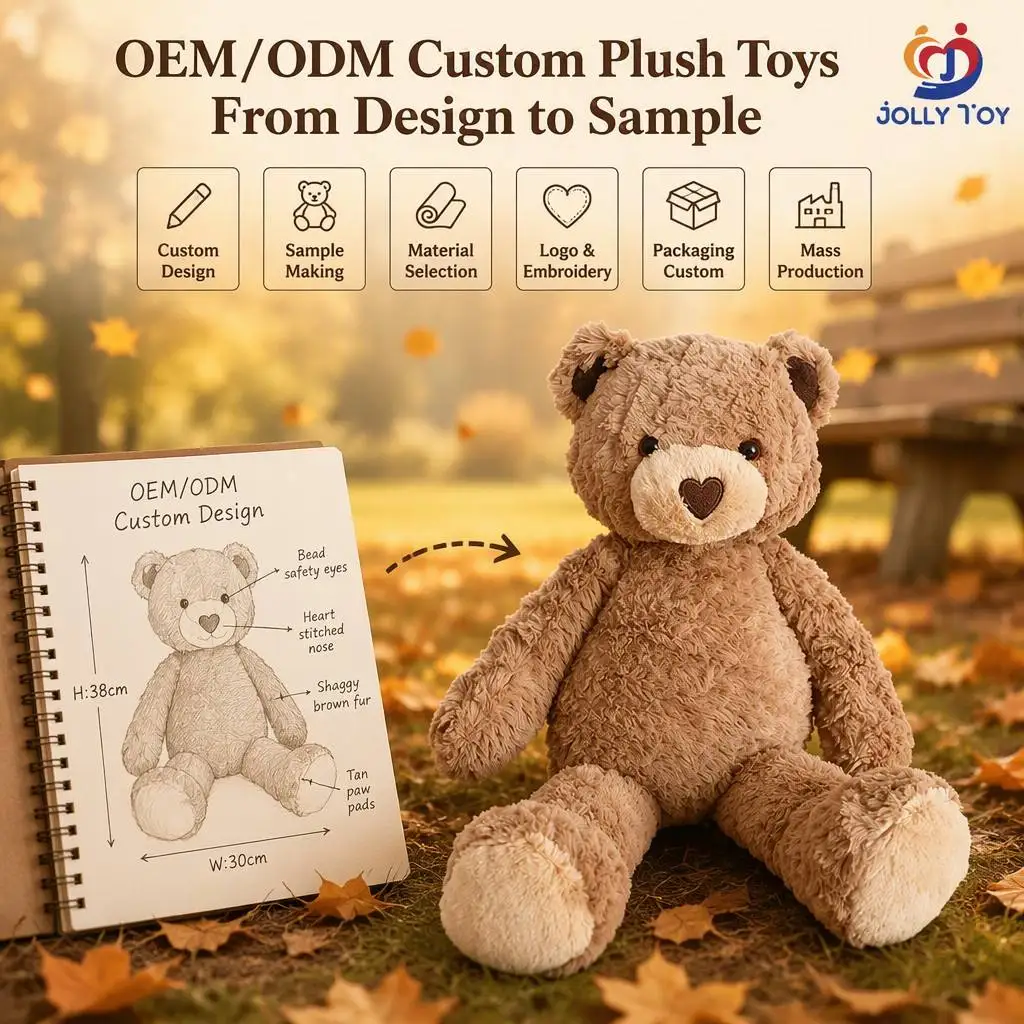
Custom cat stuffed animals are a popular choice for businesses looking to create unique promotional items, gifts, or merchandise. These plush toys can be tailored to fit specific branding needs, making them an appealing option for companies in various sectors. When considering a supplier for custom cat stuffed animals, buyers often have concerns regarding quality, customization capabilities, production timelines, and pricing. This article aims to provide insights into selecting the right custom plush cat for your business, sourcing suppliers, and resolving common challenges.
When selecting custom cat stuffed animals for wholesale, several key factors should be taken into account:
Material Selection: The choice of material affects the toy's durability, safety, and overall appeal. Common materials include polyester, cotton, and eco-friendly options. Ensure that the materials used comply with safety regulations and are suitable for your target audience
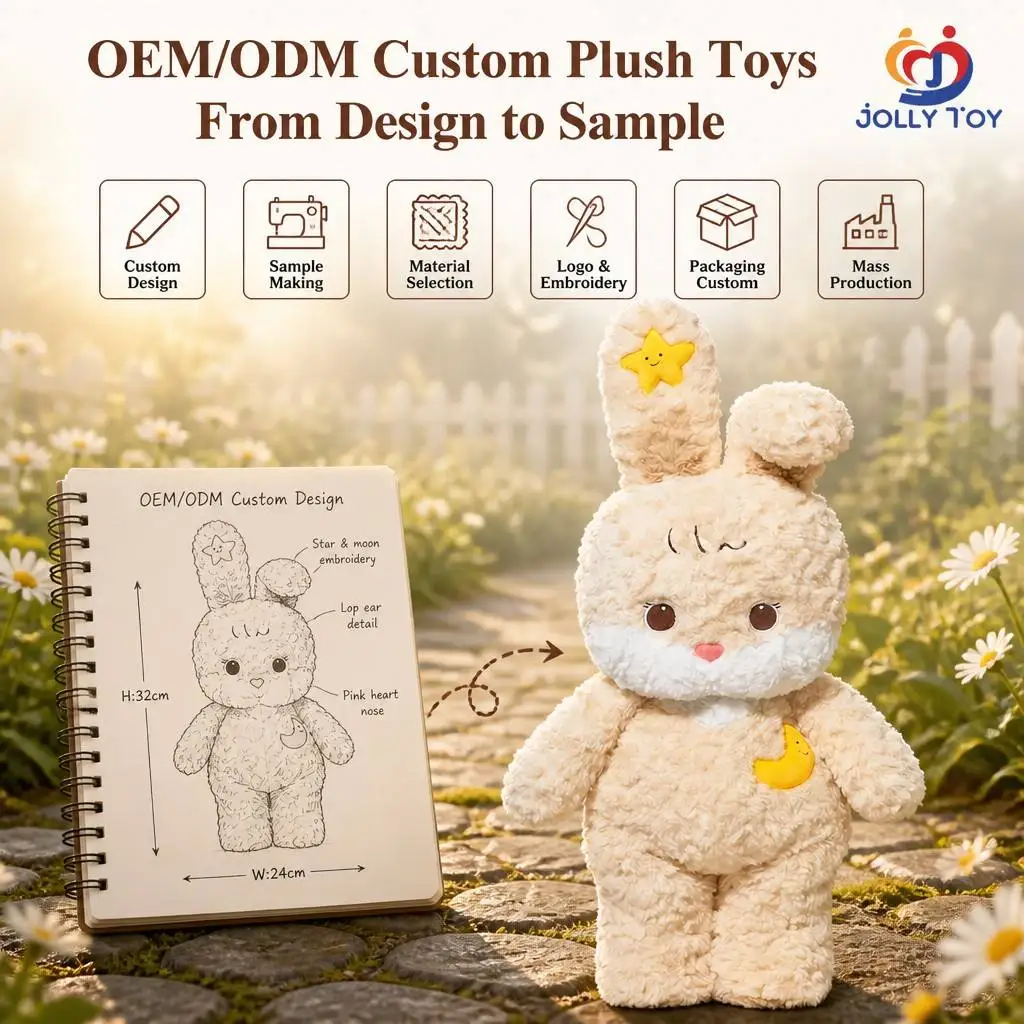
Customization Options: Assess the range of customization options available. This includes colors, sizes, and the ability to add logos or specific features, such as embroidered names. A manufacturer with extensive customization capabilities can help you create a product that aligns closely with your brand identity
Production Capacity and Lead Time: Understanding the supplier's production capacity is crucial. With an annual production capacity of 800,000 pieces, a reliable cute stuffed animals manufacturer can meet large orders with consistent quality. Additionally, inquire about lead times to ensure your products can be delivered when needed
Quality Assurance: Look for suppliers that implement strict quality control processes. Certifications such as ICTI, Sedex, and BSCI can indicate adherence to ethical manufacturing practices and product safety standards
Minimum Order Quantity (MOQ): Determine the MOQ that the supplier requires. This can impact your budget and inventory management, particularly for smaller businesses or those new to the market.
Custom cat stuffed animals can serve various purposes for businesses, from promotional giveaways to retail merchandise. For instance, companies in the pet industry can use these plush toys to enhance branding and customer engagement
When designing custom cat stuffed animals, consider the following aspects:
Target Audience: Understanding who your audience is will guide the design and features of the stuffed animals. For example, if the target market includes children, safety features such as non-toxic materials and securely stitched parts are essential
Brand Messaging: The design can reflect your brand’s personality. Using colors and designs that resonate with your brand can help create a stronger connection with your audience
Packaging: Thoughtful packaging can enhance the overall presentation of your custom cat stuffed animals. Consider eco-friendly packaging solutions that align with modern consumer preferences
Marketing Strategies: Think about how you will promote these custom products. Unique merchandising strategies, such as bundling them with other products or creating limited editions, can drive sales and increase visibility.
Finding reliable suppliers for custom cat stuffed animals involves thorough research and evaluation. Here are some strategies to identify trustworthy manufacturers:
Industry Directories and Trade Shows: Utilize industry directories or attend trade shows to connect with potential suppliers. This face-to-face interaction can provide valuable insights into their capabilities and product offerings
Online Reviews and Testimonials: Investigate the supplier's reputation through online reviews and testimonials. Feedback from previous customers can help assess the quality of their products and services
Certifications and Compliance: Verify that the suppliers have the necessary certifications that ensure their products meet safety and quality standards. This can include compliance with international safety regulations
Samples and Prototypes: Request samples to evaluate the quality of the stuffed animals before placing a bulk order. This step is crucial for assessing material quality, craftsmanship, and overall appeal
Clear Communication: Ensure that potential suppliers are responsive and transparent in their communication. A reliable personalized stuffed animals should be willing to answer your questions and provide detailed information about their manufacturing processes.
While sourcing custom cat stuffed animals, buyers may encounter several common issues. Here are some potential challenges and their solutions:
Quality Inconsistencies: Variations in quality can arise due to different production batches. To mitigate this, implement a robust quality assurance process where samples from each batch are tested for consistency before mass production
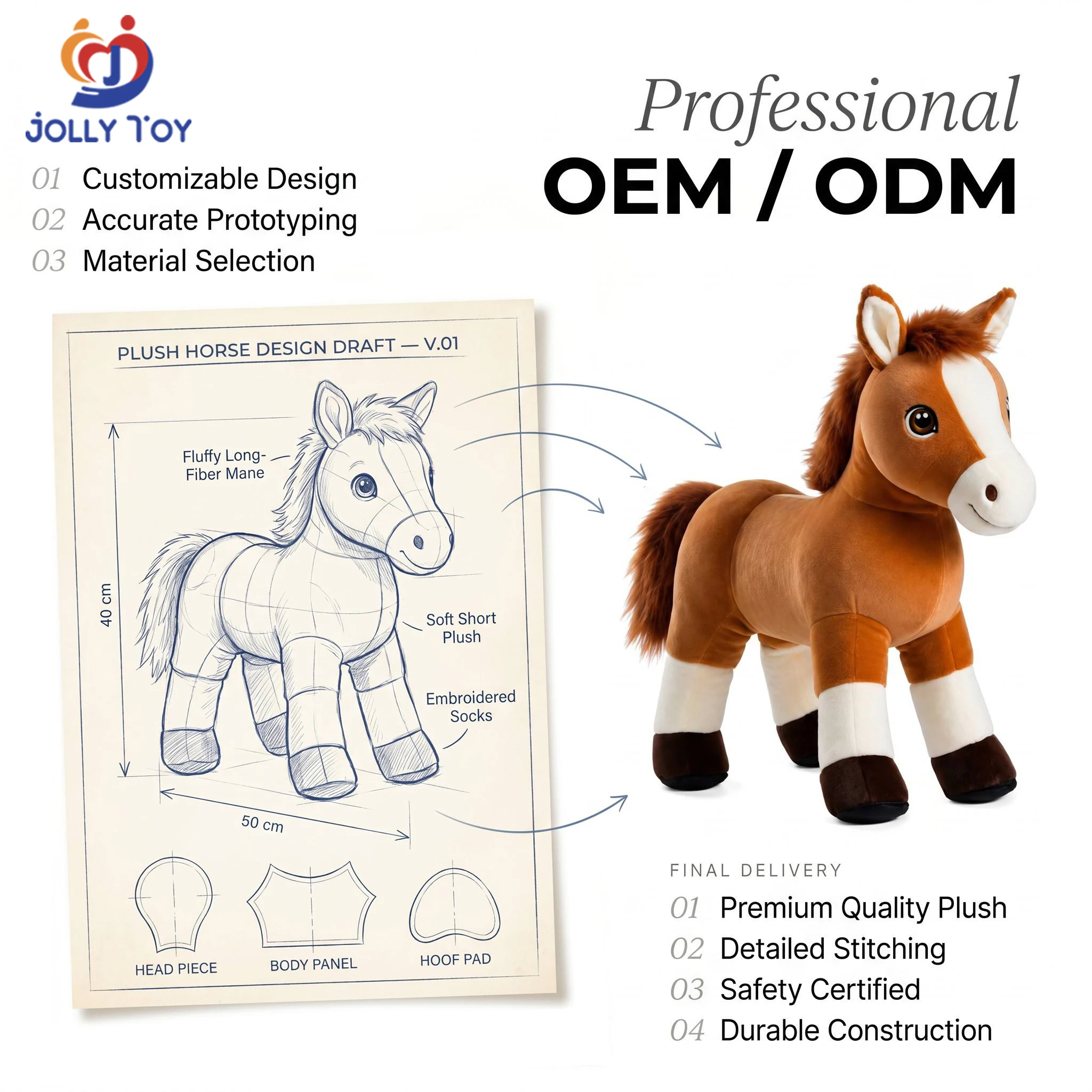
Design Miscommunication: Misunderstandings regarding design specifications can lead to unsatisfactory products. Clearly communicate your design requirements and confirm them with the supplier through detailed technical drawings or prototypes
Long Lead Times: Suppliers may face delays due to high demand or production issues. Discuss lead times upfront and consider establishing a buffer in your production schedule to accommodate potential delays
Safety Compliance Issues: Ensure that the materials used in the production of stuffed animals meet safety standards. Request documentation and test reports related to material safety to avoid any compliance issues
Limited Customization Options: Some suppliers may not offer extensive customization, limiting your branding efforts. Seek manufacturers known for their flexibility in customization to achieve a product that truly reflects your brand.
Custom cat stuffed animals find applications across multiple industries, serving various purposes:
Retail: In retail settings, these plush toys can be sold as merchandise, appealing to pet lovers and children alike. They can also be used as part of promotional campaigns to boost sales
Corporate Gifts: Businesses can use custom cat stuffed animals as promotional items or corporate gifts to enhance brand loyalty and customer relationships. They serve as memorable tokens that recipients are likely to keep
Fundraising and Charities: Non-profit organizations can use custom cat stuffed animals in fundraising efforts, offering them as incentives for donations or as part of awareness campaigns
Education: Educational institutions can incorporate these plush toys into learning activities, particularly for younger students, making lessons more engaging and interactive
Event Marketing: Custom cat stuffed animals can be utilized at trade shows or events, serving as eye-catching giveaways that draw attention to your booth or company
Custom cat stuffed animals are versatile products that can significantly benefit businesses across various sectors. By carefully considering the factors outlined, you can make informed purchasing decisions that align with your branding and operational needs.

 EN
 AR
 CS
 DA
 NL
 FI
 FR
 DE
 EL
 IT
 JA
 KO
 NO
 PL
 PT
 RU
 ES
 SV
 IW
 UK
 TR
 AF
 GA
 IS
 LA