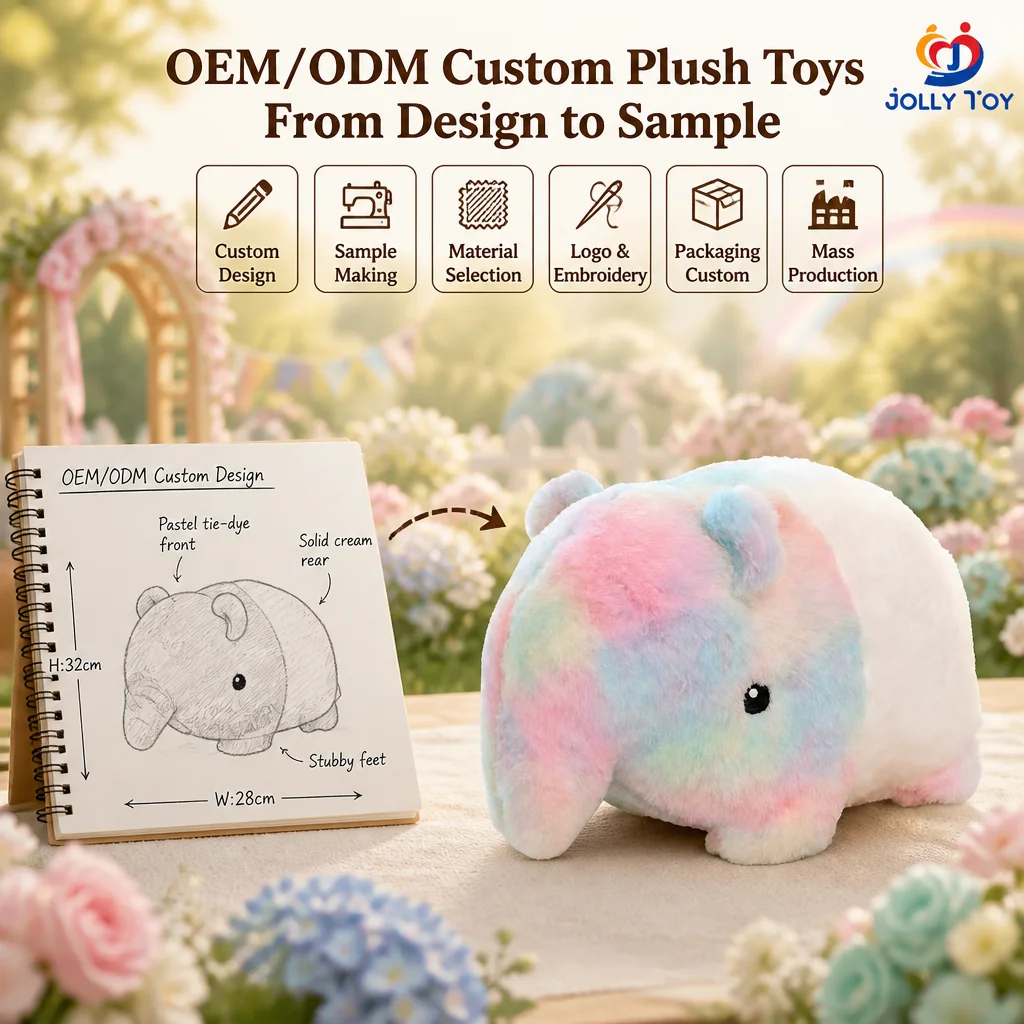
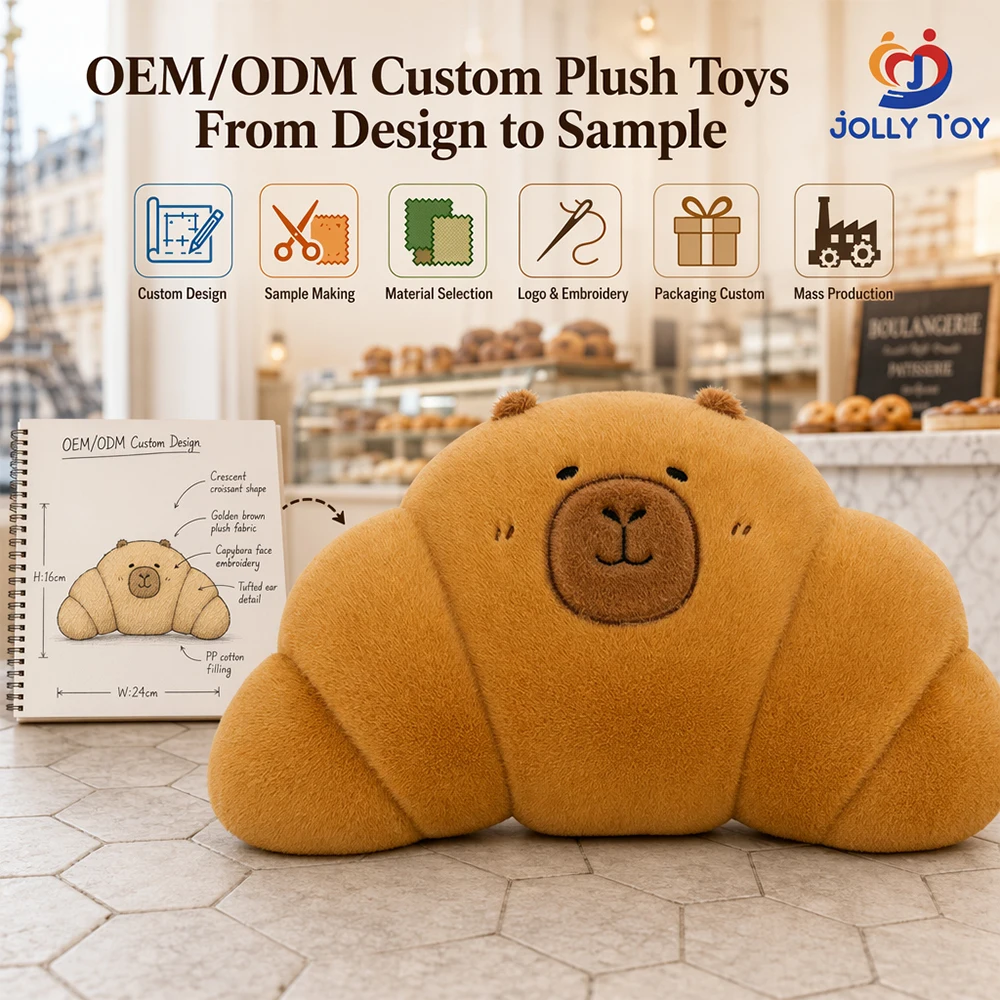
Large stuffed animals are not just plush toys; they represent a significant opportunity for businesses in various sectors, including retail, event planning, and promotions. As a B2B buyer, your primary concerns likely revolve around selecting the right products, ensuring quality, understanding specifications, and evaluating costs. This article will guide you through crucial considerations for making informed wholesale purchases of personalized plush animals, helping you navigate the complexities of product selection and supplier evaluation.
When selecting Jolly Toy large stuffed animals for wholesale, consider several factors that align with your target market and business needs. Start by identifying the intended use—whether for retail, promotional events, or as part of a themed attraction. Understanding your audience's preferences will help narrow down choices.
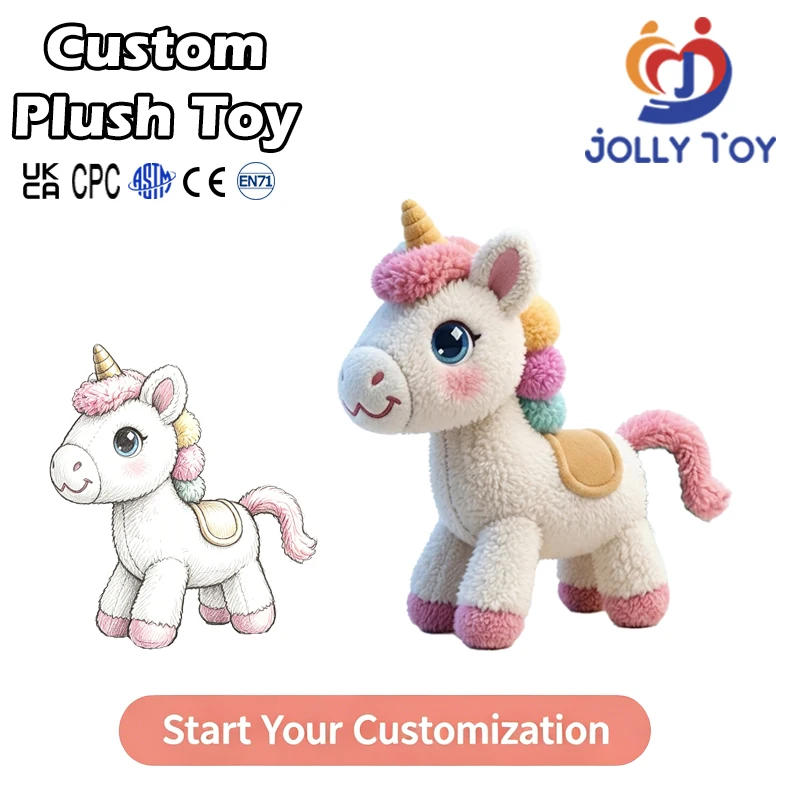
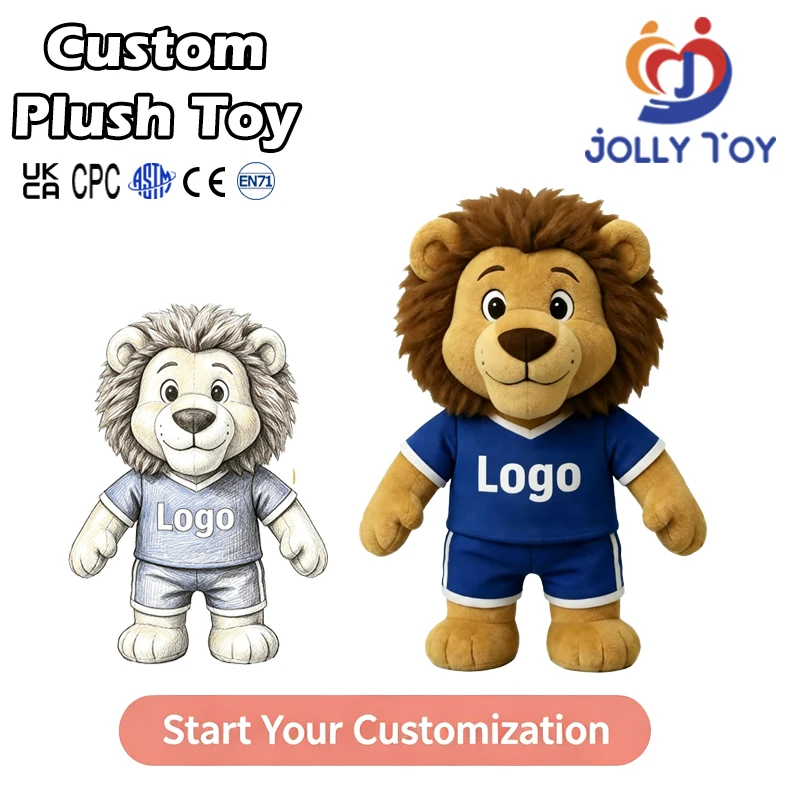
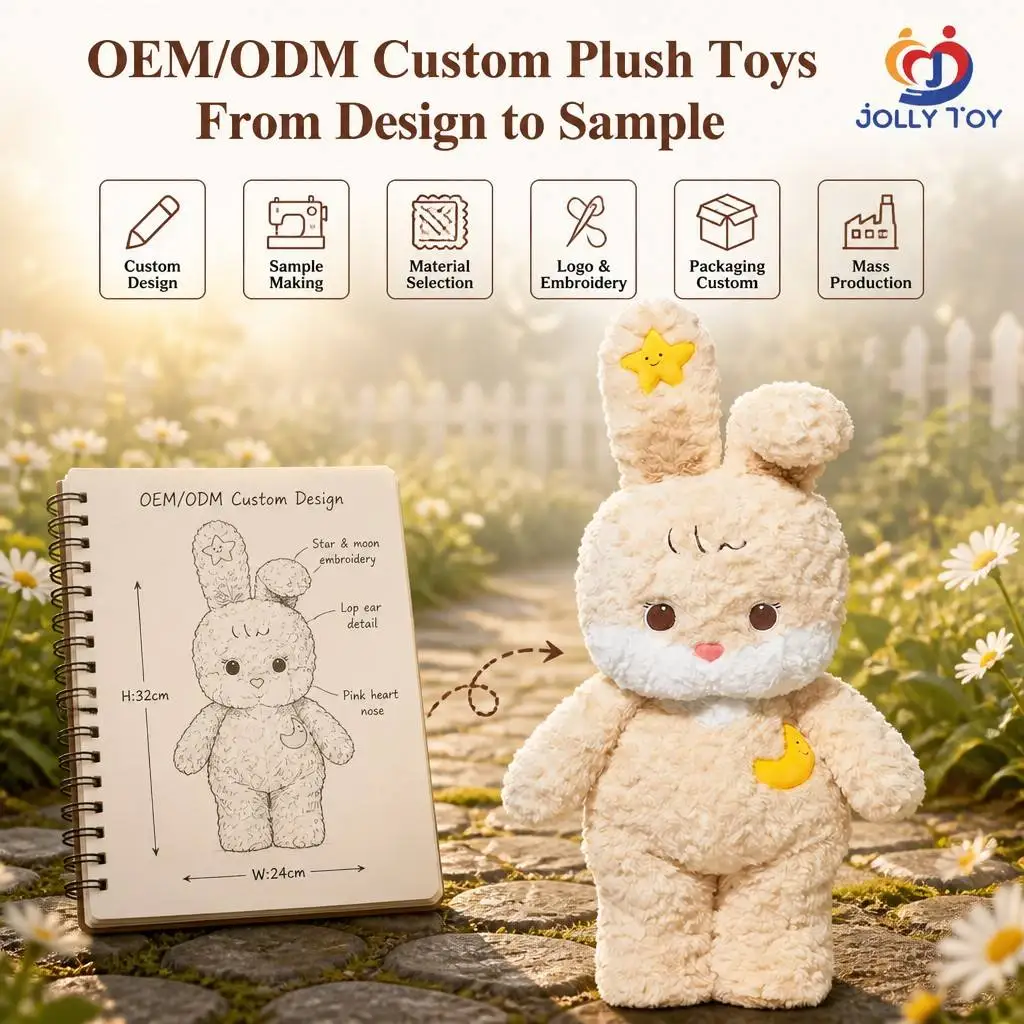
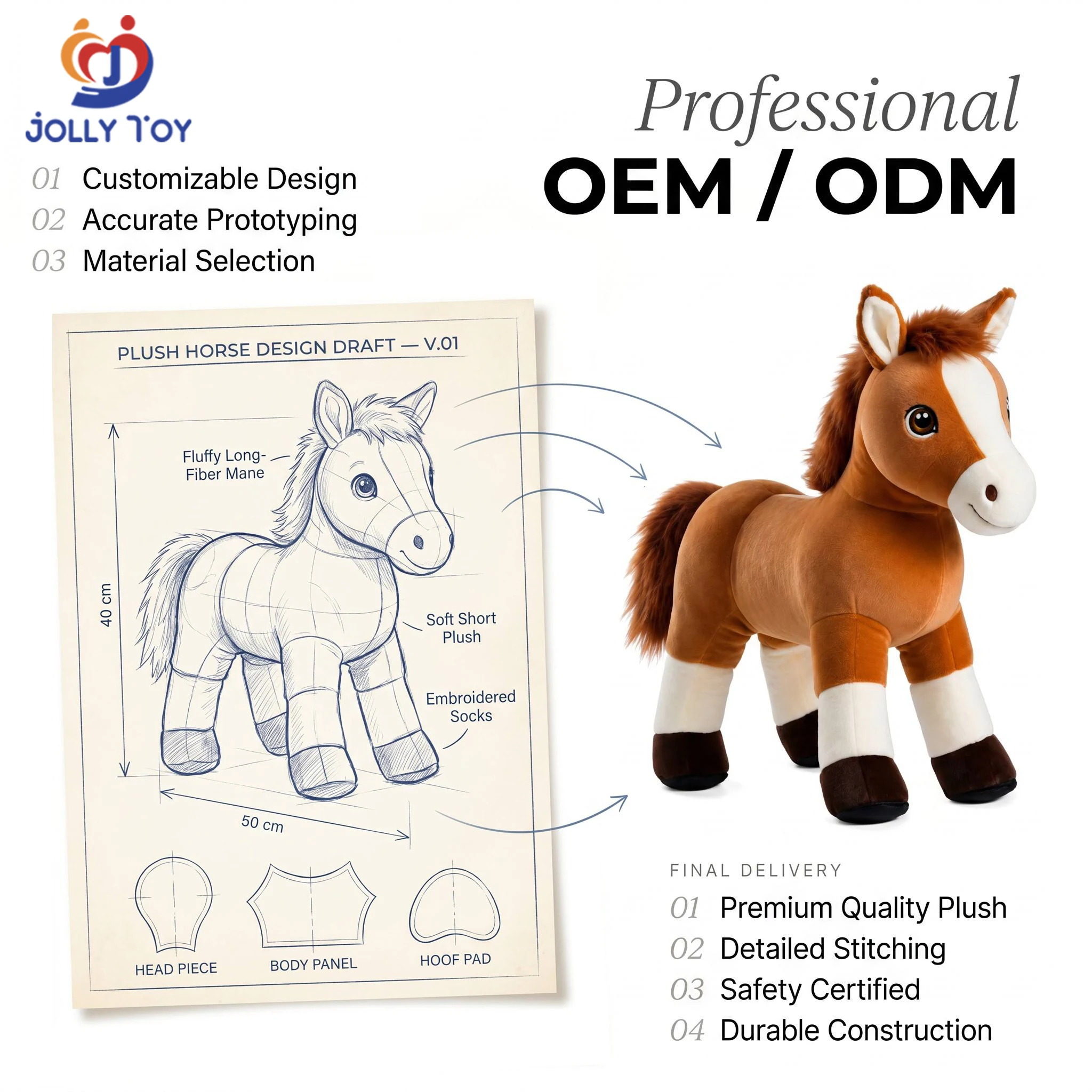
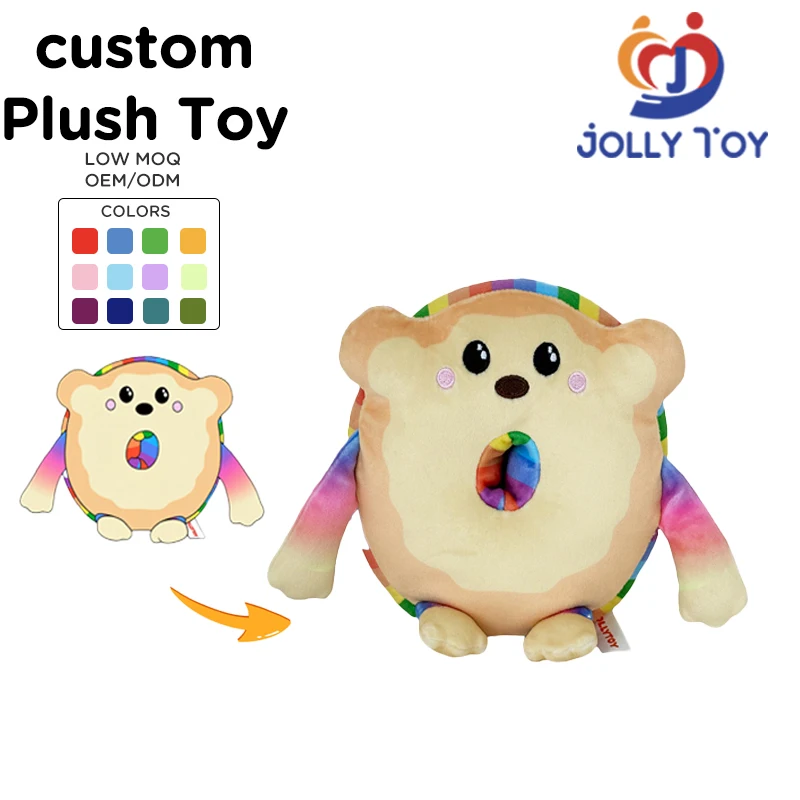
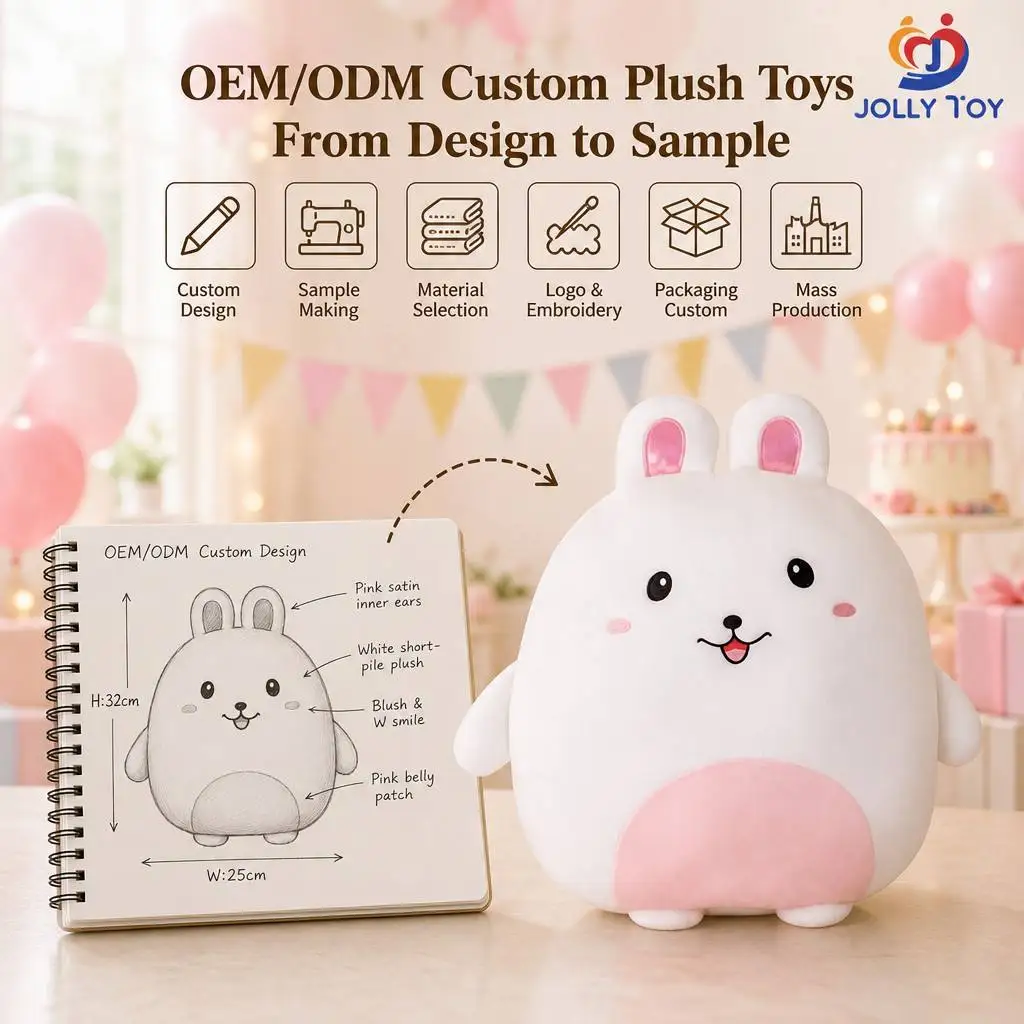
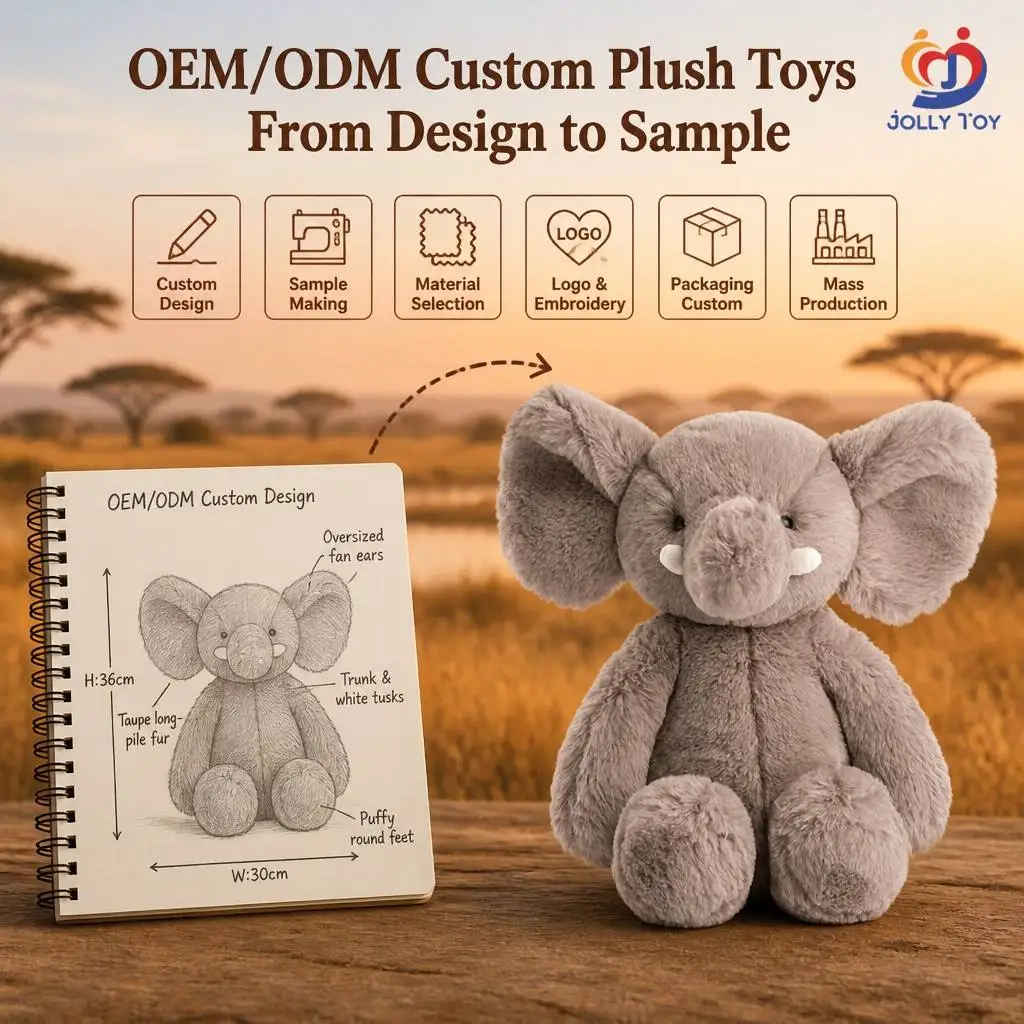
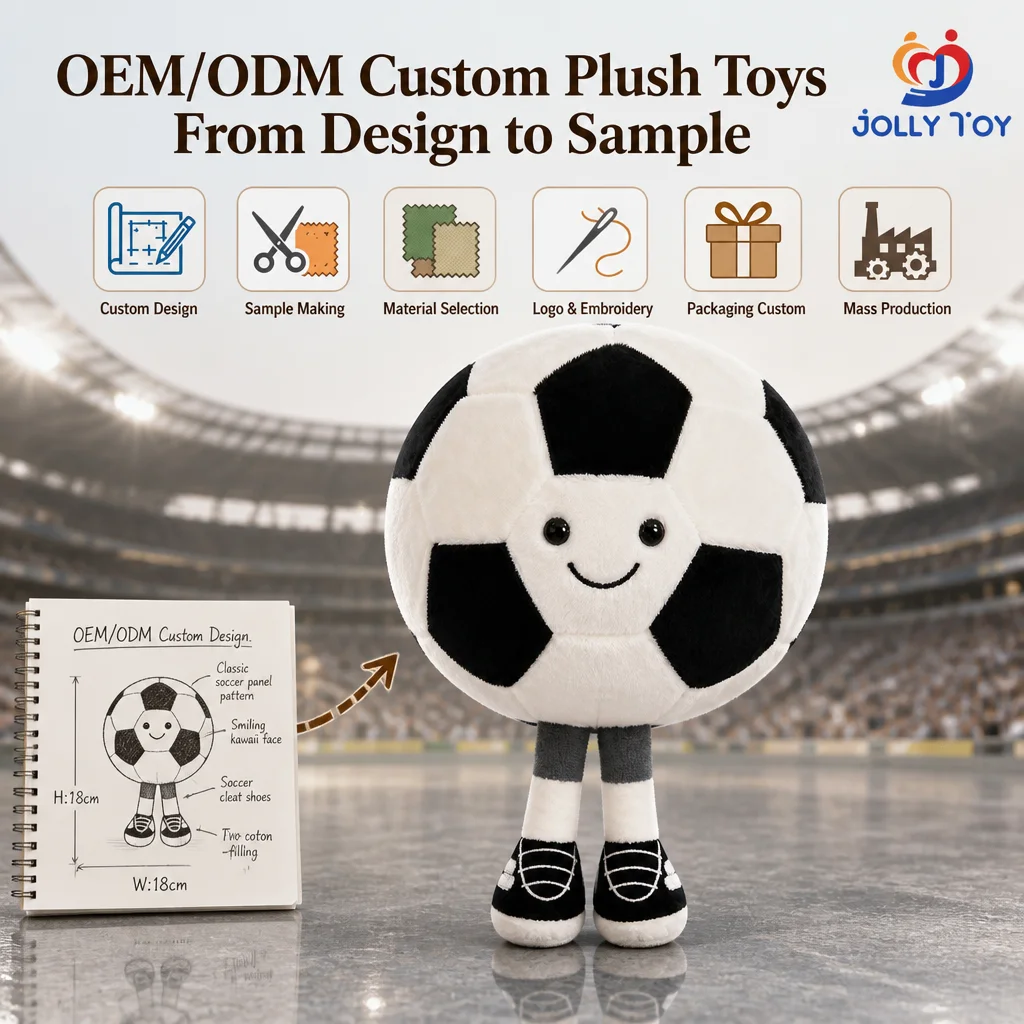
Next, assess the variety of designs available. Large stuffed animals can range from generic animals to custom designs that align with specific branding or themes. Customization options, such as embroidered logos or unique sizes, can enhance the appeal of your products. Ensure your supplier offers flexibility in this area, as it can differentiate your offerings in a competitive market.
Finally, consider the materials used in production. High-quality, durable materials ensure that the personalized stuffed toy can withstand wear and tear, particularly if they are intended for children or high-traffic environments. Look for suppliers who provide samples, allowing you to evaluate the feel and durability before placing bulk orders.
Quality is paramount when dealing with Jolly Toy large stuffed animals, especially for distributors who need to ensure that products meet safety and durability standards. Start by examining the certifications held by the manufacturer. Certifications such as ICTI, Sedex, and BSCI indicate adherence to ethical manufacturing practices and safety regulations, which can impact your brand’s reputation.
Next, evaluate the manufacturing process. A supplier with advanced machinery and a robust quality control process can produce more consistent and reliable products. Inquire about their inspection methods, such as testing for material safety and durability. A trustworthy supplier should be transparent about their quality assurance practices.
Finally, compare product specifications. Key factors to consider include stitching quality, material type, and overall size. High-quality stitching prevents seams from coming apart, while the choice of filling material affects the plushness and longevity of the product. A thorough inspection of samples is crucial to ensure that the products meet your quality standards.
Specifications are critical in ensuring that the large stuffed animals meet your requirements. Key specifications to focus on include dimensions, weight, and material composition. For instance, the size of the stuffed animal can affect shipping costs and display options, so confirm that the dimensions align with your intended application.
Material selection is equally important. Common materials include polyester for the outer fabric and foam or polyester filling. Each material has implications for softness, durability, and safety. If the giant stuffed animals are intended for children, verify that all materials are non-toxic and comply with safety regulations.
Additionally, consider customization capabilities. If you require specific colors, designs, or branding, communicate these needs to your supplier early in the process. Understanding the production capabilities and limitations of your supplier can help avoid delays in fulfilling your orders.
Cost evaluation is essential when planning purchases of large stuffed animals. The unit price can vary significantly based on materials, design complexity, and order quantity. Generally, larger orders qualify for bulk pricing, which can lead to substantial savings. However, ensure that the lower price does not compromise the product’s quality.
Shipping costs should also be factored into your budget. Large stuffed animals can be bulky and may incur higher shipping fees. Discuss logistics with your supplier to understand potential shipping costs and lead times based on your delivery location.
Another consideration is lead time. Some manufacturers may have long production times, especially for customized orders. Clarifying production timelines upfront can prevent delays in project execution. Always ask for a detailed quote that includes all potential costs to avoid unexpected expenses.
Jolly Toy Large stuffed animals find applications across multiple industries, each with unique requirements. In the retail sector, they are popular for creating engaging displays and promotions. Retailers often use plush toys as incentives for purchases or in loyalty programs, making them a strategic investment.
In the entertainment sector, large stuffed animals are frequently used in theme parks, carnivals, and events. They serve as attractions that enhance visitor experiences and can be used for branding opportunities. If your business operates in this space, consider how the designs can align with the themes of your events or attractions.
Lastly, the educational sector utilizes large stuffed animals for teaching purposes, particularly in early childhood education. They can be used in storytelling, role-playing, and as comfort items for children. Understanding the specific needs of these applications can help you better communicate with suppliers and make informed purchasing decisions.
By focusing on these critical aspects when purchasing large stuffed animals, you can ensure that your selections meet both your business objectives and customer expectations.

 EN
EN
 AR
AR
 CS
CS
 DA
DA
 NL
NL
 FI
FI
 FR
FR
 DE
DE
 EL
EL
 IT
IT
 JA
JA
 KO
KO
 NO
NO
 PL
PL
 PT
PT
 RU
RU
 ES
ES
 SV
SV
 IW
IW
 UK
UK
 TR
TR
 AF
AF
 GA
GA
 IS
IS
 LA
LA