
 EN
EN
 AR
AR
 CS
CS
 DA
DA
 NL
NL
 FI
FI
 FR
FR
 DE
DE
 EL
EL
 IT
IT
 JA
JA
 KO
KO
 NO
NO
 PL
PL
 PT
PT
 RU
RU
 ES
ES
 SV
SV
 IW
IW
 UK
UK
 TR
TR
 AF
AF
 GA
GA
 IS
IS
 LA
LA
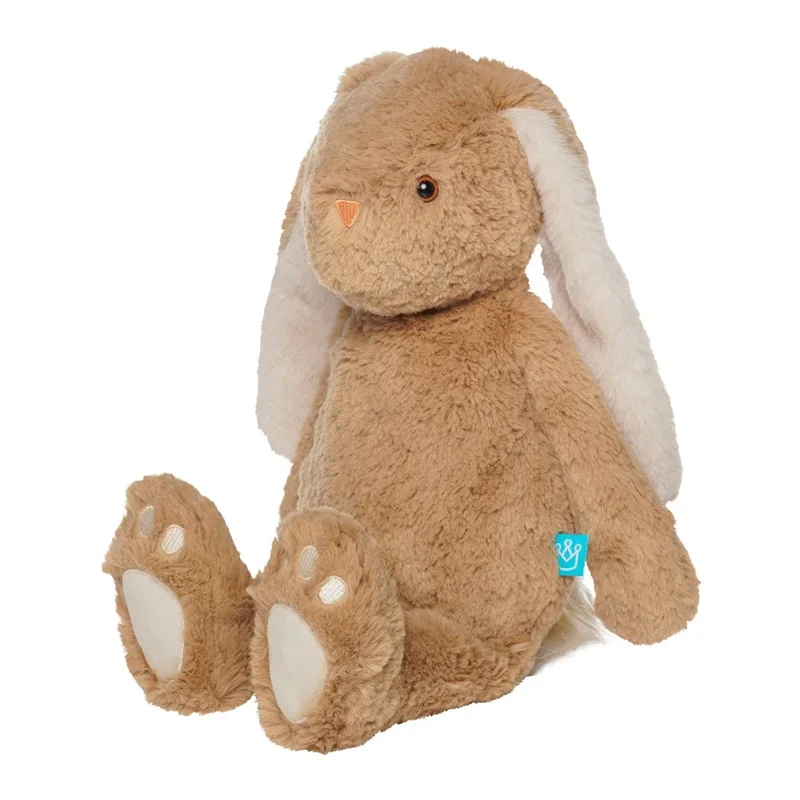
When looking to source wholesale stuffed animals, buyers must navigate a landscape filled with diverse options and varying quality levels. This ultimate sourcing guide for wholesale stuffed animal distributors will help purchasing managers, product managers, and other B2B buyers identify key specifications, locate reliable distributors, and understand material advantages. By addressing your primary concerns, such as product quality, supplier reliability, and application suitability, this guide will empower you to make informed purchasing decisions.
Specifications to Look for in Wholesale Stuffed Animal Products
When sourcing wholesale stuffed animals, it's essential to evaluate specific product specifications that impact quality and safety. Key specifications include:
Material Composition: The fabric used for the outer layer (e. g., polyester, cotton) affects durability and feel. Ensure the material complies with safety standards, particularly for children's toys.
Filling Type: Common fillings include polyester fiber, foam, or pellets. Each type has implications for softness, weight, and cost. Polyester fiber is popular for its light weight and plush feel, while pellets can add weight and give a unique tactile experience.
Size and Dimensions: Confirm the dimensions to ensure they meet your market's needs. Consider how the size affects packaging, shipping costs, and retail display.
Safety Certifications: Look for products that hold safety certifications such as ASTM or EN71, which indicate compliance with safety regulations. This is particularly vital for toys aimed at children.
Customization Options: Many manufacturers offer customization, from fabric colors to embroidered logos. Specify your requirements upfront to evaluate suppliers effectively.
Understanding these specifications allows buyers to assess the quality and suitability of stuffed animals for their target market.
Where to Find Reliable Wholesale Stuffed Animal Distributors
Identifying trustworthy wholesale personalized stuffed animals distributors is crucial for maintaining product quality and reliability. Here are several methods to find suppliers:
Industry Trade Shows: Attending trade shows focused on toys and children's products can help you meet manufacturers and distributors face-to-face. This interaction provides insight into their capabilities and product quality.
Online Marketplaces: Platforms like Alibaba and Global Sources feature numerous suppliers. Look for distributors with verified ratings and reviews to gauge their reliability.
Directories and Associations: Use industry directories or associations, like the Toy Industry Association, to find reputable manufacturers. Memberships often indicate a commitment to quality standards.
Networking: Leverage industry contacts or online forums to gain recommendations on reliable distributors. Existing relationships can provide insights into supplier performance and reliability.
By researching potential distributors through these channels, buyers can identify partners that align with their quality and service expectations.
Key Applications for Wholesale Stuffed Animals in Various Markets
Wholesale stuffed animals have a wide range of applications across different markets, making them versatile products for distributors. Key applications include:
Retail: Retail stores often use stuffed animals as core products, especially in children's sections. Seasonal promotions, such as holiday-themed plush toys, can drive significant sales.
Corporate Gifts: Many companies order custom stuffed animals for branding purposes. These can be used as giveaways at events or as promotional items, enhancing brand exposure.
Theme Parks and Attractions: Attractions frequently sell plush toys as souvenirs. Understanding the specific themes can help in designing products that appeal to visitors.
Educational Tools: Stuffed animals are used in educational settings to teach children about animals or emotions. Their tactile nature makes them effective tools for engagement.
Understanding the applications of stuffed animals helps buyers target their sourcing efforts effectively, aligning products with market demands.
How to Compare Different Suppliers for Wholesale Stuffed Animals
When evaluating multiple suppliers for wholesale high quality stuffed animals, consider the following criteria to make informed comparisons:
Price and Minimum Order Quantity (MOQ): Compare pricing structures and MOQs to find suppliers that fit your budget. Remember, the lowest price does not always correlate with the best quality.
Production Capacity: Assess the supplier’s production capabilities. A manufacturer with a capacity of 800,000 pieces annually can handle larger orders, ensuring timely deliveries.
Quality Control Processes: Inquire about the quality control measures in place. Suppliers should have rigorous inspection processes to ensure product conformity to specifications.
Lead Time: Understand the lead times for production and shipping. This will help in planning inventory and ensuring that products are available when needed.
Customer Service: Evaluate the responsiveness and support provided by the supplier. A supplier that communicates effectively can make the sourcing process smoother.
By systematically comparing these factors, buyers can identify suppliers that not only meet their product needs but also align with their operational requirements.
Material Advantages of Different Stuffed Animal Fabrics and Fillings
The choice of fabric and filling significantly impacts the performance and consumer appeal of stuffed animal puppets. Here’s an overview of common materials and their advantages:
Fabrics:
Polyester: Durable and resistant to fading, polyester is a common choice for plush toys. Its softness and ease of cleaning make it appealing for children's products.
Cotton: While more environmentally friendly, cotton may not be as durable as synthetic alternatives. However, it offers a natural feel and is hypoallergenic.
Velour: This plush fabric gives a luxurious feel, ideal for high-end products, but may require careful handling to maintain its appearance.
Fillings:
Polyester Fiber: This lightweight filling is popular for its plush feel and ability to retain shape. It is also machine washable, enhancing product longevity.
Foam: Offers added support and can be molded into various shapes. It is often used for larger stuffed animals.
Pellets: Adding pellets can enhance tactile experiences and weight distribution, making the toys feel more substantial and interactive.
Choosing the right materials not only affects the aesthetic appeal but also the safety, durability, and marketability of the stuffed animals. Buyers should align their material choices with their target audience's expectations and regulatory requirements.
Table of Contents
- Specifications to Look for in Wholesale Stuffed Animal Products
- Where to Find Reliable Wholesale Stuffed Animal Distributors
- Key Applications for Wholesale Stuffed Animals in Various Markets
- How to Compare Different Suppliers for Wholesale Stuffed Animals
- Material Advantages of Different Stuffed Animal Fabrics and Fillings

