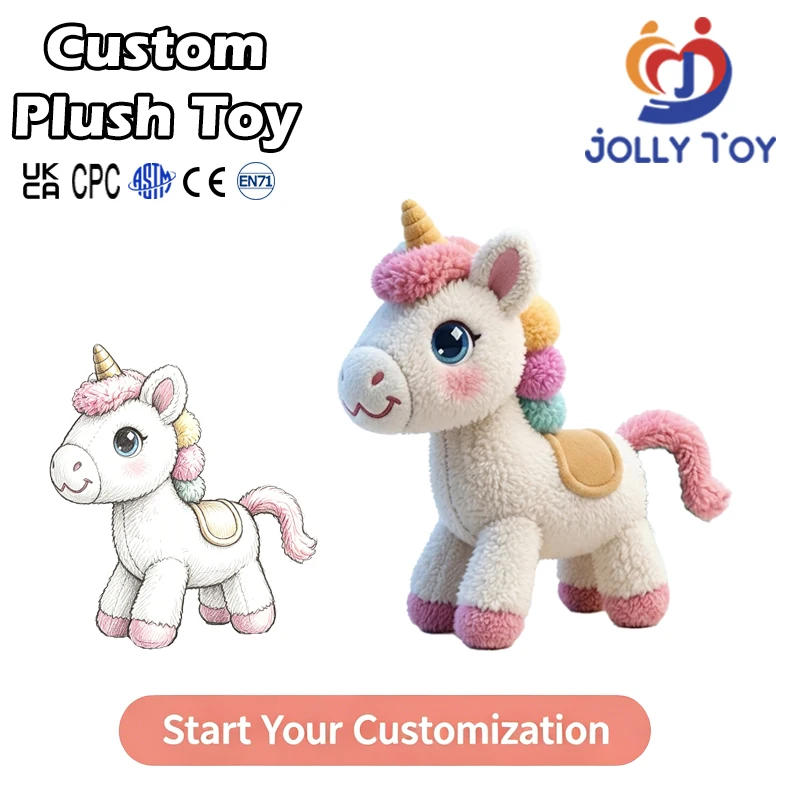
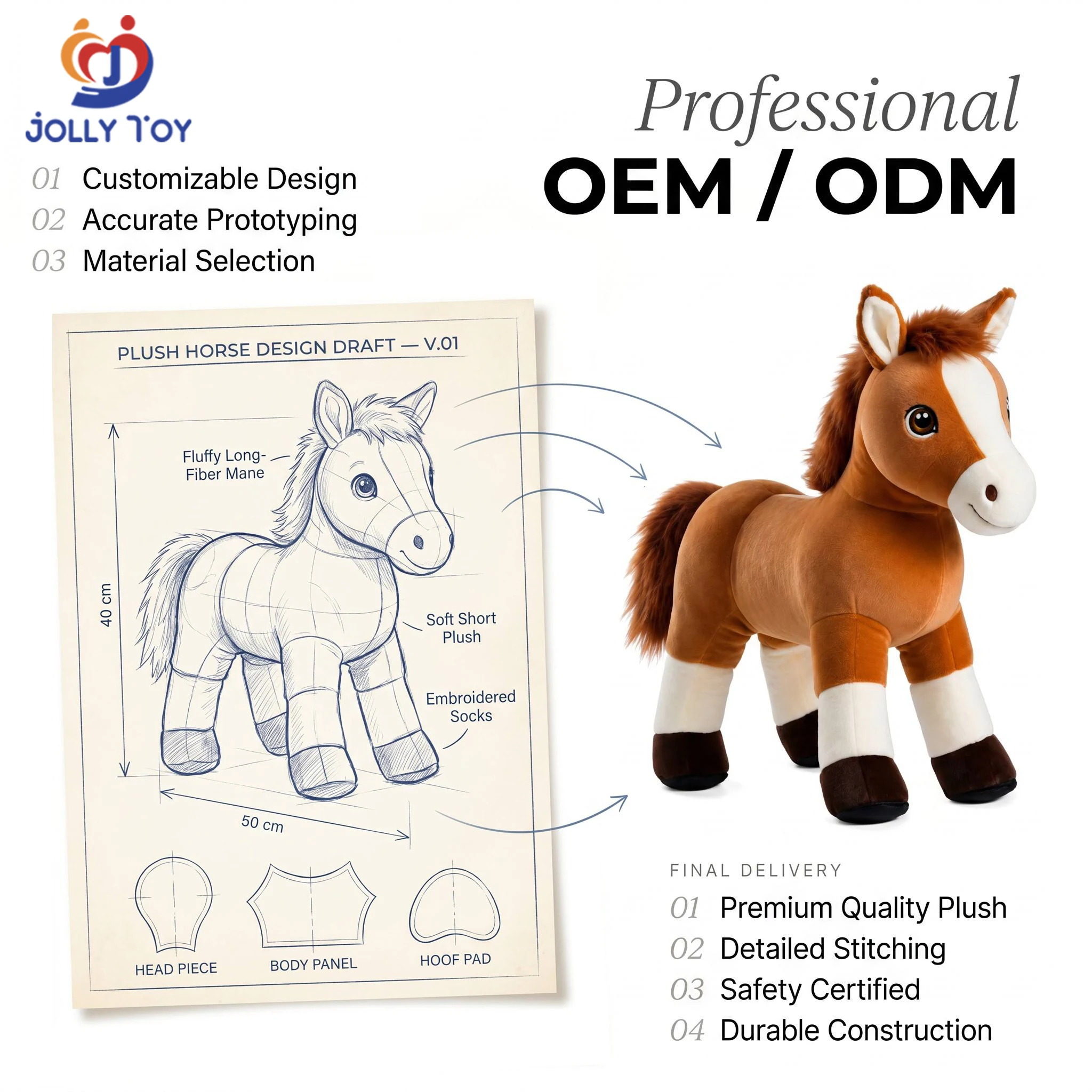
Custom horse stuffed animals are a popular choice for various applications, including promotional events, educational purposes, and as comforting companions for children. This article will explore how to select the right custom horse stuffed animal for your project, highlight key considerations for buyers, and address common issues and solutions in plush toy manufacturing. Additionally, we will discuss the factors influencing pricing and examine how custom personalized plush animals can be effectively utilized in educational settings.
When selecting a custom horse stuffed animal, it’s essential to consider the intended application and audience. Key factors to evaluate include size, material, safety standards, and design features. For example, if the stuffed animal is intended for young children, opting for non-toxic materials and ensuring compliance with safety regulations (such as EN71 or ASTM) is crucial. Customization options also play a significant role. Consider whether you need specific colors, features like embroidered names, or unique design elements. Providing detailed specifications when requesting a quotation can help manufacturers better meet your requirements. Additionally, reviewing samples before mass production is strongly recommended. This allows you to assess the quality of the materials, stitching, and overall finish, ensuring that the cute stuffed animals align with your expectations.
When evaluating custom horse stuffed toys, focus on several critical aspects:
Material Quality: The choice of fabric impacts both the look and feel of the stuffed animal. Common materials include plush polyester for softness and durability, while eco-friendly options such as organic cotton are increasingly popular. Select materials that fit your branding and target market
Manufacturing Capabilities: Understanding the manufacturer's production capabilities can affect lead times and order fulfillment. Ensure that your supplier can handle your order size, whether small or large. Our facility, for example, has an annual production capacity of 800,000 pieces, allowing us to meet varying demands efficiently
Safety Standards and Compliance: Verify that the manufacturer adheres to relevant safety standards and holds necessary certifications, such as ICTI, Sedex, or BSCI. Compliance with these standards not only ensures the safety of the toys but also reflects the manufacturer's commitment to ethical production practices
Customization Options: Many manufacturers offer various customization features, from color choices to the inclusion of personalized tags or packaging. Assess how flexible the manufacturer is in meeting your specific needs.
Buyers often encounter several common issues when sourcing plush toys, including quality inconsistencies, material defects, and safety compliance challenges. Here are effective solutions to mitigate these problems:
Quality Control: Implementing a robust quality control process is essential. Before mass production, request samples that accurately represent the final product. Conduct thorough inspections, including checking stitching quality, material integrity, and safety compliance
Communication with Suppliers: Clear communication with your supplier about your expectations can prevent misunderstandings. Provide them with detailed specifications and encourage them to share insights on manufacturing capabilities and potential limitations
Testing for Safety Compliance: Ensure that all materials used meet safety standards relevant to your market. Testing samples for safety compliance before full production can save time and resources in the long run.
The pricing of custom horse stuffed animals can vary based on several factors:
Material Selection: The choice of materials significantly influences cost. Premium or eco-friendly fabrics typically come at a higher price point than standard options
Customization Complexity: More intricate designs, such as those requiring extensive embroidery or unique features, will increase production costs. Be clear about your design requirements when obtaining quotes to ensure accurate pricing
Order Quantity: Manufacturers often provide tiered pricing based on order volume. Larger orders may benefit from reduced per-unit costs, so assess your needs carefully
Production Timeframes: Expedited production may incur additional charges. If you have a flexible timeline, discuss standard lead times with your manufacturer to manage costs effectively
Shipping and Packaging: Consider the costs associated with packaging and shipping, especially if you require custom packaging solutions. Some manufacturers may offer bundled pricing that includes these services
Custom horse stuffed animals can serve various educational purposes, from teaching empathy and care to being used as tools for storytelling and engagement in the classroom. Here are a few applications:
Therapeutic Use: In educational environments, giant stuffed animals can help children express emotions and develop social skills. They can be used in role-playing scenarios to teach compassion and responsibility
Promotional Tools: Schools and educational organizations can use custom horse stuffed animals as promotional items to enhance school spirit or fund-raise. These toys can be branded with school colors and logos, making them attractive to students and parents alike
Classroom Learning Aids: Incorporating stuffed animals into lesson plans can make learning more interactive. Teachers can use them to illustrate concepts in subjects such as biology (eg., discussing animal characteristics) or literature - eg., storytelling
Choosing the right custom horse stuffed animal involves careful consideration of materials, design, and production capabilities. By understanding the common challenges and cost factors, you can make informed decisions that align with your project goals. Whether used for therapeutic purposes or as educational tools, these plush companions offer numerous benefits that enhance learning and engagement.

 EN
EN
 AR
AR
 CS
CS
 DA
DA
 NL
NL
 FI
FI
 FR
FR
 DE
DE
 EL
EL
 IT
IT
 JA
JA
 KO
KO
 NO
NO
 PL
PL
 PT
PT
 RU
RU
 ES
ES
 SV
SV
 IW
IW
 UK
UK
 TR
TR
 AF
AF
 GA
GA
 IS
IS
 LA
LA