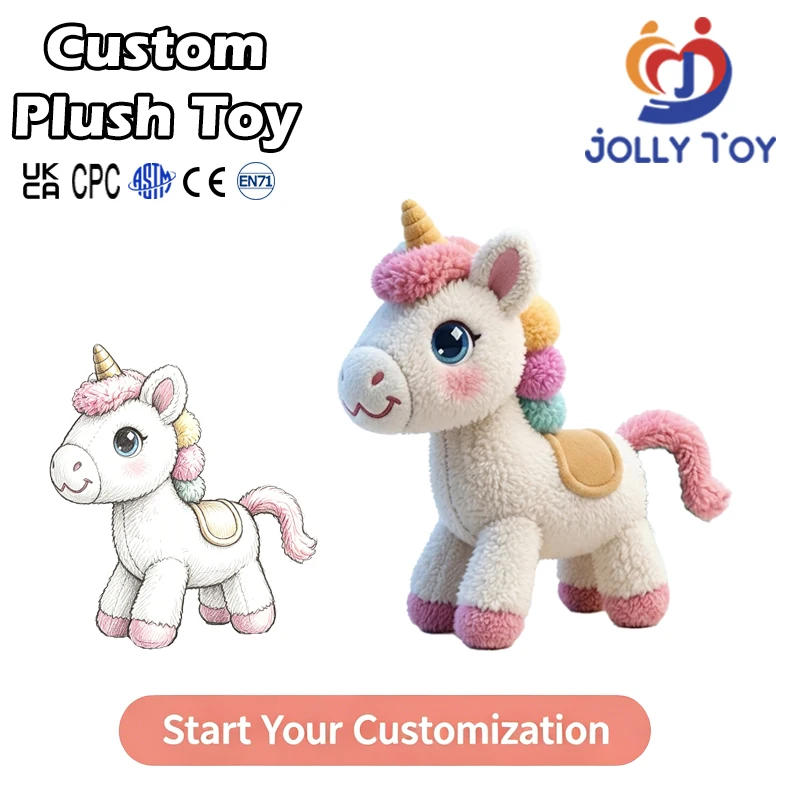
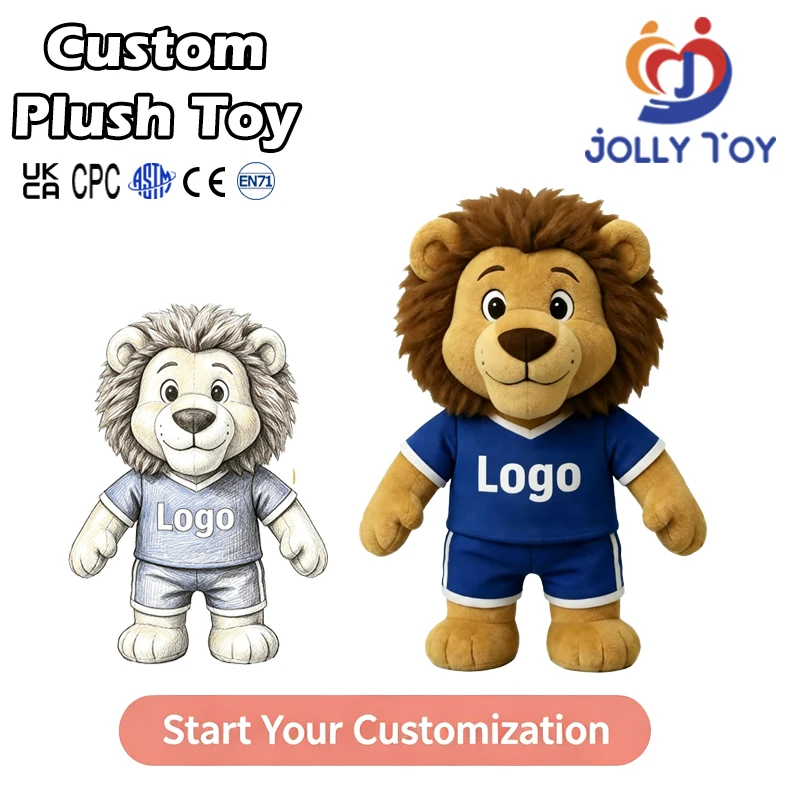
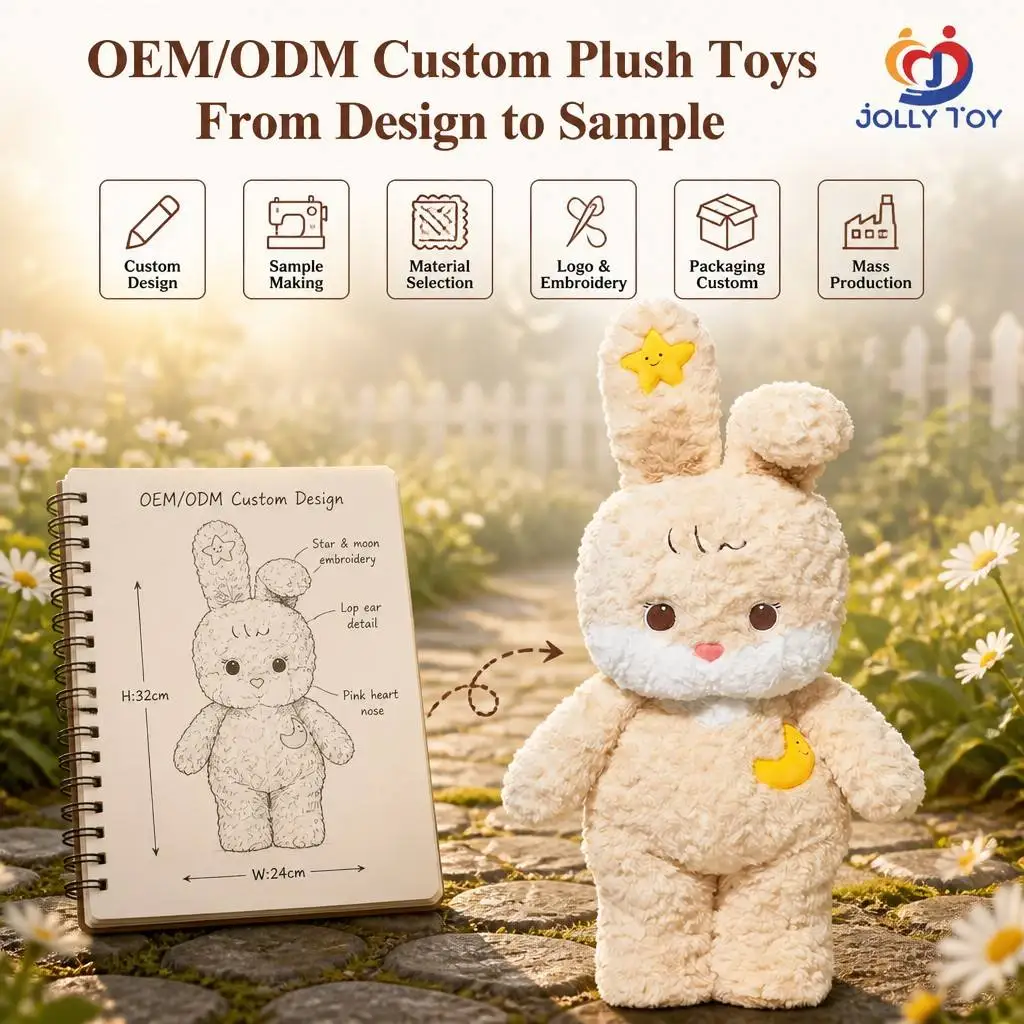
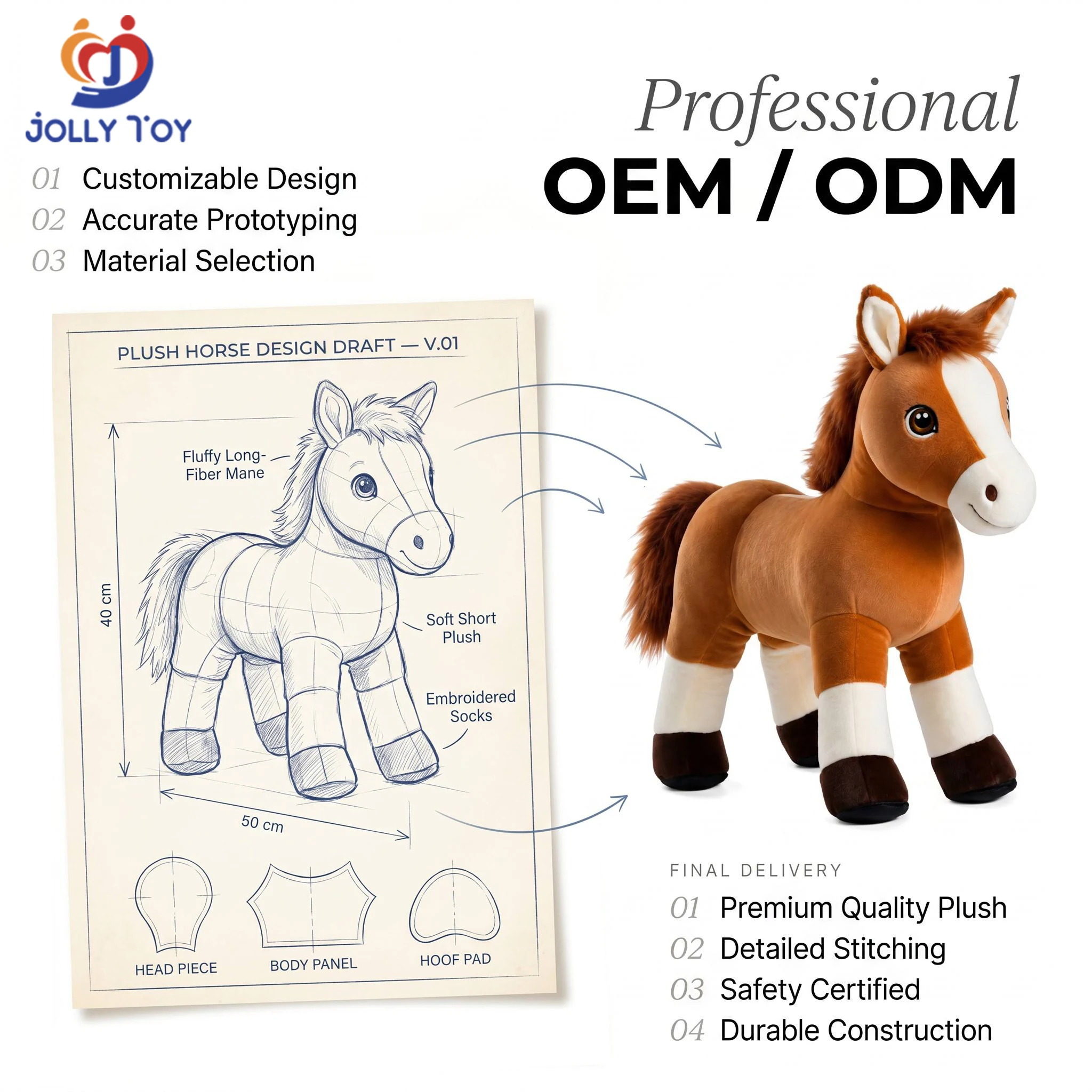
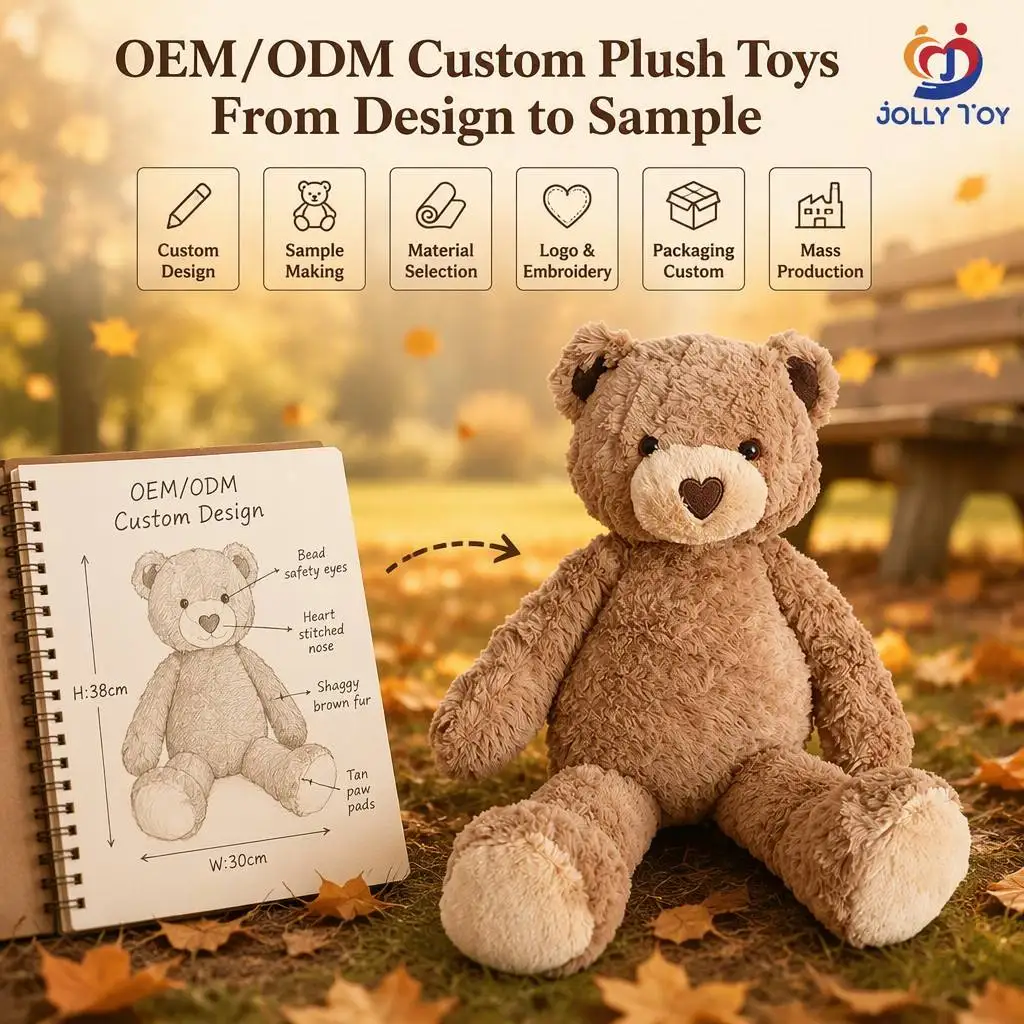
Custom plush stuffed animals are a versatile product that many businesses leverage for branding, promotional items, and retail sales. As a manufacturer with over 10 years of experience in producing plush toys, we understand the concerns of B2B buyers regarding quality, cost, and application suitability. This article aims to provide valuable insights on evaluating, ordering, and utilizing custom plush stuffed animals, helping you make informed purchasing decisions.
When assessing the quality of custom plush stuffed animals, several factors should be considered. First, the materials used in production are crucial. Plush toys are typically made from polyester or cotton fabrics, which can vary in softness, durability, and Colorfastness. Buyers should inquire about the specific fabric types and their compliance with safety standards, especially for toys intended for children. Next, examine the manufacturing processes. Our facility employs advanced machinery for sewing, cutting, and embroidery, which helps ensure that the finished products meet high-quality standards. It’s advisable to request product samples before placing a bulk order. This allows you to inspect the stitching, seams, and overall craftsmanship, ensuring that the toys not only look good but also withstand regular use. Lastly, certifications such as ICTI, Sedex, and BSCI indicate that the personalized stuffed animals manufacturer adheres to ethical production standards, which can be an important consideration for many buyers. Confirming these certifications can provide peace of mind regarding labor practices and product safety.
Pricing for custom plush stuffed animals can vary based on several key factors. One of the primary considerations is the complexity of the design. Custom shapes, intricate embroidery, and additional features can increase production costs. Materials also play a significant role; higher quality fabrics may incur higher unit costs but can enhance the perceived value of the product. Another aspect affecting pricing is the order quantity. Many manufacturers, including ourselves, have a minimum order quantity (MOQ) that can influence the overall cost. Generally, larger orders benefit from economies of scale, reducing the cost per unit. It's essential to weigh your budget against the desired quality and quantity to find the best balance. Additionally, consider shipping and handling costs, which can significantly impact the final price. Depending on your location and the manufacturer, freight charges can vary, so it's advisable to factor these into your budget early in the purchasing process.
Ordering custom plush stuffed animals can present several challenges. One common issue is miscommunication regarding design specifications. To mitigate this, it’s crucial to provide clear technical drawings or artwork and to confirm these details with the manufacturer before production begins. This ensures that everyone is on the same page regarding dimensions, colors, and design elements. Another potential problem is production delays. Factors such as material sourcing, machine availability, and labor issues can affect timelines. To avoid unexpected delays, establish a clear timeline with the manufacturer and include buffer time for unexpected circumstances. Quality control is also a vital consideration. Before mass production, request a finished sample and conduct thorough inspections. Look for any defects in stitching, material consistency, and overall appearance. Addressing these concerns upfront can save time and costs associated with returns or rework.
Custom plush stuffed animals serve multiple applications across various industries. In the retail sector, they can be effective promotional items that enhance brand visibility. Retailers often use them to attract customers, especially in sectors targeting families and children. In the healthcare industry, plush toys can provide comfort to young patients, making them popular items for hospitals and clinics. These toys can even be used as educational tools, teaching children about health and wellness in a friendly manner. Moreover, businesses often use plush toys for corporate gifts or marketing campaigns. The personalized plush animals designs that incorporate company logos or mascots can foster brand loyalty and engagement among clients and employees alike. Understanding the specific application can help buyers select the right design and quality that aligns with their goals.
When displaying custom plush stuffed animals in retail environments, proper installation and presentation are key to attracting customer interest. Ensure that the display area is visually appealing, with adequate lighting to highlight the plush toys. Utilizing shelves, stands, or dedicated display units can enhance visibility. Consider the arrangement of the plush toys. Grouping them by size, color, or theme can create a cohesive look that draws attention. It's also beneficial to position them at child-friendly heights to encourage interaction from younger customers. Additionally, consider incorporating signage that explains the features or story behind the plush toys. This can engage potential buyers and provide context for the products, enhancing their appeal. Regularly updating displays and rotating stock can also keep the presentation fresh and enticing for repeat visitors. By understanding these facets of custom plush stuffed animals, B2B buyers can make informed decisions that align with their operational needs and customer expectations. Whether for retail, promotional use, or other applications, the right planning and execution can maximize the value of these products.

 EN
EN
 AR
AR
 CS
CS
 DA
DA
 NL
NL
 FI
FI
 FR
FR
 DE
DE
 EL
EL
 IT
IT
 JA
JA
 KO
KO
 NO
NO
 PL
PL
 PT
PT
 RU
RU
 ES
ES
 SV
SV
 IW
IW
 UK
UK
 TR
TR
 AF
AF
 GA
GA
 IS
IS
 LA
LA