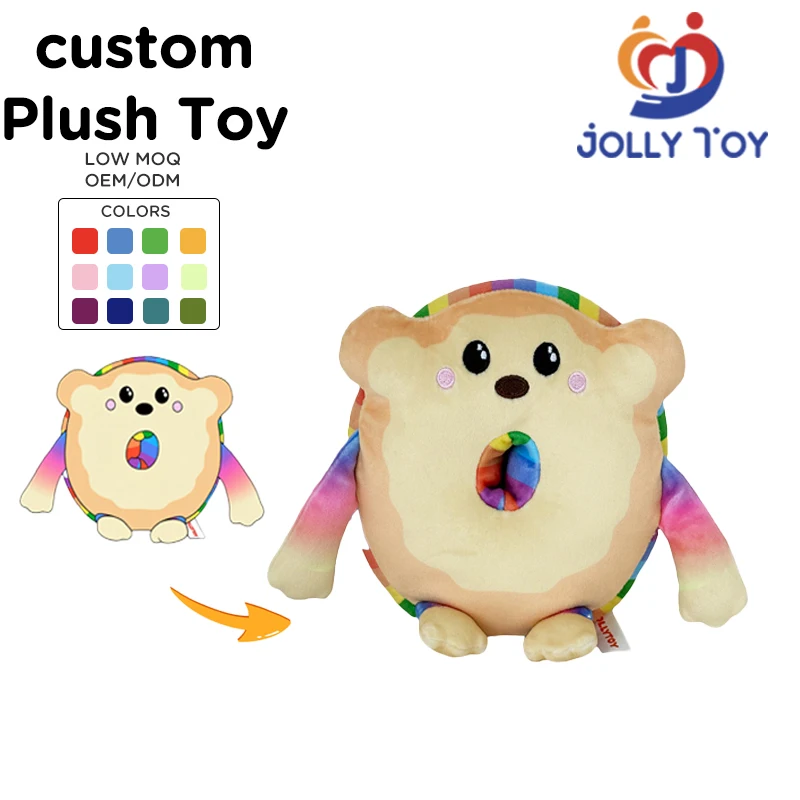
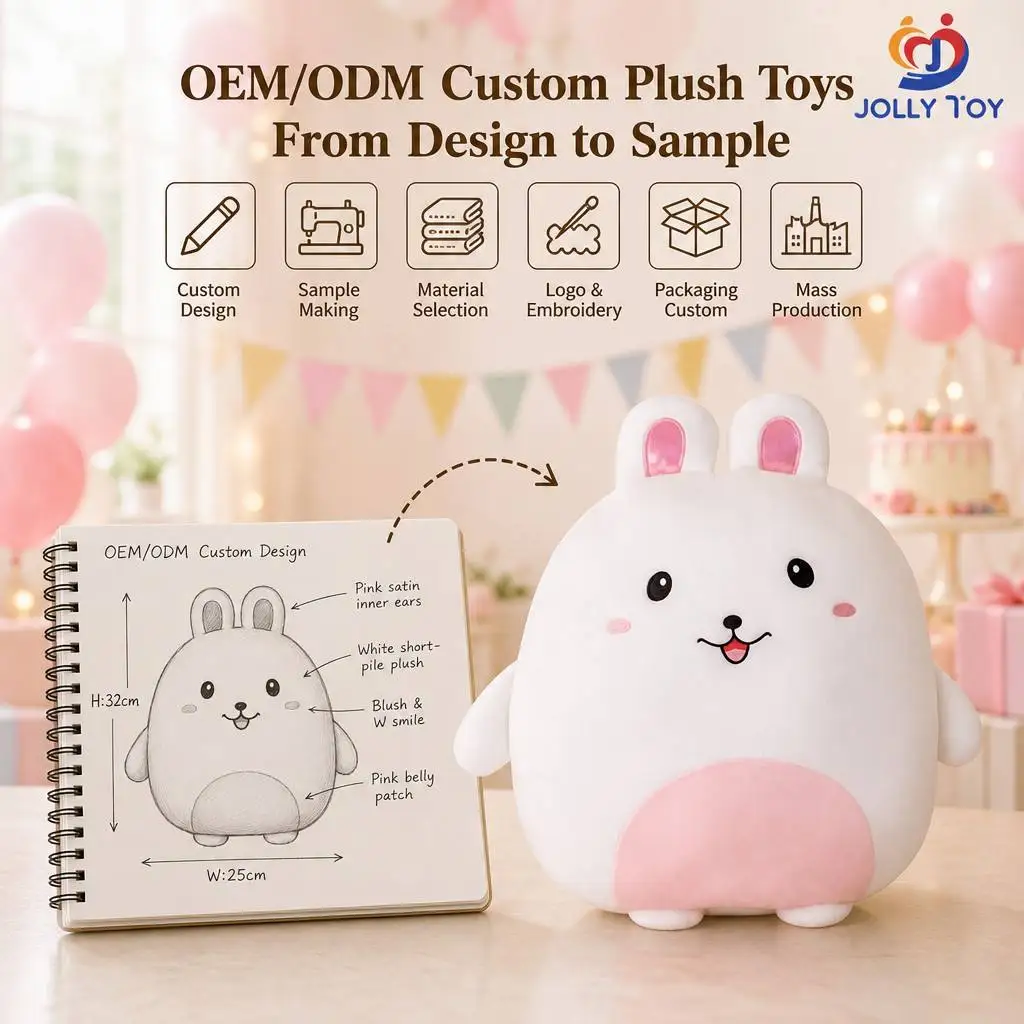
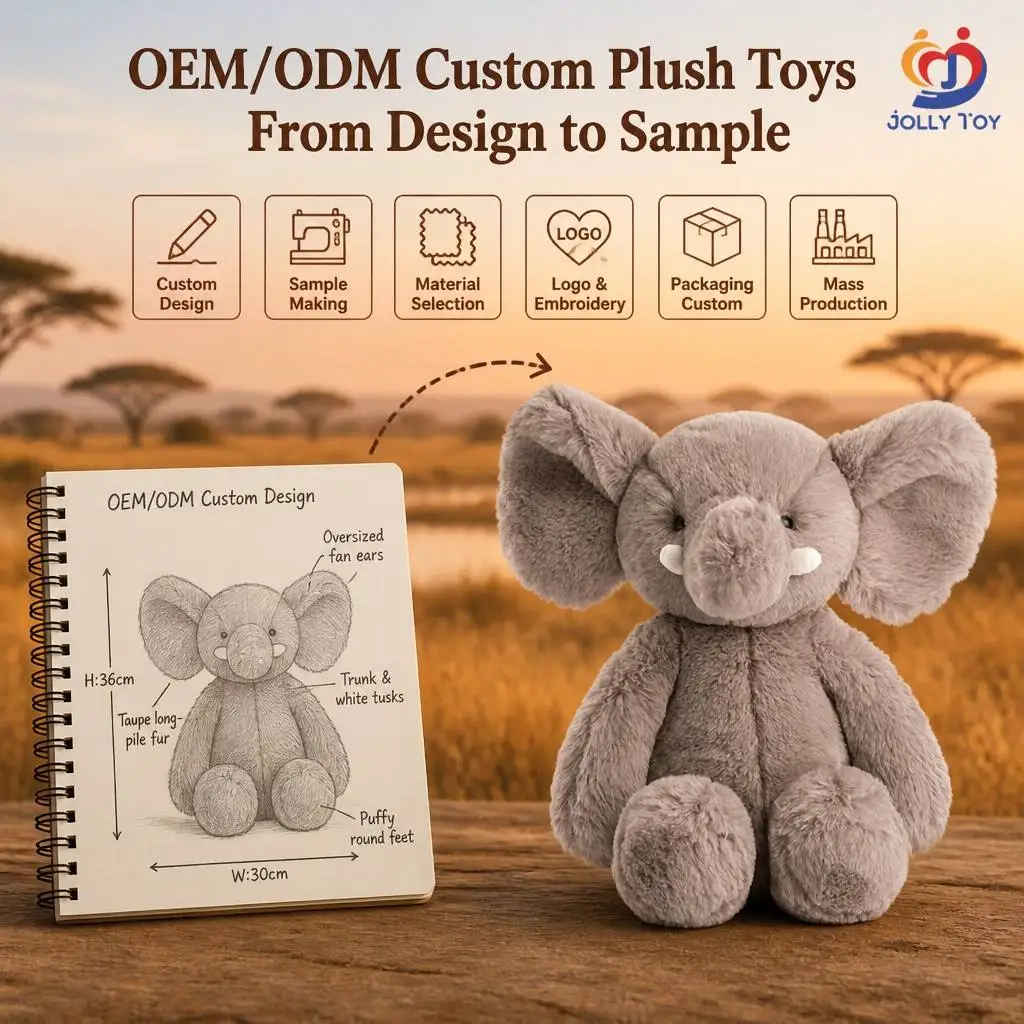
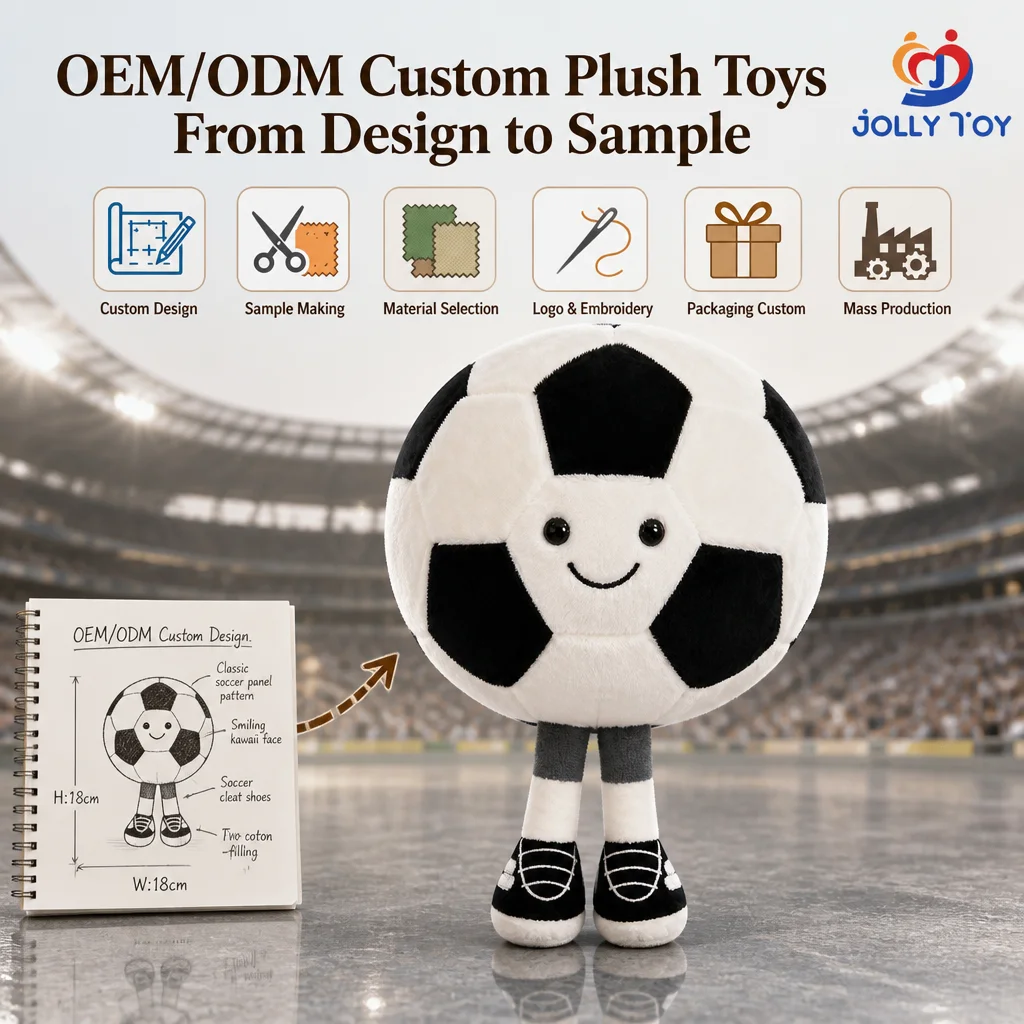
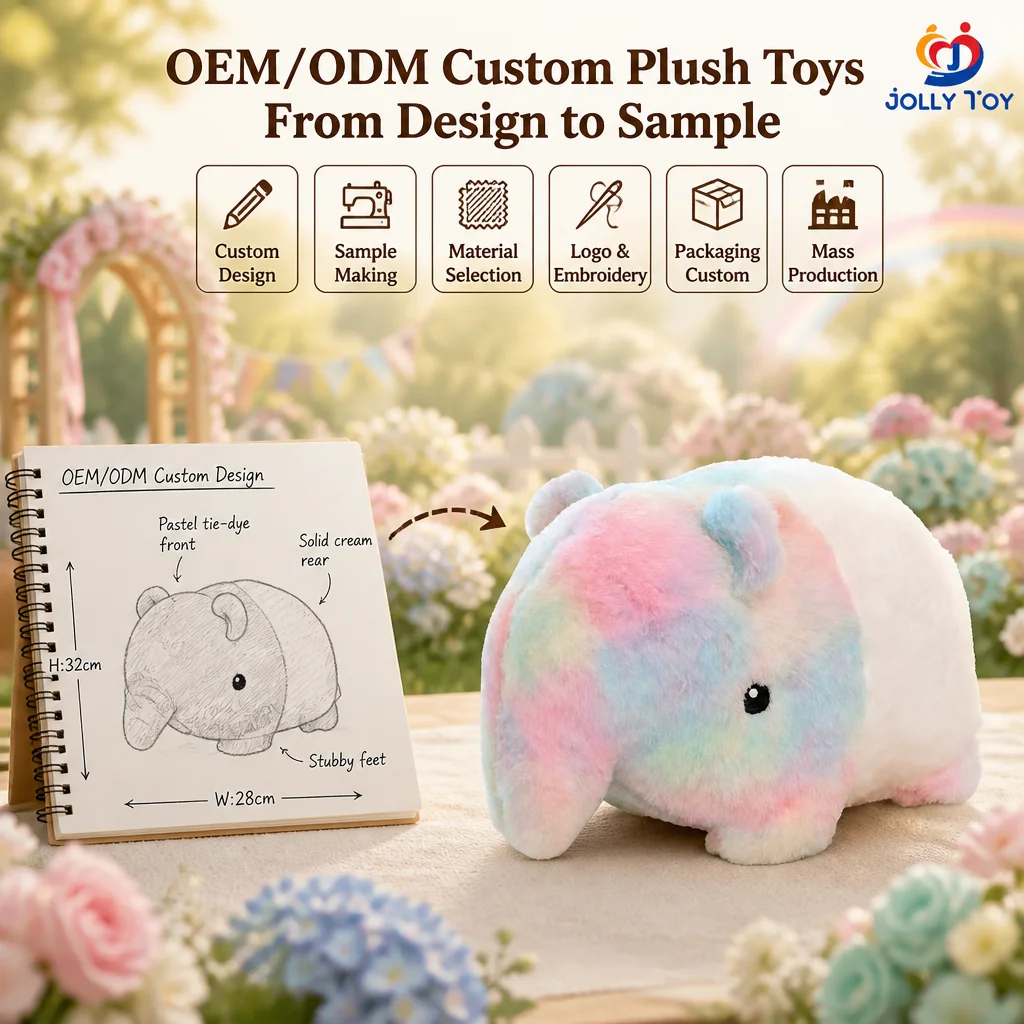
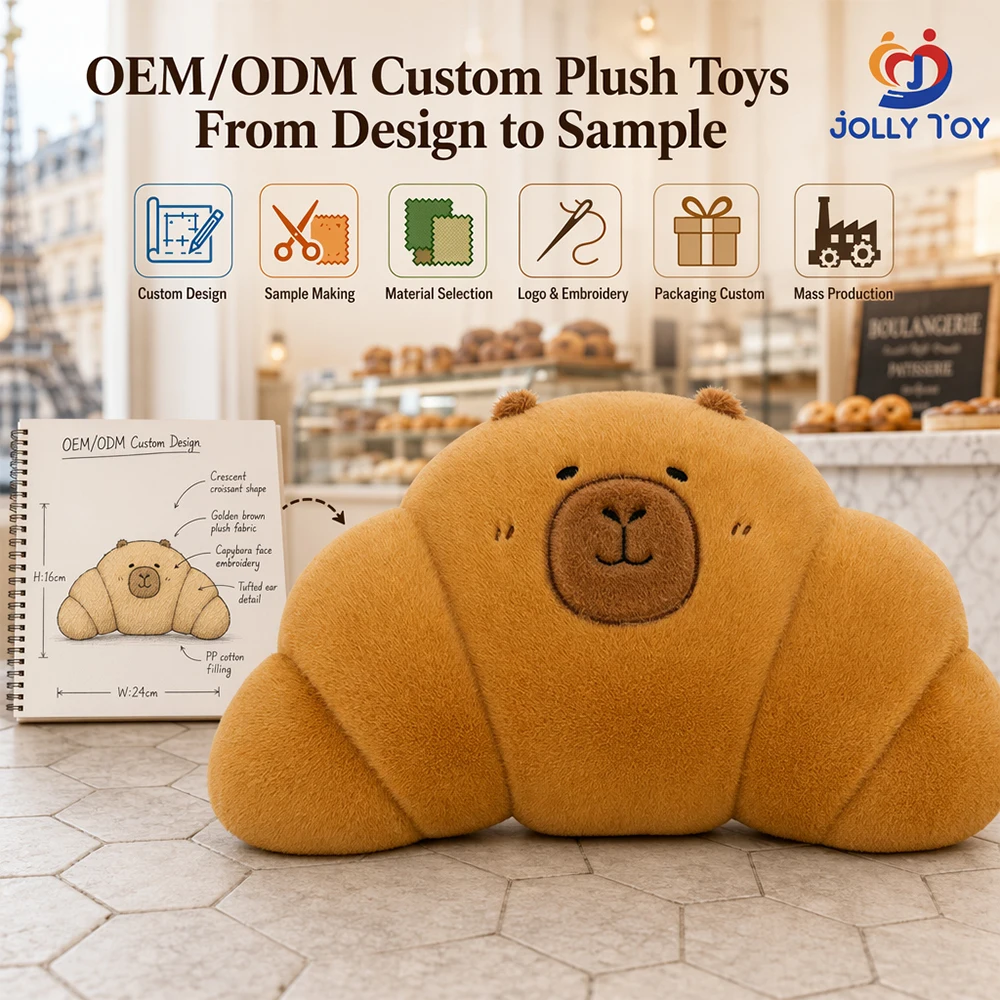
Personalized stuffed toys are a unique and engaging way to connect with consumers, offering a blend of charm and Customizability that appeals to both children and adults. As a B2B buyer, your primary concerns may revolve around quality, safety, compliance, and customization options. This article will provide insights into the essential specifications, quality evaluation criteria, sourcing challenges, applications across industries, and installation guidance for your customizable soft toys project.
When sourcing personalized stuffed toys, it's crucial to consider several key specifications that will affect both quality and marketability. These include material choices, dimensions, customization options, and safety standards
Material: The primary materials used in plush toys are cotton, polyester, and various non-toxic synthetic fibers. Cotton is soft and breathable, making it suitable for children's toys, while polyester offers durability and resistance to wear and tear
Dimensions: Dimensions should be specified based on target age groups and the intended use of the toys. For example, toys designed for infants should be smaller and have fewer parts to reduce choking hazards, while larger toys may be suitable for older children
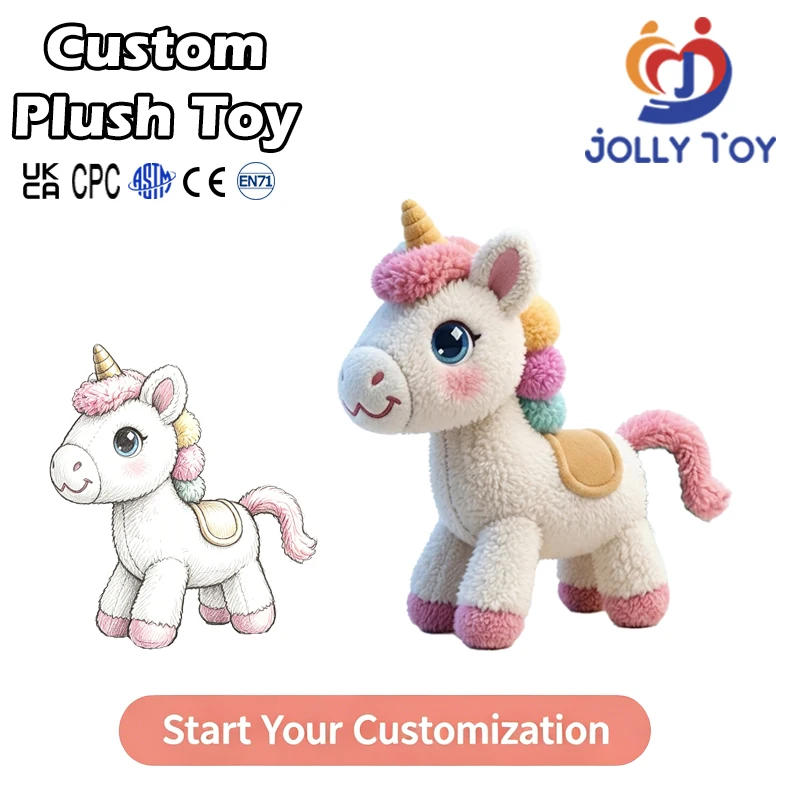
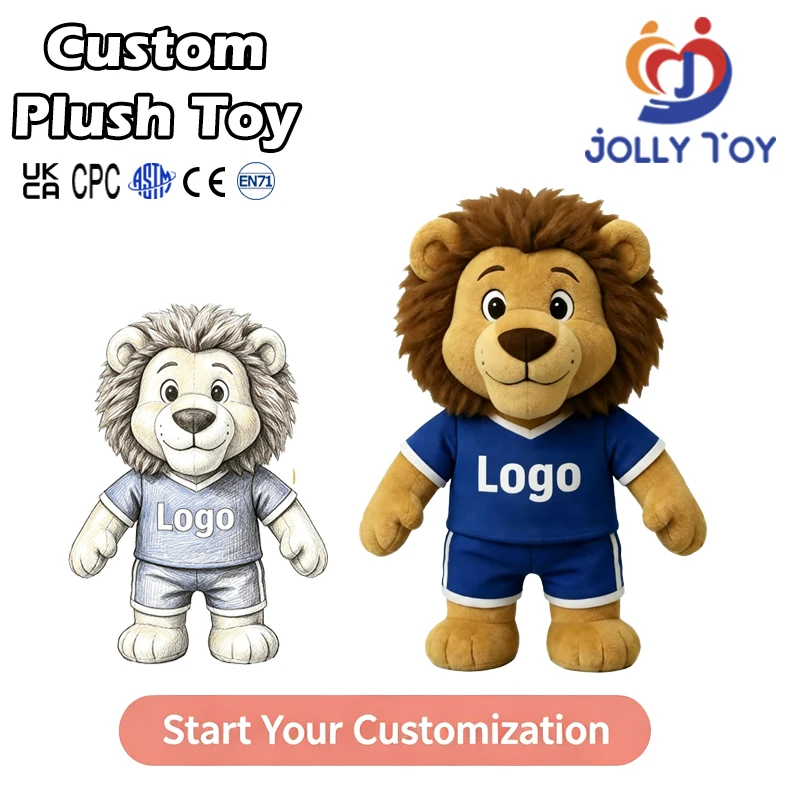
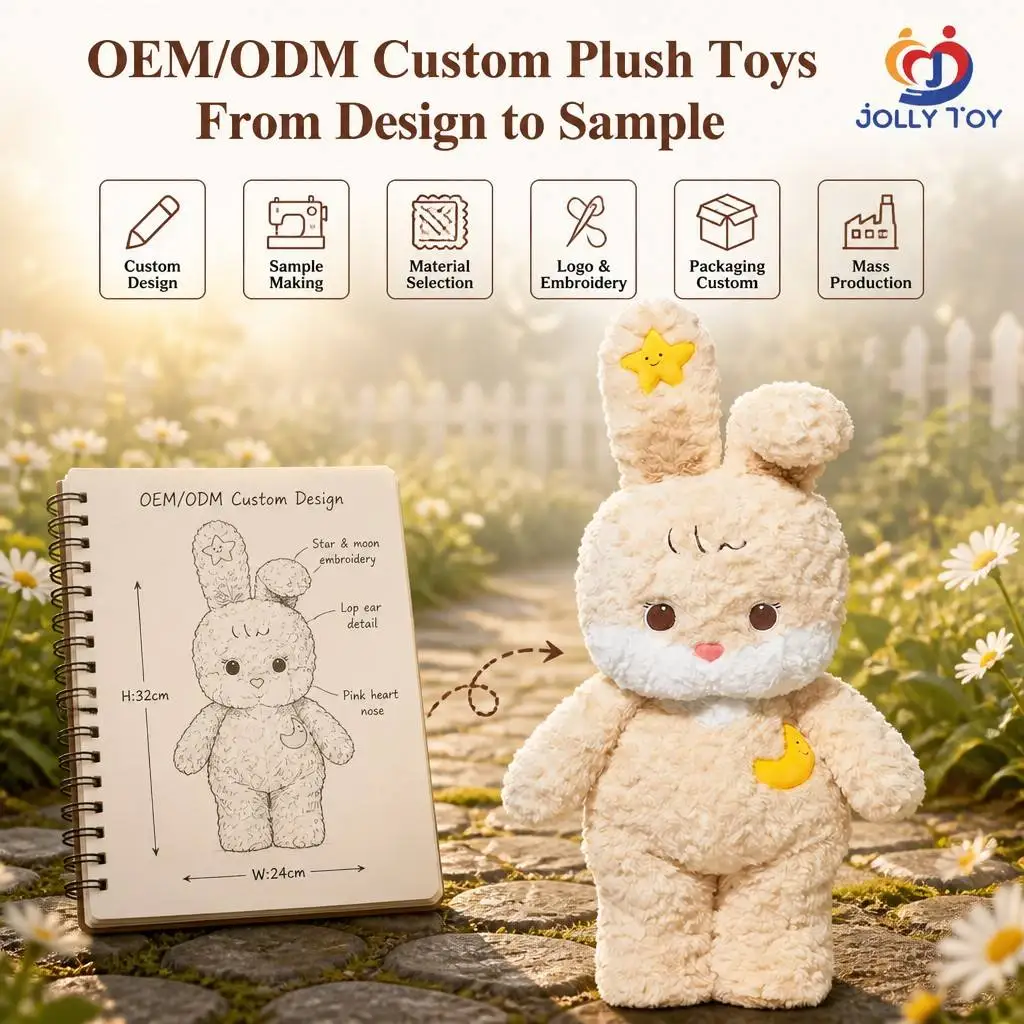
Customization Options: Your ability to offer personalized features, such as embroidery or custom fabric prints, can significantly enhance the appeal of your stuffed toys. Ensure that your manufacturing process can accommodate these options without compromising quality
Safety Compliance: Look for certifications such as ICTI, Sedex, and BSCI, which ensure that the toys meet international safety standards. These certifications are essential in establishing trust with buyers and consumers alike.
Evaluating the quality of customized plush toys involves a multi-faceted approach. Here are critical factors to examine:
Sample Approval: Always request a sample before placing a bulk order. This allows you to inspect the toy's dimensions, stitching quality, and overall feel. Pay attention to seams and any embellishments to ensure they are secure
Material Inspection: Confirm the material specifications with the manufacturer, focusing on texture, durability, and compliance with safety standards. This is particularly important when dealing with toys intended for younger audiences
Quality Control Processes: Inquire about the manufacturer’s quality control procedures. A reputable manufacturer will have a robust system to catch defects during production. This may include in-line inspections and final quality checks
Customer Feedback: If possible, check reviews or testimonials from other buyers regarding the quality of the personalized plush animals and the responsiveness of the manufacturer.
Sourcing personalized stuffed toys can present several challenges. Here are some common problems and suggested solutions:
Lead Times: Customization often extends lead times. To mitigate this, place orders well in advance and maintain clear communication with your supplier regarding production timelines
Quality Variability: Variations in quality can lead to dissatisfaction. Establishing clear specifications and sample approvals can help reduce this risk. Additionally, consider performing random quality checks on production runs
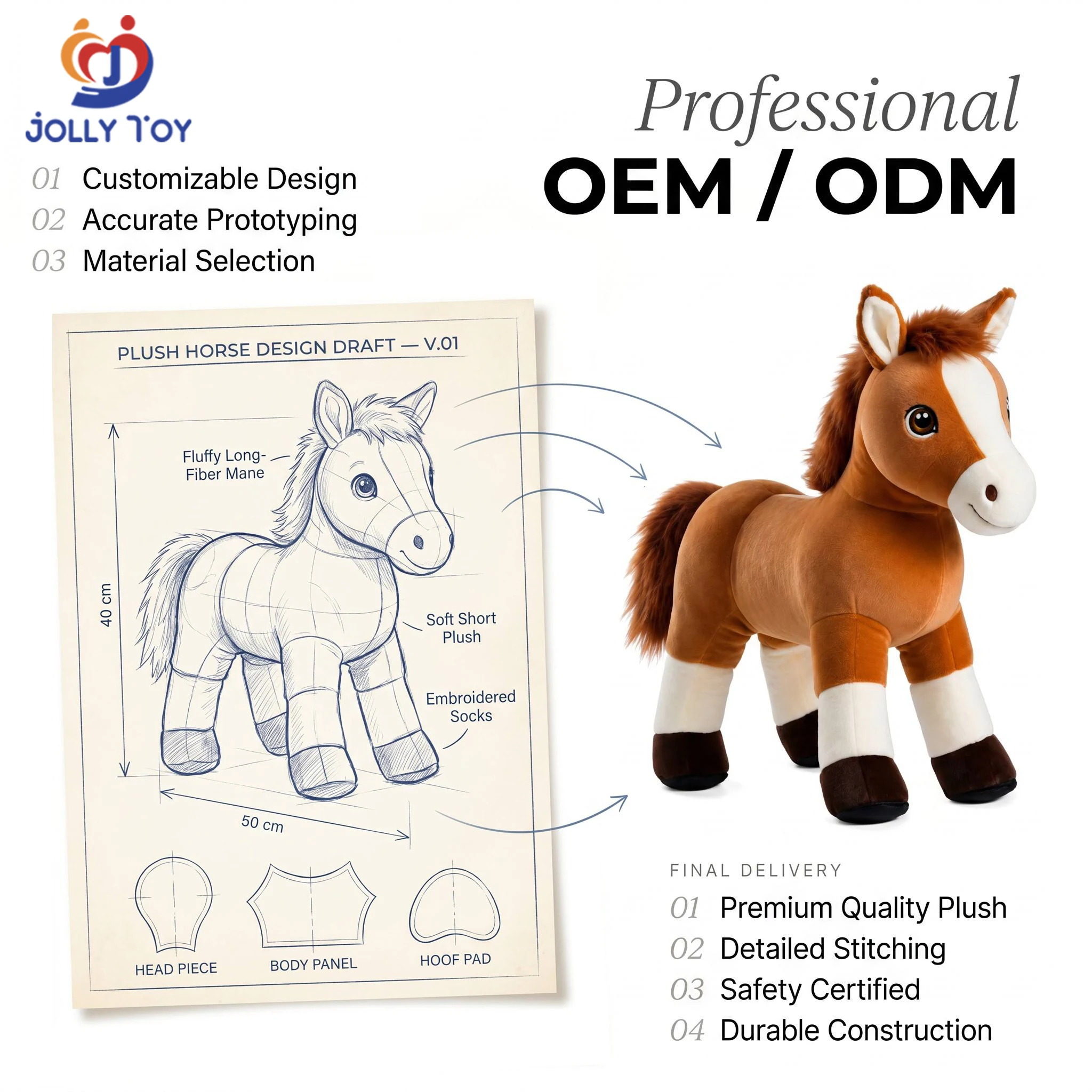
Communication Barriers: Misunderstandings can occur, especially if the manufacturer is overseas. Utilize clear documentation, including technical drawings and specifications, to ensure that both parties are aligned
Minimum Order Quantities (MOQ): Some manufacturers may have high MOQs that can be a barrier for smaller businesses. Look for suppliers who can accommodate lower quantities or be open to negotiating MOQs based on your requirements
Personalized stuffed toys have diverse applications across multiple industries, enhancing brand engagement and customer loyalty:
Retail: Many retailers use customized plush toys as promotional items or gifts with purchase, enhancing customer experience and driving sales
Healthcare: Hospitals often use plush toys for therapeutic purposes, providing comfort to young patients. Customizing these toys with hospital branding can create a unique offering
Corporate Gifts: Companies frequently utilize personalized stuffed toys as corporate gifts to strengthen client relationships and improve brand visibility
Event Marketing: Customized plush toys can serve as memorable giveaways at trade shows and events, helping to create a lasting impression on potential clients
While installation may not be a common concern for plush toys, there are still important considerations for integrating them into your product line or marketing efforts:
Artwork Submission: Ensure that any artwork or designs are provided in the correct format and resolution to avoid delays in production. Specifications should include color codes and design dimensions
Pre-Production Samples: Always approve a pre-production sample that includes your custom designs. This step is critical to ensure that the final products meet your expectations regarding quality and appearance
Packaging Requirements: Discuss packaging options with your supplier. Customized packaging can enhance the overall presentation and appeal of the Plush Toys, especially for retail environments
Logistics and Shipping: Coordinate with your supplier on logistics, including shipping methods and timelines. Proper packaging is also essential to prevent damage during transit
By understanding these aspects of personalized stuffed toys, B2B buyers can make informed purchasing decisions that align with their business needs and customer expectations. Prioritize clear communication with your manufacturer and ensure that every detail, from materials to packaging, meets the required standards for quality and compliance.

 EN
EN
 AR
AR
 CS
CS
 DA
DA
 NL
NL
 FI
FI
 FR
FR
 DE
DE
 EL
EL
 IT
IT
 JA
JA
 KO
KO
 NO
NO
 PL
PL
 PT
PT
 RU
RU
 ES
ES
 SV
SV
 IW
IW
 UK
UK
 TR
TR
 AF
AF
 GA
GA
 IS
IS
 LA
LA