In the world of wholesale purchasing, choosing the right stuffed animal can be a pivotal decision for retailers and distributors. Plush toys not only serve as beloved companions for children but also as promotional items and gifts across various industries. As a B2B buyer, your main concerns may revolve around quality, compliance, customization options, and pricing. This article aims to guide you through the essential aspects of sourcing personalized plush animals, helping you make informed purchasing decisions that meet your business needs.
When selecting stuffed animals for wholesale, consider your target market and their preferences. Factors such as age range, trends, and safety standards play a crucial role. For younger children, plush toys must meet strict safety regulations, ensuring that materials are non-toxic and free from small parts. Additionally, customizable options, such as unique colors or branding, can enhance appeal and differentiate your product line.
Moreover, evaluate the purpose of the stuffed animals. Are they intended for retail shelves, promotional events, or giveaways? Understanding the end-use will help refine your selection. For instance, if you are targeting promotional items, you may want to focus on popular designs or characters that resonate with your audience.
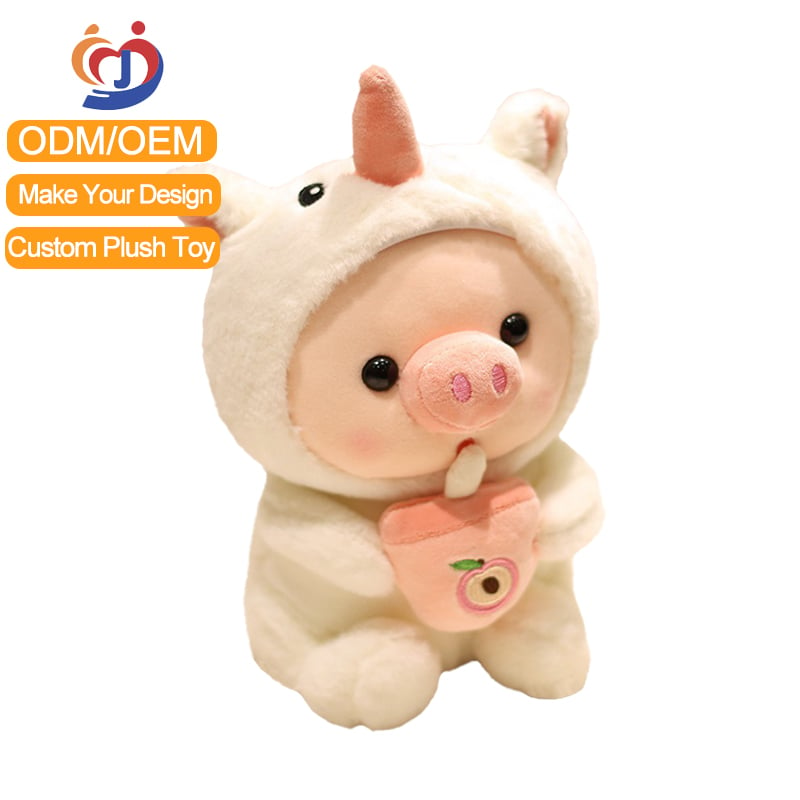
Quality assessment of plush toys is vital to ensure they meet customer expectations and safety standards. Start by looking for industry certifications such as ICTI, Sedex, and BSCI, which indicate compliance with ethical manufacturing practices and safety regulations.
Inspect the materials used in production. High-quality plush toys are typically made from soft, durable fabrics like polyester or cotton blends. Pay attention to the filling as well; products filled with polyester fiber are often more resilient and maintain their shape better than alternatives.
Before placing a bulk order, request samples to evaluate the quality firsthand. Examine the stitching, seams, and overall craftsmanship. A well-constructed plush toy should have securely stitched seams that can withstand rough handling. Additionally, check for any loose threads or imperfections that could affect durability.
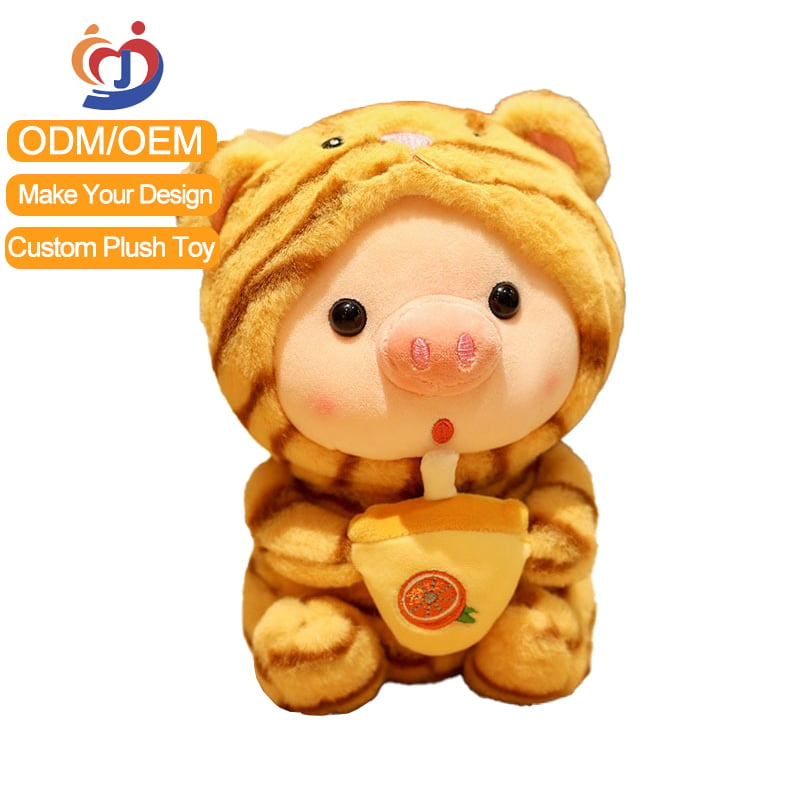
When sourcing stuffed animals, several key specifications should be confirmed to ensure the product meets your requirements. These include:
Size and Dimensions: Depending on your target market, the size of the cute stuffed animals may vary. Ensure the dimensions align with customer expectations and safety standards for specific age groups.
Material Composition: Confirm the fabric type and filling material. Opt for hypoallergenic fabrics if targeting sensitive consumers or young children. The material structure should be selected according to the required durability and appearance.
Safety Compliance: Ensure the product complies with relevant safety standards, including flammability tests and choking hazard assessments. This is particularly important for plush toys intended for infants and toddlers.
Customization Options: Determine what level of customization is available. Whether it’s custom embroidery, color variations, or unique designs, ensure the manufacturer can accommodate your specific needs.
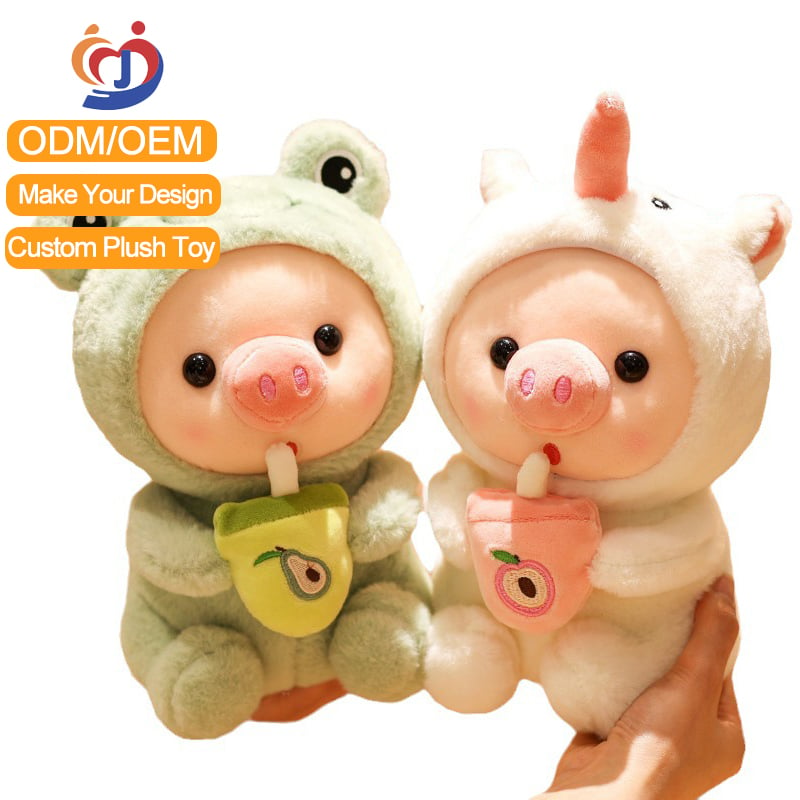
Finding a reputable supplier for plush toy manufacturing is essential to ensure product quality and reliability. Start by searching for manufacturers with proven experience in the industry, preferably those with over a decade of experience, as they are likely to have refined their processes.
Consider utilizing online B2B directories and industry trade shows to identify potential suppliers. Evaluate their manufacturing capabilities, certifications, and production capacity to ensure they can handle your order volume.
Request client references and case studies to gain insights into their reliability and service quality. A trustworthy large stuffed animals supplier should be transparent about their processes, lead times, and any potential challenges that may arise during production.
Pricing for wholesale stuffed animals can vary significantly based on several factors. Understanding these cost components can help you negotiate better terms and make informed purchasing decisions:
Material Costs: The type of materials used directly affects the overall cost. Premium fabrics and fillings will incur higher expenses but may result in better quality and customer satisfaction.
Customization: Custom designs, embroidery, or specific color schemes may increase the unit price. Be clear about your customization needs and request quotes that include these options.
Order Volume: Most manufacturers have minimum order quantities (MOQs). Larger orders typically reduce the cost per unit, but it's essential to assess your sales forecasts to avoid overstocking.
Shipping and Duties: Consider logistics when calculating total costs. Shipping terms, distance, and import duties can significantly impact final pricing. Always clarify who bears these costs and factor them into your budget.
By understanding these factors, you can better evaluate supplier quotes and align your purchasing strategy with your business objectives.
sourcing the right stuffed animals for wholesale requires careful consideration of quality, specifications, supplier reliability, and cost factors. By following the guidance provided, you can make informed decisions that cater to your business's needs and your customers' expectations.

 EN
EN
 AR
AR
 CS
CS
 DA
DA
 NL
NL
 FI
FI
 FR
FR
 DE
DE
 EL
EL
 IT
IT
 JA
JA
 KO
KO
 NO
NO
 PL
PL
 PT
PT
 RU
RU
 ES
ES
 SV
SV
 IW
IW
 UK
UK
 TR
TR
 AF
AF
 GA
GA
 IS
IS
 LA
LA

