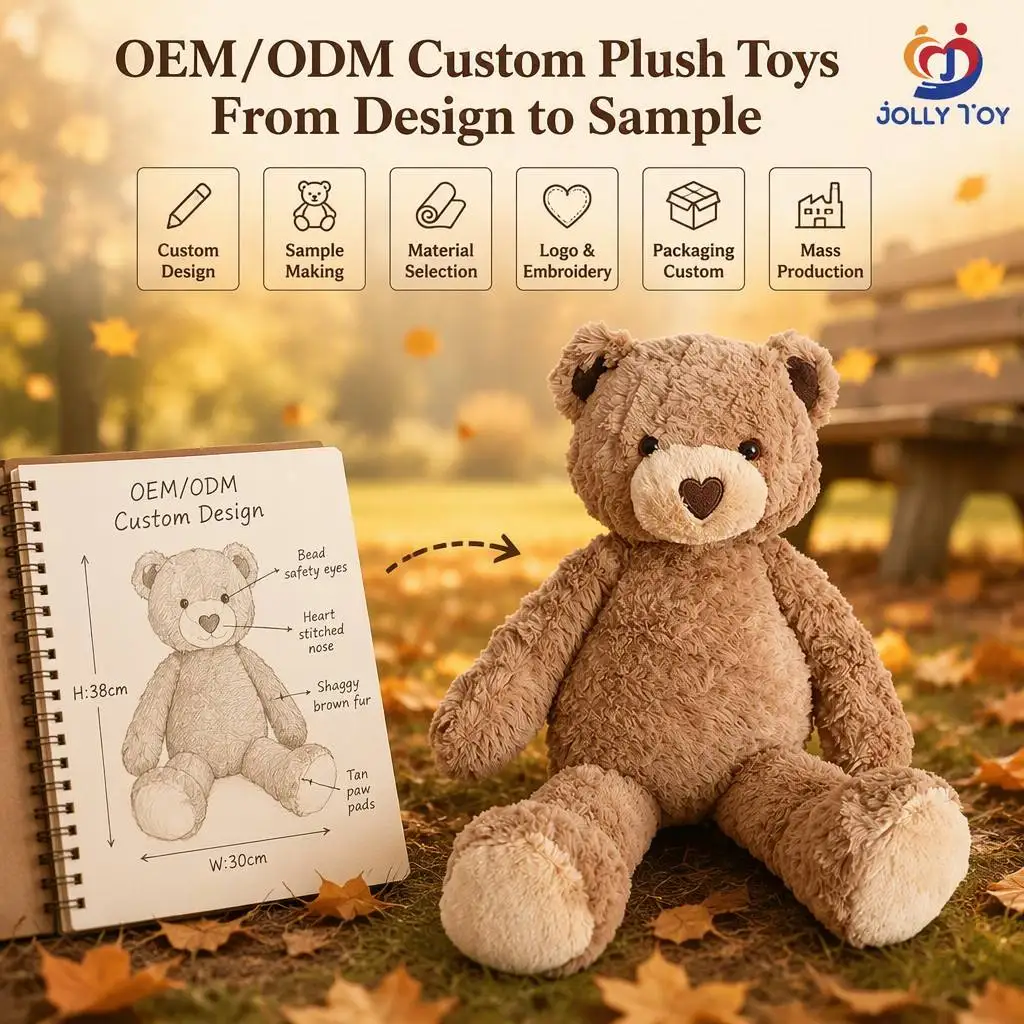
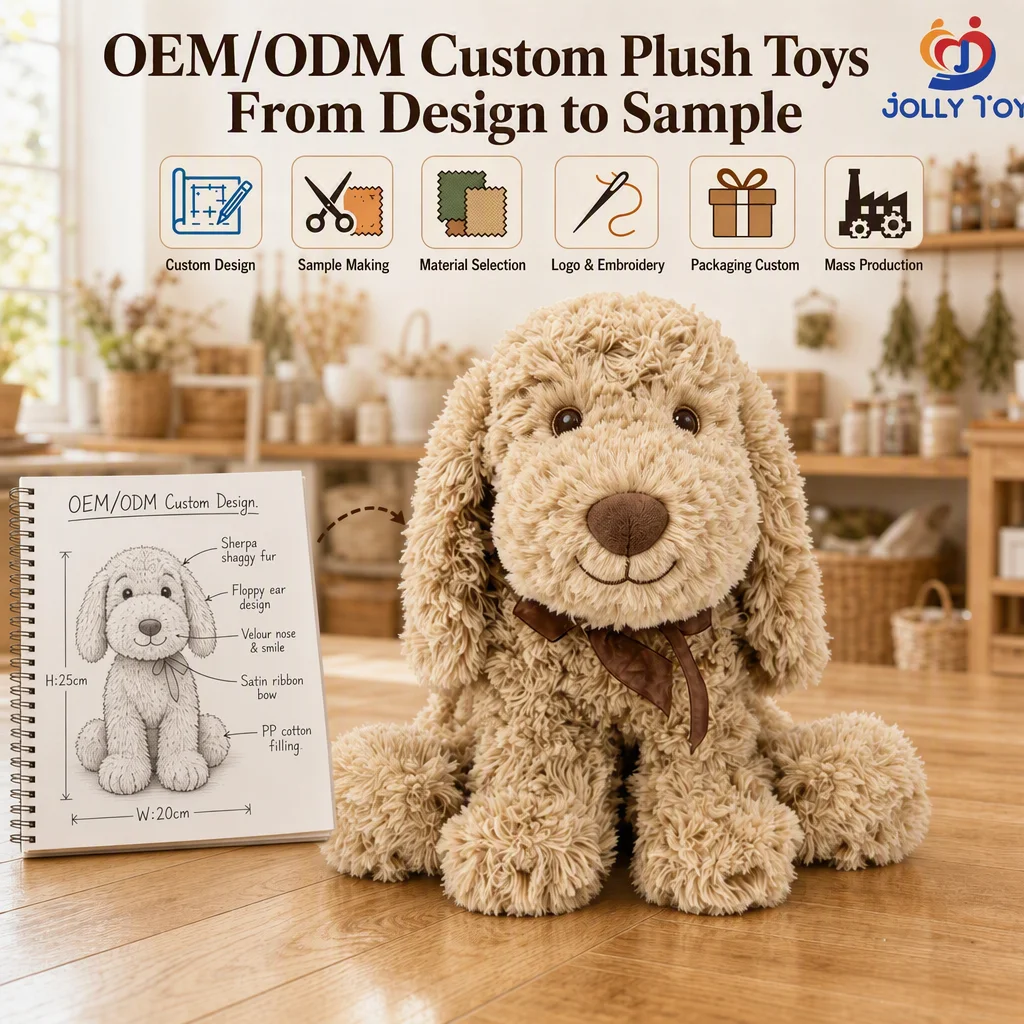
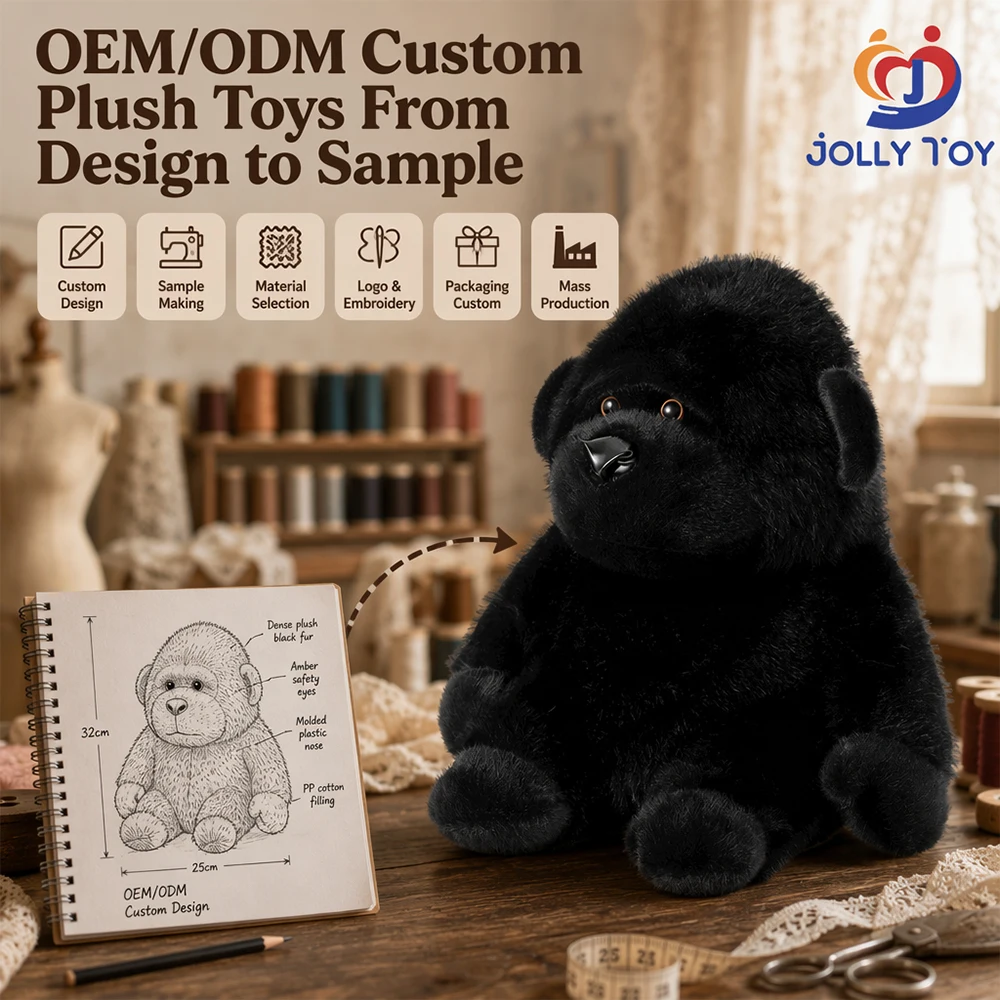
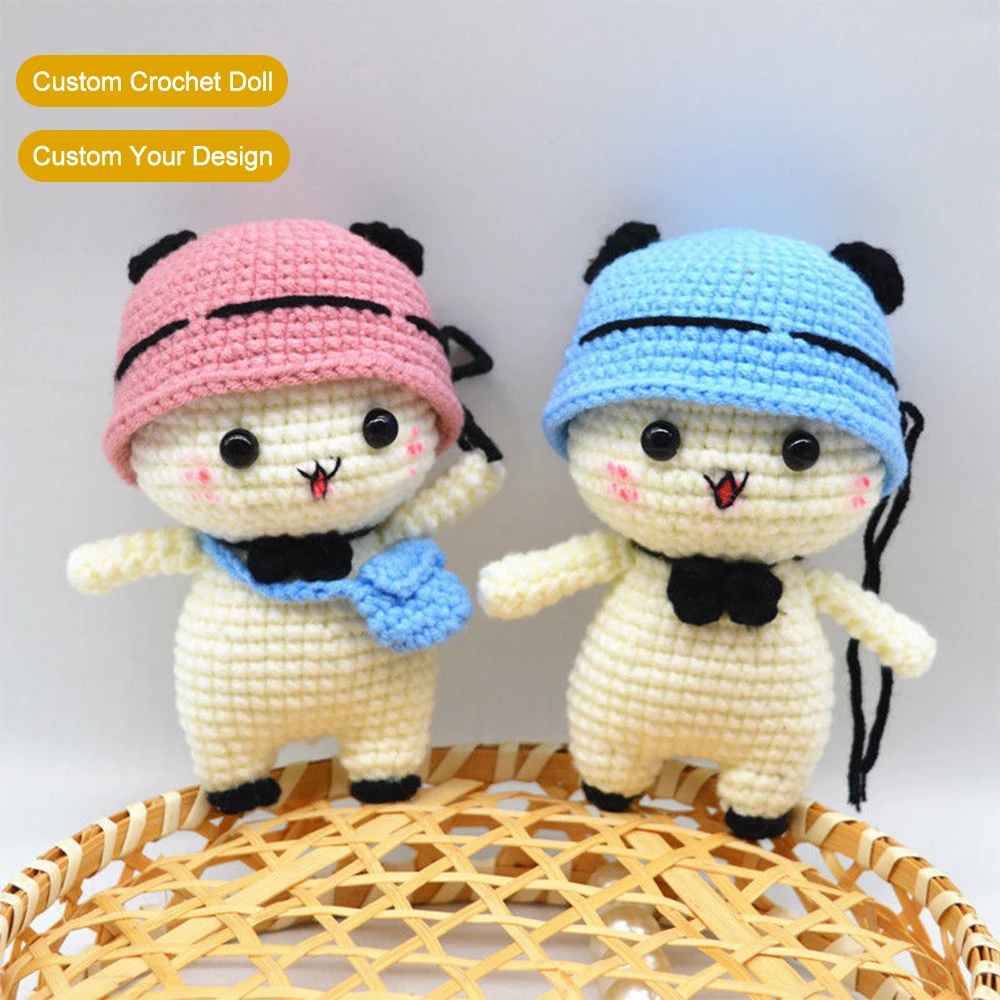
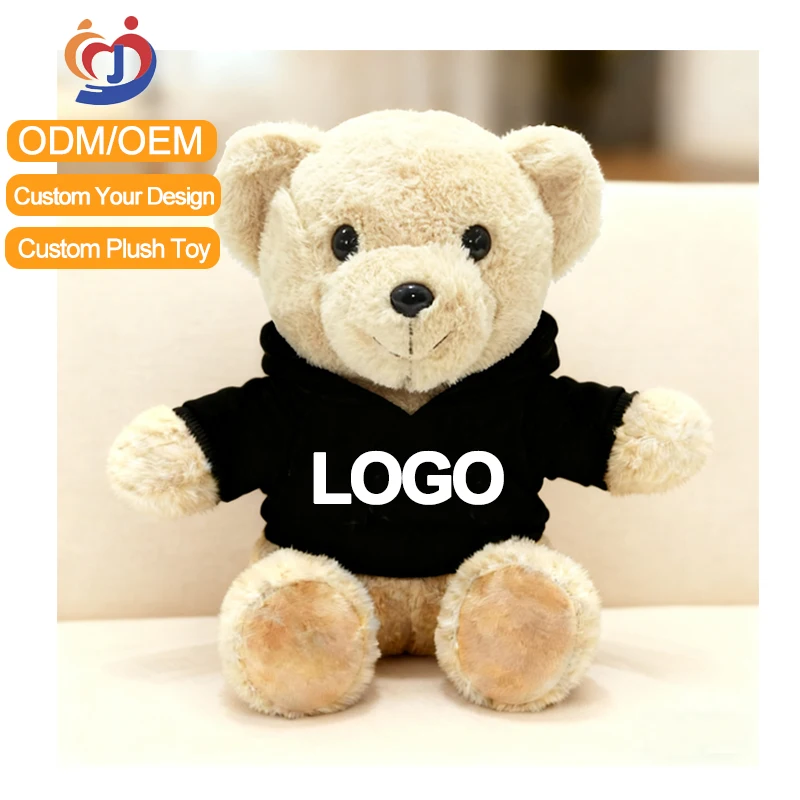
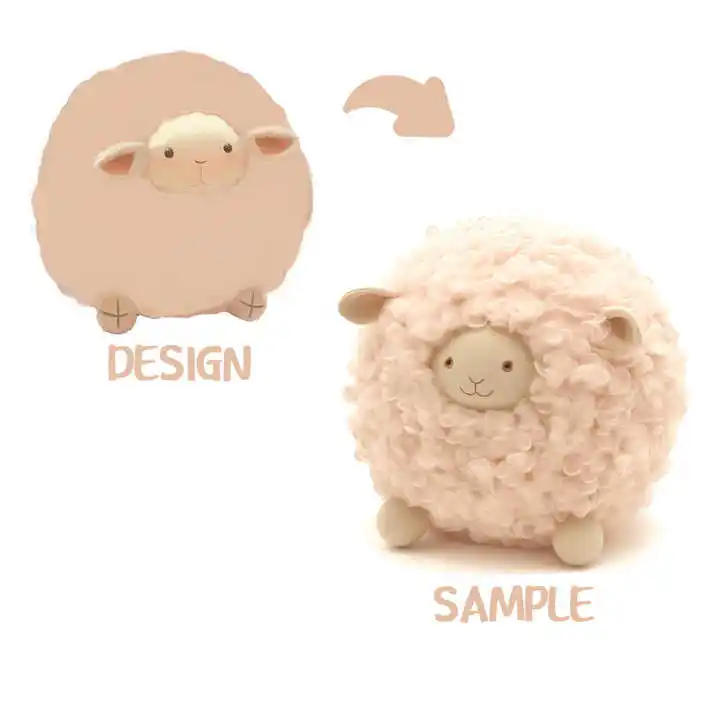
Personalized stuffed animals offer a unique way for businesses to create memorable and engaging products. As a B2B buyer, you may be considering these custom plush toys for various applications, from promotional giveaways to retail items. However, sourcing the right personalized cute stuffed animals involves understanding buyer concerns such as quality, customization options, and supplier reliability. This article will guide you through key considerations when selecting personalized stuffed animals for your business needs.
When selecting personalized Jolly Toy stuffed animals for wholesale, it’s crucial to consider factors like target audience, intended use, and customization capabilities. Start by assessing the demographic you are targeting—different designs and sizes appeal to different age groups. For example, a plush toy for toddlers may need to be softer and smaller, while an item for older children could incorporate more complex features.
Customization options are also essential. Many manufacturers offer various embroidery, color, and design choices. Ensure that the supplier can meet your specific branding requirements, such as incorporating logos or custom messages. Finally, consider the minimum order quantities (MOQs) and lead times, as these can significantly affect your production schedule and inventory management.
When sourcing personalized Jolly Toy stuffed animals, evaluate several critical specifications to ensure you get a product that meets your quality and safety standards:
Material: Plush toys are typically made from various fabrics, including polyester and cotton. Assess the material for softness, durability, and safety, especially if the toys will be used by children.
Dimensions: The size of the stuffed animals is crucial. Ensure that the dimensions align with your market’s preferences and safety regulations.
Customization Features: Check what customization options are available, such as embroidery techniques, color variations, and design placements.
Safety Certifications: Verify that the toys comply with safety regulations, such as EN71 or ASTM F963, especially when producing for children. Certifications like ICTI, Sedex, and BSCI can provide assurance regarding ethical manufacturing processes.
Quality Control Processes: Inquire about the manufacturer's quality inspection protocols. This ensures that each batch meets your specifications before shipment.
Finding reliable suppliers for customized stuffed animals requires diligent research. Start by exploring industry directories and trade shows to identify potential manufacturers. Look for companies that specialize in plush toys and have a proven track record.
Online platforms and B2B marketplaces can also be valuable resources. When evaluating suppliers, consider their manufacturing capabilities, past client testimonials, and communication responsiveness. Request samples to assess the quality of their products before committing to a larger order. Additionally, ensure that they hold the necessary certifications to guarantee ethical and quality manufacturing practices.
Sourcing personalized stuffed animals can come with challenges that can impact your project timeline and budget. Here are some common issues and solutions:
Quality Inconsistencies: Variations in quality can occur between batches. To mitigate this, establish a thorough quality control process with your supplier, including pre-production samples and inspections during production.
Long Lead Times: Delays can arise from various factors, including material sourcing and production schedules. Discuss lead times upfront and consider placing orders well in advance of peak seasons.
Communication Barriers: Misunderstandings can occur, especially when dealing with overseas suppliers. Use clear documentation, including specifications and visual aids, to ensure alignment on expectations.
Customization Challenges: Custom features may not always translate well during production. Request prototypes and ensure that your design files are compatible with the manufacturer’s capabilities.
By addressing these potential challenges early, you can streamline the sourcing process and achieve better outcomes.
Understanding the materials used in custom plush toys is vital for making informed sourcing decisions. Here are some commonly used materials and their characteristics:
Polyester: This is the most common material for Jolly Toy plush toys due to its durability and ease of cleaning. It can be made into different textures, ranging from soft to textured finishes.
Cotton: Natural cotton provides a soft feel and is often preferred for toys aimed at infants and toddlers. It’s also biodegradable, making it a more eco-friendly option.
Filling Materials: The stuffing inside plush toys can vary from polyester fiberfill to recycled materials. The choice of filling affects the toy's weight, softness, and safety.
Safety Features: Ensure that any materials used are hypoallergenic and comply with safety standards. Look for suppliers that offer materials free from harmful chemicals, especially if you are catering to young children.
Sustainability Considerations: With an increasing demand for eco-friendly products, consider sourcing plush toys made from recycled or organic materials. This not only appeals to environmentally conscious consumers but can also enhance your brand's image.
By understanding these materials and their implications on quality and safety, you can make better purchasing decisions for your personalized large stuffed animals.

 EN
EN
 AR
AR
 CS
CS
 DA
DA
 NL
NL
 FI
FI
 FR
FR
 DE
DE
 EL
EL
 IT
IT
 JA
JA
 KO
KO
 NO
NO
 PL
PL
 PT
PT
 RU
RU
 ES
ES
 SV
SV
 IW
IW
 UK
UK
 TR
TR
 AF
AF
 GA
GA
 IS
IS
 LA
LA