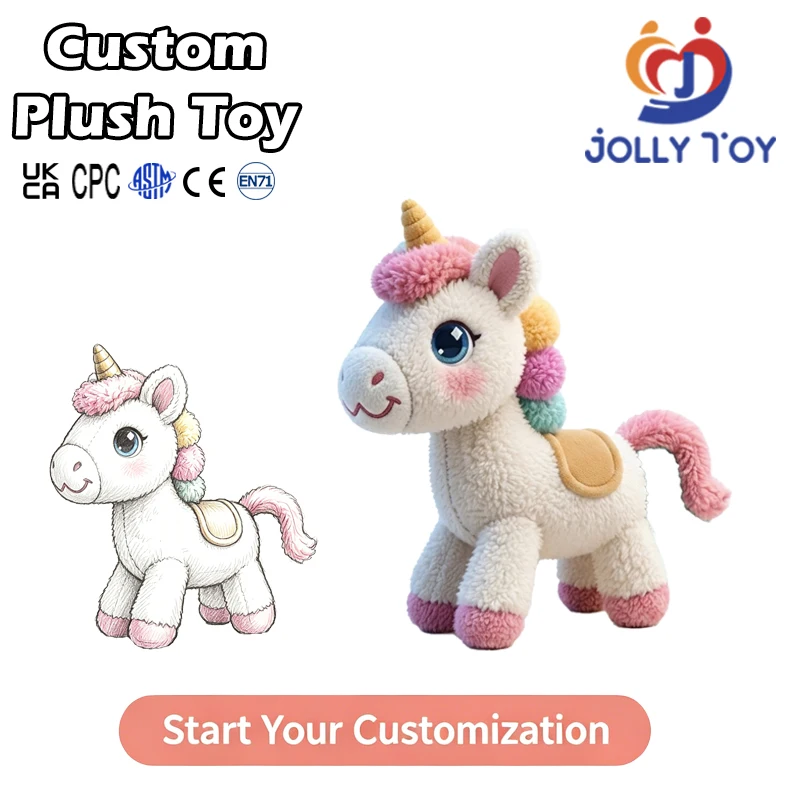
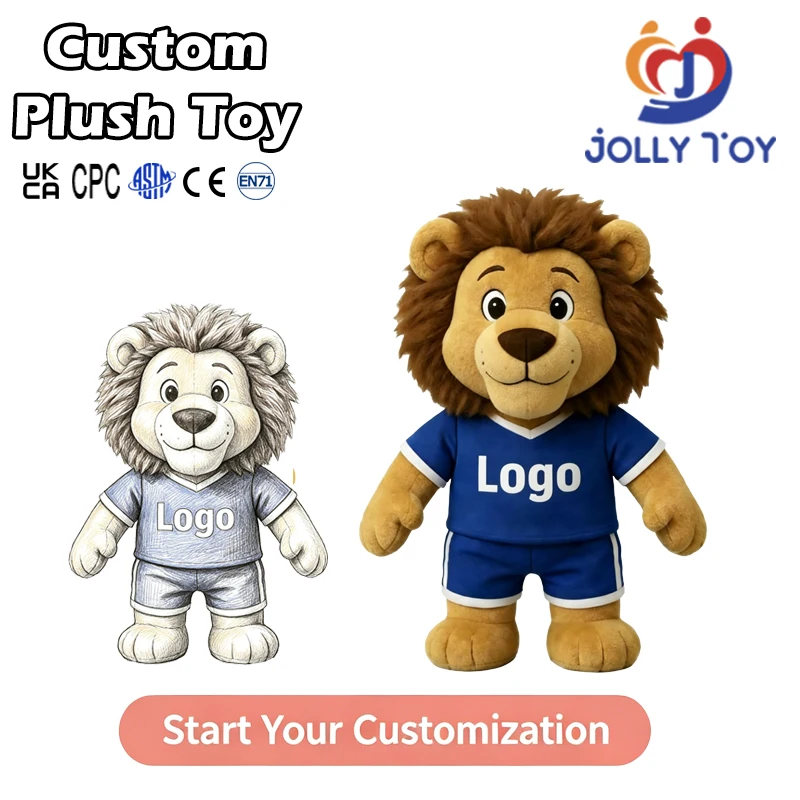
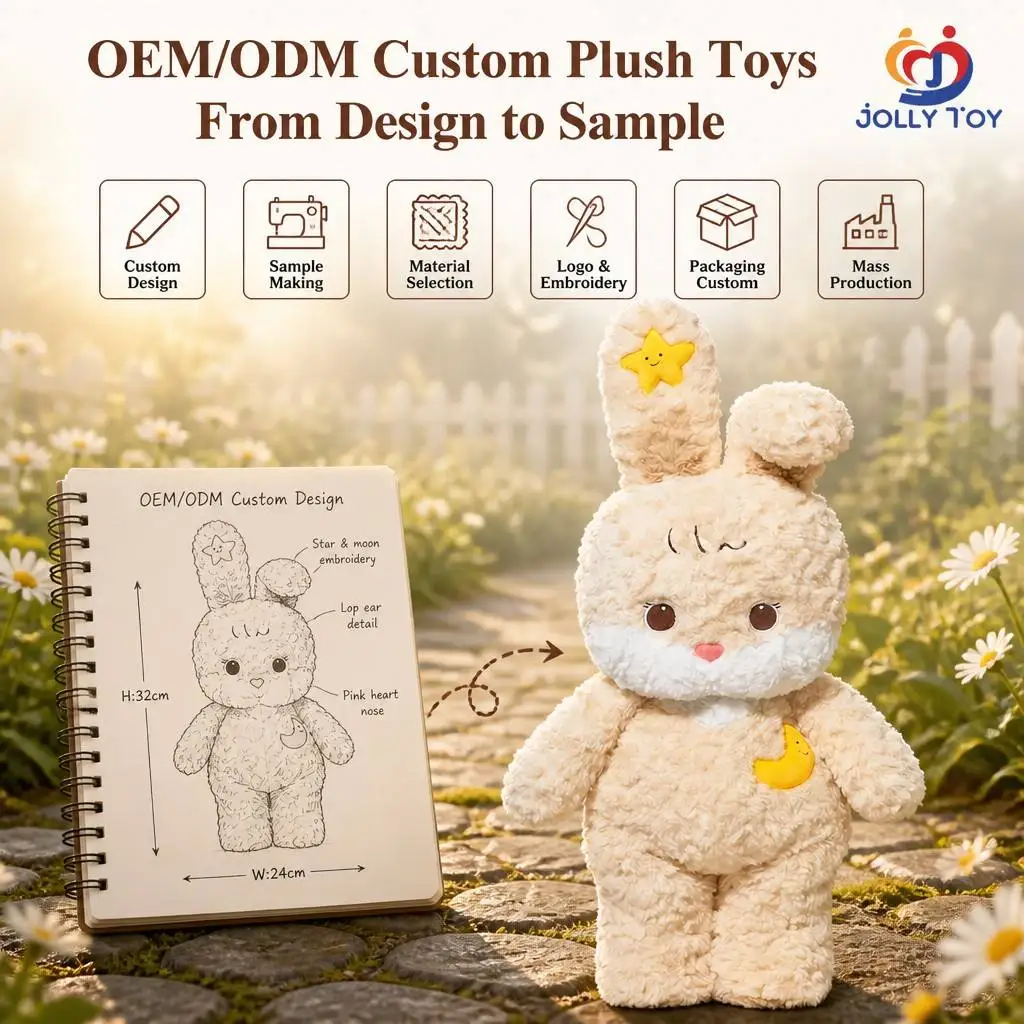
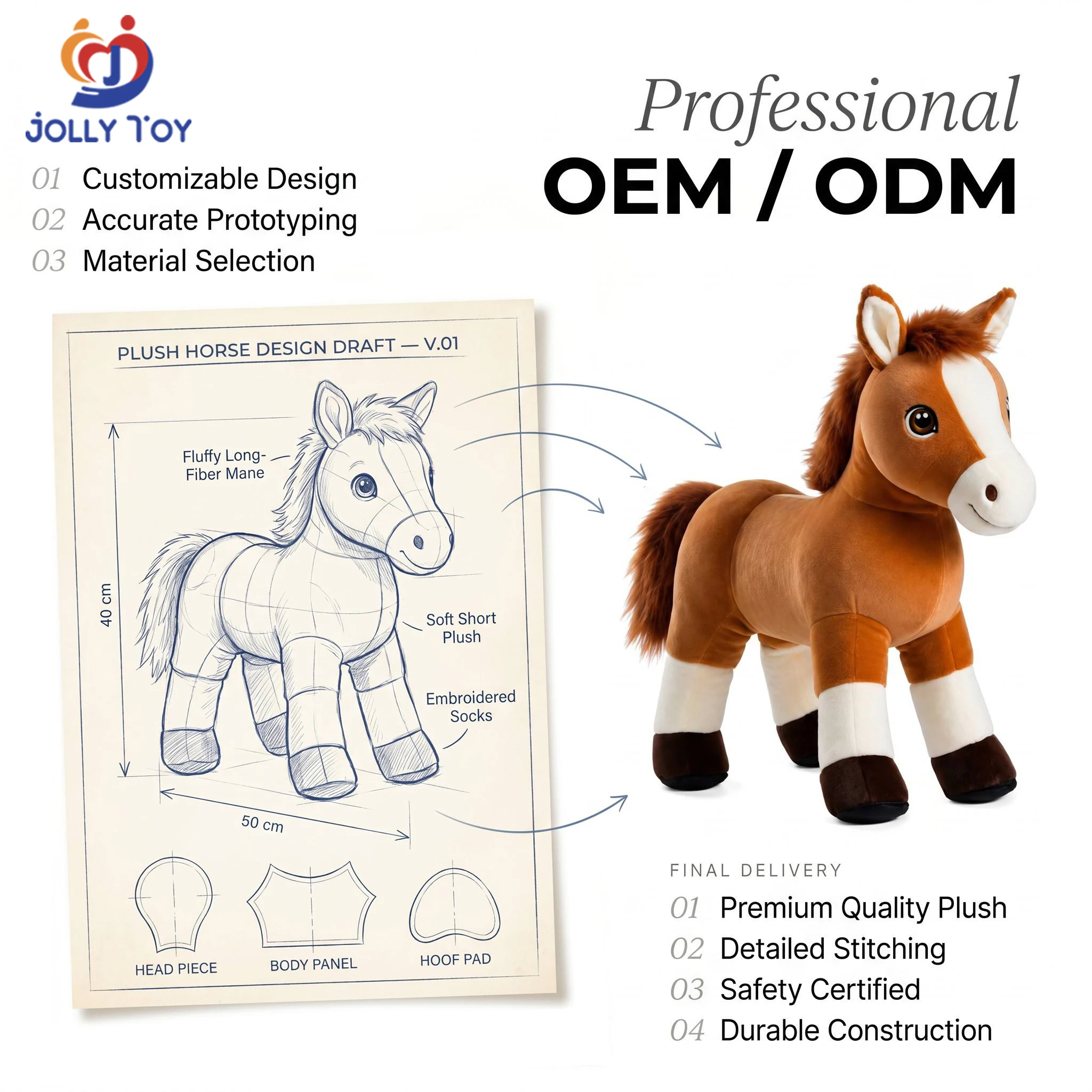
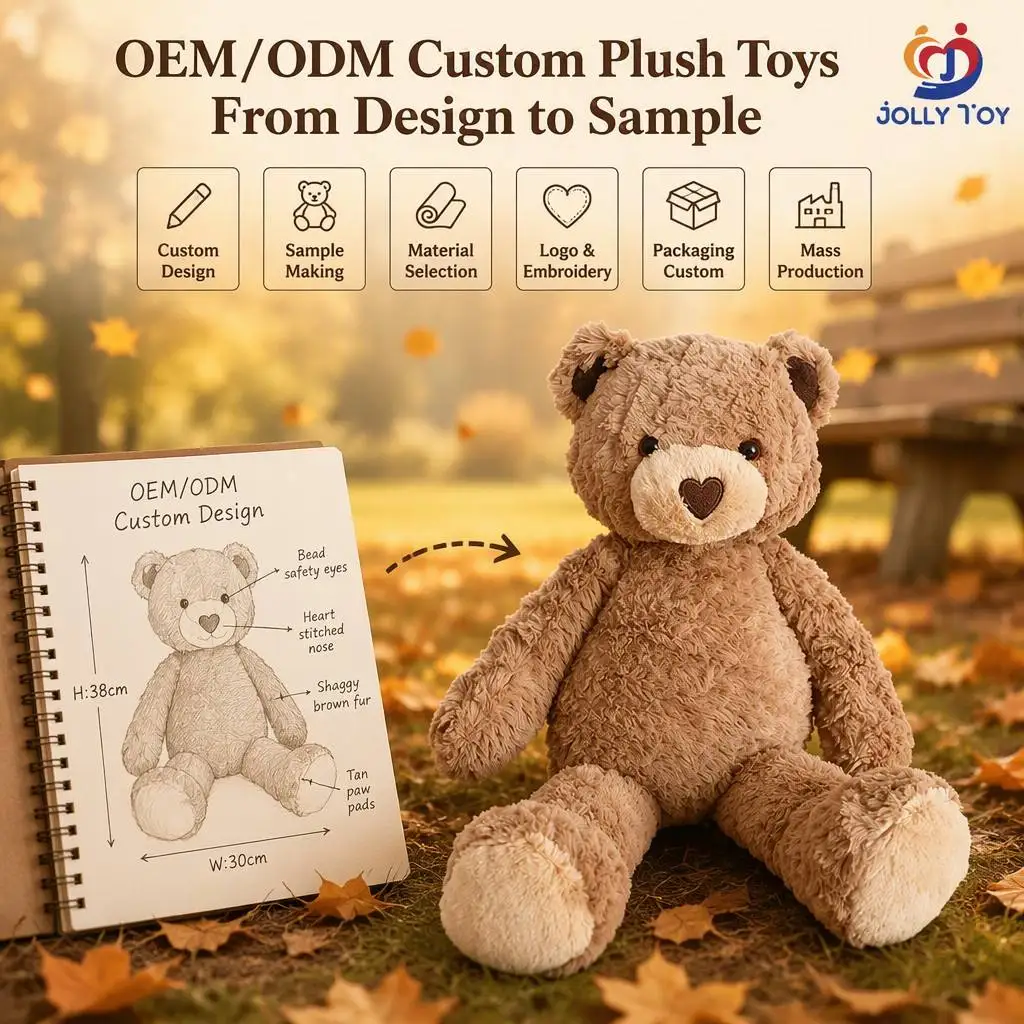
Custom stuffed animals are a beloved product that combines creativity and craftsmanship, making them highly sought after in various industries. As a B2B buyer, your primary concerns may include quality, customization options, and the reliability of your supplier. This article will guide you through essential aspects of working with customized stuffed animal manufacturers, helping you make informed purchasing decisions that align with your specific needs.
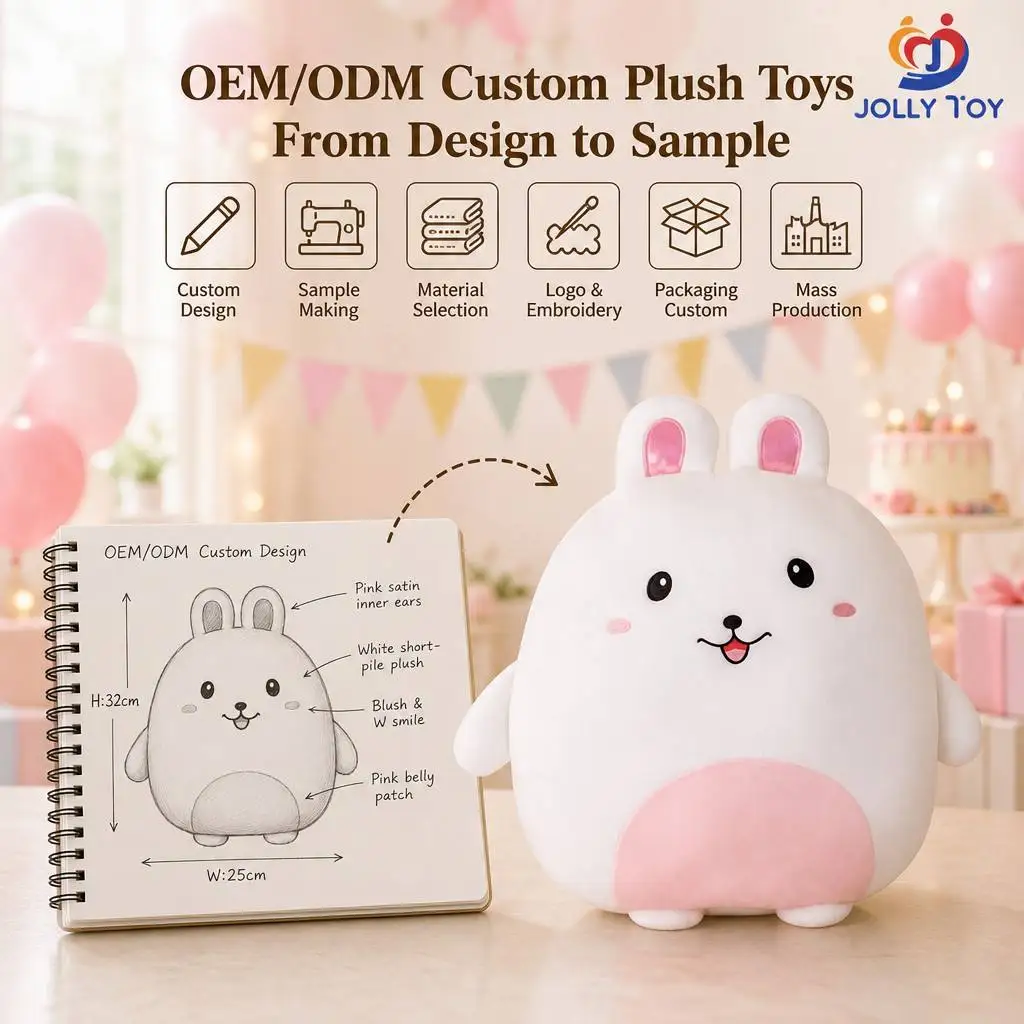
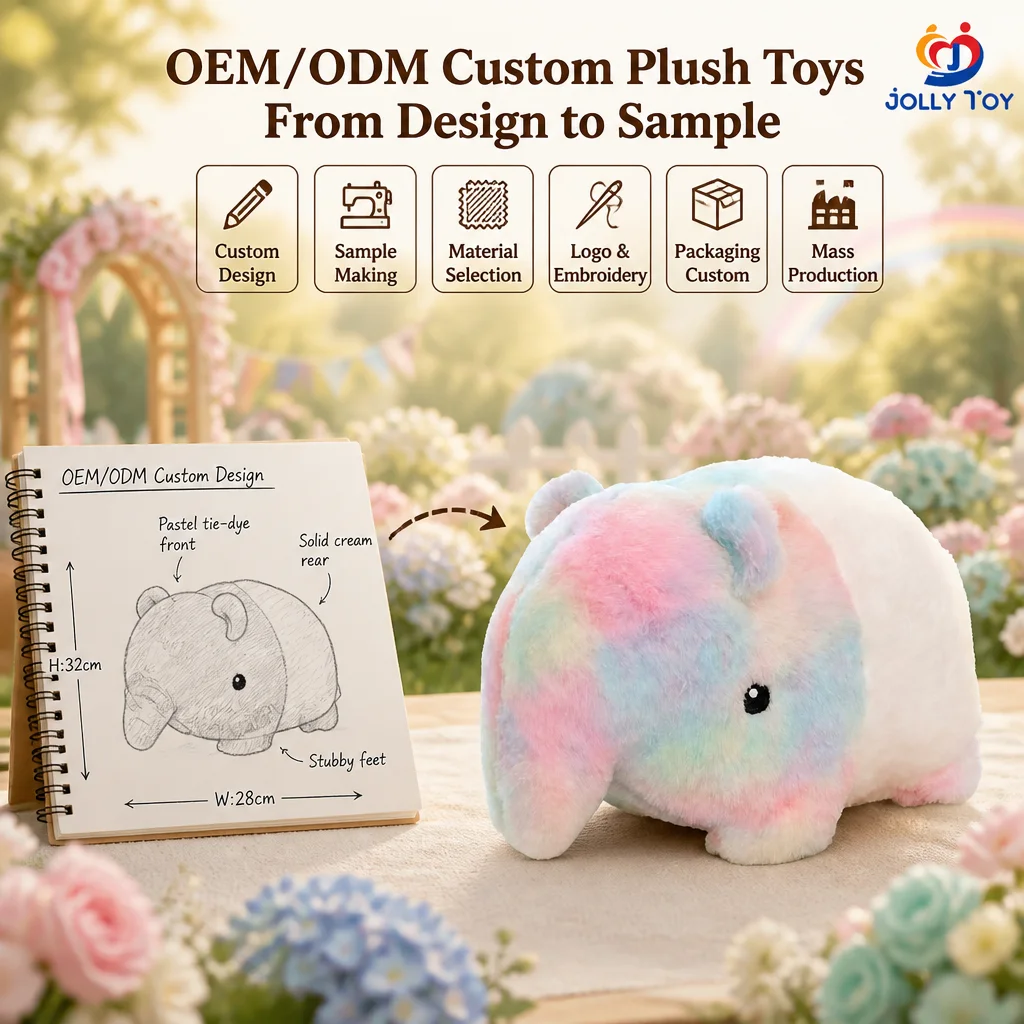
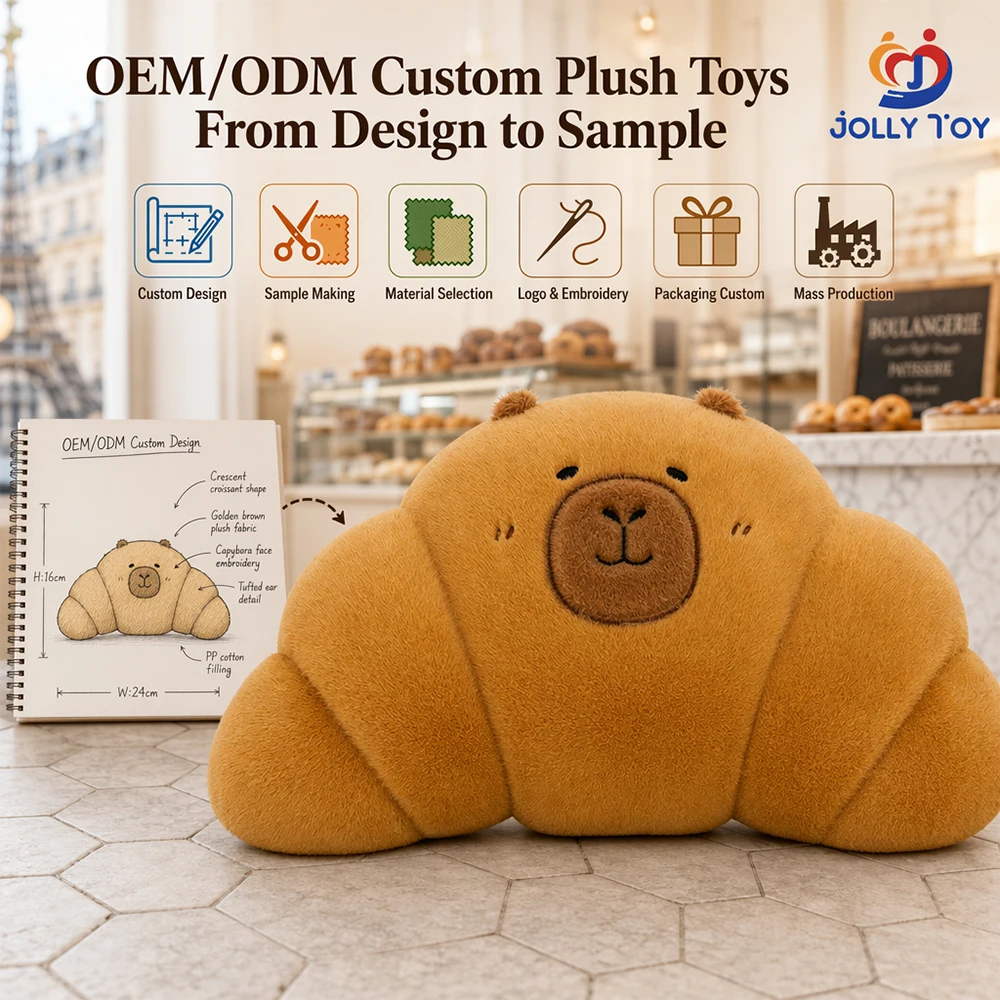
When evaluating custom stuffed animal manufacturers, understanding key specifications is crucial. Important factors include the dimensions, weight, and design complexity of the plush toys. The production process typically involves several steps, including design approval, material selection, and production of samples before mass manufacturing begins
Dimensions and Weight: These specifications are vital for both aesthetic appeal and practical application. Ensure that the dimensions fit the intended use, whether for retail display or as promotional items
Design Complexity: Consider the intricacy of the designs. Complex shapes or features may require specialized manufacturing techniques, which can affect lead times and costs
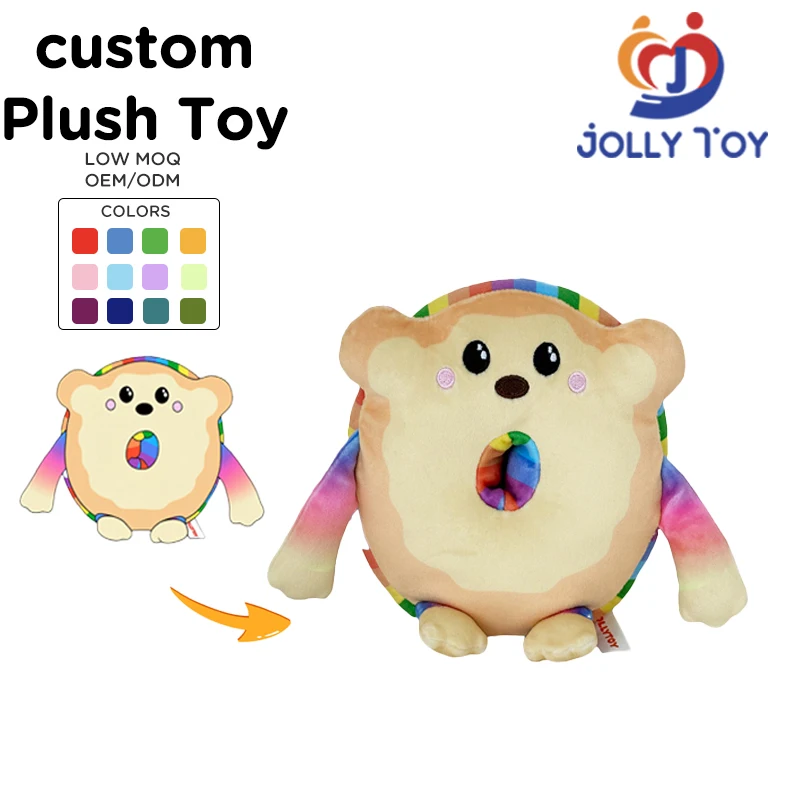
Customization Options: Many manufacturers offer customization in terms of colors, fabrics, and branding. Ensure that your supplier can accommodate your specific design requirements while maintaining quality
Production Capacity: With an annual capacity of 800,000 pieces, our manufacturing facility can handle large orders without compromising quality or timelines.
Choosing the right plush toy supplier involves evaluating multiple factors that contribute to their reliability and quality. Start by assessing their certifications, manufacturing capabilities, and history of client satisfaction
Certifications: Look for suppliers with recognized certifications, such as ICTI, Sedex, and BSCI. These certifications indicate adherence to quality and social compliance standards, which are essential for ethical manufacturing
Manufacturing Processes: Inquire about their machinery and production processes. Advanced equipment for sewing, cutting, embroidery, and injection molding can enhance the quality and efficiency of production
Quality Control: A robust quality control process is crucial. Ensure that the manufacturer conducts regular inspections throughout the production process to identify and rectify any issues before shipment
Experience and Reputation: Consider the manufacturer's experience in the industry. A large stuffed animals supplier with a proven track record is more likely to understand the nuances of production and client expectations.
To find the best custom stuffed animals for your needs, start by assessing your target market and intended application. Whether for educational purposes, promotions, or retail, the selection of the right product is crucial
Identify Your Target Market: Understanding who will use the stuffed animals can guide decisions on design, size, and materials. For example, toys aimed at young children may require safety certifications and soft, non-toxic materials
Sample Approval: Before placing a large order, request samples to evaluate the quality and design. This step is essential to ensure that the final product meets your expectations in terms of appearance and functionality
Material Selection: The choice of materials significantly impacts product durability and safety. Discuss options with your supplier, considering factors like Washability and hypoallergenic properties
Customization Features: Determine what customization options are essential for your project, such as embroidery of logos or personalized tags, and ensure that your supplier can accommodate these requests.
When considering bulk orders, several cost factors come into play. Understanding these can help you negotiate better terms and manage your budget effectively
Material Costs: The choice of materials significantly affects overall costs. High-quality, safe materials may command higher prices, but they often lead to better customer satisfaction and fewer returns
Production Complexity: More complex designs or features will require additional labor and time, which can increase costs. Be clear about your design specifications to receive accurate quotes
Order Quantity: Manufacturers typically offer price breaks for larger orders. Knowing your minimum order quantity (MOQ) is essential for budgeting and planning
Lead Time Considerations: Longer lead times might affect your operational costs, especially if you need to expedite shipping. Discuss lead times with your supplier and factor this into your overall planning.
The materials used in custom plush toys are critical to their performance and safety. Selecting the right materials involves understanding the applications and audience for your products
Fabric Types: Common fabrics for plush toys include polyester, cotton, and blends. Polyester is often chosen for its durability and ease of cleaning, while cotton provides a softer feel
Filling Materials: The filling inside the toys can vary, with options ranging from polyester Fiberfill to recycled materials. Consider the intended usage—products for young children should use non-toxic and hypoallergenic fillings
Safety Standards: Ensure that the materials meet relevant safety standards, particularly if the toys will be used by children. Compliance with safety regulations can prevent potential liabilities and recalls
Durability and Washability: Depending on the application, consider the durability and Washability of the materials. Products intended for heavy use may require more robust fabrics and filling to withstand wear and tear
By understanding these elements, you can make informed decisions when selecting personalized plush animals manufacturers, ensuring that you receive quality products that meet your specific needs.

 EN
 AR
 CS
 DA
 NL
 FI
 FR
 DE
 EL
 IT
 JA
 KO
 NO
 PL
 PT
 RU
 ES
 SV
 IW
 UK
 TR
 AF
 GA
 IS
 LA