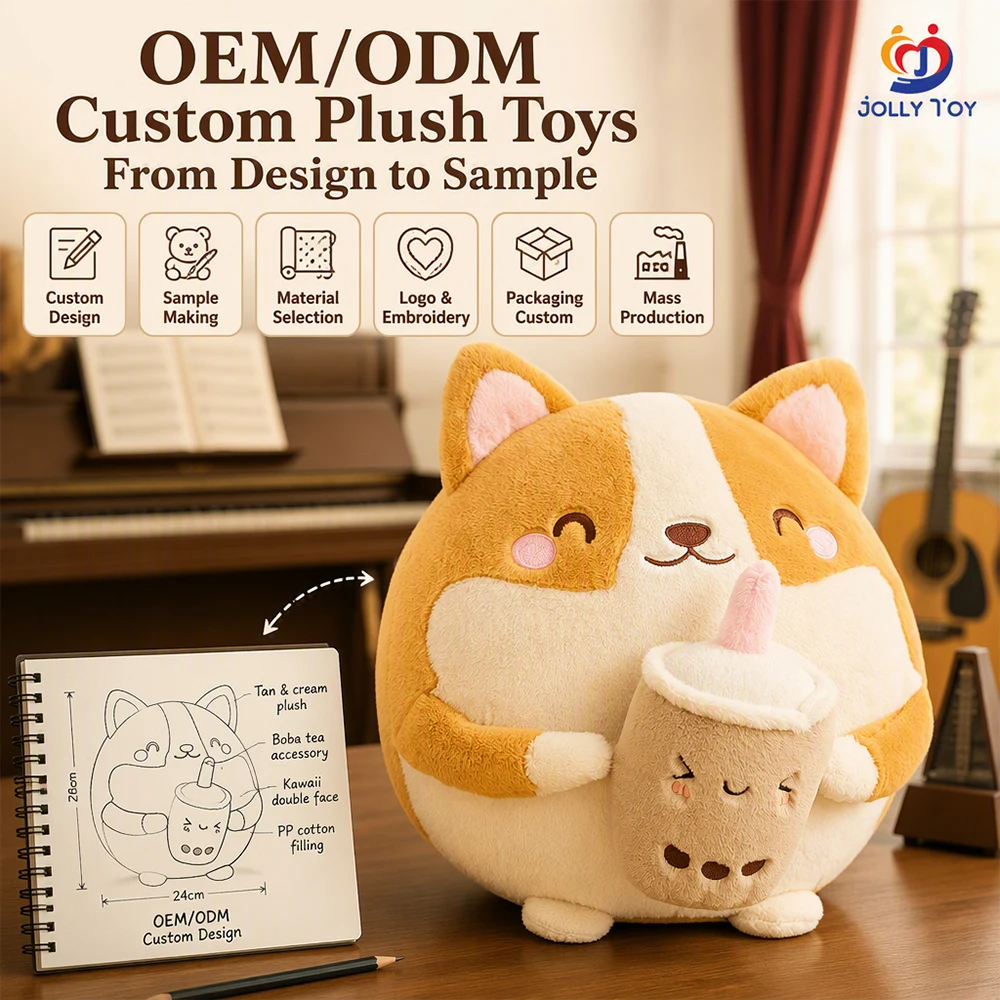
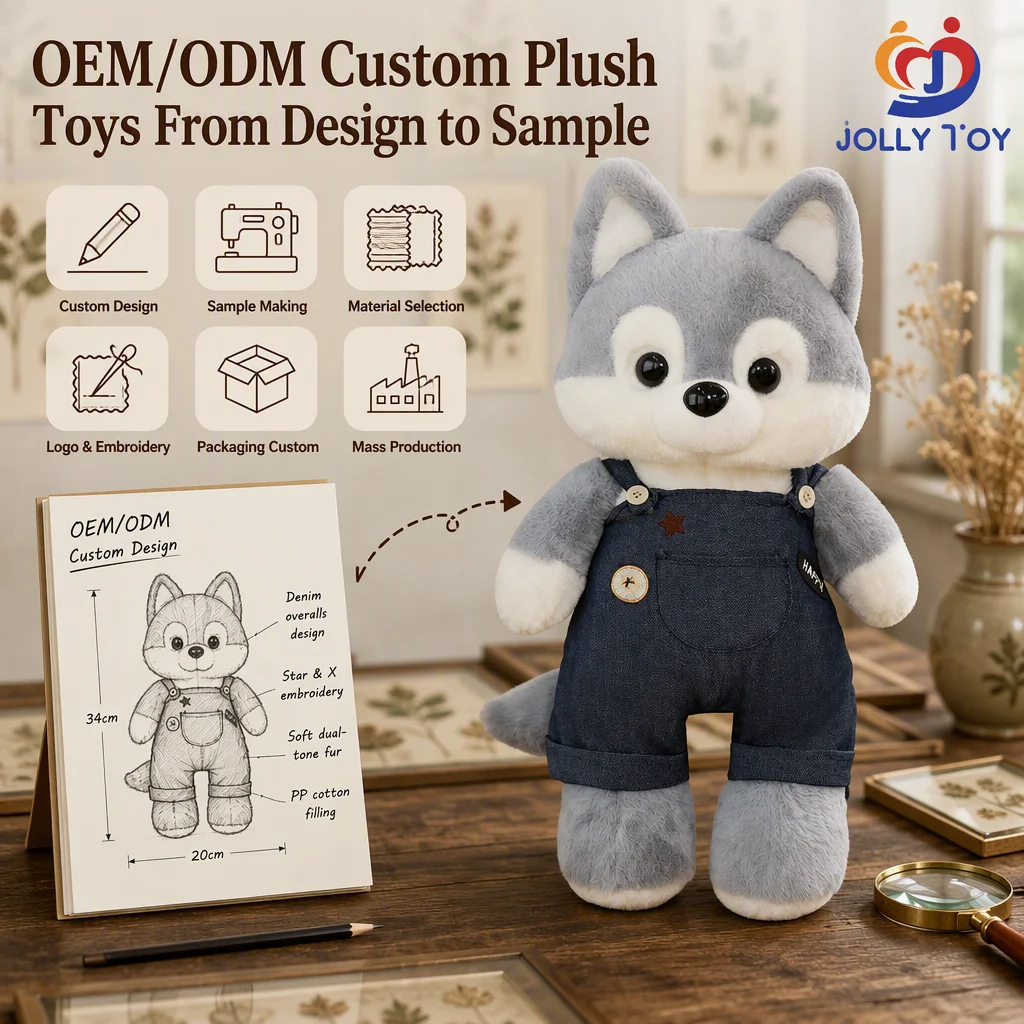
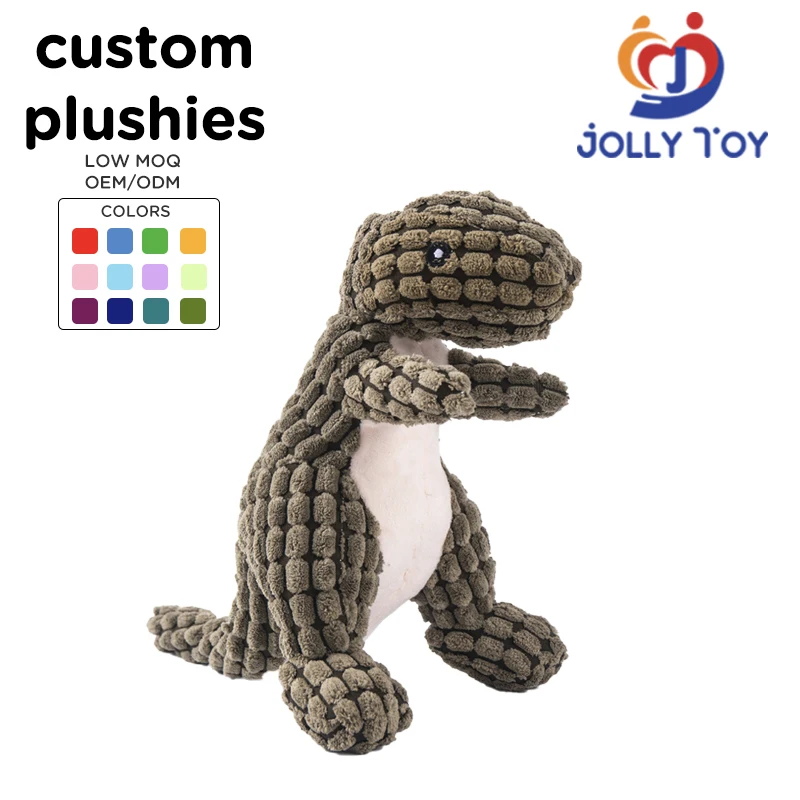
Creating a custom stuffed animal of your dog is an excellent way to celebrate your beloved pet while also providing a unique product for retail or promotional use. As a B2B buyer, understanding the intricacies involved in selecting and sourcing these plush toys is crucial. This article will address key considerations when choosing a custom plush dog, insights from suppliers, and the technical specifications that ensure a quality end product. We will also explore how these custom plush toys can be effectively used in promotional campaigns.
When selecting a custom stuffed animal of your dog, consider the intended purpose of the plush toy. Are you creating a promotional item for a business, or are you looking for a personal keepsake? This distinction will influence design choices, including size, materials, and customization options
Pay attention to the following factors:
Design Specifications: Collaborate with your manufacturer to refine the design and ensure it accurately represents your dog. Providing high-quality images can help in achieving a more realistic likeness
Material Selection: Choose materials that are safe for children if the toys will be marketed to families. Common materials include soft plush fabrics and non-toxic stuffing, which are essential for ensuring safety and comfort
Customization Options: Determine how much personalization you want. Options can range from embroidered names to unique colors. Discuss these with your dog toys supplier to understand the limits of customization
Quality Assurance: Before finalizing your order, request samples to assess quality. This step is critical as it allows for evaluation of materials, stitching, and overall appearance.
Understanding your supplier's capabilities is vital in ensuring that your custom stuffed animal meets your expectations. Here are some insights to consider:
Manufacturing Experience: With over 10 years of experience, our facility specializes in plush and plastic toys, ensuring we understand the nuances of toy production, from design to shipment
Production Capacity: Our factory has a robust annual production capacity of 800,000 pieces, which allows us to cater to large orders without compromising on quality
Certifications: Look for suppliers with industry certifications such as ICTI, Sedex, and BSCI. These certifications indicate adherence to ethical manufacturing practices and quality standards
Quality Control: A reliable supplier will have a stringent quality control process. Inquire about their inspection methods, especially during mass production, to ensure you receive a consistent product.
Finding a trustworthy supplier for custom stuffed animals can make a significant difference in your project’s success. Here are some strategies to identify and evaluate potential suppliers:
Online Marketplaces: Platforms like Alibaba and ThomasNet can connect you to various manufacturers. Look for suppliers with positive reviews and a proven track record in plush toy manufacturing
Industry Trade Shows: Attending trade shows allows you to meet suppliers face-to-face, providing opportunities to discuss your needs and assess their capabilities directly
Referrals and Recommendations: Networking within your industry can lead to valuable recommendations. Reach out to colleagues or industry groups to find suppliers with a good reputation
Supplier Audits: Consider conducting audits or site visits to ensure that the supplier meets your standards in terms of manufacturing practices and working conditions.
When ordering custom stuffed animals, several technical specifications must be taken into account to ensure the end product meets your requirements:
Dimensions: Confirm the size of the stuffed animal based on the intended use. Larger toys may require more material and will affect shipping costs
Material Composition: Choose materials that are durable yet soft. Common choices include polyester and cotton blends, which are easy to clean and maintain
Safety Standards: Ensure that the materials used comply with relevant safety standards, especially if the toys are intended for children. Compliance with regulations like ASTM and EN71 is crucial
Production Techniques: Understand the manufacturing methods, such as whether the plush toys will be sewn or molded. This can impact both the look and feel of the final product
Customization Techniques: Discuss options for customization such as embroidery versus screen printing for logos or names. Each method has implications for cost and durability
Custom stuffed animals can serve as effective promotional tools for businesses. Here’s how they can be applied:
Brand Recognition: A custom stuffed animal of a dog can reinforce your brand image, especially if it is designed to reflect your company’s mascot or values. Distributing these toys at events can enhance brand recall
Customer Engagement: Offering these toys as part of loyalty programs or contests can increase customer engagement. For example, customers could receive a plush toy upon purchasing a certain product
Corporate Gifting: Custom stuffed animals can be an excellent gift for clients or employees, fostering goodwill and strengthening relationships
Trade Shows and Events: Use plush toys as giveaways at trade shows to attract visitors to your booth. This strategy not only draws in potential customers but also provides them with a tangible reminder of your brand
In summary, creating a custom stuffed animal of your dog involves various considerations, from selecting the right materials and specifications to choosing a reliable stuffed animals supplier. By focusing on these elements, you can ensure that the final product not only resonates with your audience but also serves its intended purpose effectively.

 EN
 AR
 CS
 DA
 NL
 FI
 FR
 DE
 EL
 IT
 JA
 KO
 NO
 PL
 PT
 RU
 ES
 SV
 IW
 UK
 TR
 AF
 GA
 IS
 LA