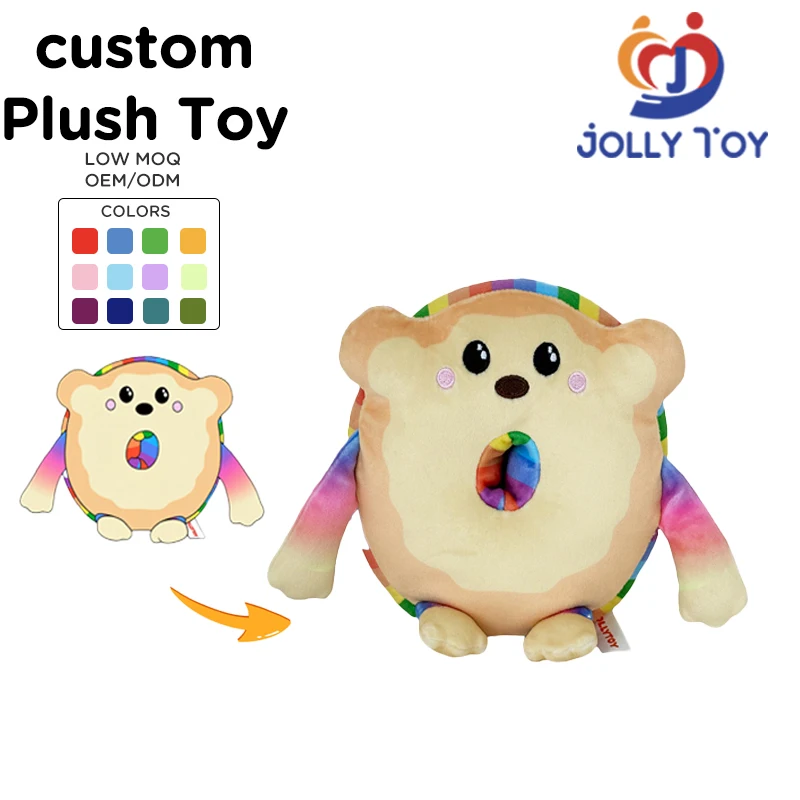
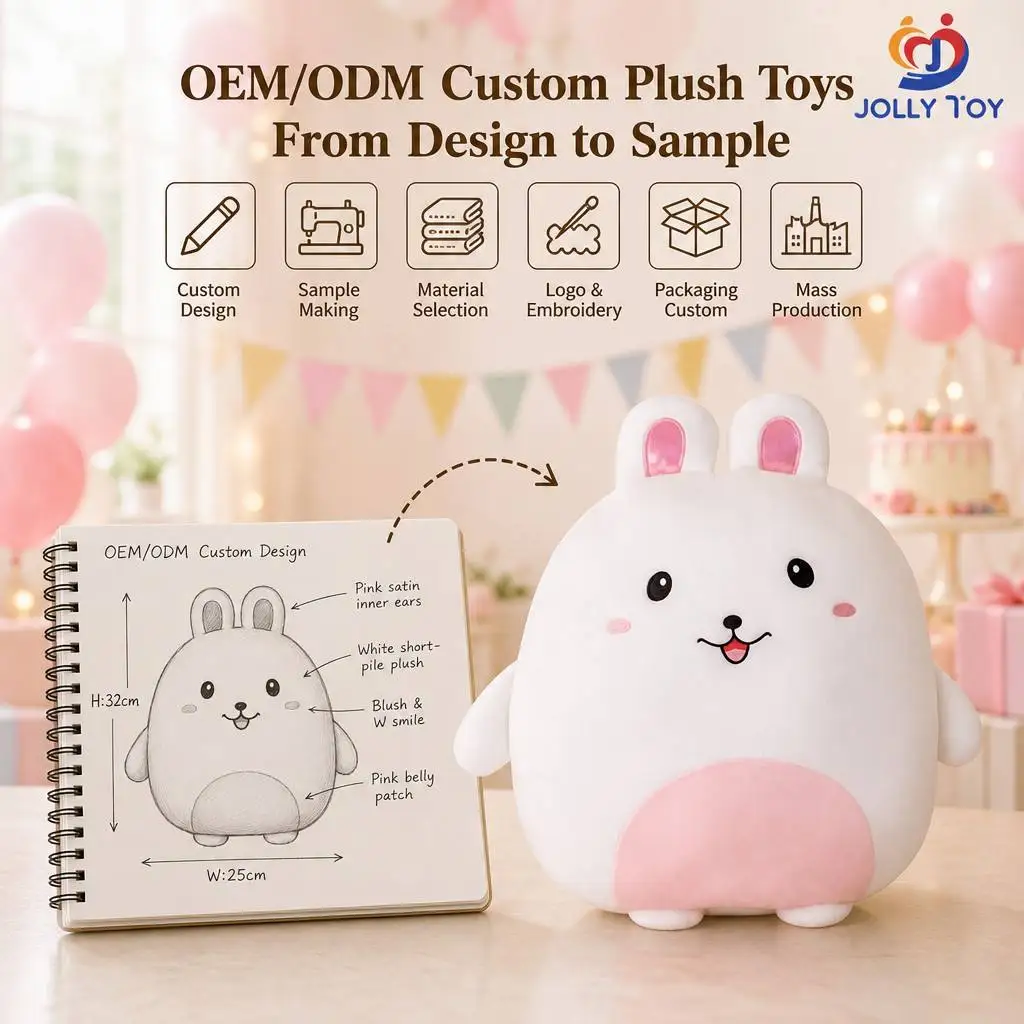
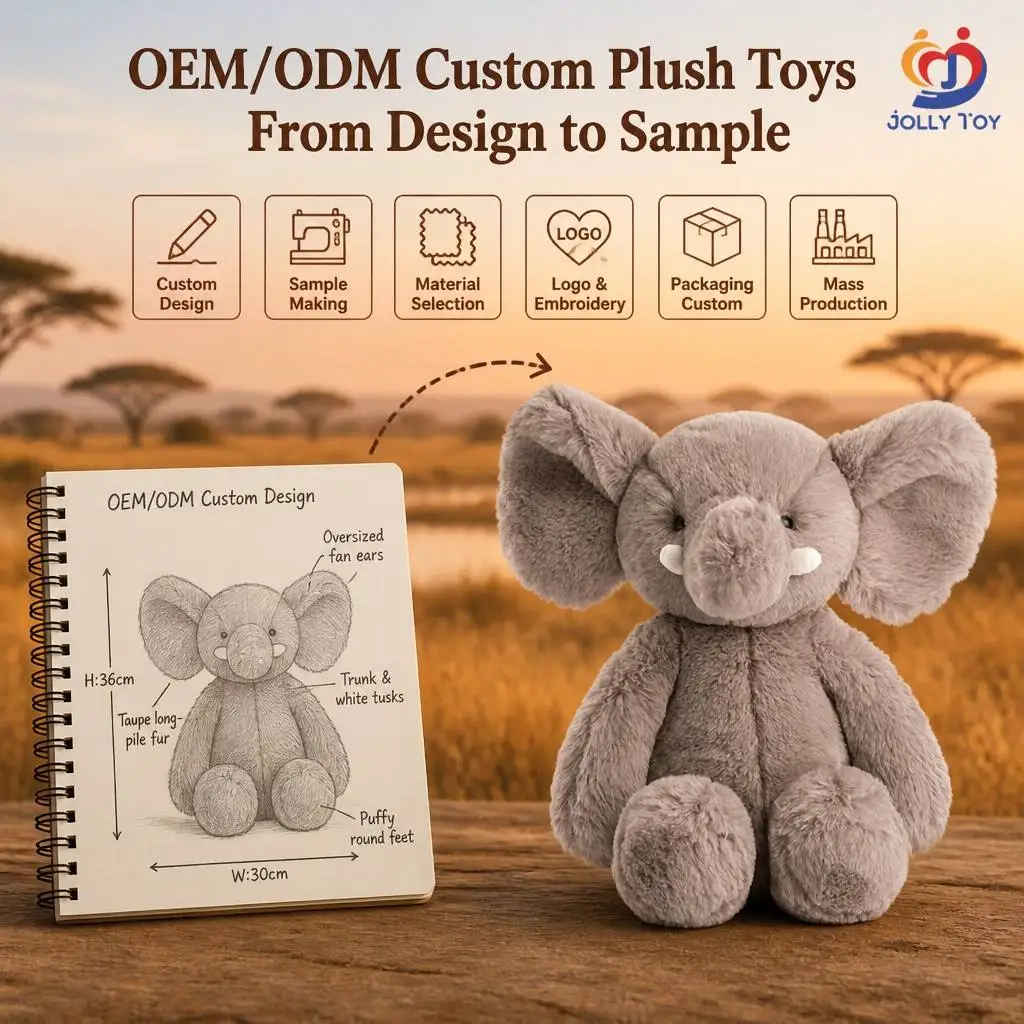
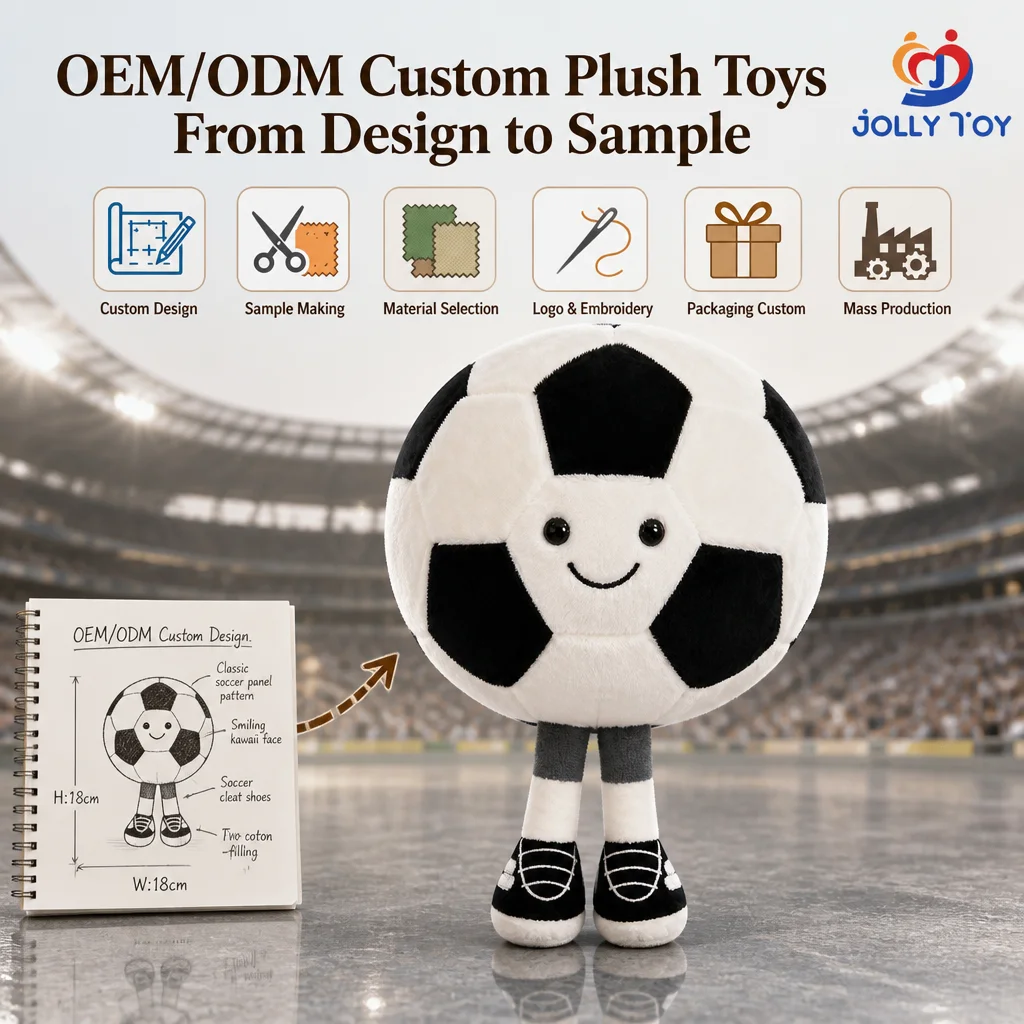
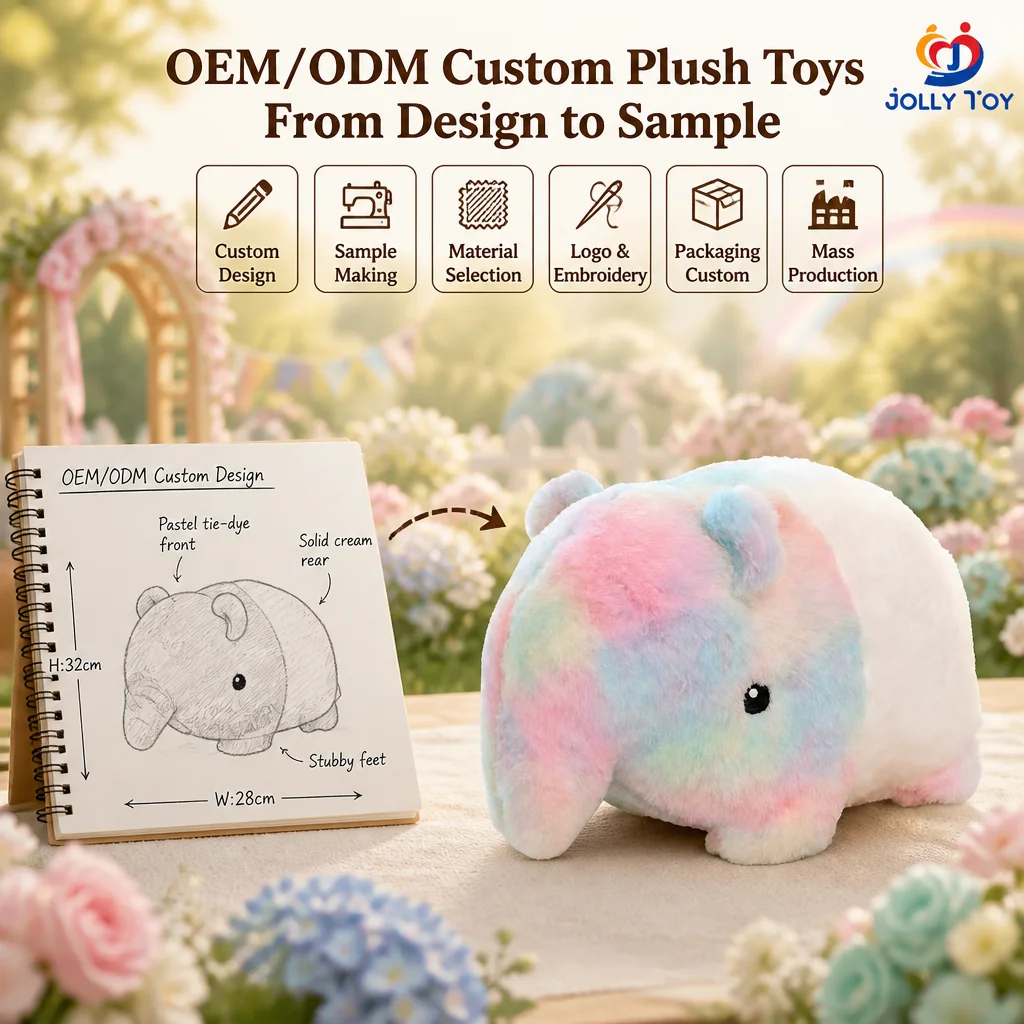
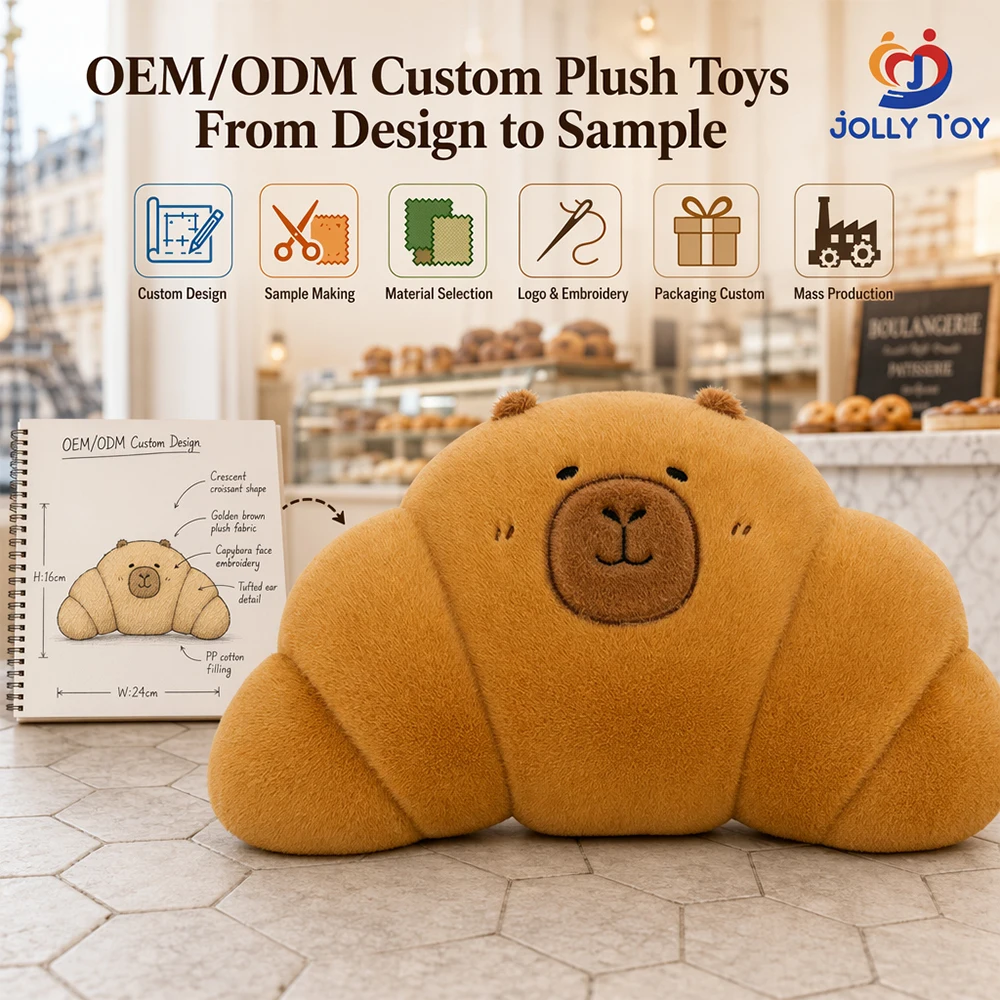
Giant stuffed animals are oversized plush toys that have gained popularity across various sectors, including retail, hospitality, and event planning. For B2B buyers, such as purchasing managers and distributors, the concerns often revolve around product quality, safety, customization options, and supply reliability. This article will provide insights into sourcing soft toys, covering critical factors that influence purchasing decisions, from supplier reliability to material comparisons and cost considerations.
Finding a trustworthy supplier for Jolly Toy giant stuffed animals requires thorough research and consideration of several factors. Start by identifying manufacturers with a proven track record in plush toy production. Look for suppliers that have industry certifications such as ICTI, Sedex, and BSCI, which indicate adherence to quality and social compliance standards.
Networking at industry trade shows and events can also yield valuable supplier contacts. Online marketplaces and industry-specific directories are useful resources, but ensure that you conduct due diligence by requesting samples and verifying references before placing large orders. Established manufacturers often offer a one-stop shop for services from design to shipment, ensuring a seamless supply chain.
When ordering giant stuffed animals in bulk, several cost factors come into play. The primary considerations include material selection, design complexity, production volume, and shipping logistics.
Material Costs: The type of personalized plush animals used can significantly impact the overall cost. High-quality, durable materials such as polyester or cotton blends may come at a premium but offer better longevity and safety.
Design Complexity: Custom designs, including unique shapes or embroidery, can increase production costs. Simplified designs may reduce expenses but could limit market appeal.
Production Volume: Most manufacturers offer tiered pricing based on volume; larger orders often result in lower per-unit costs. Understanding the minimum order quantity (MOQ) is crucial for budgeting.
Shipping and Import Fees: Don't overlook transportation costs. Depending on the destination, tariffs and freight charges can add substantial expenses.
Understanding these factors will help buyers negotiate better pricing and improve the overall value of their orders.
Material selection is a vital aspect when sourcing giant stuffed animals, as it influences safety, durability, and aesthetics. Here are some common materials and their advantages:
Polyester Fibers: Known for their softness and resilience, polyester fibers are a popular choice for plush toys. They are easy to clean and maintain, making them suitable for various applications, including children's toys.
Cotton: Organic cotton is favored for its hypoallergenic properties, appealing to health-conscious consumers. It is softer than synthetic options but may require more care in washing.
Recycled Materials: With increasing environmental concerns, some manufacturers offer toys made from recycled materials. These products appeal to eco-conscious buyers and can enhance brand value.
Safety Compliance: Ensure that all materials meet safety standards relevant to the target market. For instance, toys intended for children should be free from harmful chemicals and meet regulations like EN71 or ASTM F963.
Evaluating these materials against your target market's preferences will help you select the most suitable Jolly Toy Baby Soft Toys.
Jolly Toy Giant stuffed animals serve diverse applications across multiple sectors:
Retail: Many retailers use oversized plush toys as promotional tools to attract customers. They can enhance in-store displays and create a whimsical shopping experience.
Hospitality: Hotels and resorts often provide giant stuffed animals as part of their family-friendly offerings. These toys enhance guest experiences, particularly in children's areas, and may even serve as memorable souvenirs.
Events and Parties: Event planners frequently incorporate giant stuffed animals into decorations for children's parties, fairs, and community events. They can serve as focal points for photo opportunities and entertainment.
Understanding these applications can help B2B buyers tailor their offerings to meet specific industry needs and preferences.
When sourcing giant stuffed animals, consider the following expert tips to streamline your purchasing process:
Request Samples: Always request samples before committing to a bulk order. This allows you to evaluate the toy's quality, safety, and overall appeal.
Clarify Lead Times: Understand the typical lead times for production and shipping. Factors such as peak seasons and manufacturing capabilities can affect delivery timelines.
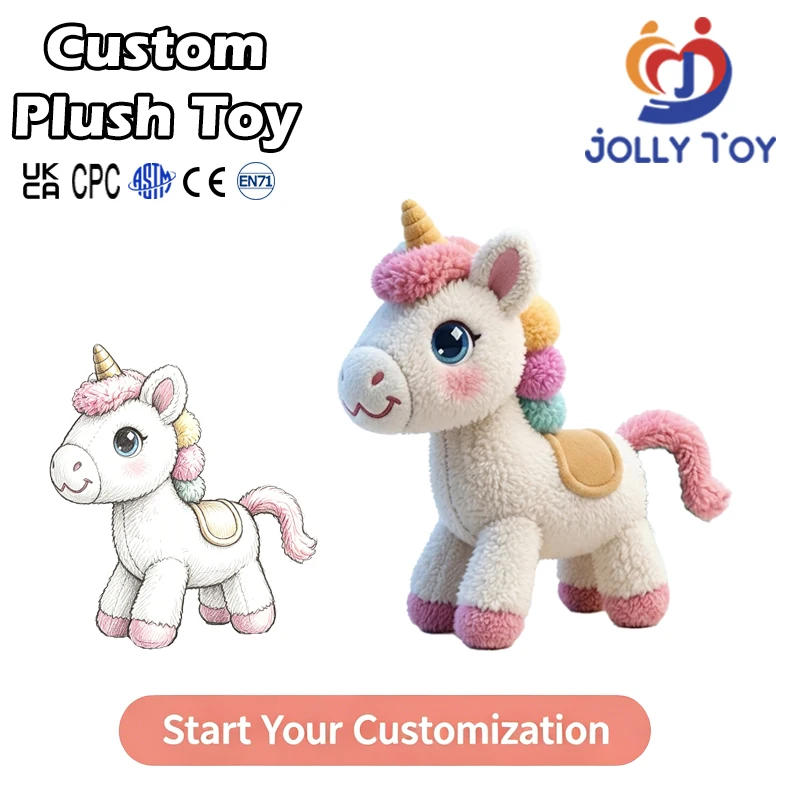
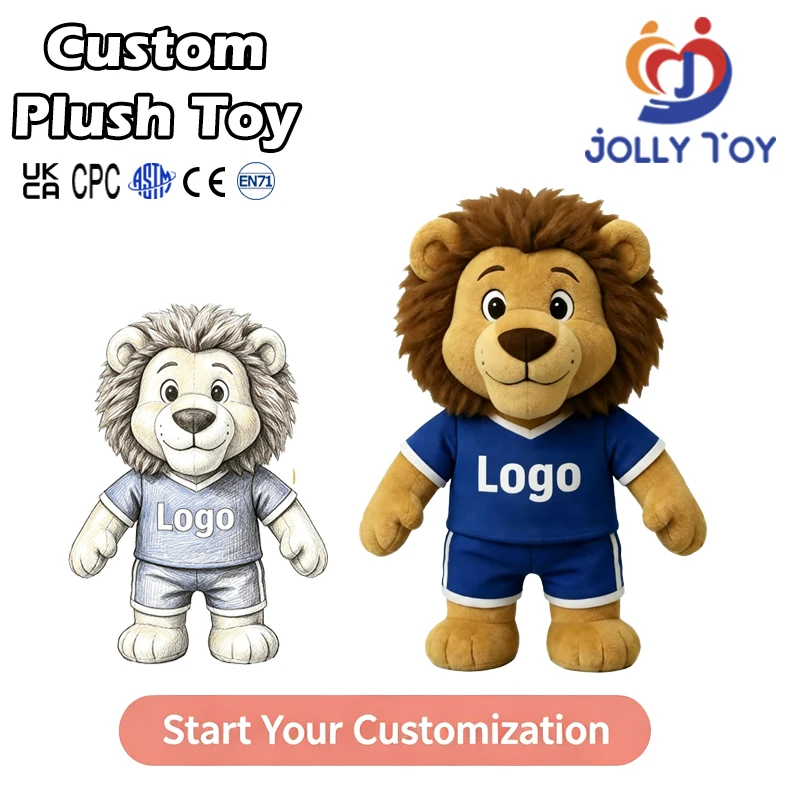
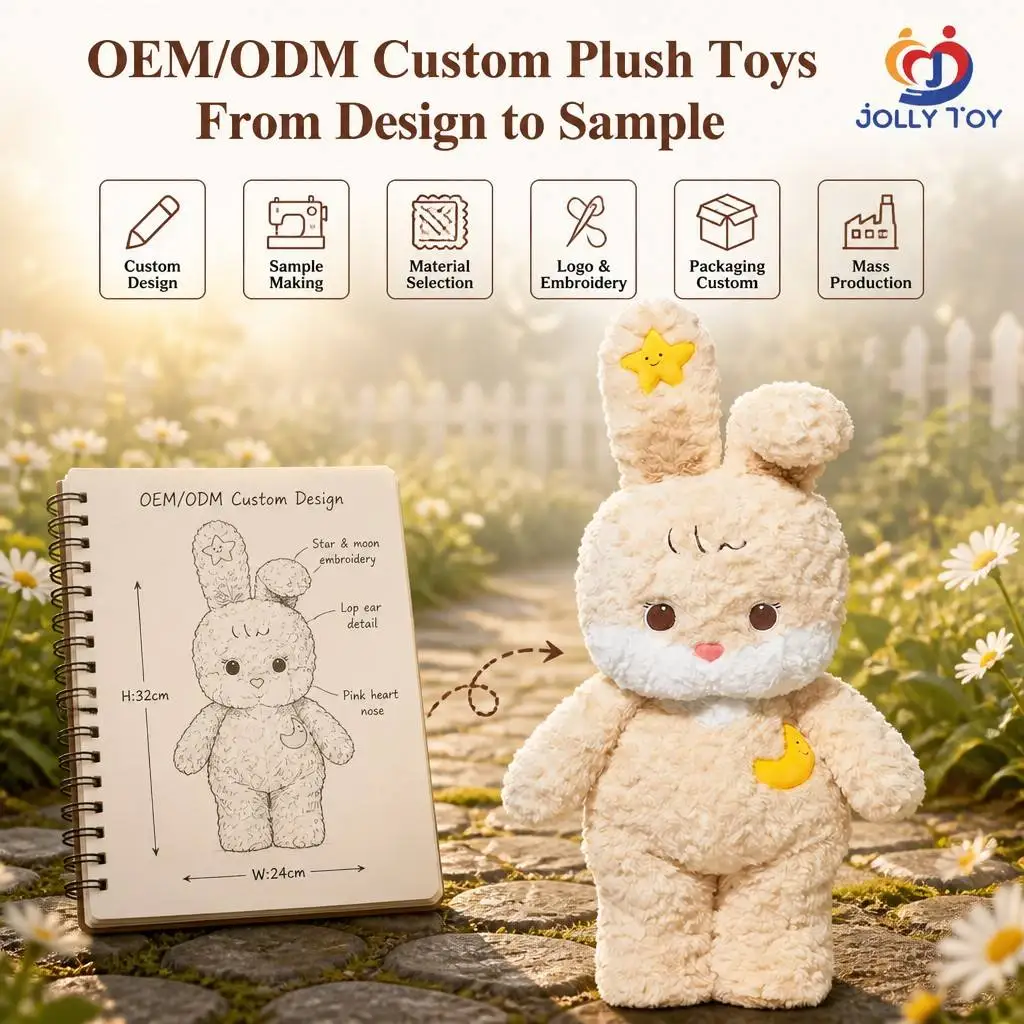
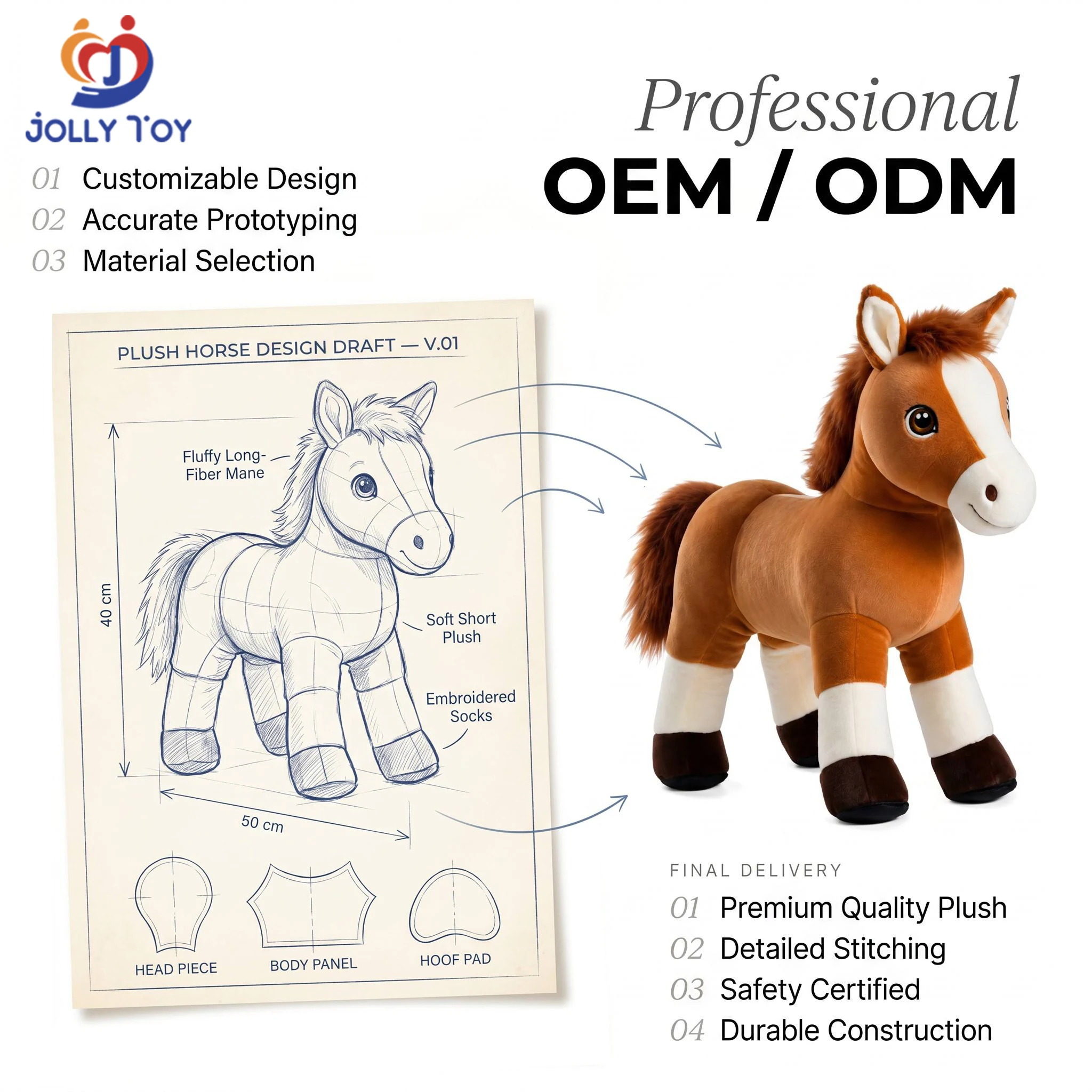
Customization Options: Discuss customization possibilities with potential suppliers. Many manufacturers offer design alterations, including colors, sizes, or unique features, which can differentiate your products in the market.
Quality Control Processes: Inquire about the quality control measures implemented during production. A reputable supplier will have strict quality assurance protocols to ensure that each product meets safety and quality standards.
Evaluate Supplier Reliability: Check reviews and testimonials from other clients. Reliable suppliers should have a history of fulfilling orders on time and maintaining open communication throughout the process.
By following these guidelines, buyers can enhance their sourcing strategies and establish long-term partnerships with trusted suppliers.

 EN
EN
 AR
AR
 CS
CS
 DA
DA
 NL
NL
 FI
FI
 FR
FR
 DE
DE
 EL
EL
 IT
IT
 JA
JA
 KO
KO
 NO
NO
 PL
PL
 PT
PT
 RU
RU
 ES
ES
 SV
SV
 IW
IW
 UK
UK
 TR
TR
 AF
AF
 GA
GA
 IS
IS
 LA
LA